Joint Checking Accounts and Credit Scores
Discover why joint checking accounts typically don't harm your credit score, but understand the risks when credit features are involved.

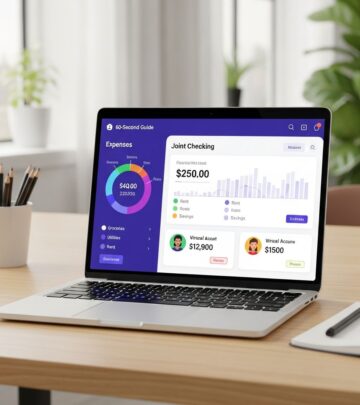
Joint checking accounts provide a convenient way for couples, roommates, or family members to manage shared expenses without directly affecting individual credit scores. Unlike credit-based products, standard checking accounts lack borrowing features that report to credit bureaus, keeping your credit profile untouched.
Understanding Checking Accounts vs. Credit Products
Checking accounts serve primarily for daily transactions, deposits, and withdrawals. They do not involve interest-bearing debt or repayment obligations that credit scoring models track. Credit scores, calculated by agencies like Experian, Equifax, and TransUnion, focus on factors such as payment history, credit utilization, length of credit history, and new credit inquiries.
Joint checking accounts appear on bank statements but not on credit reports unless they include overdraft protection or lines of credit. Overdrafts function like short-term loans; unpaid ones can lead to negative reporting, impacting all account holders.
- Pure debit checking: No credit impact.
- Checking with overdraft: Potential credit reporting if limits are exceeded and unpaid.
- Credit cards or loans: Direct influence on scores for all parties.
The Role of Financial Associations in Credit Decisions
Even without direct score changes, joint accounts create financial associations visible on credit reports. These links connect your credit file to co-holders, allowing lenders to review associated histories during applications. A partner’s poor record, like a County Court Judgment (CCJ), won’t alter your score but may sway lender approval.
Associations persist post-account closure, potentially linking ex-partners indefinitely. Regularly review your credit file to request dissociation if relationships end.
| Account Type | Direct Score Impact | Association Effect | Lender Visibility |
|---|---|---|---|
| Joint Checking (No Overdraft) | No | Yes | Partial |
| Joint Checking with Overdraft | Possible | Yes | Full |
| Joint Credit Card | Yes | Yes | Full |
| Joint Mortgage/Loan | Yes | Yes | Full |
Risks of Mixing Finances in Relationships
Shared accounts foster trust but introduce vulnerabilities. Late payments on overdrawn joint checking can ding both scores, as each holder shares full liability.
For instance, if one partner overspends and ignores overdraft alerts, collection actions may hit both reports, lingering 7 years. High utilization on attached credit lines raises debt-to-income ratios, complicating new borrowing.
Relationship breakdowns amplify issues: closing accounts requires mutual consent, and unresolved balances persist as joint debts.
Benefits of Joint Checking for Everyday Management
Despite risks, joint checking simplifies bill splitting for rent, utilities, and groceries without credit entanglements. Modern tools like virtual shared cards or auto-splitting apps minimize exposure.
Couples often maintain separate individual accounts alongside a joint one for ‘yours, mine, ours’ budgeting, preserving financial independence.
Strategies to Safeguard Your Credit
- Opt for overdraft-free accounts: Avoid credit facilities in joint checking.
- Monitor jointly: Set alerts and review statements together.
- Dissociate when needed: Petition credit agencies to sever old links.
- Build individually: Use personal credit cards responsibly for score growth.
- Communicate openly: Discuss spending habits pre-joint setup.
Joint credit cards can build history positively if managed well—on-time payments boost payment history (35% of FICO score), low utilization aids another 30%—but mismanagement harms both.
Comparing Joint vs. Individual Accounts
Individual accounts offer isolation: one’s habits don’t taint the other. Joint setups demand coordination but streamline shared costs.
| Aspect | Joint Account | Individual Accounts |
|---|---|---|
| Credit Risk Sharing | High (if credit-enabled) | None |
| Convenience for Bills | High | Medium (needs splitting tools) |
| Privacy | Low | High |
| Score Building | Shared outcomes | Independent |
Impact on Specific Scenarios: Couples, Roommates, Family
For Married Couples
Spouses often merge finances post-marriage, but joint checking alone won’t merge scores—each retains individuality. Merging credit requires joint applications.
Roommates and Non-Romantic Shares
Casual joint accounts for rent risk associations without deep trust. Prefer reimbursement apps over full joint access.
Family Accounts with Adult Children
Parents adding children to checking create lifelong links; use authorized user status sparingly.
Steps to Check and Clean Your Credit File
Access free weekly reports from AnnualCreditReport.com (U.S.) or equivalent services. Look for associations under ‘linked accounts’ and request removals via agency dispute forms if outdated.
Alternatives to Traditional Joint Accounts
Fintech solutions like split-wise apps or no-credit-link shared debit cards offer perks without bureau reporting. Co-signing remains riskiest—full liability without usage control.
Frequently Asked Questions (FAQs)
Does opening a joint checking account require a credit check?
Typically no, as banks focus on identity and deposits, not creditworthiness.
Can a joint account improve my credit score?
Indirectly, if it prevents personal overdrafts, but no direct boost from checking activity.
What if my partner has bad credit?
Your score stays safe, but associations may flag risks to lenders.
How long do financial associations last?
Indefinitely, until dissociated manually.
Are joint savings accounts different?
Similar to checking—no credit impact unless loan-linked.
In summary, joint checking empowers shared money management sans credit peril, provided you sidestep borrowing pitfalls. Prioritize communication and monitoring for sustained financial harmony.
References
- Does a joint account affect your credit score? — Checkmyfile. 2023. https://www.checkmyfile.com/help-centre/articles/does-a-joint-account-affect-your-credit-score
- Does a Joint Credit Card Build Credit for Both Users? — Chase Bank. 2024. https://www.chase.com/personal/credit-cards/education/build-credit/do-joint-credit-cards-affect-both-credit-scores
- Can Love Hurt Your Credit? The Risks of Joint Accounts & Co-Signing — AdvantageCCS. 2023. https://www.advantageccs.org/blog/can-love-hurt-your-credit-the-risks-of-joint-accounts-co-signing/
- Do Joint Accounts Affect Your Credit Score? — Cino. 2024. https://www.getcino.com/post/joint-accounts-affect-credit-score
- Should Married Couples Have Joint Checking Accounts? — Experian. 2024. https://www.experian.com/blogs/ask-experian/should-couples-have-joint-or-separate-checking-accounts/
- Do joint credit card accounts with my spouse affect my credit score? — Consumer Financial Protection Bureau (CFPB). 2023. https://www.consumerfinance.gov/ask-cfpb/do-joint-credit-card-accounts-with-my-spouse-affect-my-credit-score-en-1289/
Similar Articles








Read full bio of Sneha Tete