Joining the Military: Benefits and Risks
Comprehensive guide to military service: Financial rewards, career opportunities, and significant health and lifestyle challenges.
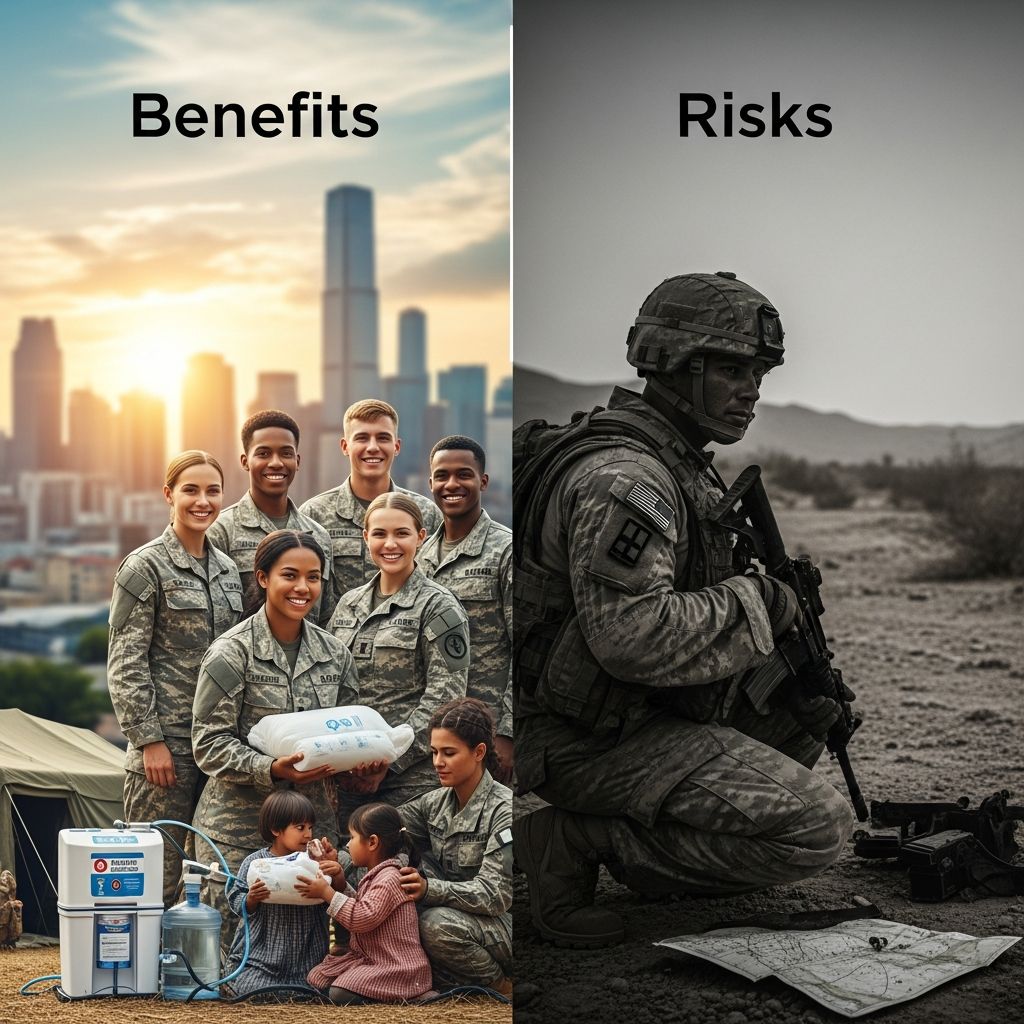
Understanding Military Service: A Balanced Perspective on Benefits and Risks
Joining the military represents a significant life decision with far-reaching implications for your financial future, career trajectory, and personal well-being. Military service offers substantial benefits including competitive compensation, comprehensive healthcare, education funding, and retirement security. However, these advantages come alongside considerable risks and challenges that prospective service members must carefully weigh. This comprehensive guide examines both the rewards and drawbacks of military service to help you make an informed decision about whether enlisting aligns with your personal and professional goals.
Financial Benefits of Military Service
The financial incentives for military service extend far beyond basic salary. The U.S. military compensation structure is designed to attract qualified personnel by offering competitive remuneration that accounts for the unique demands and risks of service.
Military Pay and Compensation
Active-duty service members receive regular military pay that increases with rank and years of service. Beyond base pay, service members may qualify for enlistment bonuses, which can range from several thousand to tens of thousands of dollars depending on specialty and branch. These bonuses recognize critical skills shortages and encourage qualified individuals to commit to military service. Continuation pay further incentivizes experienced personnel to remain in uniform rather than transition to civilian employment.
For personnel deployed to combat zones, additional compensation recognizes the heightened risk. Hostile Fire Pay (HFP) and Imminent Danger Pay (IDP) provide extra monthly compensation to those serving in designated combat areas. Personnel in combat zones also benefit from Combat Zone Tax Exclusion (CZTE), which excludes military income earned in combat zones from federal income tax obligations. This tax benefit can provide substantial savings, with median values exceeding $4,660 annually for deployed personnel.
Housing and Subsistence
The military provides housing to service members at no cost, either in government-owned barracks or through housing allowances (BAH) for those living off-base. This eliminates one of the largest expenses civilians face. Additionally, service members receive complimentary meals through dining facilities or receive Basic Allowance for Subsistence (BAS) if living off-base. Combined, these provisions represent thousands of dollars in annual benefits that would otherwise come from a service member’s personal finances.
Retirement Security
The military retirement system provides significant long-term financial security. Service members with 20 years of service become eligible for retirement with a pension that provides monthly income for life, calculated as a percentage of their final military salary. Importantly, military retirement eligibility requires only 20 years of service, making it achievable by the early 40s for those who enter service in their early 20s. This stands in stark contrast to civilian retirement systems that typically require working until age 65 or 67. The military also offers the Thrift Savings Plan (TSP), a defined-contribution retirement account similar to civilian 401(k) plans, allowing service members to build additional retirement savings.
Education and Professional Development
College Financing Programs
Military service unlocks multiple education benefits that can dramatically reduce or eliminate college expenses. The Post-9/11 GI Bill provides comprehensive education funding to eligible service members and veterans, covering tuition, fees, and providing monthly housing allowances for full-time students. This benefit can pay for undergraduate and graduate education at public universities, private institutions, or vocational schools.
For service members who already carry education debt, the military offers Federal Student Loan Repayment Program assistance, which can pay down existing student loans up to specific limits. Service members may also access Tuition Assistance (TA) while on active duty, allowing them to pursue higher education without incurring debt during their service commitment.
Military Training and Skill Development
The military invests substantially in training its personnel, providing technical certifications and specialized skills training valued in civilian labor markets. Whether in cybersecurity, aircraft maintenance, medical technology, or engineering, military training translates directly to civilian career opportunities. Many service members transition to well-paying civilian positions using skills developed during military service, often commanding higher starting salaries than their non-military counterparts due to their demonstrated competency and experience.
Healthcare Benefits
Active-Duty Healthcare
Service members receive comprehensive healthcare coverage with no out-of-pocket expenses, including medical, dental, and vision care. This coverage extends to mental health services, prescription medications, and specialty care. The military healthcare system provides exceptional value, eliminating insurance premiums, copays, and deductibles that civilians navigate.
Veteran Healthcare and Long-Term Coverage
Military retirees and veterans remain eligible for low-cost healthcare coverage through TRICARE, the Department of Defense health insurance program for military families and retirees. This provides affordable coverage options that extend healthcare benefits well into retirement. The Department of Veterans Affairs (VA) also provides healthcare to eligible veterans, covering service-related conditions and expanding care options as veterans age.
Family and Dependent Benefits
Military service extends financial support to family members and dependents. Service members can enroll family members in the military healthcare system, providing them comprehensive medical coverage. The military also offers family housing, either on-base or through housing allowances, ensuring families have stable shelter. For families facing hardship or emergency situations, various military aid societies and programs provide financial assistance without repayment requirements.
Health Risks and Long-Term Consequences
Combat-Related Injuries and Death
The most significant risk of military service is injury or death in combat. Service members face life-threatening situations, traumatic brain injuries, and permanent disabilities that can affect their quality of life for decades after service ends. Combat exposure also increases vulnerability to mental health challenges as service members process their combat experiences and readjust to civilian life.
Environmental Exposures
Military service can expose personnel to hazardous environmental conditions with delayed health effects. Veterans may develop health conditions years or even decades after exposure to contaminated substances. Historical examples include Agent Orange exposure during the Vietnam War, contaminated drinking water at military installations, and burn-pit exposure in recent Middle Eastern operations. The VA recognizes numerous presumptive conditions related to environmental exposures, but identifying exposure and establishing causation can be complex and time-consuming.
Mental Health Challenges
Military service involves significant psychological stressors. Separation from family, exposure to combat, loss of comrades, and the inherent dangers of military operations create substantial stress. Service members face elevated risks for depression, post-traumatic stress disorder (PTSD), anxiety disorders, and substance abuse problems. Additionally, some service members experience military sexual trauma (MST), which includes sexual assault and harassment during service.
Lifestyle Challenges and Disruptions
Geographic Relocation and Deployment
Military service typically involves frequent relocations to different duty stations, both domestic and international. These moves disrupt family stability, educational continuity, and community connections. Service members endure extended deployments lasting months or years, creating separation from spouses, children, and extended family. The cumulative stress from repeated relocations and deployments takes a toll on family relationships and personal well-being.
Irregular Work Schedules
Military duty operates on a 24/7 cycle, meaning service members may work irregular hours, overnight shifts, or extended periods without traditional weekends off. This disrupts sleep patterns, family meal times, and personal time, contributing to stress and affecting quality of life. The military’s hierarchical command structure also means limited autonomy in daily work decisions, which some find challenging after transitioning to civilian employment with greater independence.
Transition and Veteran Challenges
Civilian Career Transition
Transitioning from military to civilian employment presents unique challenges. While military training provides valuable skills, translating military experience into civilian job applications requires intentional effort. Some veterans struggle to find civilian employers who understand military terminology, certifications, or experience equivalencies. Additionally, civilian workplace culture differs significantly from military hierarchy and decision-making processes, requiring significant adjustment.
Benefits Access and Navigation
Veterans and transitioning service members face challenges accessing the benefits they’ve earned. The VA system is complex, with numerous programs and eligibility criteria that can be difficult to navigate without guidance. Many veterans don’t fully understand what benefits they qualify for or how to apply, resulting in unclaimed benefits. Additionally, private-sector healthcare providers may lack familiarity with military service-related conditions, complicating diagnosis and treatment.
Comparison Table: Military Service Benefits vs. Risks
| Aspect | Benefits | Risks |
|---|---|---|
| Financial | Competitive pay, bonuses, housing, meals, tax benefits | Lower starting pay than some civilian careers, limited earning potential in some specialties |
| Education | GI Bill, tuition assistance, loan repayment, skills training | Limited time for education during active duty, education debt if leaving early |
| Healthcare | Comprehensive coverage with no out-of-pocket costs | Service-related disabilities, mental health challenges, environmental exposures |
| Retirement | Pension after 20 years, early retirement opportunity | Vesting requires 20-year commitment, inflexible timeline |
| Lifestyle | Structured environment, career progression, camaraderie | Frequent moves, deployments, irregular schedules, family separation |
| Personal Safety | Occupational accident insurance, life insurance | Combat risk, traumatic injury, PTSD, death risk |
Key Considerations Before Enlisting
Before deciding to join the military, carefully evaluate the following factors:
- Your personal commitment to military values and mission
- Family circumstances and willingness to relocate and experience deployments
- Physical and mental health baseline and readiness for military demands
- Career goals and how military service aligns with long-term plans
- Educational aspirations and available military education programs
- Financial situation and debt obligations
- Tolerance for hierarchical structures and limited personal autonomy
Frequently Asked Questions
Q: How much does military service pay compared to civilian jobs?
A: Military base pay varies by rank and years of service, starting around $23,000 annually for entry-level enlisted personnel. Combined with housing, food, healthcare, and other benefits, total compensation often exceeds comparable civilian positions. However, some specialized civilian careers may offer higher salaries.
Q: Can I use the GI Bill if I don’t complete my full service commitment?
A: GI Bill eligibility depends on length of service and discharge characterization. Generally, you must complete your service commitment with an honorable discharge to receive full benefits, though some benefits may be available with partial service.
Q: What mental health support is available for service members?
A: The military provides mental health services including counseling, therapy, and psychiatric care. Veterans can access VA mental health services and crisis lines, with the Veterans Crisis Line available 24/7 by calling 988 then pressing 1.
Q: How long must I serve to receive military retirement benefits?
A: Military personnel typically must serve at least 20 years to qualify for retirement with a pension. This is significantly shorter than civilian career requirements, allowing retirement in the early 40s for those entering service in their early 20s.
Q: What happens if I develop health problems after leaving the military?
A: The VA provides healthcare for service-connected conditions and presumptive conditions related to known military environmental exposures. Veterans can file disability claims for conditions potentially related to their service, with VA compensation available for service-connected disabilities.
Making Your Decision
Military service represents a profound commitment with substantial rewards and significant challenges. The financial benefits, educational opportunities, and career development potential are genuine advantages that can establish a strong foundation for long-term success. However, the physical dangers, mental health risks, lifestyle disruptions, and long-term health consequences require serious consideration. Prospective service members should carefully evaluate their personal circumstances, values, and goals before making this life-changing decision. Speaking with military recruiters, current service members, and veterans can provide valuable perspective to inform your choice.
References
- An Overview of the Financial Benefits of U.S. Military Service — Eustace Advisors. 2024. https://www.eustaceadvisors.com/blog/overview-financial-benefits-us-military-service
- Risk and Combat Compensation — U.S. Department of Defense. 2012. https://militarypay.defense.gov/Portals/3/Documents/Reports/SR12_Chapter_9.pdf
- Long-term Health Consequences of Military Service — National Institutes of Health. 2016. https://pmc.ncbi.nlm.nih.gov/articles/PMC5230827/
- Veterans and Military Health — MedlinePlus, National Library of Medicine. 2025. https://medlineplus.gov/veteransandmilitaryhealth.html
- Military Exposures — U.S. Department of Veterans Affairs Public Health. 2024. https://www.publichealth.va.gov/exposures/
- Resources for Transitioning from Military to Civilian Life — Disabled American Veterans. 2024. https://www.dav.org/what-we-do/challenges-veterans-face/
Similar Articles








Read full bio of Sneha Tete