Johns Hopkins University: Rankings, Costs & Profile
Complete guide to Johns Hopkins University: admissions, costs, financial aid, and academic excellence.
Johns Hopkins University: Complete Profile and Rankings
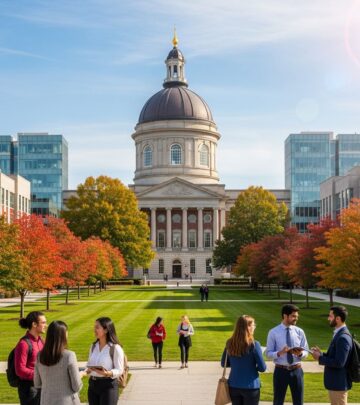
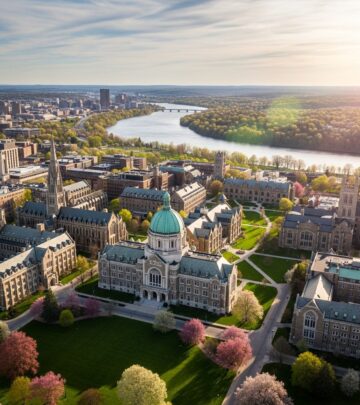
Johns Hopkins University stands as one of America’s premier research institutions, consistently ranked among the nation’s best colleges based on comprehensive data analysis including graduation rates, net prices, financial aid availability, and alumni career outcomes. Located in Baltimore, Maryland, Johns Hopkins has built an exceptional reputation for academic rigor, groundbreaking research, and commitment to student success. The university attracts thousands of applicants annually from around the globe who seek the transformative educational experience and opportunities that Johns Hopkins provides.
Academic Excellence and Institutional Rankings
Johns Hopkins University earns its distinguished position through rigorous academic standards and world-class faculty expertise. The institution’s commitment to research and innovation permeates every academic program, from undergraduate education through advanced doctoral studies. The university’s schools and programs consistently rank at the top of national and international rankings, reflecting the quality of instruction, research output, and student outcomes. With an undergraduate enrollment of approximately 6,089 students, Johns Hopkins maintains a selective admissions process that identifies talented individuals prepared for college-level coursework and research opportunities.
The university’s Bloomberg Distinguished Professors program, established in 2013 and expanded in 2021, brings together 100 world-class faculty members recruited from around the globe. These distinguished scholars focus on interdisciplinary research and innovative teaching methods, creating an environment where undergraduate and graduate students benefit from exposure to cutting-edge scholarship and mentorship from leading experts in their fields. This commitment to faculty excellence directly enhances the educational experience for all students.
Admission and Selectivity
Johns Hopkins maintains a selective admissions process that reflects its position as a highly competitive institution. The university evaluates applicants based on academic achievements, standardized test scores, extracurricular activities, and demonstrated interest in the institution. Prospective students should prepare with rigorous high school coursework, particularly in mathematics and sciences, given the university’s emphasis on research and STEM disciplines. The admissions office seeks students who demonstrate intellectual curiosity, leadership potential, and a commitment to making meaningful contributions to their communities.
The application process includes submission of transcripts, standardized test results, letters of recommendation, and personal essays that allow applicants to articulate their academic goals and personal qualities. Johns Hopkins also considers the context of each applicant’s achievements, recognizing that students come from diverse educational and socioeconomic backgrounds. Early decision and regular decision options provide flexibility for applicants with different circumstances and preferences.
Tuition and Cost of Attendance
The cost of attending Johns Hopkins University reflects the quality of education and resources provided to students. For the 2025-26 academic year, the estimated full price of attendance is $82,010, which includes tuition, fees, room, board, and other expenses. However, the university’s commitment to financial accessibility means that the estimated price after average financial aid is $44,800, representing a significant reduction from the full cost. This commitment demonstrates Johns Hopkins’ dedication to ensuring that financial considerations do not prevent talented students from accessing the institution’s educational opportunities.
The estimated full tuition and fees for the 2023-24 academic year were $63,340, consistent across both in-state and out-of-state students, as Johns Hopkins does not differentiate tuition based on residency status. While this represents a substantial investment, the value proposition improves dramatically when considering the institution’s generous financial aid packages and the career outcomes graduates achieve. Johns Hopkins graduates command strong salaries in their respective fields, and the education received often leads to positions at leading organizations and research institutions worldwide.
Financial Aid and Scholarships
Johns Hopkins University has made historic commitments to financial accessibility and affordability for students. In 2018, Michael Bloomberg, the university’s former chair of the Board of Trustees, donated $1.8 billion specifically for undergraduate financial aid, enabling the institution to adopt need-blind admissions and eliminate financial barriers for deserving students. This transformative gift established Johns Hopkins as a leader in commitment to educational access and opportunity. In 2024, Bloomberg made an additional $1 billion gift to make medical school tuition-free for a majority of students while also expanding financial aid for students in the nursing school, public health school, and other graduate programs.
Currently, 52% of Johns Hopkins students receive need-based financial aid, with the average need-based scholarship reaching $66,000. Importantly, 80% of Johns Hopkins students graduate debt-free, reflecting the institution’s commitment to financial support throughout their academic journey. The university’s financial aid packages cover costs through need-based scholarships and work-study opportunities—money that does not require repayment. The Johns Hopkins financial aid office provides comprehensive support for students navigating the financial aid process, whether they are first-time applicants or those whose family circumstances have changed during their college years.
Students can access financial aid for study abroad programs, allowing them to pursue international educational experiences without compromising their financial aid benefits. The university also offers guidance on financial wellness and money management, recognizing that developing sound financial habits during college years prepares students for lifelong success. The Johns Hopkins FAFSA school code is E00473, and the CollegeBoard CSS Profile code is 5332, essential information for students completing financial aid applications.
Graduation Rates and Student Success
Johns Hopkins demonstrates strong student success metrics with a graduation rate of 81%, indicating that the vast majority of students who enroll complete their degrees. This statistic reflects not only the quality of admitted students but also the university’s commitment to student support services, academic advising, and engagement opportunities that promote retention and degree completion. The high graduation rate underscores the effectiveness of Johns Hopkins’ educational model and the institution’s dedication to ensuring student success from admission through graduation.
The university’s success in student outcomes extends beyond graduation rates to include strong career placement and alumni achievement. Johns Hopkins graduates pursue careers in medicine, research, engineering, public health, business, education, and numerous other fields. Many alumni assume leadership positions in their respective industries and make significant contributions to their professions and communities. The university’s extensive alumni network provides ongoing professional connections and mentorship opportunities that benefit both current students and graduates throughout their careers.
Diversity and Inclusion Initiatives
Johns Hopkins is committed to building a diverse and inclusive campus community. The Vivien Thomas Scholars Initiative, established in 2022 through a $150 million commitment by Bloomberg Philanthropies, honors the legacy of Dr. Vivien Thomas by creating pathways for students from diverse academic backgrounds to pursue doctoral degrees in STEM fields. Since its founding, the initiative has welcomed 54 students from more than 40 institutions across the United States into PhD programs spanning 21 different disciplines across four Hopkins divisions. This program exemplifies the university’s commitment to increasing representation in research and advanced academic fields.
The institution continues to expand access for lower- and middle-income students through its comprehensive financial aid policies and recruitment efforts. The Hopkins Bloomberg Center, which opened in fall 2023 near the Capitol in Washington, D.C., serves as an extension of the university’s mission to educate future leaders and innovators while bringing artistic expression and diverse viewpoints to national discourse. These initiatives reflect Johns Hopkins’ recognition that educational excellence and research innovation benefit from diverse perspectives and experiences.
Research and Innovation
Research stands at the core of Johns Hopkins University’s mission and identity. As a leading research institution, Johns Hopkins generates groundbreaking discoveries and innovations that address society’s most pressing challenges. The Bloomberg School of Public Health, founded in 1916 as the nation’s first independent graduate school of public health and renamed the Johns Hopkins Bloomberg School of Public Health in 2001, consistently ranks as the best school of public health in the United States. The Bloomberg American Health Initiative, announced in 2016, supports fellows, scholarships, research funding, and convenings focused on five major public health threats to American life expectancy.
Students at Johns Hopkins benefit from opportunities to engage in research across numerous disciplines. Undergraduate research experiences complement classroom learning and provide practical training in research methodologies and scientific investigation. Graduate students participate in sophisticated research projects that contribute to their fields while advancing human knowledge. The university’s research facilities, library resources, and collaborative environment support scholarly inquiry at the highest levels.
Campus Resources and Student Life
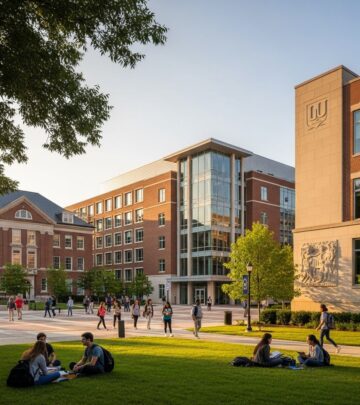
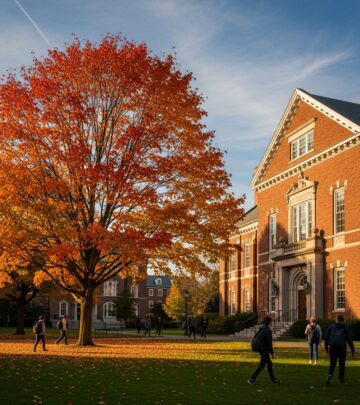
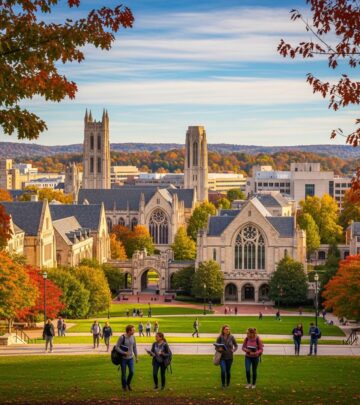
Johns Hopkins provides comprehensive resources supporting student learning, development, and well-being. The Homewood campus in Baltimore serves as the center of undergraduate life, featuring modern academic buildings, residence halls, athletic facilities, libraries, and recreational spaces. The university offers extensive extracurricular activities, including over 300 student organizations, club sports, and recreational programs that enhance student engagement and community building. These opportunities allow students to develop leadership skills, pursue intellectual interests, and build lasting friendships.
The academic support services at Johns Hopkins include writing centers, peer tutoring, academic coaching, and disability support services. The university recognizes that student success depends on comprehensive support addressing academic, social, and personal dimensions. Career services offices guide students through internship and job search processes, connecting them with employers and opportunities aligned with their academic preparation and career aspirations.
Frequently Asked Questions
Q: What is the acceptance rate at Johns Hopkins University?
A: Johns Hopkins maintains a highly selective admissions process. The university evaluates applicants holistically based on academic achievement, test scores, extracurricular involvement, and personal qualities. Specific acceptance rate data should be verified through the admissions office website for the most current information.
Q: Does Johns Hopkins offer financial aid to international students?
A: Johns Hopkins’ commitment to financial accessibility extends to qualified international students. The university meets demonstrated financial need for international applicants through need-based aid packages. Prospective international students should contact the financial aid office for specific information about aid availability.
Q: What are the most popular majors at Johns Hopkins?
A: Johns Hopkins offers a wide range of majors and programs. Popular areas of study include engineering, public health, medicine and health sciences, physical sciences, and business. Students can explore the full range of academic programs through the university’s academic departments and schools.
Q: Can students work while attending Johns Hopkins?
A: Yes, Johns Hopkins includes work-study opportunities as part of its financial aid packages. These part-time positions on and off campus allow students to earn money while gaining work experience. Many students successfully balance part-time work with their academic responsibilities.
Q: What support is available for first-generation college students?
A: Johns Hopkins offers specialized support services for first-generation students, including orientation programs, mentoring, academic advising, and financial literacy workshops. The university recognizes the unique needs of students whose families have not attended college and provides targeted resources to support their success.
Q: Does Johns Hopkins have housing for all four years?
A: Johns Hopkins guarantees housing for all undergraduate students through their four years of study. The university offers diverse housing options including residence halls, theme housing, and off-campus housing support, creating an engaged residential community.
Conclusion
Johns Hopkins University represents an exceptional choice for students seeking rigorous academic programs, research opportunities, and a commitment to affordability and accessibility. With a graduation rate of 81%, average financial aid of $66,000, and 80% of students graduating debt-free, Johns Hopkins combines academic excellence with meaningful financial support. The institution’s historic gifts dedicated to financial aid, distinguished faculty, and comprehensive student resources create an environment where talented students from all backgrounds can thrive. Whether pursuing undergraduate or graduate studies, students at Johns Hopkins join a community of scholars, researchers, and innovators committed to excellence, discovery, and making a positive difference in the world.
References
- Johns Hopkins University: Student Financial Support — Johns Hopkins University Office of Student Financial Services. 2025. https://sfs.jhu.edu
- Johns Hopkins University — Bloomberg Philanthropies. 2024. https://www.bloomberg.org/founders-projects/johns-hopkins-university/
- Johns Hopkins University Complete Profile — Money Magazine Best Colleges Rankings. 2025. https://money.com/best-colleges/profile/johns-hopkins-university/
- Institution Profile: Johns Hopkins University — How Colleges Spend Money. 2024. https://www.howcollegesspendmoney.com/institution/profile/johns-hopkins-university-162928
Similar Articles








Read full bio of Sneha Tete