Joe Jackson Death: Michael Jackson Will & Net Worth
Exploring Michael Jackson's will, estate distribution, and why Joe Jackson was excluded from inheritance.
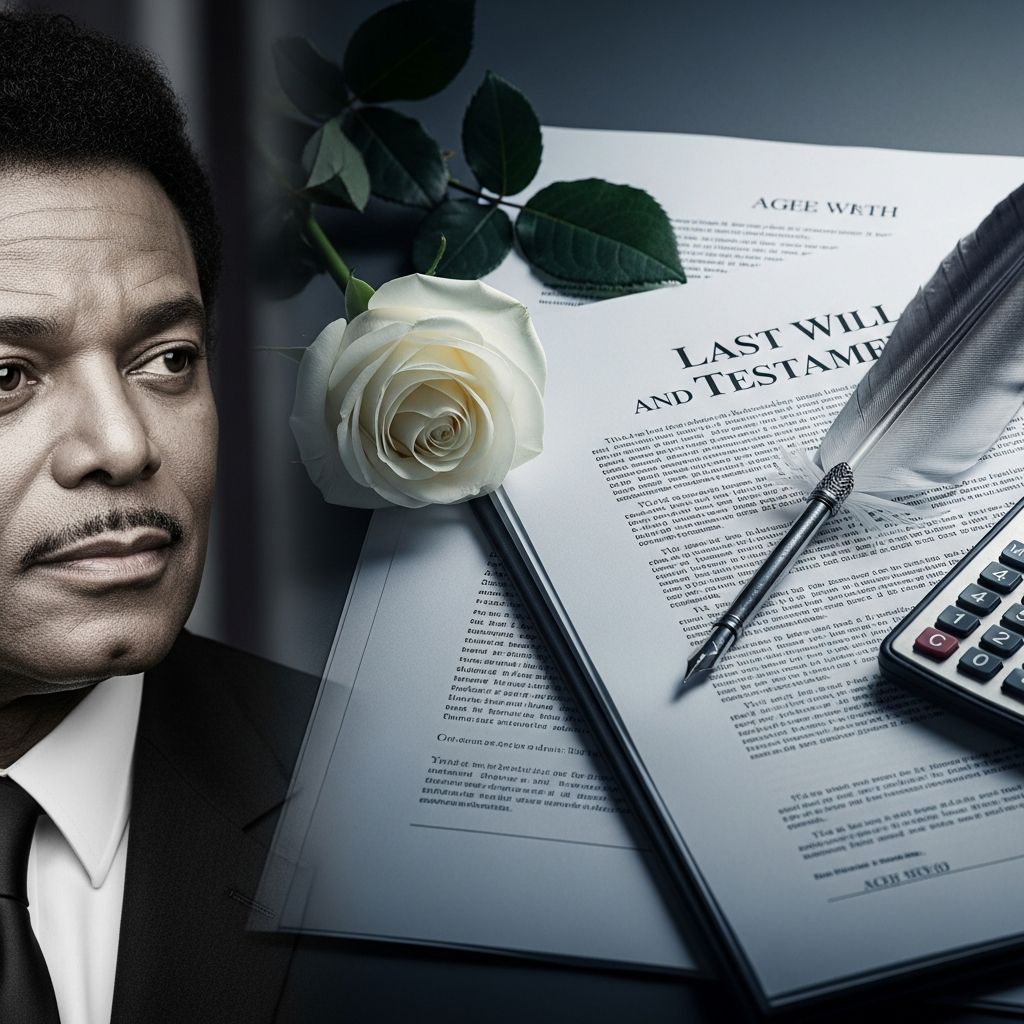
Michael Jackson’s Estate: Understanding the Will and Distribution
When Michael Jackson passed away on June 25, 2009, one of the most pressing questions surrounding his legacy involved the disposition of his vast wealth. The pop icon’s estate, valued at approximately $567.6 million in assets, represented one of the most significant celebrity inheritances in entertainment history. However, the distribution of this fortune proved to be far more complex and contentious than many observers anticipated, particularly regarding who would benefit from Jackson’s carefully orchestrated financial planning and who would be deliberately excluded from his legacy.
The specifics of Jackson’s intentions were outlined in documents that remained largely private, a strategic decision that allowed the legendary performer to maintain control over his financial narrative even after death. His will, filed on July 1, 2009, by attorney John Branca at the Los Angeles County courthouse, revealed a carefully considered distribution strategy that reflected Jackson’s personal relationships and priorities while notably excluding several family members, including his father Joe Jackson.
The Trust Structure and Asset Composition
Rather than leaving specific instructions in his will itself, Michael Jackson placed the details of his estate distribution in a separate trust document, a decision that proved legally and financially advantageous. This approach allowed Jackson to keep the specifics of his wishes private, as trusts do not require public disclosure unlike wills, which must be filed in courthouse records accessible to the public. Estate lawyer Andy Katzenstein explained that “in a trust you, the odds are it will never be made public and we’ll never what was in it.”
Jackson’s total assets consisted almost entirely of non-cash, non-liquid holdings. The largest component of his estate was his 50 percent stake in the Sony/ATV Music Publishing catalog, valued at approximately $390.6 million according to Associated Press analysis. This prestigious music catalog encompasses rights to over 750,000 songs, including compositions by The Beatles, Bob Dylan, Neil Diamond, Lady Gaga, and the Jonas Brothers. Additional assets included Neverland Ranch, his iconic California property, and various other investments and personal holdings.
Against these substantial assets, Jackson carried significant debts totaling approximately $331 million, resulting in a net worth of $236.6 million as of 2007, according to The Associated Press. These liabilities included mortgages, loans, and various financial obligations accumulated throughout his life. Despite these debts, Jackson’s estate remained extraordinarily valuable and would generate substantial posthumous income through royalties, music sales, and merchandise.
Estate Distribution: Who Received What
Michael Jackson’s will specified that his assets would be distributed according to specific percentages outlined in the Michael Jackson Family Trust. The distribution structure reflected his personal priorities and family relationships:
Katherine Jackson: 40 Percent of Assets
Michael Jackson’s mother, Katherine Jackson, was designated as the primary beneficiary of his estate, receiving 40 percent of all assets. Beyond financial benefits, Katherine was also granted custody of Michael’s three children—two sons and a daughter, aged 7 to 12 at the time of his death. This dual role as both financial beneficiary and guardian underscored Katherine’s central importance in Michael’s life and his trust in her judgment. The will specified that if Katherine were unable or unwilling to serve as guardian, singer and longtime Jackson family friend Diana Ross would assume custody of the children.
Michael’s Children: 40 Percent of Assets
The three children of Michael Jackson—Prince Michael Jackson, Paris Michael Katherine Jackson, and Michael Joseph Jackson Jr.—collectively inherited 40 percent of the estate. These funds were held in trust for their benefit until they reached the age of majority, ensuring their financial security throughout their lives. The designation of Jackson’s children as primary beneficiaries reflected his deep commitment to providing for their future and protecting their interests.
Charitable Donations: 20 Percent of Assets
The remaining 20 percent of Michael Jackson’s estate was designated for children’s charities to be named and specified at a later date. This charitable component demonstrated Jackson’s commitment to philanthropic causes and his desire to contribute to the welfare of children beyond his immediate family. The specific charities ultimately selected reflected Jackson’s values and interests in child welfare and education.
Notably Excluded Beneficiaries
Perhaps equally significant as those who inherited from Michael Jackson’s estate were those deliberately excluded. Jackson’s will conspicuously omitted several family members and former spouses, a strategic decision that reflected his personal and professional relationships at the time he executed the document.
Joe Jackson: Completely Cut Out
Michael Jackson’s father, Joe Jackson, received absolutely nothing from his son’s estate. This complete exclusion was not accidental or an oversight; rather, it reflected the troubled relationship between father and son. Joe Jackson, who had managed Michael’s early career with the Jackson 5, was deliberately shut out of any financial benefit from Michael’s solo success and accumulated wealth. The decision to exclude Joe entirely sent a powerful message about Michael’s feelings regarding their relationship and his father’s role in his life.
Siblings: No Inheritance
In addition to their father, Michael Jackson’s siblings received no financial benefit from his estate. Despite the close family ties that characterized the Jackson family entertainment dynasty, Michael specifically declined to include his brothers and sisters as beneficiaries. This decision meant that only his children and mother would benefit directly from his financial legacy among family members.
Debbie Rowe: Intentionally Omitted
Debbie Rowe, Michael Jackson’s ex-wife and biological mother of his first two children, was specifically named in the will with a statement that she had been “intentionally omitted” from receiving any portion of the estate. This explicit language removed any ambiguity about whether her exclusion was an oversight. The designation reflected the dissolution of their marriage and Jackson’s clear intent regarding her financial relationship to his estate.
Estate Administration and Management
The execution and administration of Michael Jackson’s estate was entrusted to two primary executors named in his will. Attorney John Branca and friend and record executive John McClain were confirmed by a Los Angeles judge on July 6, 2009, as the executors responsible for managing the estate. Barry Siegel, Jackson’s accountant, was also initially named but resigned from his trustee role in 2003, prior to Jackson’s death.
These executors faced the complex task of managing a diverse portfolio of assets, navigating legal challenges, and making strategic financial decisions on behalf of the estate. The administration proved to be a lengthy process, with media reports suggesting that the complete settlement of Jackson’s estate could take many years to finalize.
The Sony/ATV Catalog Sale and Valuation Disputes
One of the most significant developments in the administration of Michael Jackson’s estate involved the valuation and eventual sale of his stake in Sony/ATV Music Publishing. In September 2016, a landmark deal was finalized whereby Sony acquired Jackson’s 50 percent share of Sony/ATV from the Jackson estate for $750 million. This substantial transaction represented one of the largest music catalog acquisitions in history and provided immediate liquidity for the estate.
However, determining the value of Jackson’s assets proved contentious. The estate administrators and the IRS held dramatically different valuations of Jackson’s properties and rights. The estate argued that its total value was $5.1 million, while the IRS initially estimated the value at over $500 million, later reducing this estimate to $481.9 million. The IRS also proposed additional penalties totaling $197 million, including a gross valuation misstatement penalty.
Major disputes centered on the value of Jackson’s likeness, which the estate claimed was worth just over $2,000, while the IRS initially valued it at over $434 million. Additional controversies surrounded the valuation of Jackson’s interest in various trusts containing song rights, his share of Jackson 5 master recordings, and various other assets. In 2021, a Tax Court ruled in favor of the estate, determining that the estate’s total combined value was $111.5 million and valuing Jackson’s name and likeness at $4 million.
Posthumous Earnings and Financial Performance
Despite the complexities of administration and valuation, Michael Jackson’s estate has proven to be extraordinarily profitable in the years following his death. In 2016, Forbes estimated that Jackson’s estate earned an unprecedented $825 million, the highest yearly amount ever recorded for any celebrity. The majority of these earnings resulted from the sale of the Sony/ATV catalog, but ongoing royalties and licensing fees continue to generate substantial income.
By 2018, the estate’s annual earnings were estimated at $400 million, and the eighth year after Jackson’s death in which earnings exceeded $100 million brought the cumulative posthumous total to $2.4 billion. These extraordinary figures demonstrate the enduring commercial value of Michael Jackson’s musical legacy and the wisdom of his financial planning.
Why Trusts Remain Private
One of the most significant aspects of Michael Jackson’s estate planning involved his decision to place distribution details in a trust rather than specifying them directly in his will. This strategic choice provided important advantages. Wills must be filed in courthouse records and become public documents, subject to scrutiny and challenge. Trusts, by contrast, can remain entirely private, with the odds being “it will never be made public,” according to legal experts.
By using a trust, Jackson preserved his privacy and protected the specific details of his wishes from public knowledge. This approach has become standard practice among wealthy celebrities and high-net-worth individuals seeking to maintain confidentiality regarding their financial arrangements and personal preferences.
The Jackson Family Legacy
Michael Jackson’s will and estate distribution reflected his carefully considered priorities and personal relationships. The substantial inheritance provided to his mother Katherine and his three children ensured their financial security and comfort for decades. The charitable donations honored his commitment to child welfare causes. Meanwhile, the complete exclusion of his father Joe and other family members sent a clear message about his feelings regarding those relationships.
The administration of Jackson’s estate continues to generate headlines and demonstrate the enduring value of his musical contributions. The strategic asset allocation, including
Similar Articles








Read full bio of medha deb