What Job Titles Signify on the Organization Chart
Understand how job titles define roles, responsibilities, and hierarchy within organizational structures.

An organizational chart is far more than a simple diagram showing who works where. It is a strategic tool that communicates the structure, hierarchy, and relationships within a company. Job titles displayed on these charts serve as critical indicators of responsibility, authority, reporting relationships, and career progression. Understanding what these titles mean and how they function within the broader organizational context is essential for employees seeking career advancement, managers building effective teams, and organizations maintaining clarity in their operations.
The Importance of Job Titles in Organizational Structure
Job titles serve multiple critical functions within an organization. They communicate an employee’s role and responsibilities both internally and externally, helping team members understand who to approach for specific decisions or information. A well-structured hierarchy with clearly defined job titles ensures that leadership can delegate effectively, that employees understand their career paths, and that external partners can easily identify key decision-makers. Without clear job titles and descriptions, companies often experience inefficiencies, role overlaps, and confusion about decision-making authority.
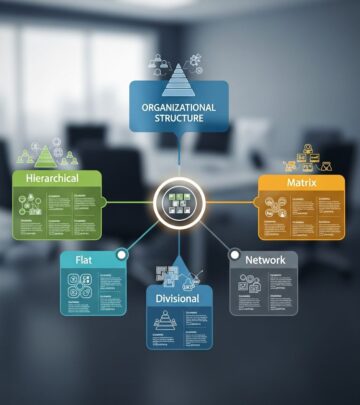
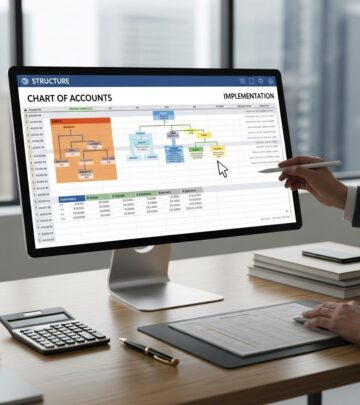
The organizational chart provides a visual representation of how different roles fit into the company’s structure, illustrating how various positions interact within departments and how leadership flows from senior management down to entry-level employees. This framework ensures every team member understands where they fit and who they report to, creating a roadmap for internal structures that supports both operational efficiency and employee satisfaction.
Understanding Business Title Hierarchy
Business titles are typically organized into distinct levels, each with specific responsibilities and authority levels. Understanding these levels helps employees navigate their careers and helps organizations maintain clear communication channels and reporting relationships. The traditional structure can be broken down into major tiers that form the foundation of most organizational charts.
Tier 1: Executive Leadership and the C-Suite
At the apex of the organizational hierarchy sits the C-Suite, which includes the highest-ranking leaders responsible for setting strategy and overseeing major corporate decisions. These executives are crucial in guiding the company’s vision, ensuring financial stability, and managing high-level risks. The titles in this tier indicate responsibility for the overall strategy and direction of the organization. In companies with multiple significant lines of business, chief officers are responsible for the success of their respective operational areas.
Key C-Suite positions include:
- Chief Executive Officer (CEO) – The highest-ranking leader responsible for overall strategy and company direction. The CEO typically manages all other C-level executives and often reports to the board of directors.
- Chief Operating Officer (COO) – Manages day-to-day operations, ensuring that business functions run efficiently. The COO is typically the second in the chain of command and usually oversees other executives.
- Chief Financial Officer (CFO) – Oversees financial planning, budgeting, and risk management, ensuring the organization’s financial health and sustainability.
- Chief Technology Officer (CTO) – Leads the company’s technological advancements and innovation, guiding digital transformation initiatives.
- Chief Marketing Officer (CMO) – Drives brand strategy, customer engagement, and marketing initiatives to enhance market position.
- Vice Presidents (VPs) – Senior leaders managing large-scale business areas such as Business Development, Sales, Product, and HR.
Tier 2: Middle Management
Below the C-Suite, most companies employ a traditional hierarchy of Vice Presidents, Directors, and Managers. These positions represent middle management, which serves as the critical link between senior executives and individual contributors. Middle managers are semi-executive positions responsible for leading teams of employees and ensuring their productivity aligns with the organization’s goals.
Common Tier 2 positions include:
- Vice Presidents (VPs) – Manage the Directors and oversee specific business functions or departments.
- Director of Operations – Focuses on optimizing internal processes and improving operational efficiency.
- Director of Sales – Oversees revenue growth and sales team performance, establishing strategies for market expansion.
- Director of Marketing – Develops brand strategy and market positioning to enhance competitive advantage.
- General Manager – Manages overall operations of a specific division or department.
- Supervisor – Provides direct oversight of individual contributors and junior staff members.
- Assistant Manager – Supports the manager in day-to-day operations and team development.
The distinction between roles at this level is important. For example, a Sales Manager ensures their team meets sales goals and provides immediate oversight, whereas a VP of Business Development might focus on expanding market reach and forming strategic partnerships. This distinction highlights the different scopes of responsibility at various levels of the organizational hierarchy.
Tier 3: Individual Contributors and Entry-Level Roles
At the foundation of the hierarchy sit individual contributors, who are responsible for executing daily tasks that drive the company forward. These roles are essential for keeping business operations running smoothly and represent the largest group within most organizations. Individual contributor job titles often vary by department and typically include a qualifier word such as department designation or specialization level.
Common individual contributor and specialist roles include:
- Marketing Coordinator – Assists in campaign execution and content creation under the direction of senior marketing staff.
- Sales Associate – Works under the Sales Manager to generate leads and close deals, contributing directly to revenue generation.
- Customer Support Representative – Handles client inquiries and ensures customer satisfaction, serving as the company’s frontline interface with clients.
- Analyst (Financial, Data, etc.) – Provides insights and analysis to support company decision-making across various departments.
- Associate – Entry-level position assisting senior staff and learning organizational processes.
Job Title Structure and Components
An effective job title should communicate clearly what a person does and at what level they operate within the organization. The ideal job title structure incorporates multiple components that provide clarity and consistency across organizational units.
The Standard Title Structure: Rank + Title + Expertise
For example, “Senior Specialist Finance” or “Senior Controller” provides immediate understanding of the person’s seniority level, their general role, and their area of expertise. This structured approach ensures consistency across departments and makes career progression clear to employees.
Common rank prefixes include:
- Junior (Jr.) – Entry-level positions requiring mentoring and development
- Intermediate or Standard – Mid-level positions with moderate independence
- Senior (Sr.) – Experienced positions with significant responsibility and expertise
- Lead – Positions with leadership responsibilities over projects or teams
- Principal – Expert-level positions with organizational influence
How Job Titles Impact Career Progression
Understanding the hierarchical structure of job titles is crucial for career planning and development. Clear job titles create defined career paths that employees can follow as they advance within the organization. An employee might progress from Sales Associate to Sales Manager to Director of Sales to VP of Sales, with each step representing increased responsibility, authority, and compensation.
Organizations that maintain clear title progression also benefit from simplified succession planning, as it becomes easier to identify and develop future leaders. However, this structured approach can sometimes create silos that limit collaboration across departments, which is why many modern organizations are experimenting with matrix structures that maintain clarity while enabling greater cross-functional teamwork.
Organizational Chart Variations by Industry
While the general hierarchy of job titles remains consistent across most industries, specific titles and structures vary based on industry needs and organizational size. A construction company’s hierarchy chart, for instance, typically starts with executives like the Owner or CEO, followed by department heads in Operations, Finance, and HR, with project-level roles such as Project Managers, Site Supervisors, Engineers, and Foremen managing daily work and ensuring safety compliance.
Technology companies might emphasize technical leadership roles like Engineering Directors and Principal Engineers, while financial institutions might highlight compliance and risk management positions. Healthcare organizations often incorporate clinical hierarchies alongside administrative structures. These variations reflect each industry’s unique operational requirements and strategic priorities.
Building and Maintaining Effective Organizational Charts
Creating an accurate and effective organizational chart requires careful planning and attention to detail. Organizations should start at the top of the chain of command with their founder and C-Suite, then move down to department leaders, managers, and other staff. The chart should include outsourced roles like freelancers or contractors and group roles by team for clarity.
To maintain clarity and effectiveness, organizations should:
- Avoid overcomplexity by limiting the number of reporting relationships each manager oversees
- Ensure all job descriptions align with titles and clearly outline responsibilities
- Include all relationships for employees who report to multiple supervisors in matrix structures
- Keep the chart updated as organizational changes occur
- Use consistent formatting and title structures across all departments
The Role of Job Descriptions
Each position in a company should have a well-crafted job description that outlines the role’s expectations, required skills, and reporting relationships. A comprehensive job description works in tandem with the job title to communicate what someone actually does in their role. While the title indicates hierarchy and general function, the job description provides specific responsibilities, performance metrics, and qualifications required for the position.
Effective job descriptions help prevent role overlap, clarify decision-making authority, and provide employees with clear expectations. They also serve as valuable tools for recruitment, onboarding, and performance evaluation.
Modern Trends in Job Titling
As organizations evolve, so do job titles and organizational structures. Some companies are moving away from traditional hierarchies toward flatter structures with fewer management layers, while others are adopting matrix organizations that allow employees to report to multiple managers. Some organizations are creating specialized titles like “Principal Engineer” or “Distinguished Contributor” to retain and reward expert-level employees without requiring them to move into management roles.
Remote work and distributed teams have also influenced how organizations structure titles and organize their charts, with some companies emphasizing collaborative titles that reflect cross-functional responsibilities rather than traditional departmental silos.
Frequently Asked Questions
Q: What is the difference between a Manager and a Director?
A: Managers typically oversee individual contributors and handle day-to-day operational decisions within their teams. Directors manage multiple managers and departments, focusing on strategic planning and broader organizational goals. Directors have a wider scope of authority and responsibility than managers.
Q: Why do different companies use different job titles for similar roles?
A: Job titles vary based on industry practices, company size, organizational structure, and strategic priorities. What one company calls a “Coordinator” another might call an “Associate” or “Specialist.” This variation reflects different approaches to organizational design and hierarchy.
Q: How many management layers should an organization have?
A: There is no universal standard, but most organizations benefit from 3-6 levels of hierarchy, depending on company size. Very flat organizations with fewer than 3 levels may lack clear career progression, while excessively hierarchical organizations with more than 6 levels can suffer from slow communication and decision-making.
Q: Can job titles impact salary expectations?
A: Yes, job titles significantly influence salary expectations and external market positioning. A “Senior Analyst” typically commands higher compensation than an “Analyst,” reflecting their increased experience and responsibility.
Q: What is the purpose of an organizational chart?
A: Organizational charts provide a visual representation of company structure, showing reporting relationships, chains of command, and how different roles interact. They help employees understand where they fit, clarify decision-making authority, and facilitate communication and coordination across the organization.
Q: Should job titles accurately reflect actual responsibilities?
A: Absolutely. When job titles don’t align with actual responsibilities, it creates confusion, role overlap, and can harm employee morale. Job titles should accurately communicate both the level and function of the position.
References
- Decoding Business Title Hierarchy: What You Need to Know — Voltage Control. 2025. https://voltagecontrol.com/articles/decoding-business-title-hierarchy-what-you-need-to-know/
- Job Titles: The Definitive Guide — Ongig. 2025. https://www.ongig.com/job-titles
- Job Title Structure — Gradar. 2025. https://www.gradar.com/en-us/job-architecture/job-titles
- A Guide to Executive Business Titles: Meanings and Hierarchy — Indeed Career Advice. 2025. https://www.indeed.com/career-advice/resumes-cover-letters/executive-business-position-titles
- Hierarchy Chart of a Company: What It Is & How to Build One — The Org Chart. 2025. https://theorgchart.com/hierarchy-chart-of-a-company/
- Organizational Chart — MyDraw. 2025. https://www.mydraw.com/diagrams-organizational-chart
- Scalable Job Titles: The Key to a Working Org Chart — TRS Timson. 2025. https://www.trstimson.com/scalable-job-titles-org-chart/
Similar Articles








Read full bio of medha deb