Job Interview Answers About Your Abilities
Master interview questions about your abilities with strategic answers and examples.

Job Interview Answers to Questions About Your Abilities
When preparing for a job interview, one of the most important areas to prepare for involves questions about your abilities. Employers want to understand what you can do, how you handle challenges, and what skills you bring to their organization. Your answers to ability-focused questions can significantly impact whether you land the job. This comprehensive guide will help you craft compelling responses that showcase your strengths while remaining honest and authentic.
Understanding Ability-Based Interview Questions
Ability-based interview questions are designed to assess your competencies, skills, and how you apply them in real-world situations. These questions go beyond simply listing your qualifications; they require you to demonstrate through concrete examples how you use your abilities to achieve results. Employers ask these questions because they want to predict your future performance based on past behavior and demonstrated capabilities.
The key to answering these questions effectively is to move beyond generic statements and provide specific, measurable examples from your professional experience. Whether you’re discussing problem-solving abilities, communication skills, or technical expertise, concrete examples make your answers more credible and memorable.
Common Questions About Your Abilities
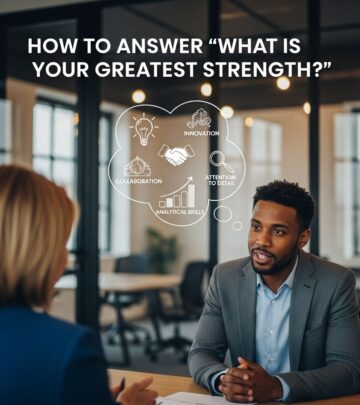
What Are Your Greatest Strengths?
This is one of the most frequently asked interview questions, and it directly addresses your abilities. Rather than listing a long string of qualities, focus on two or three strengths that are most relevant to the position you’re seeking.
How to answer:
– Identify strengths that align with the job description- Provide specific examples of how you’ve used these strengths- Explain the positive impact your strengths have had on your work- Keep your answer concise and relevant
Example answer:
“One of my greatest strengths is my ability to manage multiple projects simultaneously while maintaining attention to detail. In my current role as a project manager, I’ve successfully coordinated three major initiatives at once, ensuring all deadlines were met and quality standards were exceeded. Another strength is my analytical capability—I use data-driven approaches to solve complex problems and make informed decisions that benefit the organization.”
Can You Describe Your Problem-Solving Abilities?
Employers want to know how you approach challenges and work through difficult situations. This question reveals your critical thinking skills, resourcefulness, and perseverance.
How to answer:
– Walk through your systematic approach to problem-solving- Include the specific problem you encountered- Explain the steps you took to identify and resolve the issue- Highlight the positive outcomes and what you learned
Example answer:
“I approach problem-solving by first thoroughly analyzing the situation to identify root causes rather than just treating symptoms. When our team experienced declining productivity due to inefficient workflows, I collected data on where bottlenecks existed. I then collaborated with team members to brainstorm solutions, evaluated the most promising options, and implemented a new process management system. This resulted in a 25% productivity increase within three months. I’ve learned that involving stakeholders in the problem-solving process often leads to better, more sustainable solutions.”
How Do You Handle Stress and Pressure?
This question assesses your emotional resilience and coping mechanisms. Employers want to ensure you can maintain composure and productivity in demanding situations.
How to answer:
– Describe specific techniques you use to manage stress- Mention how you maintain perspective and stay focused- Provide an example of successfully handling pressure- Show self-awareness about your stress management strategies
Example answer:
“I handle stress by maintaining a structured approach to my work and breaking large projects into manageable tasks. During a critical product launch with a compressed timeline, I organized daily check-ins with my team to monitor progress and address issues immediately. I also prioritize breaks and physical activity to maintain my mental clarity. Rather than viewing pressure as negative, I channel it into motivation. This mindset helped me deliver the project on time despite the challenging circumstances.”
Describe Your Organizational and Time Management Abilities
Strong organizational skills are valuable in virtually every role. This question assesses whether you can juggle multiple responsibilities and meet deadlines consistently.
How to answer:
– Explain your system for organizing tasks and priorities- Mention specific tools or techniques you use- Discuss how you adapt when priorities change- Provide concrete examples of successful project management
Example answer:
“I use a combination of digital tools and proven methodologies to manage my time effectively. I leverage project management software like Asana to track tasks, and I use the Eisenhower Matrix to prioritize activities based on urgency and importance. Each morning, I review my priorities and adjust my schedule as needed. During my tenure as an executive assistant, I successfully managed schedules for five executives while coordinating dozens of meetings, reports, and projects monthly. My attention to detail and systematic approach ensured nothing fell through the cracks.”
What Are Your Communication Abilities?
Communication skills are critical in almost every workplace. Employers want to know if you can express ideas clearly, listen effectively, and adapt your communication style to different audiences.
How to answer:
– Highlight both written and verbal communication skills- Provide examples of effective communication outcomes- Mention your ability to tailor communication to different audiences- Discuss active listening as part of your communication ability
Example answer:
“Strong communication is fundamental to my professional success. I’ve developed the ability to explain complex technical concepts to both technical and non-technical audiences. In my current role, I regularly present findings to executive leadership and have received positive feedback for my clarity and engaging presentation style. I’m also an active listener who asks clarifying questions to ensure mutual understanding. This ability has helped me build strong working relationships and resolve conflicts effectively by ensuring all parties feel heard.”
Tell Me About Your Leadership Abilities
Even if you’re not applying for a management position, demonstrating leadership ability is valuable. This shows you can take initiative, influence others, and drive results.
How to answer:
– Define leadership beyond formal titles- Share examples of when you led by influence or initiative- Demonstrate your ability to motivate and develop others- Show how your leadership benefits the organization
Example answer:
“Leadership for me means taking ownership of results and inspiring others to achieve excellence. While I don’t currently have a formal management title, I’ve demonstrated leadership by spearheading our department’s adoption of new collaboration tools. I led the training sessions, addressed resistance to change, and motivated the team to embrace the new system. Within weeks, team members recognized the benefits in improved efficiency and communication. I believe effective leadership is about setting an example, empowering others, and delivering on commitments.”
Strategies for Answering Ability Questions Effectively
Use the STAR Method
The STAR method (Situation, Task, Action, Result) is an excellent framework for answering behavioral questions about your abilities. This structure ensures your answer is clear, specific, and demonstrates measurable outcomes.
Quantify Your Achievements
Whenever possible, include numbers and metrics in your answers. Instead of saying “I improved efficiency,” say “I improved efficiency by 30%.” Quantifiable results are more convincing and memorable.
Align Abilities with Job Requirements
Before your interview, carefully review the job description and identify the key abilities they’re seeking. During the interview, make sure your examples highlight relevant abilities that match their requirements.
Be Honest About Limitations
While focusing on your strengths, don’t claim abilities you don’t possess. If asked about a skill you lack, acknowledge it and explain what you’re doing to develop it. This demonstrates self-awareness and commitment to growth.
Mistakes to Avoid When Discussing Your Abilities
When answering questions about your abilities, be mindful of these common pitfalls:
– Being too vague: Avoid generic statements like “I’m a hard worker.” Instead, provide specific examples.- Over-exaggerating: Dishonesty will undermine your credibility if discovered later.- Focusing only on technical skills: Balance technical abilities with soft skills like communication and teamwork.- Failing to prepare: Prepare multiple examples showcasing different abilities before your interview.- Speaking for too long: Keep your answers concise—typically 1-2 minutes maximum.- Using jargon unnecessarily: Ensure your interviewer understands your explanation.
Preparing for Your Interview
Effective preparation is crucial for confidently answering questions about your abilities. Start by conducting a thorough self-assessment of your core competencies and strengths. Write down specific examples from your professional experience where you’ve successfully applied these abilities. Focus on achievements, projects, and challenges you’ve overcome.
Next, research the company and the position. Identify the key abilities they’re seeking based on the job description and company values. Practice your answers out loud, as this helps you refine your phrasing and builds confidence. Consider asking a trusted colleague or mentor to conduct a mock interview with you.
Finally, prepare thoughtful questions about the role and company. Asking relevant questions demonstrates engagement and shows you’ve thoughtfully considered whether this position aligns with your abilities and career goals.
Frequently Asked Questions
Q: How many abilities should I highlight in an interview?
A: Focus on three to five key abilities that are most relevant to the position. This gives you enough material to discuss without overwhelming the interviewer. Quality is more important than quantity—provide strong examples for each ability rather than listing many superficial ones.
Q: Should I mention weaknesses when discussing my abilities?
A: If directly asked about weaknesses, acknowledge one and explain how you’re working to improve it. This shows self-awareness and commitment to professional development. However, don’t voluntarily bring up weaknesses—focus primarily on your strengths.
Q: How do I answer if I don’t have direct experience with a required ability?
A: Explain your related experience and how it has prepared you to develop this ability. Discuss your willingness to learn and provide examples of how you’ve quickly developed new skills in the past. Emphasize transferable skills that demonstrate your capability to master this new ability.
Q: What if my greatest strength isn’t directly related to the job?
A: While you should prioritize job-relevant strengths, if a different strength is truly your greatest, explain how it contributes to your effectiveness in this role. For example, strong public speaking might support success in a research role through better presentation of findings.
Q: How should I handle questions about abilities in areas where I’m developing?
A: Be honest about your current proficiency level while demonstrating commitment to growth. Share concrete examples of steps you’re taking to improve, such as courses you’re taking, mentors you’re learning from, or projects that are helping you develop this ability.
Q: Should my answers be the same for every interview?
A: While your core abilities remain consistent, customize your examples and emphasis based on each position. Research the specific company and role, then tailor your answers to highlight the abilities most important to them. This demonstrates genuine interest and thoughtful preparation.
References
- The 25 Most Common Skills Interview Questions You Need to Know — Final Round AI. 2025. https://www.finalroundai.com/blog/skills-interview-questions
- 50 Interview Questions About Skills (With Answers) — Huntr. 2025. https://huntr.co/interview-questions/skills
- 12 Skills-Based Interview Questions (With Sample Answers) — Indeed Career Advice. 2025. https://www.indeed.com/career-advice/interviewing/skills-based-interview-questions
- Top 10 Interview Questions And Sample Answers — Hire Heroes USA. 2025. https://www.hireheroesusa.org/top-10-interview-questions-sample-answers/
- 60+ Most Common Interview Questions and Answers — The Muse. 2025. https://www.themuse.com/advice/interview-questions-and-answers
Similar Articles








Read full bio of medha deb