Italy Travel Insurance Guide: Coverage Requirements
Understand Italy travel insurance requirements, coverage options, and protection strategies for your trip

Planning a trip to Italy requires careful consideration of multiple factors, and one aspect that deserves significant attention is securing appropriate travel insurance coverage. Whether you’re visiting the Amalfi Coast, exploring Venice’s canals, or enjoying Rome’s historic sites, understanding the insurance landscape will help you travel with confidence and financial security.
Determining Your Travel Insurance Obligations
The question of whether you need travel insurance for Italy depends largely on your citizenship and visa status. United States citizens traveling to Italy for stays under 90 days do not face a legal requirement to purchase travel insurance for entry into the country. However, this does not mean insurance is unnecessary or unimportant for American travelers.
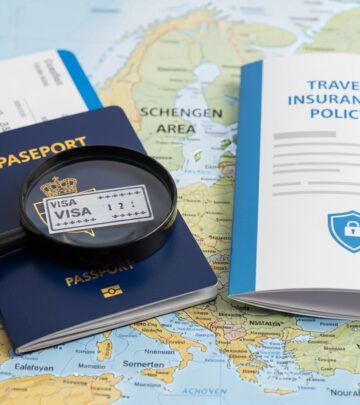
The situation becomes different if you are a citizen of a country outside the Schengen Area and require a visa to enter Italy. In these circumstances, travel insurance transitions from a recommendation to a mandate. Schengen visa applicants must demonstrate proof of valid travel insurance before their visa applications receive approval. This mandatory requirement reflects European Union policies designed to protect both travelers and host countries from unexpected medical and financial complications.
Citizens of visa-exempt countries may also encounter situations where travel insurance becomes necessary. If you are traveling as part of an organized group, participating in a structured tour program, or traveling on behalf of an employer, the sponsoring organization may require proof of insurance coverage. These internal requirements differ from official government mandates but carry equal importance for your travel plans.
Minimum Coverage Standards for Schengen Visa Requirements
When travel insurance is mandatory for visa purposes, European authorities establish specific minimum coverage thresholds. Policies must provide at least €30,000 in medical coverage, equivalent to approximately $34,000 USD. This coverage floor ensures that travelers possess adequate financial resources for emergency situations.
The €30,000 minimum must encompass several critical components:
- Medical emergency treatment for acute illnesses or injuries requiring immediate intervention
- Hospital inpatient care if emergency treatment necessitates hospitalization
- Medical evacuation services for transportation to appropriate treatment facilities
- Repatriation of remains in the unlikely event of traveler death during the trip
These specific requirements exist because Italy’s public healthcare system serves primarily its citizens and permanent residents. Tourists cannot access publicly funded medical care without private insurance coverage. By requiring proof of adequate insurance, Schengen countries protect individual travelers from catastrophic out-of-pocket medical expenses while ensuring that visitor medical costs do not burden public health resources.
Coverage Scope for American and Visa-Exempt Travelers
Although travel insurance remains optional for American citizens and other visa-exempt travelers, experts strongly recommend purchasing comprehensive coverage. Italy’s healthcare system does not recognize or reimburse foreign insurance plans, including Medicare and standard U.S. health insurance policies. This creates a significant financial vulnerability for uninsured travelers.
Medical expenses in Italy can escalate rapidly. An emergency room visit, diagnostic imaging, or brief hospitalization can easily cost thousands of dollars. Without proper insurance, you assume complete financial responsibility for these expenses. Travel insurance addresses this vulnerability by providing designated medical coverage for situations arising during your vacation.
Industry experts recommend that American travelers select policies providing at least $50,000 in emergency medical coverage. For evacuation scenarios—such as requiring transport to a specialized medical facility in another European country—policies should ideally include $100,000 in evacuation coverage. These higher limits provide robust protection against worst-case scenarios while remaining affordable through standard travel insurance products.
Core Coverage Components in Travel Policies
Travel insurance policies for Italian vacations typically encompass two primary coverage categories, though most comprehensive plans blend elements of both.
Travel Medical Insurance Components
This category addresses health-related expenses occurring during your trip. Coverage typically includes emergency medical treatment, hospital stays, dental emergencies for pain relief, prescription medications obtained abroad, and medical evacuation if necessary. Some policies extend coverage to pre-existing medical conditions if you purchase insurance within a specified timeframe after your initial trip deposit.
Trip Protection Elements
This component safeguards your financial investment in the vacation itself. Trip cancellation coverage reimburses up to 100% of prepaid, non-refundable trip costs if you must cancel before departure due to covered reasons. Trip interruption coverage provides similar protection if you must return home early, often reimbursing up to 150% of unused travel expenses to cover return transportation costs.
Additional trip protection features commonly include:
- Lost luggage and baggage delay reimbursement for clothing and necessities while awaiting delayed bags
- Travel delay coverage providing daily allowances after significant delays, typically $100-$200 per day following 6-12 hour delays
- Missed connection protection covering rebooking fees and accommodation if you miss a scheduled flight or transfer
- Itinerary change reimbursement for non-refundable activities or accommodations you cannot use
Special Considerations for Adventure Activities
Italy offers diverse recreational opportunities ranging from skiing in the Dolomites to scuba diving along the Amalfi Coast and rock climbing in various mountain regions. Standard travel insurance policies typically exclude injuries sustained during high-risk or adventure sports activities. If you plan to participate in skiing, scuba diving, mountaineering, or similar activities, your policy must include adventure sports riders or activity-specific add-ons.
These supplemental coverages are not expensive, often costing only 10-15% more than base policies. However, they represent critical additions for active travelers. Without adventure sports coverage, injuries occurring while skiing or diving would fall outside policy protections, leaving you responsible for all medical and evacuation costs.
Factors Influencing Travel Insurance Costs
Travel insurance premiums vary significantly based on multiple personal and trip-specific factors. Understanding these variables helps you anticipate costs and select appropriate coverage levels.
Traveler age represents one of the most significant cost determinants. Premiums increase substantially for travelers over 65, with older age groups paying significantly higher rates reflecting increased probability of health complications during travel.
Trip duration directly impacts premium calculations. Longer Italian vacations require more extended coverage periods, resulting in higher overall costs. A two-week vacation costs more to insure than a five-day trip, though the per-diem rate may decrease for longer trips.
Coverage limits selected influence premium amounts considerably. Policies providing $50,000 in medical coverage cost less than policies offering $100,000 in coverage, though the price difference is usually modest. Cancel-for-Any-Reason riders, which provide flexibility to cancel for non-traditional reasons beyond covered events, increase premiums by 10-20% but offer valuable flexibility for uncertain travel situations.
Understanding Coverage Exclusions and Limitations
Travel insurance policies maintain specific exclusions protecting insurers from covering predictable or self-inflicted risks. Pre-existing medical conditions typically receive limited or no coverage unless you purchase insurance within 14-21 days of your initial trip deposit. Claims related to alcohol or drug intoxication usually remain excluded.
Claims arising from travel to destinations with government travel warnings may face exclusion or coverage limitations. Participation in illegal activities, professional sports participation, or high-risk expeditions fall outside standard coverage. Carefully reviewing your specific policy’s exclusions ensures you understand protection boundaries and can make informed decisions about supplemental coverage needs.
Evaluating Your Personal Protection Needs
| Traveler Profile | Recommended Coverage | Priority Focus |
|---|---|---|
| Budget travelers under 65 | $50,000 medical / $100,000 evacuation | Medical emergencies, evacuation |
| Adventure activity participants | $50,000 medical + adventure rider | Activity-specific injuries, evacuation |
| Travelers over 65 | $50,000+ medical with pre-existing coverage | Medical conditions, evacuation, trip cancellation |
| Schengen visa applicants | Minimum €30,000 (€50,000+ recommended) | Mandatory compliance, evacuation |
| Group tour participants | As required by tour operator + personal selection | Group-specific requirements plus individual needs |
Navigating Upcoming Travel Authorization Requirements
Prospective travelers should be aware of evolving European entry requirements affecting future Italy visits. The European Travel Information and Authorization System (ETIAS) will become mandatory for visa-exempt travelers starting in late 2026. This new system functions similarly to the U.S. ESTA program, requiring advance authorization from all eligible travelers regardless of visa exemption status.
While ETIAS itself differs from travel insurance, both will eventually become routine requirements for European travel. Planning ahead and understanding both systems helps streamline your travel preparation and prevents last-minute complications.
Frequently Asked Questions
Do I absolutely need travel insurance if I hold a U.S. passport?
Legal requirements do not mandate travel insurance for U.S. citizens visiting Italy for stays under 90 days. However, practical realities make insurance highly advisable. Italy’s healthcare system excludes tourists, and emergency medical costs often exceed $10,000. Insurance provides essential financial protection against scenarios that could otherwise devastate your finances.
What happens if I travel to Italy without travel insurance?
You remain personally liable for all medical, evacuation, and related expenses. A single emergency room visit can cost €2,000-€5,000, while medical evacuation to your home country may exceed €100,000. Without insurance, you pay these costs directly from personal funds.
Can I use my regular health insurance while traveling in Italy?
Standard U.S. health insurance, including Medicare, does not provide coverage in Italy. You must carry dedicated travel insurance or international health insurance to receive medical reimbursement. Contact your insurance provider directly to confirm your specific policy’s international coverage capabilities before departing.
Are travel insurance policies different for visa applicants?
Visa-required policies must meet specific Schengen minimum standards (€30,000 medical coverage with evacuation and repatriation components). These mandatory policies often exceed basic coverage requirements, providing solid protection even after visa approval. Many travelers maintain mandatory visa insurance for the duration of their trip rather than purchasing separate policies.
How far in advance should I purchase travel insurance?
Purchase insurance as soon as you’ve booked your flight and accommodations. This timing ensures you qualify for pre-existing condition waivers if applicable and establishes coverage from your departure point. Most policies take effect 24 hours after purchase, so purchasing immediately after booking provides comprehensive protection from the moment you leave home.
References
- Italy Travel Requirements in 2026: What Has Changed? — Insurte. 2026. https://insurte.com/travel-guide/italy-travel-requirements
- Travel Insurance for Italy and Safety Tips for Visitors — International Insurance. 2025. https://www.internationalinsurance.com/countries/italy/travel-insurance/
- Italy Travel Insurance: Plans & Prices (2026) — Squaremouth. 2026. https://www.squaremouth.com/resources/destinations/italy
- Do Americans Need Travel Insurance for Italy? Is It Required? — Visitors Coverage. 2026. https://www.visitorscoverage.com/do-americans-need-travel-insurance-italy/
- Italy Travel Advisory — U.S. Department of State. 2026. https://travel.state.gov/en/international-travel/travel-advisories/italy.html
Similar Articles








Read full bio of Sneha Tete