Is Shopping Online Really Cheaper Than In-Store?
Discover the truth about online vs in-store prices and learn smart shopping strategies.
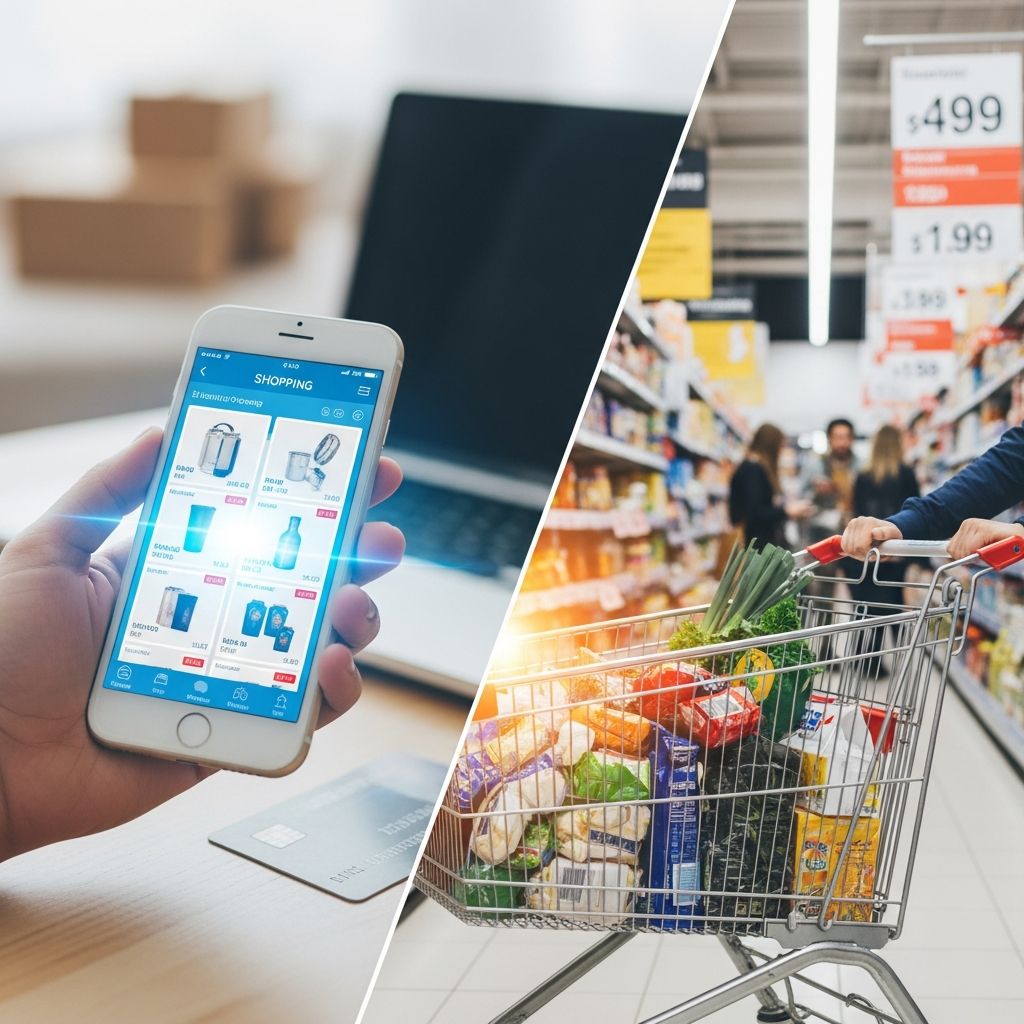
The question of whether shopping online is truly cheaper than purchasing items in physical stores has become increasingly relevant in today’s retail landscape. Many consumers assume that online shopping automatically offers lower prices, but the reality is far more nuanced. The actual answer depends on several factors, including the type of retailer, the product category, shipping costs, and how actively you compare prices across channels.
Research shows that online and offline prices are often closer than consumers might expect. A comprehensive study by the American Economic Association found that retail prices for items purchased through a retailer’s website are the same as they would be at a brick-and-mortar store approximately 72 percent of the time. When prices do differ, the gap tends to be relatively small, with online prices averaging about 1 percent less expensive overall. This surprising finding challenges the common misconception that shopping online automatically means paying less.
The Pricing Reality Across Different Retailers
Not all retailers approach online and offline pricing the same way. The variation in pricing strategies differs significantly depending on both the retailer type and the product category being sold.
High Consistency Categories
Electronics and clothing retailers maintain nearly identical prices across online and offline channels approximately 83 to 92 percent of the time. These sectors have embraced price transparency, likely due to the competitive nature of their markets and the ease with which consumers can compare prices using mobile devices in physical stores. When you’re shopping for a television or a sweater, you can expect largely consistent pricing whether you buy online or in-store.
Low Consistency Categories
Drugstores and office-supply retailers show the most significant pricing differences between channels. Office-supply stores maintain identical prices only 25 percent of the time, while drugstores keep prices the same just 38 percent of the time. These retailers often operate their online and offline channels more independently, treating them as separate businesses with different pricing strategies. Convenience-focused stores like CVS and Walgreens, for instance, may charge higher prices to in-store customers who are making quick convenience purchases.
Mixed Results in Supermarkets
Food retailers present another interesting case, with identical prices occurring just slightly more than half the time. This variation reflects different customer behavior patterns—consumers purchasing groceries typically make quick trips to the nearest store and are less likely to research alternative pricing options online compared to shoppers buying higher-ticket items.
Geographic Variations in Online Pricing
Pricing consistency also varies significantly by country. In Canada and the United Kingdom, online and in-store prices match 91 percent of the time, representing the highest level of price uniformity. The United States falls closer to the average at 69 percent identical pricing. Brazil shows the lowest consistency, with online and in-store prices matching only 42 percent of the time. These international differences reflect varying levels of market competition, internet adoption rates, and regulatory environments across different regions.
Why Prices Differ Between Channels
Several factors explain why retailers sometimes charge different prices online versus in-store:
Market Competition and Convenience
The primary driver of price differences is the level of competitive pressure within each category. For convenience items like milk or over-the-counter medications, customers typically don’t comparison shop online—they simply run to the nearest store when they need something. Without this competitive pressure, retailers have less incentive to keep prices identical across channels. However, for high-involvement purchases like electronics, customers actively use smartphones to compare prices even while standing in physical stores, forcing retailers to maintain price parity.
Channel Management Strategies
Some retailers deliberately manage their online and offline channels as separate profit centers. Office-supply stores, for example, sometimes price products independently online and offline without coordination, resulting in significant discrepancies. This siloed approach reflects outdated retail thinking that treats e-commerce and physical retail as entirely separate businesses rather than integrated shopping channels.
Dynamic Pricing and Personalization
While dynamic pricing—where retailers adjust prices based on a shopper’s browsing habits or location—is theoretically possible online, research shows it’s not a significant factor in current pricing strategies. Most major retailers have found that maintaining transparent, consistent pricing builds customer trust and loyalty more effectively than algorithmic price manipulation.
The Hidden Costs of Online Shopping
Beyond comparing base prices, consumers must factor in additional costs associated with online shopping. Shipping fees, handling charges, delivery insurance, and minimum order thresholds can substantially increase the final cost of online purchases. Free shipping offers often apply only to orders above a certain amount, effectively raising the price for smaller purchases. These hidden costs can easily eliminate any price advantage online shopping might offer.
In-store shopping, by contrast, eliminates these additional fees entirely. You purchase what you need at the displayed price without worrying about shipping surcharges or delivery timeframes. For time-sensitive purchases or small orders, this advantage can be significant.
Smart Shopping Strategies for Maximum Savings
Price Matching Policies
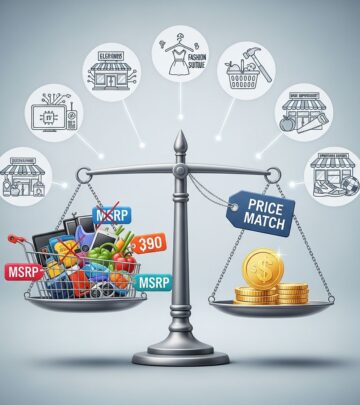
Many retailers offer price-matching policies that allow you to purchase items in-store at the lower online price if you can demonstrate the price difference. This strategy gives you the best of both worlds: the convenience of immediate in-store purchase combined with the savings of online pricing. Always check whether your retailer offers this service and keep screenshots or links to online prices as evidence.
Compare Before You Buy
Use your smartphone to compare prices between the retailer’s website and physical store while shopping. This simple practice takes only minutes and can reveal significant savings, especially in categories where price differences are more common, such as drugstores and office supplies. Many stores will match their own prices if you bring up the discrepancy at checkout.
Understand Promotional Mechanics
Be aware of how discounts and promotions are applied. Stacking coupons with loyalty discounts and sale percentages can yield unexpected results. Always have items ring through correctly and verify that all applicable discounts are being applied. A 10 percent difference in discount stacking might seem minor but can meaningfully impact your final purchase price.
Factor in Convenience and Time Value
Sometimes the slightly higher in-store price is worth it for the convenience of immediate availability and elimination of shipping delays. Consider whether the time and effort required to research, order, and receive online purchases justifies the potential savings. For urgent needs, in-store shopping eliminates waiting time entirely.
Current State of Online vs. In-Store Sales
Despite growing e-commerce adoption, physical retail locations continue to dominate overall sales volume. In 2024, American consumers spent $5.927 trillion in retail stores compared to $1.337 trillion online. Online shopping accounts for approximately 20 percent of all retail sales, with physical stores representing 80 percent. This distribution reflects that despite the convenience factor, many consumers still prefer or require in-store shopping for various reasons, including immediate purchase availability and the ability to inspect products before buying.
Key Takeaways for Smart Shopping
Understanding the true pricing landscape between online and in-store shopping requires moving beyond assumptions. Here’s what you should remember:
– Online prices are identical to in-store prices approximately 72 percent of the time across major retailers- When differences exist, online prices average only about 1 percent less expensive overall- Electronics and clothing show the highest price consistency across channels (83-92 percent), while drugstores and office supplies show the lowest (25-38 percent)- Shipping, handling, and delivery fees can eliminate online savings advantages- Price-matching policies provide an effective way to get online prices while shopping in-store- Geographic location and retailer type significantly influence pricing strategies- Comparing prices before purchase using your smartphone takes minutes and can reveal substantial savings opportunities
Frequently Asked Questions
Q: Is online shopping always cheaper than in-store shopping?
A: No. Research shows that online and in-store prices are identical about 72 percent of the time. When prices do differ, the average difference is only about 1 percent, with online being slightly cheaper overall. The real savings depend on the retailer type and product category.
Q: Which product categories have the biggest price differences between online and in-store?
A: Office-supply stores (25 percent identical pricing) and drugstores (38 percent identical pricing) show the most variation. Electronics and clothing maintain identical prices 83-92 percent of the time, offering the most consistency.
Q: What hidden costs should I consider when shopping online?
A: Factor in shipping fees, handling charges, delivery insurance, and minimum order thresholds. These costs often eliminate any price advantage online shopping might offer, especially for small orders.
Q: Do retailers use dynamic pricing to charge different prices based on browsing behavior?
A: While theoretically possible, research shows dynamic pricing based on individual browsing habits is not a significant factor in current retail strategies. Most major retailers maintain consistent pricing to build customer trust.
Q: How can I use price-matching policies to my advantage?
A: Many retailers allow you to purchase items in-store at the lower online price if you can show proof of the online price. Use your smartphone to find lower online prices while shopping in-store, then ask the cashier to match them.
Q: Are online prices lower in all countries?
A: No. Price consistency varies globally. Canada and the UK show 91 percent price consistency between channels, the US averages 69 percent, while Brazil shows only 42 percent. Market competition and internet adoption rates influence these differences.
Q: Should I always buy groceries online?
A: Not necessarily. Groceries show identical pricing just over half the time. Factor in shipping costs, delivery fees, and minimum order requirements when comparing online and in-store grocery prices.
Q: What’s the best strategy for finding the cheapest prices?
A: Compare prices on your smartphone before purchasing, understand how discounts stack, utilize price-matching policies, and factor in shipping costs. Verify that all discounts ring through correctly at checkout.
References
- Are Online and Offline Prices Similar? Evidence from Large Multi-Channel Retailers — American Economic Association. 2016. https://www.aeaweb.org/research/online-offline-price-differences
- Online vs In-Store Shopping Statistics (2025): Latest Sales Data — Capital One Shopping. 2025. https://capitaloneshopping.com/research/online-vs-in-store-shopping-statistics/
- Online Pricing Vs. In-Store Pricing — Canyon News. 2025. https://www.canyon-news.com/online-pricing-vs-in-store-pricing/
- Are Online and Offline Prices Similar? Evidence from Large Multi-Channel Retailers — Harvard Business School. 2016. https://www.hbs.edu/ris/
- Online vs. In-Store Shopping: Will Online Stores Drive Your Luxury Retail Out of Business? — ClientBook. 2025. https://www.clientbook.com/blog/are-you-afraid-that-online-stores-will-drive-you-out-of-business
- 25 Popular In-Store vs Online Shopping Statistics — Mailmodo. 2025. https://www.mailmodo.com/guides/in-store-vs-online-shopping-statistics/
Similar Articles








Read full bio of Sneha Tete