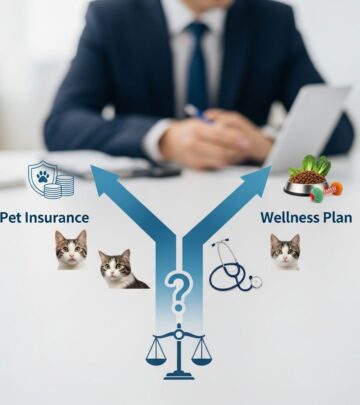
Pet Insurance: Is It Worth The Cost? Key Questions To Ask
Learn how pet insurance works, what it covers, and when it can protect you from overwhelming vet bills for your dog or cat.
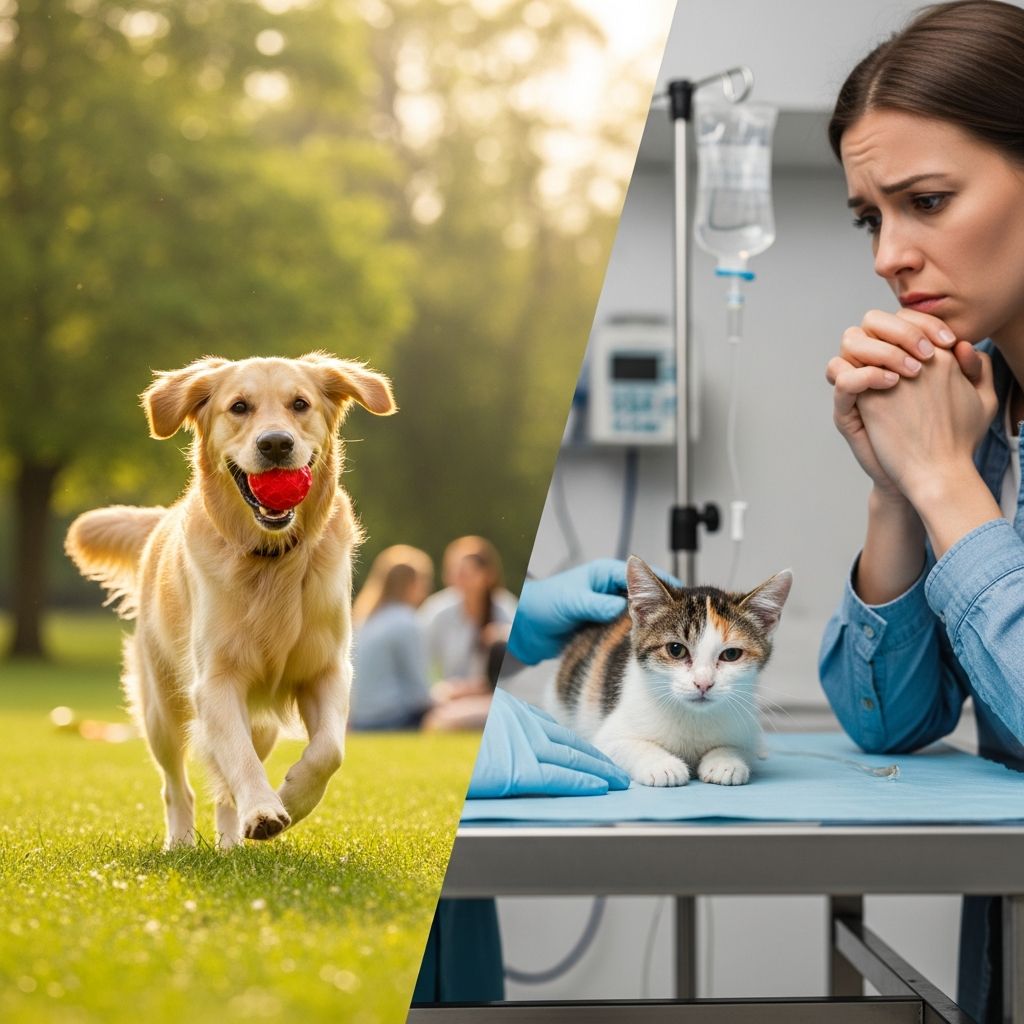
Pet insurance is designed to protect you from unexpectedly large veterinary bills when your dog or cat gets sick or injured. It works similarly to other forms of insurance you may already use, such as medical, auto, or home insurance: you pay a monthly premium in exchange for financial protection when covered events occur.
As veterinary care becomes more advanced and more expensive, many pet owners are asking whether pet insurance is genuinely worth the cost. This guide walks through how policies work, what they cover, how much they cost, and key questions to ask yourself before you buy.
What Is Pet Insurance and How Does It Work?
Pet insurance is a policy that reimburses you for a portion of covered veterinary expenses if your pet experiences an accident, injury, or illness. Most policies are designed for cats and dogs, although a few insurers also offer coverage for other animals.
Unlike human health insurance—where doctors bill the insurer directly—pet insurance usually works on a reimbursement model. You pay the vet at the time of service, then submit a claim to your insurer. If the incident is covered and you have met your deductible, the insurer reimburses an agreed percentage of the remaining bill.
Core Components of a Pet Insurance Policy
- Premium: The monthly or annual amount you pay to keep the policy active.
- Deductible: The amount you must pay out of pocket before the insurer starts reimbursing you. This is often an annual amount but can sometimes be per condition or per incident.
- Reimbursement rate: The percentage of eligible costs the insurer pays after the deductible—typically 70% to 90%.
- Coverage limit: The maximum amount the insurer will pay, either per year, per incident, or sometimes over your pet’s lifetime.
- Exclusions: Conditions or services the policy does not cover—commonly pre-existing conditions, routine care (unless you add wellness coverage), or elective procedures.
Types of Pet Insurance Plans
Most insurers offer several plan structures so you can tailor coverage to your budget and your pet’s needs.
- Accident-only: Covers unexpected injuries, such as broken bones, poisoning, or car accidents. It is generally the cheapest form of coverage but does not pay for illnesses.
- Accident and illness: Covers accidents plus diseases like cancer, infections, digestive problems, and chronic conditions. This is the most common type of pet insurance.
- Wellness or preventive add-ons: Optional riders that reimburse routine care expenses such as annual exams, vaccinations, flea and tick prevention, and dental cleanings.
What Does Pet Insurance Typically Cover?
Accident and illness policies are designed to help with unexpected, medically necessary care. Exact coverage varies by insurer, but many plans include:
- Emergency vet visits and hospitalization
- Diagnostic tests such as X-rays, blood work, CT scans, and MRIs
- Surgeries, including orthopedic and soft-tissue procedures
- Prescription medications
- Cancer treatment, such as chemotherapy or radiation
- Treatment of acute illnesses (e.g., infections, vomiting, diarrhea)
- Certain chronic conditions, such as diabetes or allergies, if first diagnosed after your waiting period
Some companies also include or offer optional coverage for alternative therapies (like acupuncture or physical rehabilitation), behavioral issues, and telehealth consults, depending on the policy.
Common Exclusions
It is crucial to understand what pet insurance does not cover, since this is where many pet owners are surprised.
- Pre-existing conditions: Most insurers exclude illnesses or injuries that started before your policy effective date or during the waiting period.
- Routine and preventive care: Annual checkups, vaccines, dental cleanings, and parasite prevention are usually only covered by wellness add-ons.
- Cosmetic or elective procedures: Procedures that are not medically necessary, such as ear cropping or tail docking, are almost always excluded.
- Breeding-related costs: Pregnancy, breeding, and related complications are commonly excluded.
- Non-veterinary costs: Food, grooming, and basic supplies are not covered, even if prescribed, unless explicitly stated.
How Much Does Pet Insurance Cost?
The cost of pet insurance depends heavily on your pet and the coverage options you choose. Industry data from large insurers show that typical premiums for a standard accident-and-illness policy can be around a few dozen dollars per month, with dogs usually costing more than cats.
Key Factors That Affect Your Premium
- Species: Dogs generally cost more to insure than cats because they often incur higher veterinary expenses.
- Breed: Breeds prone to hereditary or chronic illnesses (e.g., large dogs with joint problems) usually cost more to insure than mixed breeds or lower-risk types.
- Age: As pets get older, they are more likely to develop health issues, so premiums tend to rise.
- Location: Veterinary prices vary by region and even by city. Higher local vet costs typically translate into higher premiums.
- Coverage level: Higher annual limits, lower deductibles, and higher reimbursement percentages all increase your monthly premium.
- Plan type: Accident-only coverage is significantly cheaper than accident-and-illness plans, sometimes a fraction of the cost.
| Plan Feature | Lower Premium | Higher Premium |
|---|---|---|
| Deductible | Higher deductible (e.g., $500) | Lower deductible (e.g., $100) |
| Reimbursement rate | 70%–80% | 90% (or more, where available) |
| Annual coverage limit | Lower limit (e.g., $5,000) | High or unlimited annual benefit |
| Plan type | Accident-only | Accident + illness + wellness add-on |
Pre-Existing Conditions and Waiting Periods
Most pet insurers do not cover pre-existing conditions, which are health issues that first appear before your policy starts or during a defined waiting period. This is one of the most important limitations to understand.
How Insurers Define Pre-Existing Conditions
Insurers typically look at your pet’s medical records to identify when a condition first showed symptoms or was diagnosed. If the problem existed before coverage started, it is usually excluded from reimbursement for the life of the policy.
Some companies make an exception for curable conditions—issues such as an ear infection, respiratory infection, or minor injury that resolves and does not recur for a specified period. After your pet has been symptom-free for that period, the condition may no longer be considered pre-existing.
Waiting Periods
Pet insurance policies often include waiting periods after purchase before certain coverage takes effect, such as:
- A short waiting period (e.g., a few days) for accident coverage
- A longer waiting period (often weeks) for illnesses
- Even longer waiting periods for orthopedic issues such as cruciate ligament injuries
These waiting periods are designed to prevent people from buying coverage only after a problem has already appeared.
When Is Pet Insurance Worth It?
Whether pet insurance is worth the cost depends on your financial situation, your pet’s risk profile, and your comfort with uncertainty. There is no single right answer for every pet owner, but there are clear situations where insurance is more likely to provide value.
Situations Where Pet Insurance Often Makes Sense
- You would struggle to pay a large emergency bill out of pocket. Emergency surgeries or intensive care can easily cost several thousand dollars. If an unexpected bill of that size would cause serious financial hardship, insurance can protect you.
- Your pet is still young and healthy. Buying a policy before any serious problems develop helps ensure more conditions will be covered. Insurers are also more likely to approve coverage at lower rates for younger, healthier animals.
- Your pet’s breed is prone to costly conditions. Large dogs with orthopedic problems, or breeds predisposed to heart or breathing issues, often face higher lifetime vet costs. Insurance can help manage the risk of those expensive treatments.
- You want flexibility to choose advanced care. With insurance, many owners feel freer to authorize complex diagnostics or specialty treatments without worrying as much about the final bill.
Situations Where It May Be Less Beneficial
- Your pet is already older with multiple health issues. New policies are unlikely to cover existing conditions, and premiums may be high, reducing the value you receive.
- You can comfortably self-insure. If you can set aside a substantial emergency fund dedicated to pet healthcare and are prepared to use it, you might decide to forgo insurance and pay costs directly as they arise.
- You prefer basic protection only. In some cases, a low-cost accident-only policy can be a compromise if illness coverage feels too expensive but you still want help with sudden traumatic events.
Comparing the Cost of Premiums vs. Potential Vet Bills
One practical way to evaluate whether pet insurance is worth it is to compare what you are likely to pay in premiums over several years with the potential size of an emergency bill.
Data from veterinary organizations show that emergency care and advanced procedures can quickly reach four figures or more, with some specialty surgeries costing many thousands of dollars. At the same time, routine annual preventive care typically costs far less and is often predictable.
- If your pet goes many years without a major illness or injury, you may end up spending more on premiums than you receive in reimbursements.
- If your pet has one or more serious medical events, the policy can easily pay for itself by covering substantial portions of high-cost bills.
Because it is impossible to predict exactly which pets will need expensive care, pet insurance is fundamentally a tool to trade predictable, smaller payments (premiums) for protection against rare but potentially overwhelming costs.
Tips for Choosing the Right Pet Insurance Policy
If you decide that pet insurance might be worthwhile, it is important to choose a policy that aligns with your expectations and budget.
- Start with your budget. Decide how much per month you can comfortably spend on premiums without neglecting other financial priorities.
- Review coverage limits and exclusions carefully. Look for annual or lifetime caps and make sure you understand which conditions or services are not covered.
- Consider higher deductibles to lower premiums. If you can afford moderate out-of-pocket costs, selecting a higher deductible can make comprehensive coverage more affordable over time.
- Check how pre-existing conditions are defined and handled. Ask whether treatable, resolved issues can be covered again after a symptom-free period.
- Look at waiting periods and age limits. Confirm when coverage begins for accidents and illnesses and whether there are enrollment cutoffs for older pets.
- Review customer service and claims experience. Reliable, prompt claim processing and clear communication can make a significant difference when you are dealing with a sick pet.
Alternatives and Complements to Pet Insurance
Even if you decide not to purchase a full accident-and-illness policy, there are other ways to manage pet-care costs and reduce financial stress.
- Emergency savings fund: Setting aside money every month in a separate savings account earmarked for pet care can build a cushion over time.
- Wellness plans: Some veterinarians and insurers offer wellness plans or add-ons that spread preventive care costs across the year rather than charging in a lump sum.
- Charitable and low-cost clinics: In some regions, nonprofit veterinary clinics or charitable funds help with basic or emergency care for owners in financial need.
- Financing options: Healthcare credit lines or payment plans can help spread out the cost of large, one-time expenses, though they may involve interest or fees.
Is Pet Insurance Right for You?
Ultimately, deciding whether pet insurance is worth it comes down to balancing your love for your pet, your financial flexibility, and your tolerance for risk. While you cannot predict whether your dog or cat will develop a serious illness or suffer an accident, you can choose how prepared you want to be for that possibility.
For many owners, especially those with young pets or limited savings, a reasonably priced accident-and-illness plan offers peace of mind and ensures that money is less likely to stand in the way of needed veterinary care. Others may prefer to self-insure and accept the risk of paying large bills out of pocket. Carefully reviewing policy details, doing some simple cost comparisons, and honestly assessing your finances will help you make the choice that feels right for your household.
Frequently Asked Questions (FAQs)
Q: Does pet insurance cover all my vet bills?
A: No. Pet insurance typically covers a percentage of eligible costs after you meet your deductible, up to an annual or lifetime limit. Routine care and pre-existing conditions are usually excluded unless you have specific wellness coverage.
Q: When is the best time to buy pet insurance?
A: The best time is usually when your pet is young and healthy, before any significant conditions develop. This can help you secure lower premiums and ensure that more future issues are considered new, not pre-existing.
Q: Can I use any veterinarian with pet insurance?
A: Most pet insurance policies in the U.S. allow you to visit any licensed veterinarian, including emergency and specialty clinics, since claims are reimbursed directly to you rather than billed through a network.
Q: Are accident-only plans worth it?
A: Accident-only plans can be a budget-friendly way to get protection against sudden injuries like broken bones or poisoning, but they will not help with illnesses such as cancer or infections. They may be suitable for owners who primarily worry about traumatic events and need lower premiums.
Q: What happens if I cancel my policy?
A: If you cancel, you will no longer be reimbursed for new illnesses or injuries. If you later buy another policy, any conditions that arose while you were insured are likely to be treated as pre-existing by the new insurer.
References
- How Does Pet Insurance Work? — BestMoney Editorial Team. 2024-03-05. https://www.bestmoney.com/pet-insurance/articles/how-does-pet-insurance-work
- Should You Invest in Pet Insurance? — BestMoney Editorial Team. 2023-10-12. https://www.bestmoney.com/pet-insurance/articles/is-pet-insurance-worth-the-cost
- Pet Insurance That Pays Vets Directly: Simplify Your Vet Visits — BestMoney Editorial Team. 2025-02-14. https://www.bestmoney.com/pet-insurance/articles/pet-insurance-that-pays-vet-directly
- Pet Insurance That Covers Pre-Existing Conditions — BestMoney Editorial Team. 2023-11-08. https://www.bestmoney.com/pet-insurance/articles/pre-existing-conditions-pet-insurance
- What Does Pet Insurance Cover? — BestMoney Editorial Team. 2024-05-19. https://www.bestmoney.com/pet-insurance/articles/what-does-pet-insurance-cover
- The Hidden Costs of Pet Ownership — American Veterinary Medical Association (AVMA). 2023-06-01. https://www.avma.org/resources-tools/pet-owners/petcare/costs-owning-pet
- U.S. Pet Ownership & Demographics Sourcebook — AVMA. 2022-12-15. https://www.avma.org/resources-tools/reports-statistics/us-pet-ownership-statistics
Similar Articles








Read full bio of Sneha Tete