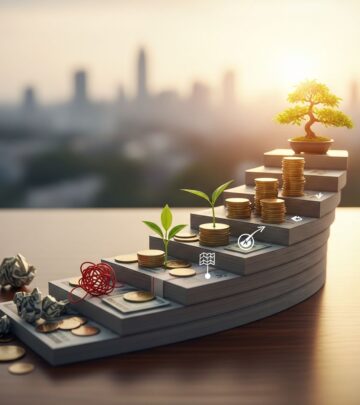
Is Money Everything? How It Shapes Life and Happiness
Explore how money affects security, freedom, happiness, and purpose—and how to use it wisely without letting it define you.

Many people claim that “money isn’t everything” and that we should focus on love, purpose, and experiences instead. But when you look closely at how modern life works, money quietly sits behind almost every choice you make: where you live, how safe you feel, the care you can access, and even how much free time you enjoy. In that sense, money may not be all that matters in life, but it absolutely touches nearly everything that does.
Broadly speaking, money is powerful because of what it can buy you: security, freedom, health (to a point), and even higher levels of happiness when used intentionally. The key is understanding both its strengths and its limits—and then learning how to get more of it in a healthy, sustainable way.
Why Is Money Everything (Or Almost)?
In today’s economy, money is the primary tool you use to meet your needs, protect yourself from risk, and create opportunities. You may not care about fancy labels or luxury vacations, but you almost certainly care about feeling safe, having options, and being able to support the people you love. Money is the mechanism that enables those outcomes.
Here are the core reasons money can feel like “everything” in practical terms.
1. Money Provides Security
At the most basic level, you need money to cover your essentials: food, housing, transportation, utilities, and clothing. Without enough income or savings to consistently meet these needs, it becomes difficult to focus on anything else. Your energy is spent simply trying to get through the month.
Research backs this up. Studies on financial stress show that difficulty meeting basic needs is strongly associated with anxiety, poorer mental health, and relationship strain. An adequate financial cushion, on the other hand, helps protect you from setbacks like job loss, medical bills, or sudden expenses.
- Emergency funds give you a buffer against crises.
- Insurance protects your income, health, and property.
- Stable housing reduces stress and enhances overall well-being.
While security is not glamorous, it is the foundation that makes nearly every other area of life easier to manage.
2. Money Buys Freedom and Options
Once your essentials are covered, money starts to do something equally important: it buys you time and choice. With more financial resources, you can:
- Leave a toxic workplace or unhealthy living situation.
- Take time off to care for family or focus on your health.
- Pursue a career change or go back to school.
- Say “no” to opportunities that do not align with your values.
In practical terms, freedom means you’re no longer forced to accept every job, every request, or every circumstance simply because you need the money. Instead, money becomes the tool that supports your decisions, rather than the reason you feel stuck.
3. Money Supports Better Health (Up To a Point)
Money cannot guarantee perfect health, but it can significantly influence your access to care and your ability to maintain a healthy lifestyle. Higher income and wealth are consistently linked with better health outcomes, partly because they allow people to afford quality medical care, healthier food, and safer environments.
- Access to preventive healthcare and screenings.
- Ability to pay for medications and follow-up visits.
- Resources to invest in nutrition, exercise, and stress reduction.
- Flexibility to take time off when you are sick without financial panic.
Again, money is not a cure-all. But it can remove many barriers that stand between you and your ability to take care of yourself.
4. Money Can Improve Mental Health
Financial problems are one of the most common sources of stress. Constantly worrying about bills, debt, or unexpected expenses can erode your mental health and spill over into your work and relationships. While having more money does not erase every emotional challenge, it often reduces money-specific stress.
When you have savings, a manageable level of debt, and a clear financial plan, you gain:
- Peace of mind about your monthly obligations.
- Confidence that you can handle emergencies.
- Emotional bandwidth to focus on long-term goals and personal growth.
From this perspective, money is not the source of happiness, but it can remove many obstacles that prevent you from feeling content and secure.
5. Money Creates Opportunities and Experiences
Beyond security and survival, money opens doors to experiences that can deepen your happiness: travel, hobbies, memorable events with loved ones, and opportunities for learning and creativity. These are the moments people often look back on as meaningful, and money is usually part of making them possible.
For instance, money can enable you to:
- Visit friends and family who live far away.
- Invest in your skills through courses, books, and workshops.
- Support your children’s education and activities.
- Take time for rest, retreats, or personal projects.
Here is a simple comparison of how money affects various life areas:
| Life Area | How Money Helps | What Money Cannot Replace |
|---|---|---|
| Security | Pays for housing, food, bills, and emergencies | Community support, emotional resilience |
| Freedom | Offers job flexibility and choices | Courage to make hard decisions |
| Health | Provides access to healthcare and healthier lifestyles | Genetics, personal habits, social connections |
| Relationships | Funds shared experiences and reduces money conflicts | Trust, empathy, time, and communication |
| Purpose | Funds education, projects, and giving | Values, meaning, and identity |
Maybe Money Is Not Everything…
Even if money influences nearly every area of life, it still has real limits. Once your basic needs are met and you feel reasonably secure, more money has diminishing returns. Research on happiness and income suggests that beyond a certain level of financial comfort, additional income has a much smaller impact on emotional well-being compared with factors like relationships and meaning.
Here are some important ways in which money is not everything.
1. Money Cannot Buy Deep Relationships
You can spend money on dinners, gifts, trips, or celebrations, but you cannot purchase genuine love, trust, or loyalty. Healthy relationships are built on presence, respect, and mutual care, not transactions. In fact, when money becomes the main tool used to maintain relationships, it can sometimes damage them, creating imbalance or resentment.
2. Money Cannot Guarantee Happiness
Money can buy comfort and relieve stress, which certainly supports happiness. But beyond a middle-class level of security, other factors matter more: feeling that your life has meaning, having supportive relationships, and engaging in work or activities that align with your values.
People who earn high incomes but feel lonely, purposeless, or burnt out are a clear reminder that money alone cannot fill emotional or spiritual gaps.
3. Money Cannot Replace Purpose and Identity
If your entire identity is tied to your income, job title, or net worth, you may feel lost when those things change. Purpose comes from answering deeper questions: Who do you want to be? What do you want your life to stand for? How do you want to contribute to others?
Money can support those goals—for example, by allowing you to volunteer, start a mission-driven business, or give to causes you care about. But it cannot decide your values for you.
4. Money Is Not Automatically Good or Bad
Many people grow up hearing that wanting money is selfish or that money is “the root of all evil.” In reality, money is neutral. It is a tool that amplifies what already exists. In the hands of a generous person, money can fund relief efforts, scholarships, and community programs. In the hands of someone irresponsible or unethical, it can cause harm.
Wanting more money is not something to be ashamed of. It can be a sign that you want more control over your life, more safety for your family, and more ability to help others. The key is to pursue it in ways that align with your values.
So If Money Matters, How Do You Get More of It?
Accepting that money is important is only the first step. The next step is taking consistent, practical actions to grow your income, savings, and long-term wealth. This is less about chasing quick wins and more about building a solid financial foundation.
Here are three powerful strategies you can start using, regardless of your current income level.
1. Master the Basics: Budgeting, Saving, and Debt Management
The first step in getting more from your money is understanding where it goes now. A clear spending plan shows you what you can change and where you can free up cash for your goals.
- Create a realistic budget: Track your income and expenses and assign every dollar a job—bills, savings, debt payments, and fun.
- Build an emergency fund: Aim for at least 3–6 months of essential expenses to buffer against income loss.
- Tackle high-interest debt: Focus on credit cards and other expensive debts that erode your ability to build wealth.
These basics may not feel exciting, but they are the foundation for every other financial win you want to achieve.
2. Grow Your Income and Invest for the Future
There is a limit to how much you can cut from your spending; in contrast, your earning potential can grow significantly over time. Combining higher income with smart investing is one of the most reliable ways to increase your long-term financial security.
- Increase your earning power: Seek raises, promotions, new skills, or side income that matches your strengths.
- Pay yourself first: Automate transfers to savings and investment accounts as soon as you are paid.
- Invest consistently: Use retirement accounts and broad, low-cost investments to benefit from compound growth over time.
Investing involves risk, but starting early and staying consistent significantly increases your chances of building long-term wealth.
3. Align Your Money With Your Values
Money feels most meaningful when it supports the life you actually want, not the lifestyle others expect from you. Once your essentials and savings are covered, direct your spending and giving toward what matters most.
- Spend intentionally on experiences, learning, or causes you care about.
- Set goals that reflect both your personal dreams and your desire to support others.
- Regularly review your financial plan to ensure it still matches your values.
When your money choices and your values are aligned, financial progress feels less like deprivation and more like a powerful form of self-respect.
The Bottom Line: Money Is Everything… To an Extent
Money may not be the most important thing in life, but it influences nearly everything that matters: your safety, your health, your opportunities, and your ability to be generous. At the same time, it cannot buy love, meaning, or integrity. The goal is not to worship money, but to respect its power and use it wisely.
You do not need to feel guilty for wanting more money. Wanting financial security and freedom is a reasonable, even responsible, desire. Focus on building a healthy relationship with money—one where you manage it with intention, use it to support your values, and remember that it is a tool, not your worth.
Frequently Asked Questions (FAQs)
Q: Is money really everything in life?
Money is not everything, but it affects almost everything that matters—security, health access, freedom, and opportunities. Once your basic needs are met, other factors like relationships and purpose play a larger role in happiness.
Q: Can money buy happiness?
Money can increase happiness up to the point where your basic needs and reasonable comforts are met, mainly by reducing stress and increasing control over your life. Beyond that, additional money has diminishing returns compared with relationships, health, and meaning.
Q: Is it wrong to want more money?
No. Money is a neutral tool. Wanting more of it can reflect a desire for security, independence, and the ability to support others. What matters is how you earn it, how you use it, and whether your financial choices align with your values.
Q: How do I start improving my financial situation?
Start by tracking your spending, creating a realistic budget, and building a small emergency fund. Then prioritize paying off high-interest debt, look for ways to increase your income, and begin investing for long-term goals using simple, diversified investments.
Q: If money isn’t everything, what should I focus on besides finances?
Alongside building financial security, focus on nurturing relationships, caring for your physical and mental health, developing your skills, and clarifying your values and purpose. Money supports these areas, but it does not replace them.
References
- Daniel Kahneman & Angus Deaton, “High income improves evaluation of life but not emotional well-being” — Proceedings of the National Academy of Sciences. 2010-09-21. https://www.pnas.org/doi/10.1073/pnas.1011492107
- Board of Governors of the Federal Reserve System, “Economic Well-Being of U.S. Households in 2023” — Federal Reserve. 2024-05-22. https://www.federalreserve.gov/publications/2024-economic-well-being-of-us-households-in-2023-overview.htm
- American Psychological Association, “Stress in America 2022” — APA. 2022-10-06. https://www.apa.org/news/press/releases/stress/2022/sia-financial-stress
- U.S. Department of Health and Human Services, “Social Determinants of Health” — HealthyPeople.gov. 2023-01-19. https://health.gov/healthypeople/priority-areas/social-determinants-health
- Matthew Killingsworth, “Experienced well-being rises with income, even above $75,000 per year” — Proceedings of the National Academy of Sciences. 2021-01-26. https://www.pnas.org/doi/10.1073/pnas.2016976118
- U.S. Securities and Exchange Commission, “Beginner’s Guide to Investing” — SEC. 2023-03-01. https://www.sec.gov/investor/pubs/sec-guide-to-savings-and-investing.pdf
Similar Articles








Read full bio of Sneha Tete