High-Yield Savings Account: 5 Benefits, 5 Drawbacks
Discover if a high-yield savings account (HYSA) suits your financial goals with higher interest rates and safety.
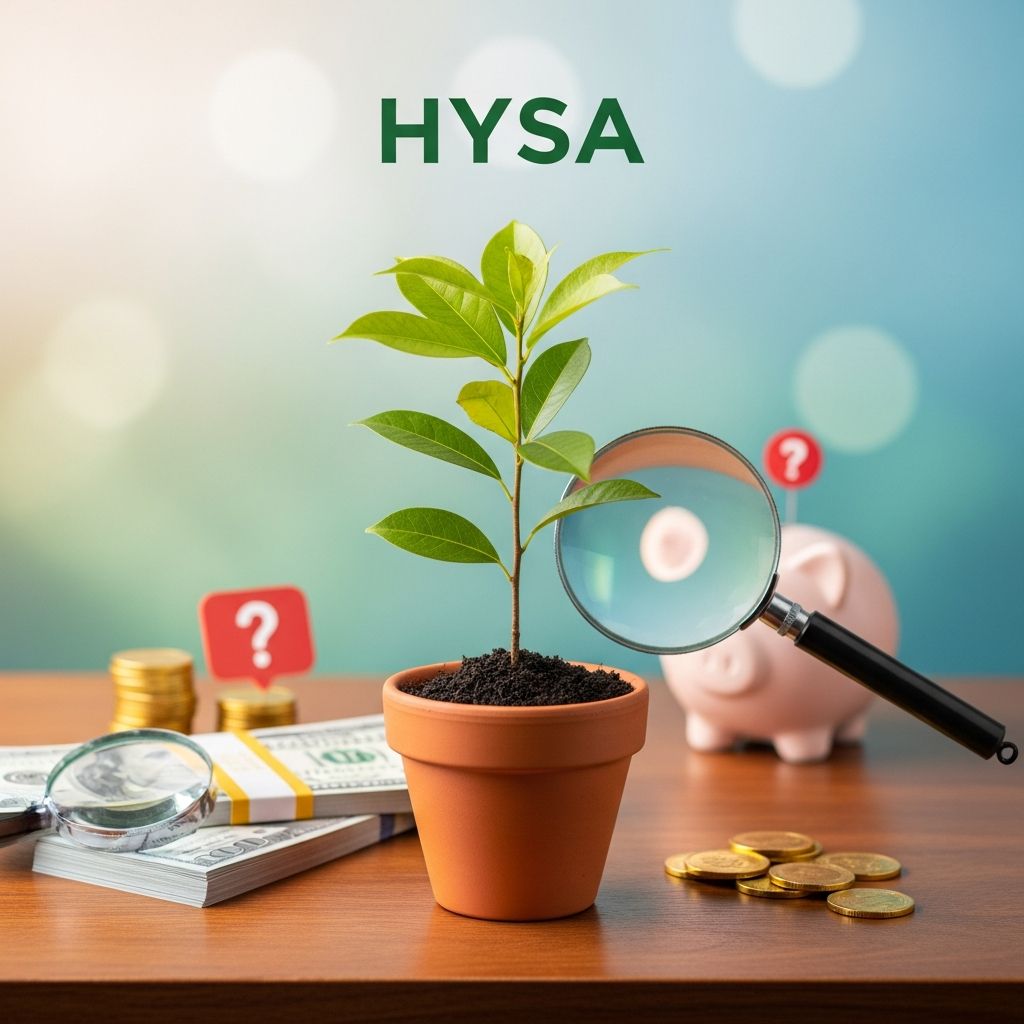
A high-yield savings account (HYSA) offers significantly higher annual percentage yields (APYs) than traditional savings accounts, making it a strong option for growing savings safely and accessibly.
What is a high-yield savings account?
A high-yield savings account (HYSA) is a type of savings account that pays interest rates well above the national average for standard savings accounts, often 8-10 times higher. While traditional accounts might offer APYs under 0.50%, HYSAs from online banks can provide rates several percentage points higher, accelerating savings growth through compounding.
These accounts are typically offered by online-only banks or digital divisions of traditional institutions, which keep overhead low and pass savings to customers via better rates. Interest is usually compounded daily and credited monthly, maximizing earnings on your principal.
Key Features of HYSAs
- Higher APY: Reflects total interest earned annually, including compounding effects.
- Liquidity: Funds accessible anytime without penalties, unlike CDs.
- FDIC Insurance: Deposits protected up to $250,000 per depositor per bank.
- No or Low Fees: Many have no monthly maintenance fees.
How does a high-yield savings account work?
HYSAs work by paying interest on your deposited balance, calculated via the formula for compound interest: A = P(1 + r/n)^(nt), where A is the amount after time t, P is principal, r is annual rate, n is compounding frequency, and t is time. For example, a $5,000 balance at 4.5% APY compounded daily grows faster than at 0.40%.
Rates are variable, influenced by Federal Reserve policies and market conditions, so they fluctuate. APY accounts for compounding, providing a true yield comparison. Opening one requires basic info like SSN and ID, often online in minutes.
| Account Type | Average APY | Monthly Fee | Accessibility |
|---|---|---|---|
| Traditional Savings | 0.39%-0.50% | Possible | Branch/ATM |
| HYSA (Online) | 4.00%-5.00%+ | Usually None | Online Transfers |
Note: Rates vary; check current offerings.
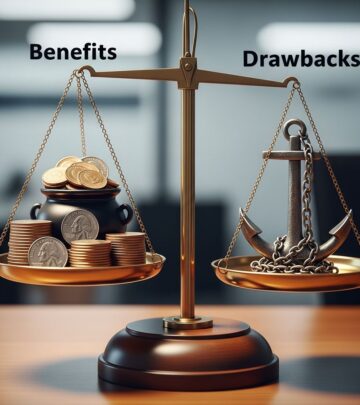
High-yield savings account pros and cons
Pros
- Superior Returns: Earn 10x more than average savings.
- Safety: FDIC-insured, low-risk for principal.
- Flexibility: Withdraw anytime (up to 6/month limit federally, though often waived).
- Easy Access: Link to checking for quick transfers.
- Compound Growth: Daily compounding boosts earnings.
Cons
- Variable Rates: Can drop with market changes.
- Limited Transactions: Federal rules cap withdrawals (Regulation D, though relaxed).
- No Physical Branches: Online-only may lack in-person service.
- Minimum Balances: Some require thresholds for top rates.
- Inflation Risk: Rates may not always outpace inflation long-term.
Is a high-yield savings account safe?
Yes, HYSAs are among the safest places for money if FDIC-insured, protecting up to $250,000 per depositor, per ownership category, per bank. The FDIC, a U.S. government agency, insures deposits if the bank fails. Verify insurance via FDIC’s BankFind tool. Online banks often partner with insured institutions, but always confirm.
Unlike stocks, no market risk to principal, though opportunity cost exists if rates lag investments.
What is a HYSA good for?
HYSAs excel for short- to medium-term goals needing liquidity and safety:
- Emergency Fund: 3-6 months’ expenses, accessible quickly.
- Short-Term Savings: Vacations, car purchases, home down payments.
- Parking Cash: Temporary holdings before investing.
Not ideal for long-term growth (use investments) or daily spending (use checking).
High-yield savings account rates
As of 2026, top HYSAs offer 4.5%-5.5% APY, far above the 0.45% national average. Online banks lead due to low costs; traditional banks may offer tiered or relationship rates. Monitor via sites like FDIC or comparison tools. Rates tied to Fed funds rate.
HYSA vs. savings account
| Feature | HYSA | Traditional Savings |
|---|---|---|
| APY | 4-5%+ | 0.4% |
| Fees | Low/None | Possible monthly |
| Access | Online, transfers | Branches, ATMs |
| Insurance | FDIC up to $250K | FDIC up to $250K |
HYSAs win on yield and fees; traditional offer physical access.
HYSA vs. CD
HYSAs provide flexibility; CDs lock funds for fixed higher rates but penalize early withdrawal. Choose HYSA for liquidity, CD for committed savings.
HYSA vs. money market account
Money market accounts (MMAs) offer check-writing but similar yields, sometimes with minimums. HYSAs simpler for pure saving.
How to choose a high-yield savings account
- Compare APYs: Shop multiple via FDIC-insured lists.
- Check Fees/Minimums: Avoid those eroding gains.
- Verify FDIC: Essential for safety.
- Review Access: Transfer speed, mobile app.
- Consider Tiers: Higher balances for better rates.
Use tools from NerdWallet or Bankrate for rates.
Frequently Asked Questions
What is the average APY for a high-yield savings account?
Average top HYSAs yield 4.5%-5.5%, vs. 0.39% national savings average.
Are high-yield savings accounts FDIC insured?
Yes, up to $250,000 if from FDIC member bank.
Can HYSA rates change?
Yes, variable based on Fed and market.
What’s the difference between HYSA interest rate and APY?
Interest rate is base; APY includes compounding.
Is now a good time for a HYSA?
With elevated rates in 2026, yes for safe growth.
References
- High-Yield Savings Accounts: Your Guide to Smarter Saving — Bask Bank. 2024. https://baskbank.com/insights/high-yield-savings-accounts-guide
- What Is a High Yield Savings Account? Pros, Cons and How It Works — Synchrony Bank. 2024. https://www.synchrony.com/blog/bank/what-is-a-high-interest-savings-account
- What Is a High-Yield Savings Account? — NerdWallet. 2024. https://www.nerdwallet.com/banking/learn/high-interest-savings-account
- What is a High Yield Savings Account and How Do They Work? — PNC Bank. 2024. https://www.pnc.com/insights/personal-finance/save/what-is-a-high-yield-savings-account.html
- What Is a High-Yield Savings Account? — TD Bank. 2024. https://www.td.com/us/en/personal-banking/learning/what-is-a-high-yield-savings-account
Similar Articles








Read full bio of Sneha Tete