Is The Hermès Birkin Really A Good Investment?
Explore whether Hermès Birkin bags truly perform like investments, and what to weigh before tying up serious cash in a luxury handbag.
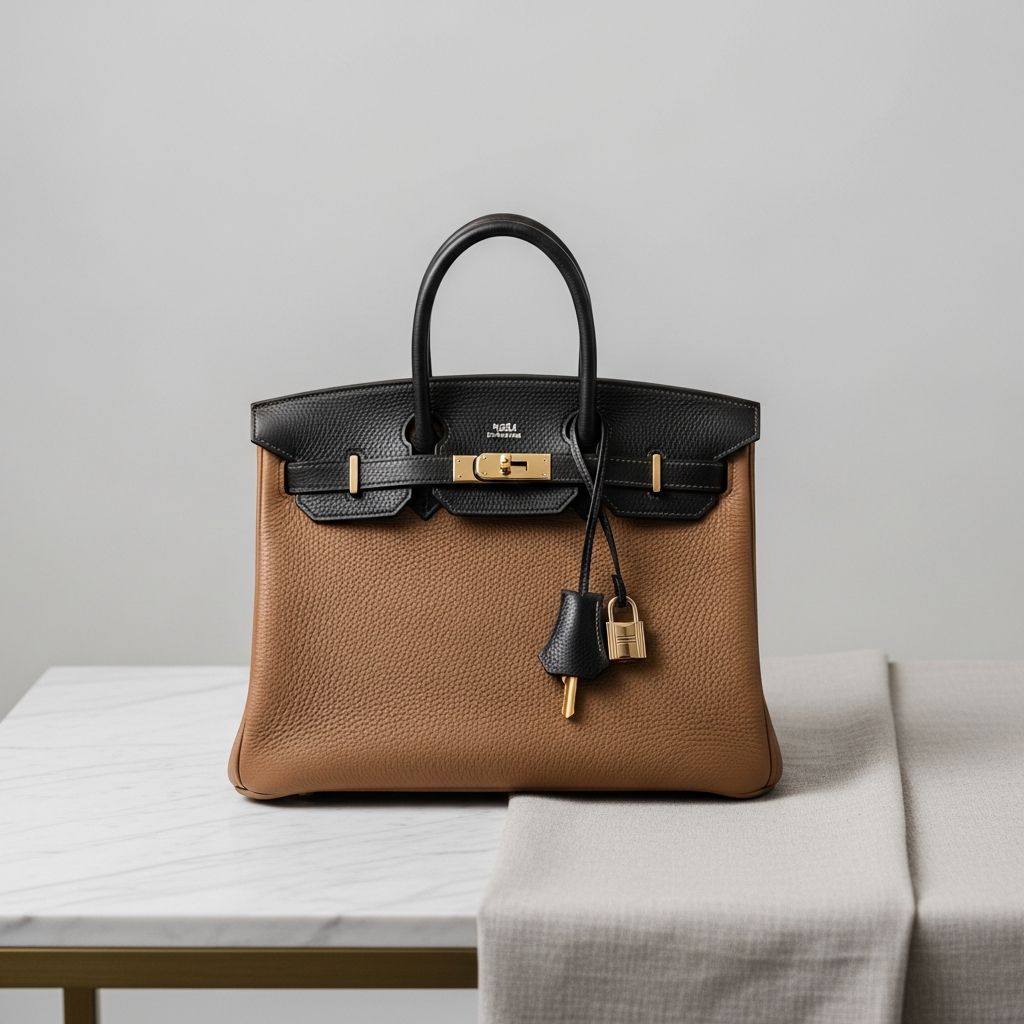
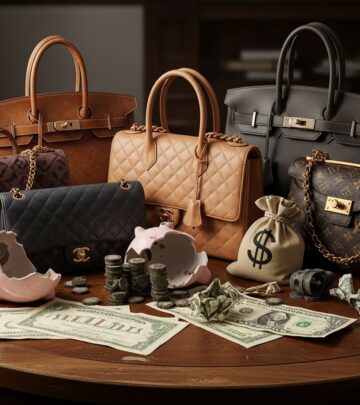
The Hermès Birkin is one of the most coveted handbags in the world, often described as a status symbol and sometimes even as an investment. Stories about Birkins outperforming gold or the stock market can make it tempting to see this luxury accessory as a path to building wealth. But does that idea really hold up when you look at the numbers and the risks?
This guide breaks down what makes Birkin bags so valuable, how the resale market works, and whether purchasing one aligns with solid financial planning. You will learn both the potential upside and the practical downsides so you can decide if a Birkin belongs in your life, your budget, or your investment strategy.
What Is A Hermès Birkin Bag?
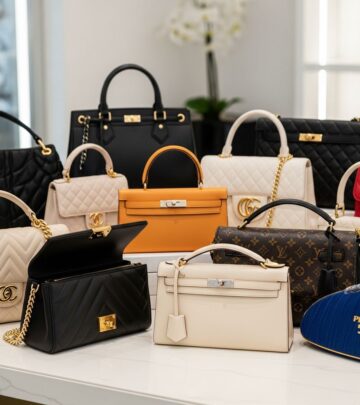
A Hermès Birkin is a structured leather handbag from the French luxury brand Hermès, named after actress Jane Birkin in the 1980s. Each bag is hand-crafted by artisans, and production is deliberately limited, which helps maintain exclusivity and high demand.
Typical features include:
- Top-handle design with a flap closure and lock
- High-quality leathers and sometimes exotic skins
- Standard sizes such as 25, 30, 35 cm and various colors
- Signature craftsmanship with bags often taking many hours to complete
Birkin bags are not usually available on open display in Hermès boutiques. Access often depends on an established purchase history and strong relationship with the brand, which keeps demand high and reinforces the perception of scarcity.
How Much Does A Birkin Bag Cost?
Hermès does not publish a universal price list, and pricing varies by country, material, size, and taxes. However, available data and auction records give a general range.
| Birkin Type | Approximate Retail Price (USD) | Typical Resale Range (USD) |
|---|---|---|
| Classic leather Birkin (boutique) | Starting around $9,000–$12,000 | Pristine examples often $15,000–$30,000+ |
| Older leather Birkin (excellent condition) | N/A (no longer sold at retail) | Roughly $10,000–$15,000 |
| Rare or limited-edition exotic Birkins | Varies; often well into six figures | Frequently exceeds $100,000; exceptional pieces $250,000–$400,000+ |
According to auction house data, a standard leather Birkin purchased directly from a boutique starts around $9,000, while pristine models on the secondary market can exceed $30,000 depending on color, size, and material. Exotic or rare editions have sold for hundreds of thousands of dollars at major auction firms.
Why Do People Say Birkins Are An Investment?
Several factors contribute to the perception of Birkin bags as financial assets rather than just fashion purchases.
- Limited supply and exclusivity: Hermès carefully controls production and boutique access, meaning demand often exceeds supply, especially for popular sizes and colors.
- Brand reputation and craftsmanship: Hermès is known for high-quality materials and meticulous hand craftsmanship, which supports strong resale interest.
- Long-term price increases: Over decades, retail prices have risen substantially. One analysis noted that standard Birkin prices climbed from roughly $2,000 in the early 1980s to over $10,000–$12,000 by the mid-2010s, implying significant long-term appreciation.
- Resale demand: On the secondary market, buyers who cannot or do not want to go through the boutique process often pay a premium, especially for highly sought-after configurations.
- Alternative asset narrative: Some reports and resale platforms have suggested that Birkin bags, on average, have generated annual returns comparable to or better than certain traditional investments over specific periods.
These points combine to create the idea that buying a Birkin is similar to buying a piece of art: something you can enjoy while it potentially holds or increases its value.
How Birkin Resale Values Work
Resale value is central to the investment conversation. A Birkin’s resale price depends on a mix of factors that collectors and resellers closely track.
Key Drivers Of Resale Price
- Condition: Store-fresh or pristine bags command the highest prices; noticeable wear can reduce value by 30% or more.
- Material: Standard leathers are strong performers, while rare exotics (like crocodile or alligator) can push value well into six figures.
- Color and size: Neutral colors and popular sizes, especially smaller models like the 25 cm Birkin, often see exceptionally strong demand and hold value well.
- Rarity and limited editions: Limited releases, special orders, or unique combinations tend to attract collectors and can fetch record prices.
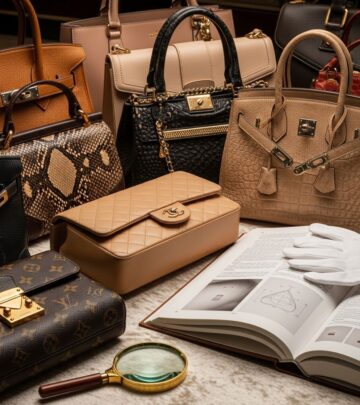
- Documentation and authenticity: Original receipts, dust bags, boxes, and professional authentication all support higher resale prices.
Major auction houses report that since 2021, sales of Birkins have totaled close to $100 million, highlighting the scale and liquidity of this niche secondary market.
Examples Of Resale Performance
- Some experts report cases where a standard leather Birkin doubled in value over around five to ten years when kept in excellent condition.
- Resale data from luxury platforms show modest but positive price changes year over year for typical models, with certain sizes and colors rising by low double-digit percentages in specific time frames.
- Limited-edition and exotic models have achieved prices above $300,000 at auction, representing substantial appreciation from initial purchase.
However, performance is not uniform. Some standard bags may only keep pace with inflation or even sell at a discount if heavily used, unfashionable, or poorly maintained.
Are Birkins Really Better Than Traditional Investments?
Comparisons between Birkin bags and traditional assets like stocks or gold are popular, but they can be misleading if taken at face value.
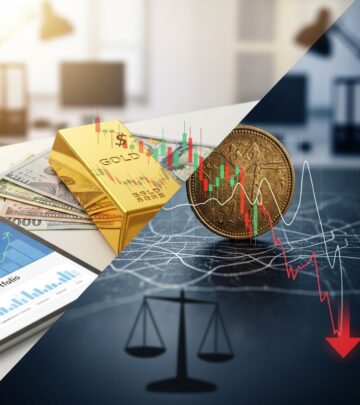
- Analyses from luxury resale platforms have suggested that Birkin bags, as a category, have averaged double-digit annual appreciation over long periods.
- Some commentators state that their resale performance in certain time windows outpaced gold or common stock indices.
However, these comparisons often rely on:
- Selective data: Focusing on successful sales or rare models rather than the full range of outcomes
- Ignoring costs: Not fully accounting for insurance, storage, seller fees, and the time required to sell
- Limited liquidity: Assuming you can quickly find a buyer at the upper end of the price range
By contrast, traditional investments like stock index funds are regulated, highly liquid, and diversified, and offer transparent pricing and historical data. Independent financial regulators emphasize that most investors are better served by diversified, low-cost portfolios aligned with their risk tolerance and goals rather than concentrated bets in speculative or illiquid assets.
Financial Pros Of Buying A Birkin
If you are already in a strong financial position, there are potential advantages to owning a Birkin.
- Potential to hold or grow value: Compared with many consumer purchases that depreciate quickly, a carefully chosen Birkin can retain much of its value and may appreciate over the long term.
- Enjoyment and utility: Unlike shares or bonds, the bag can be used and enjoyed, similar to art or collectible items.
- Portfolio diversification: For high-net-worth individuals, luxury collectibles can serve as a small “alternative asset” slice in a broad portfolio.
- Intergenerational transfer: A well-maintained Birkin can potentially be passed down or gifted, providing sentimental and financial value.
Financial Cons And Risks
Despite the potential upside, there are important risks that make Birkin bags very different from conventional investments.
- High upfront cost: Even a basic Birkin requires a five-figure cash outlay that could otherwise be directed into diversified investments, debt repayment, or savings.
- Illiquidity: Selling a Birkin at a target price can take time; finding the right buyer, consignment shop, or auction slot is not instantaneous.
- Market risk and fashion trends: Demand can shift over time. What is coveted now might be less sought-after in the future.
- Condition sensitivity: Regular use, scratches, or improper storage can significantly reduce resale value.
- Transaction costs: Consignment and auction houses often charge meaningful commission or seller fees, which directly reduce your net proceeds.
- Authentication risk: The existence of high-quality counterfeits means buyers and sellers must invest in reputable authentication to avoid losses.
Given these factors, regulators generally classify collectibles as speculative or high-risk holdings rather than standard investments suitable for core retirement or long-term savings goals.
When Does Buying A Birkin Make Sense Financially?
If you are considering a Birkin, it is helpful to frame it correctly within your overall financial picture.
Situations Where It May Be Reasonable
- You have no high-interest debt and maintain a robust emergency fund.
- You are already on track with retirement and long-term investing through diversified portfolios.
- You can purchase the bag with cash you can afford to tie up for an extended period.
- You value the bag primarily for personal enjoyment and regard any future resale gains as a bonus, not a necessity.
Situations Where It May Not Be Wise
- You would need to use credit cards or loans to finance the purchase.
- The money would otherwise go toward essential financial goals, such as building an emergency fund, paying down expensive debt, or contributing to retirement accounts.
- You are relying on the bag to perform like a reliable investment rather than a speculative purchase.
Consumer protection agencies often warn that basing financial security on speculative assets or unregulated markets exposes individuals to significant risk, and recommend prioritizing core financial foundations first.
How To Protect Your Money If You Buy A Birkin
If you decide that a Birkin fits your lifestyle and budget, there are practical steps to reduce risk and safeguard value.
- Research the market: Study recent auction results and trusted resale platforms to understand current pricing patterns for sizes, colors, and materials you like.
- Buy from reputable sources: Purchase directly from Hermès boutiques when possible, or work with well-established resellers and auction houses that provide robust authentication.
- Maintain condition: Use dust bags, avoid overstuffing, and store bags away from heat and sunlight to prevent damage.
- Keep documentation: Retain receipts, boxes, care booklets, and authentication reports, as these support higher resale value.
- Consider insurance: For high-value bags, adding a rider to your home or valuables insurance may be appropriate.
Birkin Bag As A Status Symbol Versus Investment
A key question is whether you see the Birkin as a status purchase, an aesthetic choice, or an investment. These motivations often overlap but can lead to very different expectations.
- If you view it as a status symbol, the focus may be on visibility, trends, and social signaling more than financial return.
- If you view it as a collectible object, you may prioritize rarity, provenance, and long-term preservation.
- If you view it as a financial investment, you need to consider opportunity cost, risk, and diversification just as you would with any other asset.
From a personal finance perspective, a Birkin is best approached as a luxury purchase with potential resale value, not as a substitute for retirement accounts, emergency savings, or other core financial priorities.
Frequently Asked Questions (FAQs)
Q: Do Birkin bags always go up in value?
No. While many Birkins have appreciated over time, especially rare or pristine examples, there is no guarantee that any specific bag will increase in value. Prices depend on condition, demand, and broader market trends, and some bags may only hold value or even sell at a loss after fees.
Q: How long would I need to hold a Birkin to see potential appreciation?
Available data and expert commentary suggest that meaningful appreciation, when it occurs, often happens over a multi-year period, such as five to ten years or more. Short-term flipping is risky because transaction costs and fashion cycles can quickly erode profits.
Q: Is buying a Birkin better than investing in the stock market?
For most people, no. Birkin bags are illiquid, undiversified, and speculative compared with diversified stock or bond portfolios. Regulated investments offer clearer pricing, historical performance data, and legal protections that collectibles do not. Luxury handbags, if purchased, should generally occupy only a small, discretionary portion of your net worth.
Q: Can I finance a Birkin with credit and pay it off over time?
Using high-interest debt to purchase a speculative asset is typically considered financially risky. Interest charges can quickly outweigh any potential appreciation, and you may end up paying significantly more than the bag’s market value while weakening your overall financial position.
Q: How can I avoid buying a counterfeit Birkin?
To reduce the risk of counterfeits, buy directly from Hermès when possible, or from well-known resale platforms and auction houses that provide authentication guarantees. Professional third-party authentication and careful review of documentation, stitching, hardware, and serial markings are important safeguards.
References
- Birkin bags can double in value in 5 years. An Hermès expert … — Fortune. 2024-06-10. https://fortune.com/article/birkin-hermes-investment-better-than-gold/
- Prive Porter: The Investment Value of Birkin and Kelly Bags — Prive Porter. 2023-09-01. https://priveporter.com/blogs/blog/prive-porter-the-investment-value-of-birkin-and-kelly-bags
- What Influences an Hermès Birkin Bag Price — Sotheby’s. 2023-11-02. https://www.sothebys.com/en/articles/what-influences-an-hermes-birkin-bag-price
- The Investment Value of Hermès — Baghunter. 2016-01-15. https://baghunter.com/blogs/news/investment-value-of-hermes
- Top 5 Hermès Bags That Hold Their Value|2025 Guide to Smart … — Ginza Xiaoma. 2025-01-05. https://ginzaxiaoma.com/blog/hermes-bag-investment-guide
- Is The Birkin Bag Worth The Investment? — Rebag. 2023-04-20. https://www.rebag.com/thevault/is-the-birkin-worth-the-investment/
- Investments in collectibles, art and valuables — Financial Conduct Authority (UK). 2023-03-01. https://www.fca.org.uk/consumers/investments-collectibles-art-valuables
- Investor Bulletin: Alternative Mutual Funds and ETFs — U.S. Securities and Exchange Commission. 2020-10-01. https://www.sec.gov/oiea/investor-alerts-bulletins/ib_alternativemutualfunds
Similar Articles








Read full bio of medha deb