Is Gold a Good Investment? A Complete Guide
Discover whether gold belongs in your portfolio and how it can protect your wealth.

Gold has captivated investors for centuries, serving as a store of value and a symbol of wealth preservation. In today’s economic landscape, characterized by market uncertainty and inflationary pressures, many investors are asking whether gold deserves a place in their investment portfolios. This comprehensive guide explores the multifaceted reasons why gold can be an effective investment tool, examines the factors that drive its price, and helps you determine whether adding this precious metal to your portfolio aligns with your financial goals.
Why Invest in Gold?
Gold has traditionally been recognized as one of the most reliable investments across different economic cycles. Understanding the reasons behind its enduring appeal can help you make an informed decision about including it in your investment strategy.
A Hedge Against Inflation
One of the most compelling reasons to invest in gold is its proven ability to protect against inflation. When the prices of goods and services rise, the purchasing power of paper currency decreases. Gold, however, tends to maintain or increase in value during inflationary periods. Historically, gold has remained stable or appreciated when inflation accelerates, making it an attractive option for investors concerned about rising costs of living. As the U.S. dollar loses value during inflationary episodes, investors often increase their demand for gold, which subsequently drives up the precious metal’s price.
Portfolio Diversification Benefits
A well-constructed investment portfolio should include assets that don’t move in lockstep with each other. Gold offers exceptional diversification properties because it typically exhibits low or negative correlation with traditional financial assets like stocks and bonds. This means that when stock markets experience downturns, gold often maintains its value or appreciates, helping to cushion losses. For example, during a major economic event that causes stock values to decline, your gold holdings may increase in value, offsetting some of your losses in equities. Even when gold doesn’t appreciate, it rarely declines simultaneously with stocks, providing a stabilizing force in your overall portfolio.
Safe-Haven Asset Status
During periods of economic uncertainty, geopolitical tension, or market volatility, investors naturally seek safer places to park their money. Gold has earned its reputation as a safe-haven asset precisely because it tends to appreciate during these turbulent times. While other investments may suffer significant declines, gold provides protection and serves as a store of value when investors’ confidence in traditional markets wavers.
Long-Term Wealth Preservation
Gold serves as an excellent store of value for long-term investors. The precious metal has intrinsic value and a limited supply, ensuring its long-term relevance and stability. Over extended periods, gold maintains its purchasing power, making it ideal for retirement accounts and other long-term investment vehicles. Many investors use gold as a way to preserve funds for the future, knowing that when they need to access this wealth, the cost of living will have increased but their gold holdings will have maintained their real value.
What Drives the Price of Gold?
To make informed decisions about gold investing, it’s essential to understand the factors that influence its price movements. Several interconnected elements work together to determine gold’s market value.
Currency Fluctuations and Dollar Strength
The value of the U.S. dollar plays a significant role in determining gold prices. When the dollar weakens, investors can purchase less gold per dollar, which increases the metal’s perceived value. Conversely, a stronger dollar can put downward pressure on gold prices. This inverse relationship exists because gold is priced globally in U.S. dollars, so currency movements directly affect how attractive the metal is to international investors.
Interest Rates and Inflation
Lower interest rates and higher inflation both tend to boost gold prices. When interest rates decline, the opportunity cost of holding non-yielding assets like gold decreases, making it more attractive to investors. Similarly, during periods of rising inflation, the purchasing power of each dollar diminishes, requiring more dollars to obtain the same amount of gold, thereby increasing its price.
Central Bank Activity
In recent years, central banks worldwide have significantly increased their gold holdings, viewing the precious metal as a Tier 1 reserve asset. This institutional demand has provided substantial support for gold prices. Central banks recognize gold’s value in crisis response, its diversification attributes, and its credentials as a store of value. This shift represents a meaningful change in how the world’s largest financial institutions view gold’s role in global monetary systems.
Supply Constraints and Mining Production
Gold is a finite resource, and as demand continues to rise, supply becomes increasingly constrained. Prospecting and mining physical gold has become progressively more difficult and expensive. Production has plateaued over the past decade, and some experts estimate that by 2050, mining gold could become unsustainable. Additionally, much of the world’s gold is locked away in jewelry that remains out of circulation for extended periods, further limiting the effective supply available for investment purposes.
Gold’s Historical Performance
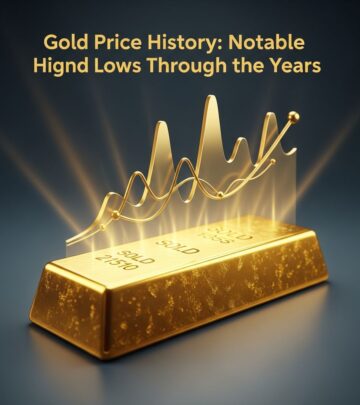
Looking at historical returns can provide valuable context for evaluating gold as an investment option. Gold has outperformed the S&P 500 since 1971 when President Nixon ended the gold standard, and it has continued to deliver solid returns over various time horizons. Over the past decade, gold has delivered an annualized return of 7.7%, which is respectable when compared to many other assets. While this performance varies by time period and market conditions, it demonstrates that gold can contribute positively to long-term portfolio returns.
Short-Term Volatility vs. Long-Term Stability
A critical distinction when evaluating gold as an investment involves understanding its volatility characteristics. In the short term, gold can experience sharp price movements that may unsettle newer investors. These fluctuations can tempt investors to sell their positions prematurely during downturns. However, it’s important to recognize that gold’s short-term volatility differs markedly from its long-term behavior. Over extended periods, gold exhibits relative stability and has maintained solid annualized returns over the past 20 years. The precious metal has been a staple in civilizations for thousands of years, rewarding patient investors who maintain their positions through market cycles.
Is Now the Right Time to Invest in Gold?
Determining the optimal entry point for any investment is challenging, and gold is no exception. Recent market dynamics have created both opportunities and considerations for potential gold investors.
Current Market Conditions
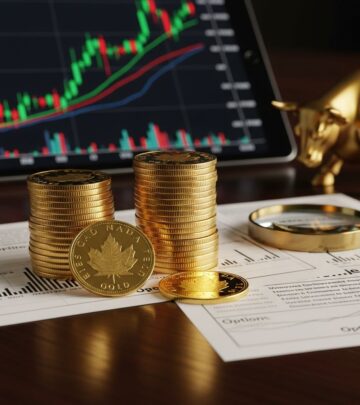
Gold has experienced remarkable appreciation in recent years, with prices surging approximately 60% in a single year and reaching all-time highs. This significant appreciation has substantially outpaced the returns of the S&P 500, which typically returns around 10% annually. The current run-up in gold prices reflects several factors including elevated inflation concerns, high government debt levels reminiscent of the early 1970s, central bank purchasing, and growing retail interest in the precious metal.
Entry Point Considerations
While gold’s strong recent performance is noteworthy, it’s important to consider whether now represents an ideal entry point. As gold prices have already appreciated substantially, new investors entering the market are paying premium prices for their positions. Gold has taken on characteristics of a momentum play, driven partly by retail enthusiasm rather than purely by fundamental factors. This suggests that the risk-reward profile for new investors may not be as favorable as it was when gold prices were lower.
How Much Gold Should You Own?
For investors convinced that gold belongs in their portfolio, determining the appropriate allocation is crucial. Leading investment professionals recommend varying allocations based on individual circumstances.
Professional Recommendations: Ray Dalio, the founder of Bridgewater Associates, suggests that from a strategic asset allocation perspective, investors should consider holding approximately 15% of their portfolio in gold. This allocation reflects the view that gold performs exceptionally well when traditional portfolio components decline, making it a valuable diversifier.
Conservative Approach: Other investment professionals recommend more modest gold allocations, particularly for investors entering the market at current elevated price levels. Holding small amounts of gold can provide the benefits of diversification and inflation protection without exposing your portfolio excessively to a single asset class. This approach is particularly suitable for investors with moderate risk tolerance who want exposure to gold’s protective qualities without betting heavily on continued appreciation.
Ways to Invest in Gold
Once you’ve decided that gold fits your investment strategy, you have several options for gaining exposure to this precious metal.
Exchange-Traded Funds (ETFs)
For most individual investors, ETFs represent the most practical and efficient method for holding gold. The SPDR Gold Shares (GLD) is the first, largest, and best-known gold ETF, offering exceptional liquidity and ease of trading. When investing through an ETF, you can sell your position in seconds, and the shares trade on major stock exchanges just like ordinary stocks. This approach offers superior liquidity compared to physical gold and eliminates storage and insurance concerns.
Physical Gold
Some investors prefer to hold actual gold in the form of bars or coins. While this provides tangible ownership, it involves challenges including storage, insurance, and verification of authenticity. For most investors, ETFs offer a more practical solution.
Gold Mining Stocks
An alternative approach involves investing in gold mining company stocks rather than the metal itself. Mining stocks tend to rise at a multiple to the price change in spot gold, potentially offering greater upside potential during bull markets for the precious metal. However, mining stocks carry additional risks related to company-specific factors beyond just gold prices.
Gold IRAs and Retirement Accounts
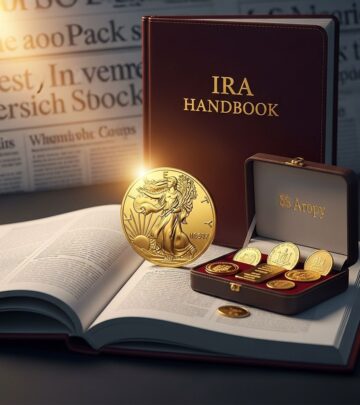
For long-term wealth preservation, gold can be held within individual retirement accounts specifically designed for precious metals investment. This approach is particularly attractive for investors who view gold primarily as a long-term store of value rather than a vehicle for short-term trading.
Common Gold Investing Concerns
Many potential investors harbor doubts about gold as an investment vehicle. Understanding and addressing these concerns can help you make more confident decisions.
Volatility Concerns
Sharp price movements can be unsettling, particularly for new investors unfamiliar with gold’s behavior. However, it’s crucial to distinguish between short-term volatility and long-term performance. While gold can experience significant price swings in the short run, it has demonstrated solid performance over extended periods and maintains intrinsic value throughout market cycles. Successful investors recognize that volatility represents opportunity rather than danger when they maintain a long-term perspective.
No Yield Generation
Unlike stocks and bonds, gold doesn’t generate income through dividends or interest payments. This is an important consideration, particularly for income-focused investors. However, gold’s value proposition lies in capital preservation and appreciation rather than yield generation. For investors in moderate-risk portfolios seeking diversification, this characteristic is less problematic than for those specifically seeking income.
Frequently Asked Questions
Q: Is gold a good investment in 2025?
Gold can still play a valuable role in investment portfolios as a diversifier and inflation hedge, though current elevated prices suggest investors entering now may be paying premium valuations. Consider your personal financial goals and risk tolerance rather than focusing solely on recent price appreciation.
Q: How much of my portfolio should be gold?
A common recommendation is approximately 5-15% depending on your risk tolerance and investment objectives. Conservative investors might start with smaller allocations, while those seeking substantial diversification benefits might target higher percentages.
Q: Should I buy physical gold or gold ETFs?
For most investors, gold ETFs like GLD offer superior liquidity, lower costs, and easier trading compared to physical gold. Physical gold requires storage and insurance considerations that make it less practical for typical investors.
Q: Does gold always go up?
No, gold prices fluctuate based on numerous factors including interest rates, inflation, currency values, and geopolitical events. While gold has delivered solid long-term returns, it experiences periods of decline like all investments.
Q: Can gold protect me from inflation?
Yes, gold has historically maintained its purchasing power during inflationary periods, making it an effective inflation hedge. This is one of the primary reasons investors include gold in their portfolios.
Final Considerations
Gold can be an effective component of a well-diversified investment portfolio, offering inflation protection, portfolio diversification, and safe-haven characteristics. However, whether gold is right for you depends on your individual financial goals, risk tolerance, and investment time horizon. Consider consulting with a financial advisor to determine the appropriate allocation for your circumstances. Remember that while gold has demonstrated solid long-term performance, there’s no guarantee of future results, and past performance does not ensure future success.
References
- These Wall Street Titans Say Buy Gold. Should You? — Money Magazine. 2024. https://money.com/gold-record-price-ray-dalio-jamie-dimon-investing-advice/
- Gold vs. Silver: Which Precious Metal Has More Upside Potential? — Money Magazine. 2024. https://money.com/gold-vs-silver-which-precious-metal-has-more-upside-potential/
- What Drives the Price of Gold? — Money Magazine. 2024. https://money.com/what-drives-the-price-of-gold/
- Why Invest in Gold — Money Magazine. 2024. https://money.com/why-invest-in-gold/
- 4 Gold Investing Fears — and How to Overcome Doubts — Money Magazine. 2024. https://money.com/four-gold-investing-fears-doubts/
- Is It a Good Time to Buy Gold? — Money Magazine. 2024. https://money.com/is-it-a-good-time-to-buy-gold/
Similar Articles








Read full bio of Sneha Tete