Is Expensive Dog Food Worth It? A Budget-Conscious Guide
Discover whether premium dog food justifies the cost and how to make the best choice for your pet's health and your wallet.
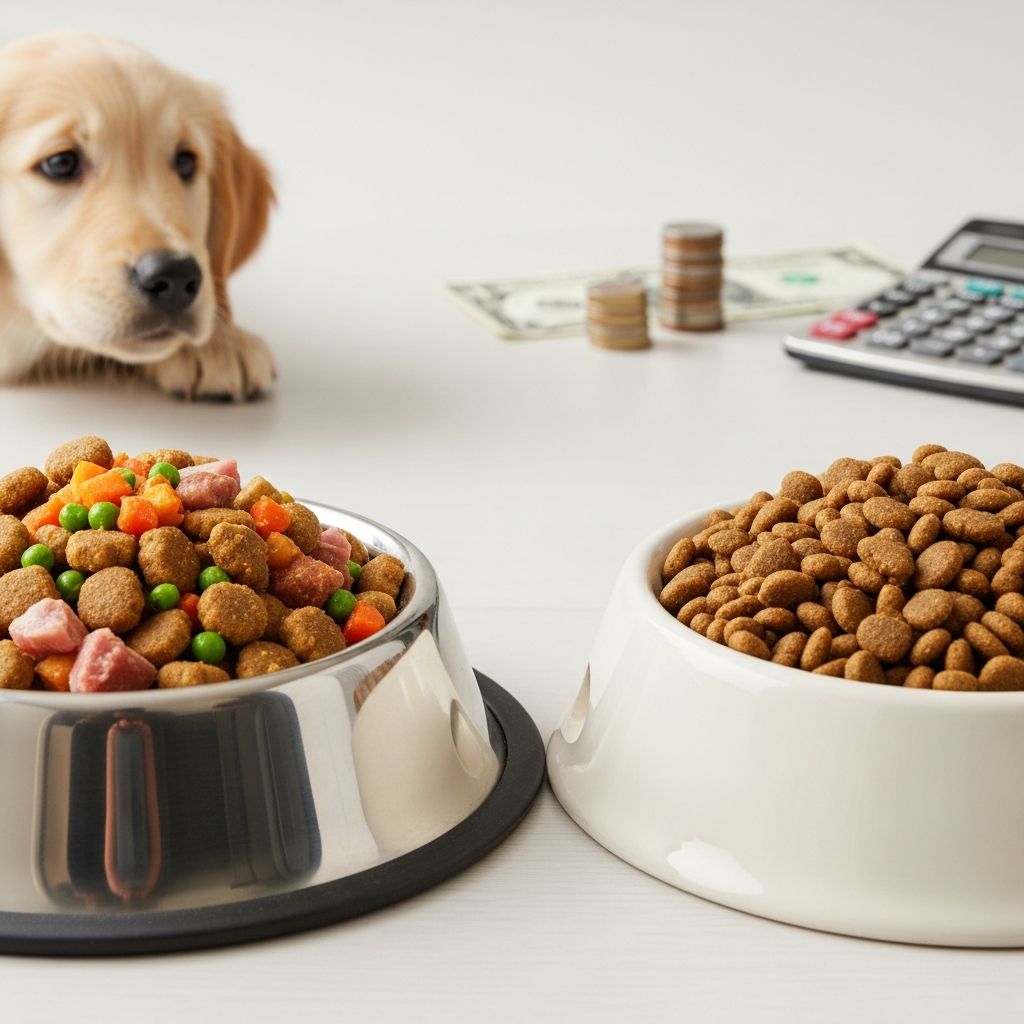
When standing in the pet food aisle, dog owners often face a challenging decision: splurge on premium brands or stick with budget options? The price difference can be significant, with annual expenses ranging from $100 to $250 for standard kibble and $200 to $400 for premium varieties. Understanding whether expensive dog food truly delivers better value requires examining ingredients, nutritional content, and long-term health outcomes.
What Really Drives the Price Difference in Dog Food
The gap between budget and premium dog food prices rarely comes down to marketing or fancy packaging. Instead, the difference reflects what’s actually inside the bag. Lower-priced foods often rely on cheap fillers and heavily processed ingredients that increase volume without providing genuine nutrition. While dogs can survive on these diets, they rarely thrive.
Premium dog foods typically feature whole food ingredients rather than by-products, making them more expensive to produce. The contrast is evident when comparing ingredient lists: budget brands might contain chicken by-product meal or vaguely named poultry meal, while premium options feature boneless chicken breast or identifiable protein sources. Sustainably sourced, traceable ingredients and novel proteins like lamb and venison command higher prices than conventional chicken and fish.
Understanding Ingredient Quality and What It Means
The most significant difference between expensive and budget dog food lies in ingredient composition. Premium brands source higher-quality proteins, whole grains, and natural fats, while budget options rely heavily on fillers, artificial additives, and low-quality protein sources.
Budget dog foods often contain excessive amounts of corn, wheat, soy, and legumes as cost-reduction strategies. While these ingredients provide bulk and texture, they offer limited nutritional value and are less digestible. Dogs, being primarily carnivores, have limited ability to digest grains and starches effectively. This necessitates the addition of synthetic amino acids during manufacturing to compensate for nutritional deficiencies.
Premium formulations typically feature nutrient-dense whole grains instead of highly processed alternatives, or they replace synthetic supplements with fruits and vegetables. This approach better aligns with canine nutritional requirements and digestive capabilities.
The Hidden Cost Advantage of Premium Food
One often-overlooked advantage of choosing high-quality dog food is portion efficiency. Because premium foods are more nutrient-dense, portion sizes often reduce significantly without affecting satisfaction. This detail fundamentally changes the cost-per-day calculation. What appears expensive upfront often becomes surprisingly economical once you factor in reduced feeding amounts, fewer necessary supplements, and decreased diet-related veterinary expenses.
For example, a premium dog food requiring fewer cups per serving may ultimately cost less monthly than a budget brand requiring larger portions to meet nutritional needs. This efficiency, combined with potential health benefits, can offset the higher per-bag price.
Budget Dog Food: Hidden Dangers and Long-Term Costs
Choosing cheap dog food can create significant health risks that manifest over time. The combination of poor-quality ingredients, artificial additives, and nutrient imbalances increases susceptibility to obesity, digestive issues, allergies, heart disease, weakened immune systems, and bone and joint problems.
Common Issues Associated with Budget Dog Food
- Excessive Fillers and Grains: High carbohydrate content from cheap fillers leads to rapid sugar conversion and fat storage, increasing obesity and diabetes risk. Dogs lack the insulin response humans have, so constantly elevated blood sugar stresses the pancreas, leading to insulin resistance.
- Digestive Disorders: Artificial preservatives, fillers, and low-quality proteins difficult to digest cause gas, bloating, diarrhea, and constipation.
- Weakened Immune System: Low-quality kibbles contain inexpensive synthetic vitamins and less bioavailable minerals, lacking antioxidants needed for immune support. This compromised immunity leads to infections, illnesses, and slower recovery from injuries or surgeries.
- Bone and Joint Problems: Insufficient calcium, phosphorus, and omega fatty acids compromise bone and joint health.
- Dental Issues: Inexpensive canned dog food proves prone to contamination and increases dental problem risk in dogs who consume it regularly.
Is Premium Food Always Superior?
While premium dog food offers clear advantages, the higher price tag doesn’t guarantee quality in every instance. Expensive dog food proves beneficial when the price reflects research-backed recipe formulation, responsible ingredient sourcing, and a documented history of safety and customer satisfaction. However, expensive dog food isn’t always the best choice and can sometimes prove dangerous.
Boutique brands often appeal to customers seeking novel proteins or unique formulations. If recipes aren’t nutritionally balanced or products aren’t manufactured according to FDA standards, they could harm your dog. Always verify that any dog food, regardless of price, meets AAFCO (Association of American Feed Control Officials) standards.
Additionally, some premium foods marketed as “human-grade” lack complete and balanced nutritional formulation, potentially requiring supplementation. These human-grade options typically cost more than traditional dog foods, significantly increasing monthly pet care expenses.
When Premium Dog Food Makes Financial Sense
Paying more for dog food becomes a worthwhile investment in specific situations:
- Pre-existing Health Conditions: Dogs with digestive issues or food sensitivities benefit significantly from premium options. A dog intolerant to grains may improve energy and mood dramatically when switched to grain-free food. Though more expensive, these specialized diets prevent costly veterinary bills.
- Quality Assurance: Premium brands often undergo more rigorous quality testing and have transparent ingredient sourcing, reducing contamination risks.
- Nutrient Density: Higher nutritional concentration means smaller portions, extending bag life and potentially lowering overall costs.
- Long-term Health Investment: A dog’s wellbeing relies entirely on chosen food. Quality nutrition prevents diet-related diseases, reducing lifetime veterinary expenses.
Finding Quality on Any Budget
Premium dog food doesn’t always require the highest price tag. If you can find budget dog food with real ingredients and proper nutritional balance, there’s no reason to feel uncomfortable feeding it. The challenge lies in conducting thorough research.
When evaluating any dog food, regardless of price:
- Check that the product meets AAFCO standards
- Review ingredient lists for named protein sources rather than by-products
- Verify your veterinarian agrees it’s appropriate for your dog
- Look for whole food ingredients rather than synthetic supplements when possible
- Avoid products listing vague ingredients like “poultry meal” or “animal fat”
- Research manufacturer safety history and customer satisfaction records
Dry vs. Wet Food Considerations
The choice between dry kibble and wet food adds another dimension to budget considerations. Wet food typically costs more than dry food, features a shorter shelf life, and generates higher packaging waste. For quality-conscious choices, wet food prices become particularly noticeable. Wet food also proves impractical when traveling or on the go, as it cannot be transported warm and usually requires weighing.
High-quality canned dog food can occasionally serve as a treat, but kibble remains the more practical choice when managing costs. If selecting wet food, prioritize products with high-quality ingredients, and consider them supplementary rather than primary nutrition sources.
The Processed Food Problem
Regardless of price point, most commercial dog foods remain highly processed. This processing mirrors the fast food humans consume—convenience comes with long-term health consequences. Highly processed foods, whether budget or premium, can create pro-inflammatory conditions in dogs.
When possible, prioritize foods minimally processed rather than simply expensive. A moderately priced dog food with recognizable, minimal processing may prove healthier than an expensive highly processed option.
Making Your Decision: A Practical Framework
Determine whether expensive dog food suits your situation by asking:
- Does the cost reflect quality ingredients and safety standards, or primarily marketing?
- Does your dog have specific dietary needs or sensitivities?
- Can your budget accommodate the premium option long-term?
- Have you consulted your veterinarian about optimal nutrition for your dog’s age and health status?
- Does the product meet AAFCO standards and have a strong safety record?
Bottom Line: Do You Have to Feed Expensive Food?
The fundamental question boils down to whether your dog’s diet provides basic nutritional needs. As long as you’re feeding a product meeting AAFCO standards and your veterinarian agrees it’s appropriate, there’s no obligation to choose expensive brands. However, investing modestly in quality often prevents costly health problems later.
The real investment isn’t in expensive brands specifically—it’s in choosing nutritionally complete, safely manufactured food with quality ingredients your dog’s body can actually utilize. This might mean a moderately priced premium option rather than the most expensive choice, or it might mean a carefully selected budget food that meets standards.
Frequently Asked Questions
Q: Can I feed my dog budget dog food without health consequences?
A: If the budget food meets AAFCO standards and your veterinarian approves it for your dog’s specific age and health needs, you can feed it without guilt. However, be aware that budget foods often contain fillers and low-quality ingredients that may increase long-term disease risk. The key is finding a budget option with real ingredients rather than excessive fillers.
Q: How much should I expect to spend annually on dog food?
A: Standard kibble typically costs $100 to $250 yearly, while premium options range from $200 to $400 annually. Costs vary based on dog size, food type, and specific brand selection. Premium foods may appear more expensive initially but often require smaller portions, potentially offsetting costs.
Q: What’s the difference between budget and premium dog food ingredients?
A: Budget foods often contain chicken by-product meal, vague protein sources like “poultry meal,” and cheap fillers like corn and wheat. Premium options feature named whole proteins like boneless chicken breast, quality fats like salmon oil, and nutrient-dense ingredients. Budget foods rely on synthetic additives to meet nutritional requirements, while premium options use whole food sources.
Q: Is human-grade dog food worth the extra cost?
A: Human-grade dog food contains higher-quality ingredients but often lacks complete and balanced nutritional formulation, potentially requiring supplementation. These diets cost significantly more than traditional options. Unless your veterinarian specifically recommends human-grade food for your dog’s condition, standard premium foods meeting AAFCO standards may provide better value.
Q: Should I switch to expensive dog food if my dog has digestive issues?
A: Yes, if your dog has digestive problems or food sensitivities, premium or specialized dog food often proves worthwhile. Many dogs improve significantly on grain-free or limited-ingredient diets, though these cost more. Preventing expensive veterinary bills makes the investment practical.
References
- Cheap v High Quality Food, is it worth it? — Natural Dog Food Company. Accessed January 2026. https://www.naturaldogfoodcompany.co.uk/blog/cheap-v-high-quality-food-is-it-worth-it/
- Is Expensive Dog Food Always Better? — Rover.com. Accessed January 2026. https://www.rover.com/blog/most-expensive-dog-food/
- The Pros and Cons of Cheap and Expensive Dog Food — PetPlay. Accessed January 2026. https://www.petplay.com/blogs/tips/the-pros-and-cons-of-cheap-and-expensive-dog-food
- Pros and Cons of Human-Grade Dog Food — PetMD. Accessed January 2026. https://www.petmd.com/dog/nutrition/human-grade-dog-food
- The Hidden Dangers of Cheap Kibble — Carson and Bear Pets. Accessed January 2026. https://carsonandbearpets.com/the-hidden-dangers-of-cheap-kibble/
- Pros and Cons of Different Dog Foods: What Your Dog Eats Matters — Lucky Chef. Accessed January 2026. https://www.luckychef.com/en/magazine/blog/a-dog-is-what-he-eats-benefits-and-drawbacks-of-various-dog-foods
- 5 Biggest Problems with Commercial Dog Food + What to Do About It! — Wellbeing for Dogs. Accessed January 2026. https://wellbeingfordogs.com.au/blogs/wellbeing/5-of-the-biggest-problems-with-dog-food-and-what-to-do-about-it/
Similar Articles








Read full bio of Sneha Tete