Debt Consolidation: 6 Key Questions To Ask Before Deciding
Learn when debt consolidation helps, when it hurts, and how to decide if it fits your overall payoff strategy and financial goals.

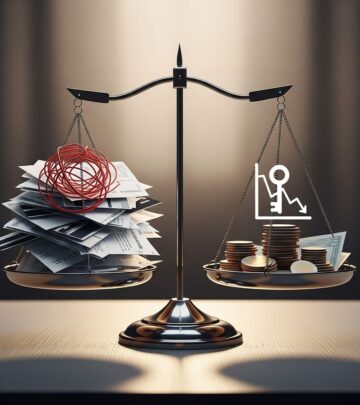
Debt consolidation can be a powerful tool for taking control of your finances, but it is not a one-size-fits-all solution. In the right circumstances, combining multiple debts into a single payment can simplify your life, reduce interest costs, and help you get out of debt faster. In the wrong circumstances, it can be expensive, risky, and merely delay a deeper financial problem.
This guide explains how debt consolidation works, its main pros and cons, and the key questions to ask before deciding whether it is a good idea for you.
What Is Debt Consolidation?
Debt consolidation is a strategy that combines several existing debts into a single new loan or credit line, ideally with a lower interest rate or a more manageable payment schedule. Instead of paying multiple creditors every month, you make one payment to the lender that issued your consolidation loan or balance transfer account.
This approach is often used for unsecured debts such as:
- Credit card balances
- Personal loans
- Store cards and lines of credit
- Some types of medical or other consumer debts
Consolidation does not erase what you owe. You are restructuring your debt, not eliminating it. The goal is to make repayment easier, cheaper, or both.
How Does Debt Consolidation Work?
Although the details vary by lender, most consolidation strategies follow the same basic steps:
- You list your current debts, balances, interest rates, and monthly payments.
- You apply for a new loan or credit product for an amount large enough to cover those balances.
- If approved, you use the new credit to pay off the existing accounts (either directly or via balance transfers).
- You then make a single monthly payment on the new loan until it is repaid in full.
Debt consolidation can be done using several different tools.
Common Types of Debt Consolidation
- Debt consolidation personal loan – An installment loan with a fixed rate and fixed term. You use the loan proceeds to pay off higher-interest debts and then repay the loan in regular monthly payments.
- Balance transfer credit card – A credit card that offers a low or 0% introductory annual percentage rate (APR) on transferred balances for a limited time (often 12–21 months). If you pay off the balance during the promo period, you can significantly reduce interest costs.
- Personal line of credit – A revolving credit line that you can draw from to pay off other debts and then repay over time, sometimes with variable rates.
- Home equity loan or line of credit (HELOC) – A secured loan or line of credit backed by your home. These can offer lower interest rates but put your home at risk if you cannot repay.
Potential Benefits of Debt Consolidation
When used thoughtfully, consolidation can offer several advantages.
1. One Simpler Monthly Payment
Juggling multiple due dates and minimum payments increases the risk of paying late or missing a payment entirely. Consolidation replaces several payments with one, which can improve organization and lower the chance of late fees and negative credit marks.
- Easier budgeting with a single due date
- Less mental load tracking multiple creditors
- Reduced likelihood of missed payments
2. Lower Interest Costs (If You Qualify)
One major goal of consolidation is to replace high-interest debts—like credit cards—with a lower-rate loan. If you qualify for a significantly reduced APR, more of each payment goes toward principal instead of interest, which can save money and shorten payoff time.
For example, consolidating several credit cards charging over 20% APR into a fixed-rate personal loan around the high single or low double digits can substantially reduce total interest, especially if you maintain or accelerate your payment pace.
3. Predictable Repayment Schedule
Many consolidation loans have fixed interest rates and fixed repayment terms. That means:
- Your payment amount stays the same each month.
- You know exactly when the loan will be paid off, assuming on-time payments.
This predictable structure can make planning and budgeting easier than revolving credit card debt, where payments and payoff dates can fluctuate.
4. Potentially Faster Debt Payoff
If you secure a lower interest rate and keep your monthly payment at least as high as what you were paying before, consolidation can help you pay off what you owe more quickly. That happens because a larger portion of each payment goes to the principal rather than interest.
In addition, some people find that having a clearly defined payoff date motivates them to stick to a repayment plan.
5. Possible Credit Score Benefits Over Time
Debt consolidation itself does not automatically improve your credit score, and the initial application may trigger a hard inquiry that causes a small, temporary dip. However, in several situations, consolidation may help your credit over time:
- Turning multiple revolving card balances into an installment loan can reduce your credit utilization ratio if your cards are paid down.
- Bringing past-due accounts current with a consolidation loan can stop additional negative marks and, in some scoring models, paid collection accounts may carry less weight.
- Consistent on-time payments on the new loan build a positive payment history, a major factor in credit scores.
Risks and Drawbacks of Debt Consolidation
Debt consolidation is not automatically a good idea. In many cases, the disadvantages outweigh the potential gains.
1. You May Not Qualify for a Better Rate
Many of the benefits of consolidation depend on securing a lower interest rate than you currently pay. If your credit score is fair or poor, or your debt-to-income ratio is high, the loan offers you receive may not be favorable. In that case, consolidation might not save money and could even cost more.
2. Fees and Costs
Some consolidation products charge fees such as:
- Origination fees on personal loans
- Balance transfer fees (often 3%–5% of the amount transferred)
- Annual fees on some credit cards
These fees can reduce or even eliminate the interest savings you hoped to achieve, especially if the rate improvement is small or the repayment term is long.
3. Longer Repayment Term Can Increase Total Interest
Consolidation often lowers your monthly payment by stretching your debt over a longer period. While this can make payments more affordable in the short term, you may end up paying more in total interest over the life of the loan, even at a lower rate.
4. Risk of Running Up New Debt
One of the biggest hazards is paying off your credit cards with a consolidation loan and then using those cards again. If you continue to overspend, you could end up with both a consolidation loan and new card balances, leaving you in a worse position than before.
Without changes to spending habits and budgeting, consolidation can become a temporary bandage rather than a real solution.
5. Potential Credit Impact if You Miss Payments
While consolidation can make payments easier to manage, missing or making late payments on your new loan will almost certainly damage your credit score. Late payments are a major negative factor in credit scoring models.
If you used home equity to secure the loan, missed payments also put your property at risk.
When Is Debt Consolidation a Good Idea?
Debt consolidation is more likely to be helpful when several of these statements apply to you:
- You have multiple high-interest debts (often credit cards) that you intend to pay off in full.
- Your credit profile is strong enough to qualify for a lower interest rate than you currently pay.
- You can comfortably afford the new monthly payment and are committed to making all payments on time.
- You have a stable income and a realistic budget that supports debt payoff without continued reliance on credit.
- You are motivated to change the behaviors that led to the debt in the first place.
It can be especially effective if you:
- Use a 0% APR balance transfer card and pay off the transferred amount before the promotional period ends.
- Use a fixed-term personal loan with a competitive rate and avoid taking on additional new debt.
When Debt Consolidation May Not Be Right for You
Consolidation may not make sense if:
- You cannot qualify for a lower interest rate than your current average.
- The fees and costs offset most of the potential savings.
- Your income is unstable or insufficient, and you are already struggling to cover basic expenses.
- You are close to insolvency or considering bankruptcy.
- You are unlikely to change your spending habits, meaning you may quickly rebuild debt after consolidating.
In these cases, it may be more appropriate to explore credit counseling, a debt management plan, or other forms of debt relief.
Key Factors to Consider Before Consolidating
Before you apply for a consolidation loan or balance transfer card, work through the following checklist.
| Factor | Questions to Ask | Why It Matters |
|---|---|---|
| Interest rate | Is the new APR significantly lower than my current average? | A meaningful rate drop is often necessary to save money on interest. |
| Loan term | Is the repayment period longer than what I currently have? | Longer terms can mean lower payments but higher total interest. |
| Fees | Are there origination, balance transfer, or annual fees? | Fees can reduce or erase any interest savings. |
| Monthly payment | Can I reliably afford this payment every month? | Missed payments hurt your credit and may trigger penalties. |
| Collateral | Is the loan secured by my home or other asset? | Secured consolidation can put your property at risk if you default. |
| Behavior change | Do I have a plan to avoid new debt? | Without changes in spending, you could end up in deeper debt. |
Alternatives to Debt Consolidation
If consolidation is not a good fit, or if you want to compare options, consider other strategies.
- Debt management plan (DMP) – Through a nonprofit credit counseling agency, you may enroll in a program where the agency negotiates with creditors, potentially reduces interest rates, and sets up a structured payment plan. You make one payment to the agency, which distributes funds to creditors.
- Debt snowball – You pay off debts from smallest to largest balance, regardless of interest rate, to build motivation.
- Debt avalanche – You pay off debts with the highest interest rate first to minimize total interest paid.
- Negotiating directly with creditors – In some cases, creditors may agree to modified payment terms or temporary hardship programs.
- Debt settlement or bankruptcy – For severe situations, more intensive forms of debt relief may be appropriate. These options carry serious consequences and generally should be considered with professional guidance.
Practical Steps If You Decide to Consolidate
If you decide debt consolidation aligns with your goals, follow a structured process:
- 1. Inventory your debts. List each balance, creditor, APR, minimum payment, and remaining term.
- 2. Check your credit. Review your credit reports and scores so you understand the types of offers you might qualify for.
- 3. Compare lenders. Look at interest rates, fees, terms, and customer service from banks, credit unions, and other reputable lenders.
- 4. Run the numbers. Use a calculator or spreadsheet to compare the total interest and payoff time with and without consolidation.
- 5. Commit to a budget. Build a realistic spending plan that supports consistent on-time payments and prevents new debt.
- 6. Close or limit old accounts (carefully). After paying off cards, consider lowering limits or closing some accounts to avoid temptation, while also weighing the impact on your credit utilization and length of credit history.
Frequently Asked Questions (FAQs)
Q: Does debt consolidation reduce the total amount I owe?
No. Debt consolidation generally does not reduce your principal balance; it reorganizes your debt into a new loan or credit line. Your total owed may only decrease if you secure a lower interest rate and avoid new borrowing, or if you pursue settlement or forgiveness options instead.
Q: Will debt consolidation hurt my credit score?
Applying for a consolidation loan or balance transfer typically triggers a hard inquiry, which can cause a small, short-term dip in your score. Over time, however, on-time payments and lower credit utilization can improve your credit, while missed payments can worsen it.
Q: Is it better to use a personal loan or a balance transfer credit card?
It depends on your situation. A 0% APR balance transfer card can be very cost-effective if you can pay off the balance during the promotional period and can handle any transfer fees. A fixed-rate personal loan may be better if you need more time, prefer predictable payments, or want a clear payoff date.
Q: Can I consolidate federal student loans with my other debts?
Federal student loans have their own consolidation and repayment options and typically should not be mixed with credit cards or personal loans, because combining them into a private loan may cause you to lose federal protections and benefits. Review official federal loan guidance or consult a qualified advisor before consolidating student debt.
Q: What should I do if I don’t qualify for a good consolidation offer?
If you cannot obtain a lower-rate loan, consider working with a nonprofit credit counseling agency, using a debt snowball or avalanche payoff method, or discussing hardship options directly with your creditors. These approaches may provide relief without taking on a potentially expensive or risky consolidation loan.
References
- Pros and Cons of Debt Consolidation — Experian. 2024-03-14. https://www.experian.com/blogs/ask-experian/pros-and-cons-of-debt-consolidation/
- What Is Debt Consolidation & How Does It Work? — PNC Bank. 2023-08-09. https://www.pnc.com/insights/personal-finance/borrow/what-is-debt-consolidation-and-how-does-it-work.html
- Debt Consolidation Options — MyCreditUnion.gov (National Credit Union Administration). 2023-05-04. https://www.mycreditunion.gov/manage-your-money/dealing-debt/debt-consolidation-options
- Pros and Cons of Consolidating Your Debt — Old National Bank. 2023-02-15. https://www.oldnational.com/resources/insights/pros-and-cons-of-consolidating-your-debt/
- Debt Consolidation: Pros and Cons — Community Choice Financial Credit Union. 2022-11-01. https://www.ccfcu.org/debt-consolidation-pros-and-cons/
Similar Articles








Read full bio of medha deb