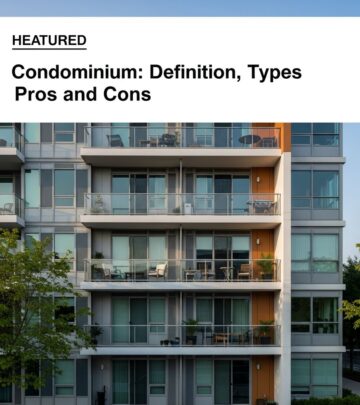
Undefined: Is A Condo A Smart Investment? Key Insights
Explore the advantages and pitfalls of condo ownership to determine if it aligns with your financial goals and lifestyle needs.

Condominiums represent a unique entry point into real estate ownership, blending affordability with shared amenities while introducing specific financial and lifestyle considerations. For many aspiring investors, condos provide an accessible alternative to pricier single-family homes, yet their viability depends on location, market conditions, and personal objectives.
Understanding the Appeal of Condo Ownership
Condos differ from traditional homes by offering individual units within a larger complex, where owners hold title to their space but share common areas managed by a homeowners association (HOA). This structure appeals to urban dwellers, vacationers, and investors seeking passive income streams without the full burden of property upkeep.
- Affordable Entry: Typical U.S. condos sold for around $319,000 in early 2022, significantly below the $406,000 average for single-family homes, enabling first-time investors to build equity sooner.
- Urban and Resort Locations: Often situated in high-demand city centers or beachfronts, condos attract renters and buyers alike.
- Equity Building: Unlike renting, monthly payments contribute to ownership, potentially yielding long-term gains despite initial hurdles.
Key Advantages for Investors
Investing in a condo can yield tangible benefits, particularly for those prioritizing convenience over expansive control. Here’s a breakdown of the primary upsides.
Reduced Upfront and Ongoing Costs
Lower purchase prices make condos feasible for budget-conscious buyers. Beyond acquisition, maintenance expenses drop because HOAs cover exteriors, roofs, landscaping, and shared facilities, freeing owners from tasks like lawn care or structural repairs.
Built-In Amenities Boost Rental Appeal
Pools, gyms, security, and clubhouses enhance tenant satisfaction, supporting steady rental income. In desirable spots, these features command premium rents, especially for short-term vacation lets where permitted.
| Feature | Benefit to Investors | Example Impact |
|---|---|---|
| HOA-Managed Maintenance | Lower capex and repair costs | Saves thousands annually on roofs/landscaping |
| Amenities Package | Higher occupancy rates | Attracts renters seeking luxury without ownership |
| Prime Locations | Strong rental demand | Urban/vacation spots yield reliable cash flow |
Scalability for Portfolio Growth
Condos facilitate easier expansion for investors, as individual units require less hands-on management than multi-family properties. Automation tools for leasing and remote oversight further streamline operations.
Significant Drawbacks to Consider
Despite attractions, condos carry risks that can erode returns. Investors must weigh these against potential rewards.
HOA Fees and Special Assessments
Monthly dues average $200-$300 nationwide, climbing to $500-$800 in high-cost areas like San Francisco. These cover services but cut into profits, with surprise assessments for major repairs adding unpredictability.
Rental and Usage Restrictions
Many HOAs limit short-term rentals, pets, or modifications, hampering income strategies. Legal disputes or rule changes can further complicate ownership.
Slower Value Growth and Privacy Issues
Condos appreciate more gradually than houses since buyers purchase air space, not land. Shared walls lead to noise, reduced privacy, and potential tenant dissatisfaction.
- Market Saturation Risk: Oversupply in condo-heavy areas depresses rents and resale values.
- Limited Customization: Renovations often need approval, stifling personalization.
- Insurance Savings Offset: While interior coverage is cheaper, overall costs may rise with fees.
Financial Analysis: Crunching the Numbers
To evaluate profitability, compare cash flow, appreciation, and total ownership costs. Assume a $320,000 condo with 20% down ($64,000), 6% mortgage rate, $2,500 monthly rent, $400 HOA, and 2% annual appreciation.
| Monthly Metric | Condo Estimate | Single-Family Comparison |
|---|---|---|
| Rent Income | $2,500 | $3,200 (higher space appeal) |
| Mortgage + HOA + Taxes | $2,800 | $2,500 (no HOA) |
| Net Cash Flow | -$300 | $700 |
| Appreciation (Annual) | $6,400 | $10,000+ |
This illustrates tighter margins for condos, where positive flow hinges on high occupancy and fee control.
Market Trends Shaping Condo Viability
Post-2022 price surges saw condos rise 14% year-over-year, but slower appreciation persists. Florida’s new reserve laws mandate bigger funds for structural fixes, hiking fees but enhancing stability. Urban demand remains strong amid remote work shifts, though investor caution grows over fee hikes.
Strategies for Successful Condo Investing
Maximize returns by selecting wisely:
- Vet HOA Finances: Review reserves, fee history, and litigation records.
- Prioritize Rental-Friendly Rules: Seek boards open to long/short-term leases.
- Location First: Target growing areas with amenities and job hubs.
- Budget Conservatively: Factor 1.5x fees into projections.
- Exit Plan: Assess resale liquidity in the complex.
Diversify with a mix of condos and houses to balance risks.
Who Thrives with Condo Investments?
Ideal for beginners, vacation seekers, or passive landlords valuing convenience. Avoid if you need high privacy, customization, or rapid growth. Florida buyers face unique perks like amenities but must navigate elevated fees.
FAQs
Are condos cheaper than houses?
Yes, often by $50,000-$100,000, aiding entry but offset by fees.
Do condos make good rentals?
They can, thanks to amenities, but restrictions and costs limit yields.
How much are typical HOA fees?
$200-$800 monthly, varying by location and services.
Do condos appreciate well?
Slower than houses, but strong locations mitigate this.
Is condo insurance cheaper?
Often yes, covering only interiors.
Final Considerations Before Buying
Condos suit specific profiles but demand due diligence on fees, rules, and markets. Consult financial advisors to model scenarios tailored to your goals. While not universally superior, they offer a viable path for diversified portfolios in the right context.
References
- Florida Condo Investment – Pros & Cons — Community Capital Holdings. 2023. https://comcapholdings.com/condo-investment/
- Investing in Condos: The Pros and Cons — Innago. 2023. https://innago.com/investing-in-condos-the-pros-and-cons/
- Evaluating the Pros and Cons of Investing in Condos — Kiavi. 2023. https://www.kiavi.com/blog/evaluating-the-pros-and-cons-of-investing-in-condos
- Pros and Cons of Buying a Condo: 9 Key Advantages vs 8 Risks — Extra Space Storage. 2023. https://www.extraspace.com/blog/moving/pros-cons-buying-condo/
- Do Condos Make Good Rental Properties? — Rental Income Advisors. 2023. https://www.rentalincomeadvisors.com/blog/do-condos-make-good-rental-properties
- Buying a Condo is a BAD INVESTMENT Idea – 6 Reasons Why — YouTube (Scott Himelstein). 2023. https://www.youtube.com/watch?v=8aD2-dOhBGo
- Is Buying A Condo In Florida A Good Investment? Pros & Cons — Eaton Realty. 2023. https://www.eatonrealty.com/blog/buying/buying-condo-florida-pros-cons
Similar Articles








Read full bio of medha deb