Is Comprehensive Auto Insurance Right for You?
Explore whether comprehensive car insurance is a smart addition to your policy, weighing coverage details, costs, and real-world scenarios.

Comprehensive auto insurance provides a vital safety net for your vehicle against a wide array of non-collision risks, from theft and vandalism to severe weather events. While not always mandatory, it offers peace of mind by covering repair or replacement costs for damages outside your control, making it a key consideration for many drivers.
Understanding the Basics of Comprehensive Coverage
At its core, comprehensive insurance safeguards your car from perils unrelated to crashes with other vehicles or objects. This type of policy kicks in for incidents like sudden storms, criminal acts, or animal strikes, helping you avoid hefty out-of-pocket expenses. Unlike basic liability insurance, which only protects others if you’re at fault, comprehensive focuses on your own vehicle’s well-being.
Drivers often pair it with other coverages for broader protection. For instance, if hail dents your hood or a thief breaks in, this policy steps up after you meet the deductible—the amount you pay before insurance covers the rest. Payouts are typically based on your car’s actual cash value, accounting for depreciation over time.
What Risks Does Comprehensive Insurance Protect Against?
Comprehensive policies are designed to handle diverse threats. Here’s a breakdown of common covered events:
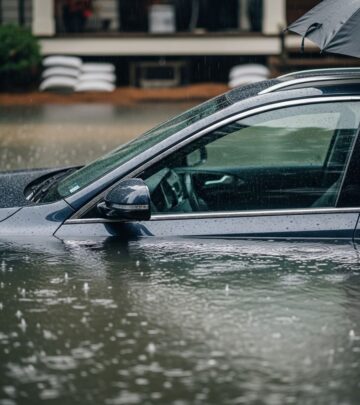
- Weather-Related Damage: Hail storms, high winds toppling trees, floods, lightning strikes, earthquakes, or hurricanes can wreck your car. Coverage applies even if parked.
- Theft and Vandalism: Stolen vehicles, broken windows, keying, or graffiti fall under this umbrella, including damage from attempted thefts.
- Fire and Explosions: Whether from arson, electrical faults, or disasters, fires destroying your car are compensable.
- Animal Collisions: Hitting deer or other wildlife, or even chewed wires from rodents, qualifies for claims.
- Falling Objects: Tree limbs, rocks from overpasses, or debris during storms are included.
- Civil Unrest: Riots or disturbances causing harm to your vehicle get addressed.
- Glass Breakage: Cracked windshields or sunroofs from road hazards often receive zero-deductible repairs.
These protections ensure you’re not left financially stranded by unpredictable events. Note that specifics can vary by insurer, so review your policy details.
Comprehensive vs. Collision: Key Differences Explained
Many confuse comprehensive with collision coverage, but they target distinct scenarios. Use this table for a clear comparison:
| Feature | Comprehensive Coverage | Collision Coverage |
|---|---|---|
| Covers | Non-collision events: theft, weather, fire, animals, vandalism | Crashes with vehicles or objects, regardless of fault |
| Deductible | Yes, typically $100–$1,000 | Yes, often similar range |
| Payout Basis | Actual cash value of vehicle | Actual cash value of vehicle |
| Required? | By lenders for financed/leased cars; optional otherwise | Same as comprehensive |
Collision handles at-fault or not accidents on the road, while comprehensive tackles everything else risky. Opting for both creates a robust shield often called “full coverage,” though no policy covers every scenario perfectly.
When Is Comprehensive Coverage Mandatory?
If you own your car outright, comprehensive is optional in most states—liability is the only universal requirement. However, lenders and lessors demand it to protect their asset until payoff. Skipping it when required risks loan default or repossession.
Even without mandates, high-risk areas amplify its value. Urban spots see more theft and vandalism; rural roads, more deer strikes; coastal regions, hurricanes. Assess your locale’s threats before deciding.
Factors to Consider Before Adding Comprehensive Insurance
Deciding on comprehensive involves balancing costs and benefits. Key factors include:
- Vehicle Value: For cars worth less than your deductible (e.g., older models under $4,000), premiums may exceed potential payouts. Drop it if replacement is affordable out-of-pocket.
- Financial Situation: Can’t swing a $2,000 repair? Coverage prevents debt from one bad event.
- Parking and Storage: Garaged cars face lower risks than street-parked ones in high-crime areas.
- Driving Habits: Frequent long trips through wildlife zones or bad weather? It’s wiser.
- Premium Costs: Adds 10-20% to policies, but discounts for low mileage, anti-theft devices, or bundling help.
Shop quotes from multiple providers to find affordable rates tailored to you.
Real-Life Scenarios: Does Comprehensive Pay Off?
Consider these examples:
- A Midwest hailstorm totals your roof—comprehensive covers after $500 deductible, saving thousands.
- Thieves smash your window in a city lot; policy funds glass and towing.
- A deer leaps into your path on a rural highway; repairs to the front end are handled.
- Floodwaters rise during a hurricane; if totaled, you get cash value minus deductible.
In each case, without it, you’d bear full brunt. Stats show comprehensive claims average $1,800–$3,000, underscoring its financial relief.
How Comprehensive Claims Work in Practice
Filing is straightforward: Report promptly, provide photos/evidence, and an adjuster assesses. They subtract your deductible from actual cash value for repairs or total loss settlement.
Tips for smooth process:
- Choose deductibles wisely—higher ones cut premiums but raise upfront costs.
- Add riders like roadside assistance or rental reimbursement.
- Maintain records of upgrades to boost cash value claims.
Claims may hike rates slightly, but they’re far cheaper than uncovered losses.
Cost-Saving Strategies for Comprehensive Coverage
Keep expenses down:
- Increase Deductible: From $500 to $1,000 saves 10-15% yearly.
- Discounts: Multi-policy, good driver, safety features qualify for reductions.
- Pay Annually: Avoid monthly fees.
- Low-Mileage Programs: Telematics track safe driving for rebates.
Annual cost averages $150–$400, varying by location, car, and profile.
Myths and Misconceptions About Comprehensive Insurance
- Myth: It’s Full Coverage. No—full means liability + comprehensive + collision.
- Myth: Covers Mechanical Breakdowns. Excludes wear/tear; that’s separate.
- Myth: Always Worth It. Not for junkers where value < deductible.
Frequently Asked Questions
What isn’t covered by comprehensive insurance?
Excludes collisions, wear-and-tear, or custom parts without endorsement. Check policy exclusions.
Can I get comprehensive without collision?
Yes, especially for low-collision-risk older cars.
Does it cover totaled cars?
Yes, pays actual cash value if repair costs exceed it.
Is comprehensive required in all states?
No, only by lenders; state minimums focus on liability.
How much does it cost on average?
$100–$500/year, depending on factors like location and vehicle.
Ultimately, comprehensive insurance suits those with valuable cars, high risks, or lender requirements. Evaluate your situation to determine its fit.
References
- Comprehensive Car Insurance: What Is It? — Liberty Mutual. 2025-01-15. https://www.libertymutual.com/vehicle/auto-insurance/coverage/comprehensive-insurance
- Comprehensive Car Insurance Coverage — AAA. 2024-11-20. https://mwg.aaa.com/insurance/car/articles/comprehensive-coverage
- What Is Comprehensive Insurance? — Allstate. 2025-02-10. https://www.allstate.com/resources/car-insurance/what-is-comprehensive-auto-insurance
- What is Comprehensive Car Insurance Coverage? — State Farm. 2024-12-05. https://www.statefarm.com/insurance/auto/coverage-options/comprehensive-coverage
- What Is Comprehensive Insurance? — Progressive. 2025-03-01. https://www.progressive.com/answers/comprehensive-insurance/
Similar Articles








Read full bio of medha deb