Is Buying a Car an Investment? A Financial Analysis
Discover whether purchasing a car qualifies as a true investment or a depreciating expense.
When considering major purchases, many people wonder whether buying a car constitutes a true investment. The answer is more nuanced than a simple yes or no. While vehicles serve essential functions in modern life, they rarely function as investments in the traditional financial sense. Understanding the distinction between a necessary purchase and a wealth-building investment is crucial for making informed financial decisions.
The Investment Question: Defining Terms
An investment is typically defined as an asset purchased with the expectation that it will appreciate in value or generate income over time. Stocks, real estate, and bonds fit this definition. Cars, however, follow a different trajectory. From the moment you drive a vehicle off the lot, it begins losing value—a process known as depreciation. This fundamental characteristic makes cars fundamentally different from traditional investments, regardless of their utility or reliability.
That said, vehicles do provide significant value to their owners in practical terms. They enable people to reach their workplaces, transport families, and access opportunities that might otherwise be unavailable. In this sense, a car can be considered an investment in your quality of life and employability, even if it’s not a financial investment.
Understanding Vehicle Depreciation
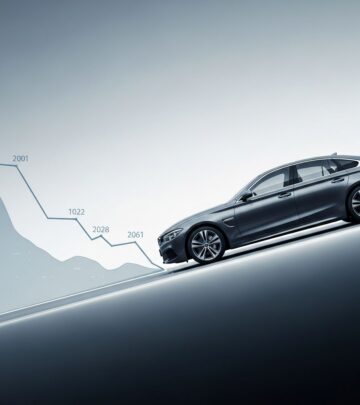
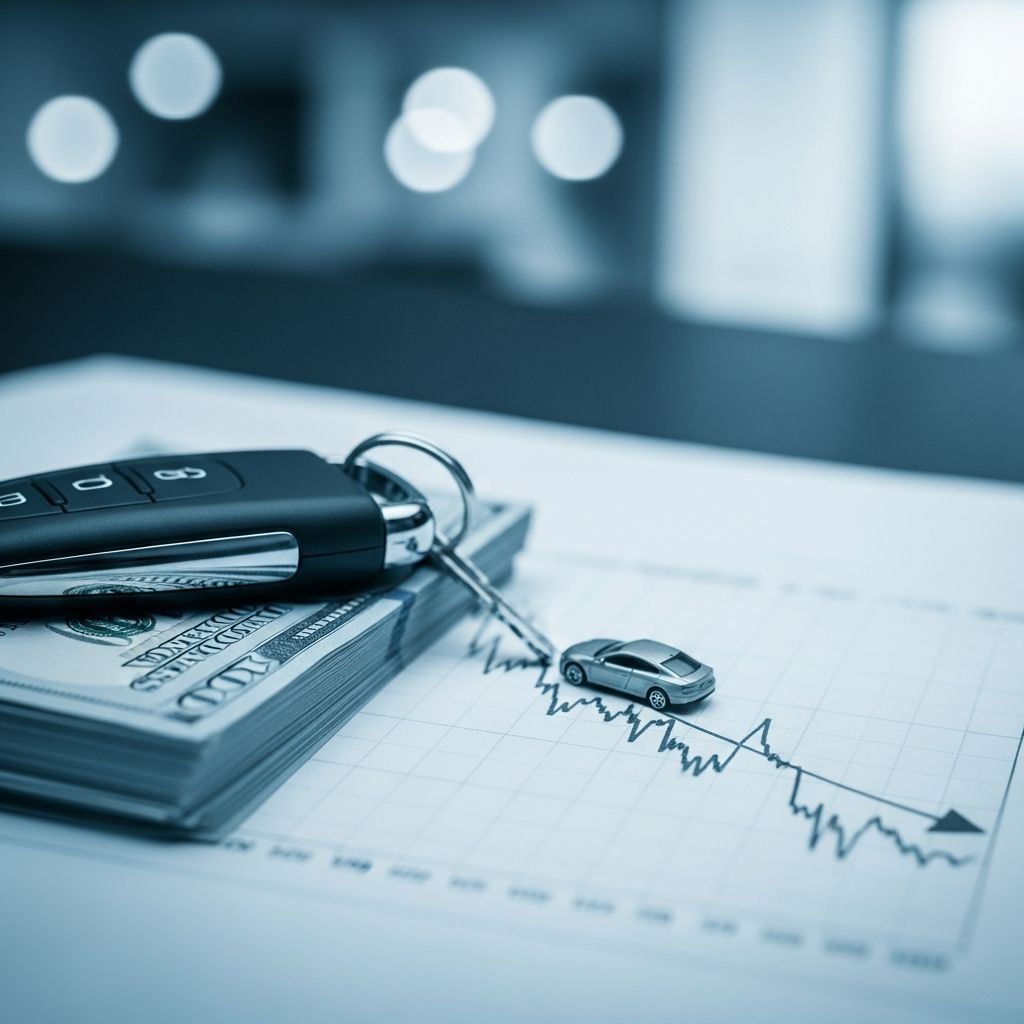
Depreciation is the most critical factor that separates car purchases from true investments. A vehicle can lose up to 20% of its value in just the first year of ownership. Over a five-year period, most cars lose approximately 60% of their original purchase price. This steep value decline means that buying a new car is, in purely financial terms, one of the worst decisions you can make with your money.
The depreciation curve is steepest during the first few years, then gradually levels off. However, this doesn’t mean the financial bleeding stops. Annual maintenance costs increase as vehicles age, insurance premiums may rise, and fuel expenses continue indefinitely. When combined with depreciation, these costs create a significant drag on your overall wealth.
The Opportunity Cost of Car Ownership
Beyond direct depreciation, car purchases create substantial opportunity costs. The money you tie up in a car purchase could be invested elsewhere, potentially generating returns that compound year after year. Consider a practical example: if you invest $25,000 at a 6% annual return over 30 years, that money grows to approximately $144,000. This demonstrates how choosing a less expensive vehicle and investing the difference can dramatically impact long-term wealth.
For luxury vehicles, the opportunity cost becomes even more dramatic. Choosing a Toyota Corolla over a Range Rover could save $90,000 in the purchase price alone. That $90,000 invested at 6% annual returns over 30 years would grow to approximately $521,000. This comparison illustrates how vehicle choice directly impacts wealth accumulation potential.
Why Cars Aren’t Traditional Investments
Several factors prevent cars from being viable investments in the conventional sense:
Rapid Value Loss
Unlike homes, which historically appreciate over time, vehicles consistently depreciate. This guaranteed value loss makes them poor wealth-building tools compared to other asset classes.
Continuous Upgrade Cycle
Technological improvements in newer models create psychological pressure to upgrade frequently. Like smartphones, cars are subject to a perpetual cycle of new features and improvements that make older models seem outdated. This leads many people to trade in vehicles before they’re paid off, perpetuating a cycle of debt and new car payments.
Rising Maintenance Costs
As vehicles age, repair and maintenance expenses increase unpredictably. A major mechanical failure can consume thousands of dollars, and these expenses are impossible to recover through resale value.
High Total Cost of Ownership
Beyond the purchase price, car owners face insurance, registration, fuel, maintenance, and potential repairs. These ongoing costs accumulate significantly over the vehicle’s lifetime.
Strategic Alternatives to Traditional Car Buying
Smart financial planning involves treating car purchases differently than traditional consumer spending. One innovative approach is the “Car Investment Fund” strategy, which transforms car buying into a systematic wealth-building process.
The Car Investment Fund Approach
Rather than financing a car through a traditional loan, this strategy involves automatically investing a fixed monthly amount into index funds held in a taxable brokerage account. Instead of making a car payment to a lender, you make a “car payment” to yourself. After six to seven years, the accumulated fund grows substantially, allowing you to purchase a vehicle with cash while potentially retaining seed money for the next car purchase.
In one documented example, a person invested $275 monthly (later increased to $300, then $350) over 6.5 years. This strategy generated over $32,000, which was used to purchase a Toyota Camry for $27,500 in cash. The remaining funds, combined with proceeds from selling the previous vehicle, created a renewable cycle of debt-free car ownership.
Key Benefits of This Approach
This systematic approach offers several advantages:
No Debt: By planning ahead, you can purchase vehicles without taking on car loans, eliminating interest payments and monthly obligations.
Wealth Accumulation: Market returns help your savings grow faster than a high-yield savings account would, providing returns that exceed simple interest.
Flexibility: By treating car buying as a repeatable process rather than a one-time purchase, you create a sustainable system for future vehicles.
Reduced Financial Stress: Owning vehicles outright eliminates the anxiety associated with monthly payments and loan obligations.
Guidelines for Smarter Car Purchasing
If you must purchase a vehicle, several rules of thumb can help minimize financial damage:
The 25-35% Rule
Your car should not cost more than 25% to 35% of your annual before-tax income. If you view the car primarily as transportation, aim for the 25% mark. If you derive significant pleasure from driving, you might extend to 35%, but exceeding this range typically indicates poor financial decision-making.
Choosing Reliable Used Vehicles
Purchasing used vehicles avoids the steepest depreciation curve experienced by new cars. Additionally, selecting reliable brands known for holding value—such as Toyota and Honda—minimizes long-term losses compared to vehicles that depreciate more rapidly.
Paying Cash When Possible
While financing at 0% interest might seem attractive, paying cash eliminates interest payments entirely. However, the decision between cash and financing depends on market conditions and your investment returns. If you can earn more through investments than the interest rate on financing, financing might make mathematical sense.
The Cash Versus Financing Question
Financial advisors debate whether paying cash or financing represents the better choice. The analysis depends on several variables, including interest rates, market returns, and the specific vehicle selected.
If you finance a vehicle at 0% interest while investing the cash you would have spent, earning 6% annualized returns, a dealer would need to offer at least a 30% discount on the purchase price for paying cash to be financially advantageous.
However, this calculation assumes disciplined investing. Many people who finance vehicles fail to invest the difference, making cash purchases the more reliable path to financial stability.
Practical Considerations for Car Purchases
While vehicles aren’t investments, they’re often necessary purchases. Several practical considerations apply:
Before Implementing Alternative Strategies
The Car Investment Fund approach and other wealth-conscious car buying strategies work best when you have a solid financial foundation:
– High-interest debt is paid off or controlled
– An adequate emergency fund exists
– Retirement savings are already underway
– Your income is stable and predictable
Accounting for Market Volatility
Any strategy involving market investments must account for volatility. Used car prices can spike unexpectedly—they increased 41% between 2020 and 2022. Flexibility and the ability to adjust timelines are essential when implementing investment-based car purchasing strategies.
Maintenance and Unexpected Repairs
Even reliable vehicles can require expensive repairs. Building flexibility into your car purchasing timeline helps accommodate unexpected mechanical issues without derailing your plan.
The True Cost of Car Ownership
Understanding the complete financial picture of car ownership extends beyond the purchase price:
| Cost Category | Typical Range | Notes |
|---|---|---|
| Purchase Price | $25,000-$50,000+ | Varies widely by vehicle type and features |
| First Year Depreciation | 20% of purchase price | Value loss begins immediately upon purchase |
| Five Year Depreciation | 60% of purchase price | Most vehicles lose majority of value |
| Annual Insurance | $1,000-$2,000+ | Depends on age, type, and driving record |
| Annual Maintenance | $500-$1,000+ | Increases with vehicle age |
| Annual Fuel | $1,000-$2,000+ | Varies by driving habits and fuel prices |
| Registration & Taxes | $200-$500+ annually | Varies by location and vehicle type |
Building Wealth Despite Car Ownership
While cars are not investments, you can minimize their impact on wealth building through strategic choices:
Choose Practical Vehicles: Select cars based on actual transportation needs rather than desires or status symbols. A reliable Honda Civic serves the same transportation function as a luxury sedan while preserving significantly more wealth.
Extend Vehicle Lifespan: Keep vehicles longer rather than upgrading frequently. Driving a paid-off car for 10 or 15 years eliminates years of car payments that would otherwise drain resources from investments.
Invest the Difference: If you choose an affordable vehicle, commit to investing the money you save compared to a more expensive option. This converts a forced trade-off into active wealth building.
Plan Ahead: Treat car purchases as planned expenses deserving of dedicated savings and investment strategies rather than impulse purchases financed through debt.
Frequently Asked Questions
Q: Can any car be considered an investment?
A: Classic or collector cars can potentially appreciate in value, but these are rare exceptions. Standard vehicles used for transportation consistently depreciate and should not be viewed as investments in the traditional sense.
Q: Is it better to lease or buy a car?
A: Both options have drawbacks. Leasing creates perpetual payments without building equity, while buying typically results in better long-term economics if you keep the vehicle for many years.
Q: How can I minimize the financial impact of car ownership?
A: Purchase reliable used vehicles within your budget, maintain them properly, keep them longer, and avoid the temptation to upgrade frequently. These practices preserve more wealth than trading in vehicles every few years.
Q: Is financing a car ever financially sensible?
A: If you secure 0% financing and invest the cash you would have spent at returns exceeding your opportunity cost, financing can make mathematical sense. However, most people lack the discipline to invest this difference, making cash purchases more reliable for wealth building.
Q: What’s the best age to purchase a used vehicle?
A: Three to five year old vehicles often represent the best value. They’ve already experienced the steepest depreciation curve but typically have substantial remaining lifespan and fewer mechanical issues than older vehicles.
Conclusion
Buying a car is not an investment in the financial sense. Vehicles depreciate rapidly, generate no income, and consume ongoing resources through maintenance, insurance, and fuel. However, cars can provide essential value through improved quality of life and employability. The key is making conscious, strategic choices about which vehicles to purchase and how to finance them. By treating car ownership as a planned expense rather than an investment opportunity, establishing dedicated savings and investment strategies, and prioritizing practical reliability over status symbols, you can minimize the wealth-draining effects of car ownership while maintaining the transportation you need. The goal isn’t to avoid cars entirely but to make them work for your financial goals rather than against them.
References
- I Invested $275 a Month for 6.5 Years For My Next Car — YouTube. 2025. https://www.youtube.com/watch?v=xLH9HEHi9Ck
- Maximizing Your Wealth: Should I Pay Cash or Finance My Cars? — Mission Wealth. 2025-09. https://missionwealth.com/wp-content/uploads/2025/09/Maximizing-your-wealth-Should-I-pay-cash-or-finance-my-cars.pdf
- America’s Number One Wealth Killer: Cars — WealthKeel. https://wealthkeel.com/blog/americas-1-wealth-killer/
- Is Buying a Car a Good Investment? — Experian. https://www.experian.com/blogs/ask-experian/is-buying-car-good-investment/
- 3 Good and Bad Ways Cars Can Impact Your Financial Success — Nasdaq. https://www.nasdaq.com/articles/3-good-and-bad-ways-cars-can-impact-your-financial-success
Similar Articles








Read full bio of medha deb