Is Bankruptcy Right for Your Debt Relief?
Explore when bankruptcy makes sense, its types, impacts, and alternatives to help decide your best path to financial recovery.

Bankruptcy provides a structured legal pathway for individuals overwhelmed by debt to regain financial stability, but it is not suitable for everyone. It discharges certain unsecured debts through processes like Chapter 7 or reorganizes payments under Chapter 13, yet it carries significant long-term credit repercussions and potential asset loss.
Understanding the Fundamentals of Bankruptcy
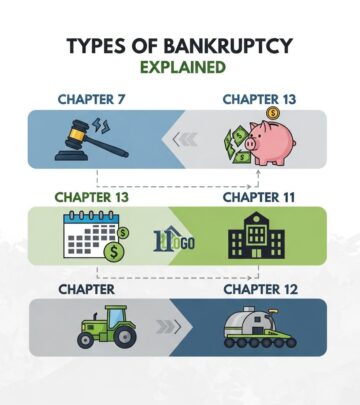
Bankruptcy is a federal court-supervised process designed to help debtors either eliminate or restructure debts they cannot repay. Primarily, individuals opt for Chapter 7, which liquidates non-exempt assets to pay creditors, or Chapter 13, which allows repayment over three to five years while retaining property. The U.S. Courts outline that a case starts with filing a petition, including schedules of assets, liabilities, income, expenses, and financial affairs. This comprehensive disclosure ensures transparency for trustees and judges evaluating eligibility and fairness.
Key motivations for filing include stopping creditor harassment via an automatic stay, preventing foreclosures or repossessions temporarily, and wiping out eligible debts like credit cards or medical bills. However, not all debts qualify for discharge, such as student loans, recent taxes, or child support. Eligibility hinges on factors like income relative to state medians and asset exemptions, which vary by jurisdiction.
Chapter 7: Liquidation for a Fresh Start
Chapter 7 bankruptcy suits low-income filers with primarily unsecured debts, aiming for quick debt elimination, typically within four to six months. Debtors pass a means test comparing household income to the state median; if below, qualification is straightforward, but higher earners must prove insufficient disposable income for payments.
The process demands gathering documents like tax returns, pay stubs, bank statements, and asset valuations. Debtors complete credit counseling from an approved provider beforehand, then file extensive forms detailing finances—often exceeding 60 pages. Upon filing, courts issue a case number, assign a trustee, and schedule a 341 meeting where identity and finances are verified under oath.
- Automatic Stay Activation: Immediately halts collections, lawsuits, and wage garnishments.
- Trustee Review: Examines assets for liquidation; most cases are ‘no-asset’ where exemptions protect everything.
- Discharge Timeline: Eligible debts erased 60 days post-meeting, barring fraud objections.
Exemptions shield essentials like homestead equity (up to certain limits), vehicles, and retirement accounts, per federal or state rules. Pro se filing is viable for simple cases, with tools aiding form completion, though attorneys ensure accuracy.
Chapter 13: Reorganization for Wage Earners
For those with steady income exceeding Chapter 7 limits or wishing to keep homes/cars, Chapter 13 proposes a repayment plan consolidating debts into affordable monthly payments. Filing fees total $310, often payable in installments. Plans last three years if income is below median, five otherwise, prioritizing secured debts and arrears.
| Aspect | Chapter 7 | Chapter 13 |
|---|---|---|
| Duration | 4-6 months | 3-5 years |
| Income Requirement | Means test pass | Regular income |
| Asset Retention | Exempt only | All, via plan |
| Debt Limits | No limits | Unsecured < $465K; Secured < $1.4M |
Debtors file petitions with income/expenditure schedules and proposed plans. Trustees distribute payments, and completion yields discharge of remaining unsecured debts. Ideal for curing mortgage delinquencies without acceleration.
Evaluating Your Eligibility and Readiness
Before proceeding, assess qualification rigorously. For Chapter 7, complete the means test using six-month income averages against poverty guidelines—households at 150% or below may waive fees. Chapter 13 requires disposable income for plans and debt caps. Run credit reports from Equifax, Experian, TransUnion to list all obligations accurately.
Pre-filing mandates include credit counseling within 180 days, costing $10-50 from DOJ-approved agencies. Compile exhaustive records: creditor details, property lists, monthly budgets. Incomplete filings risk dismissal, so double-check before submission.
The Complete Filing Process Step-by-Step
- Gather Documentation: Tax returns (2 years), pay stubs (6 months), statements, appraisals.
- Counseling Course: Obtain certificate from approved provider.
- Prepare Forms: Petition, schedules, statement of affairs—use official 100-series for individuals.
- Pay Fees: $338 for Chapter 7, $313 for Chapter 13; request waivers/installments if needed.
- File at Court: Submit in-person or electronically; receive case details immediately.
- Mail to Trustee: Bank/tax docs post-filing.
- Attend 341 Meeting: Bring ID, Social Security card, forms; answer questions 20-40 days later.
- Financial Management Course: Post-meeting requirement for discharge.
- Await Discharge: Court order erases debts.
Courts process filings swiftly, activating protections instantly. Trustees scrutinize for abuse, potentially converting or dismissing cases.
Credit Score Implications and Recovery Roadmap
Filing dings scores severely: Chapter 7 stays 10 years, Chapter 13 seven on reports. Initial drops reach 200+ points, but rebuilding starts immediately via secured cards, on-time payments. Public records alert lenders, raising rates temporarily.
Post-discharge, monitor reports for errors, diversify credit mix, keep utilization low. Many restore fair scores (580+) within 1-2 years. Bankruptcy halts negative marks from discharged debts, aiding recovery.
Non-Bankruptcy Alternatives to Consider First
Explore less drastic options before court:
- Debt Consolidation Loans: Combine into one lower-rate payment.
- Credit Counseling: Nonprofit agencies negotiate reduced rates/plans.
- Debt Management Programs: Centralized payments with concessions.
- Settlement Negotiations: Lump-sum payoffs for less than owed.
- Hardship Forbearance: Temporary relief from lenders.
These preserve credit better, succeeding if minor delinquencies or temporary setbacks exist. Bankruptcy suits insurmountable, unmanageable debt.
Debunking Common Bankruptcy Myths
Myths deter filings unnecessarily:
- All Assets Lost: Exemptions protect most household goods, equity.
- Spouse Always Affected: Non-filing spouses retain separate property.
- Job Loss Inevitable: Federal law prohibits discrimination.
- Impossible to Rebuild: Millions recover post-bankruptcy.
Costs, Timelines, and Professional Help
Attorney fees average $1,500 for Chapter 7, $3,000+ for Chapter 13, though pro se saves money for straightforward cases. Courts advise legal consultation due to complexities. Timelines: Chapter 7 discharges in months; Chapter 13 spans years but stabilizes finances.
Frequently Asked Questions (FAQs)
Can I file bankruptcy without a lawyer?
Yes, pro se filing is allowed using official forms, ideal for simple, no-asset cases.
How soon after filing does the automatic stay begin?
Instantly upon petition filing, pausing all collection actions.
Will bankruptcy stop a foreclosure?
Temporarily via stay; Chapter 13 allows curing arrears over time.
What debts survive bankruptcy?
Student loans, alimony, recent taxes, fraud-related obligations.
How long until I can buy a home post-bankruptcy?
2-4 years for conventional loans, sooner with FHA.
Final Thoughts on Making the Decision
Weigh bankruptcy’s relief against credit and stigma costs. Consult professionals, project budgets, and compare alternatives. For eligible debtors, it resets finances effectively, enabling rebuilding.
References
- How To File Bankruptcy for Free: A 10-Step Guide — Upsolve. 2023. https://upsolve.org/learn/how-to-file-bankruptcy/
- Chapter 13 – Bankruptcy Basics — United States Courts. 2024-10-01. https://www.uscourts.gov/court-programs/bankruptcy/bankruptcy-basics/chapter-13-bankruptcy-basics
- How to File for Chapter 7 Bankruptcy: 10 Steps — Nolo. 2024. https://www.nolo.com/legal-encyclopedia/chapter-7-bankruptcy-29454.html
- Bankruptcy — United States Courts. 2024. https://www.uscourts.gov/court-programs/bankruptcy
- Process – Bankruptcy Basics — United States Courts. 2024. https://www.uscourts.gov/court-programs/bankruptcy/bankruptcy-basics/process-bankruptcy-basics
- The Bankruptcy Filing Process: A Step-by-Step Guide — McMaster Law Firm. 2023. https://www.mcmasterlawfirm.com/the-bankruptcy-filing-process-a-step-by-step-guide
Similar Articles








Read full bio of Sneha Tete