Electric Vehicles: Expert Guide To Decide If An EV Fits You
Explore the key factors, costs, benefits, and real-world considerations to determine if switching to an electric vehicle fits your driving needs and lifestyle.
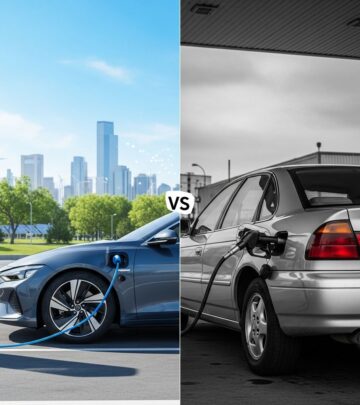
Electric vehicles (EVs) have transformed the automotive landscape, offering zero-tailpipe emissions, lower operating costs, and advanced technology. With models spanning compact cars to full-size trucks, buyers must evaluate personal needs like daily mileage, home charging access, and budget against EV strengths and limitations.
Understanding Electric Vehicles Today
EVs rely on large battery packs powered by electricity, eliminating the internal combustion engine found in gasoline cars. Modern EVs deliver instant torque for responsive acceleration and regenerative braking that recaptures energy during deceleration. Unlike hybrids, pure battery electric vehicles (BEVs) produce no exhaust, contributing to cleaner air in urban areas.
Battery technology has advanced rapidly, with capacities enabling 200-400 miles of range per charge in many models. For instance, mid-size SUVs like the Tesla Model Y offer up to 331 miles, while compact options like the Kia Niro EV suit shorter commutes.
Financial Aspects of EV Ownership
The upfront cost of EVs remains higher than comparable gas vehicles, averaging around $50,000 for new models, though entry-level options start under $30,000. Affordable choices include the MG4 at about $27,000 or the Citroën Ami for urban use at $7,700. Luxury models exceed $100,000 with premium features.
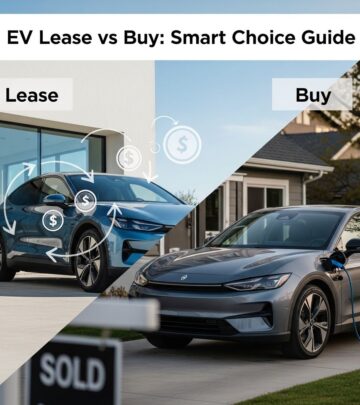
Financing mirrors traditional cars: outright purchase, leasing, or loans like personal contract purchase. Leasing often appeals due to lower monthly payments and protection against battery degradation. Federal incentives, such as tax credits up to $7,500 for qualifying U.S.-made EVs, reduce effective costs—check IRS guidelines for eligibility based on income and vehicle assembly.
| Vehicle Type | Avg. Starting Price | Est. Range (miles) | Key Incentive Eligibility |
|---|---|---|---|
| Compact EV | $25,000-$35,000 | 200-300 | Yes, up to $7,500 |
| Mid-Size SUV | $40,000-$60,000 | 250-350 | Yes, if U.S.-built |
| Full-Size Truck | $70,000+ | 300-500 | Varies by model |
Over time, EVs save money through electricity costs 2-4 times cheaper per mile than gas, plus exemptions from road taxes in many regions. A typical driver could save $1,000+ annually on fuel alone.
Charging Infrastructure and Home Setup
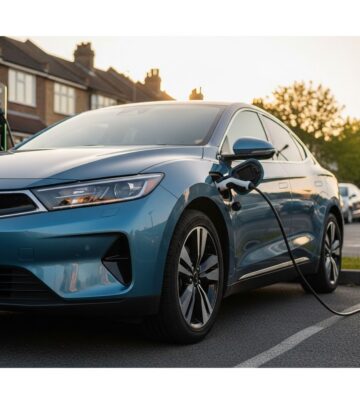
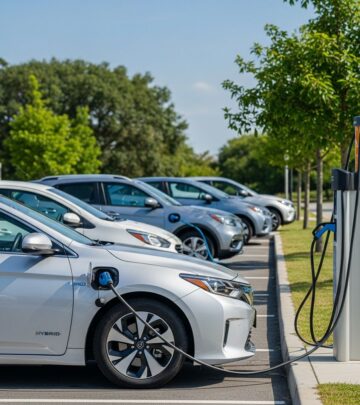
Charging is the cornerstone of EV ownership. Level 1 uses a standard 120V outlet, adding 3-5 miles per hour—suitable for overnight top-ups. Level 2 (240V) delivers 20-60 miles per hour, ideal for home garages; installation costs $500-$1,500 with utility rebates available.
DC fast chargers (Level 3) provide 100-200 miles in 20-30 minutes at public stations, now numbering over 100,000 in the U.S. Tesla’s Supercharger network leads, with adapters enabling non-Tesla access. Plugs vary: CCS for most non-Tesla, NACS for Tesla (adopted industry-wide by 2025), and fading CHAdeMO for older Nissans.
- Home Charging: 80% of sessions occur overnight; solar integration possible for green energy.
- Public Networks: Apps like Electrify America or EVgo locate stations; workplace chargers reduce daily reliance.
- Road Trips: Plan via vehicle navigation showing real-time availability.
Performance, Range, and Driving Experience
EVs excel in quiet cabins, smooth one-pedal driving, and superior handling from low battery placement. Top performers like the Hyundai Ioniq 5 N hit 0-60 mph in under 4 seconds.
Range depends on battery size, weather, and speed: expect 10-20% loss in cold. Real-world tests show compact SUVs averaging 250 miles, trucks up to 400.
- Tesla Model Y: 331 miles
- Kia EV6: 300+ miles
- Ford F-150 Lightning: 320-500 miles
Assess your habits: under 40 miles daily? Any EV fits. Frequent highways? Prioritize 300+ mile range.
Ongoing Costs: Maintenance and Insurance
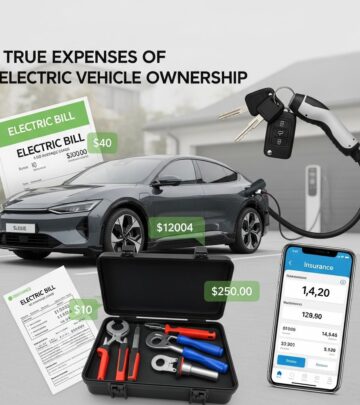
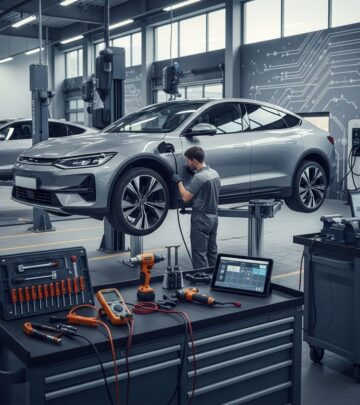
EVs slash maintenance by 50% versus gas cars—no oil changes, fewer brakes via regeneration. Tires and batteries are main expenses; warranties cover batteries 8 years/100,000 miles.
Insurance averages 10-20% higher due to repair costs, but shopping yields deals. Service intervals stretch to 20,000 miles.
Environmental and Lifestyle Benefits
EVs cut lifetime emissions by 50-70% even on fossil-heavy grids, rising with renewables. Home solar charging maximizes sustainability.
Instant torque enhances fun; spacious interiors from no engine bay suit families. Noise reduction improves comfort.
Potential Drawbacks and Solutions
High initial price offset by incentives. Charging time (hours vs. minutes) suits planners. Limited rural infrastructure improving yearly. Battery life exceeds 200,000 miles for most.
Top EV Recommendations by Category
Budget Commuters: Nissan Leaf, Kia Niro EV—under $35,000, 200-250 miles.
Family SUVs: Hyundai Ioniq 5, Volkswagen ID.4—practical, fast-charging.
Trucks: Rivian R1T, Chevy Silverado EV—towing capable.
Luxury: Audi Q4 e-tron, Polestar 2—premium tech.
Frequently Asked Questions
Can I charge an EV with solar panels?
Yes, compatible Level 2 chargers pair with home solar for free daytime charging.
How long does it take to charge?
Level 2: 4-10 hours full; DC fast: 20-60 minutes to 80%.
Are EVs cheaper to run?
Yes, $0.03-0.05 per mile vs. $0.15 for gas.
What if I live in an apartment?
Public stations, workplace charging, or portable units work; check local incentives.
Will EV batteries last?
Yes, retaining 70-80% capacity after 10 years.
Making Your Decision
Calculate your annual miles, charging access, and total ownership costs using online tools. Test drive multiples—many dealers offer demos. With infrastructure growth and falling prices, 2026 favors early adopters.
References
- EV Buying Guide – Everything You Need to Know to Make the Switch — Pod Energy. 2024. https://podenergy.com/guides/ev-buying-guide-everything-you-need-to-know-to-make-the-switch
- Electric Car Buying Guide: How to Buy the Right EV — Kelley Blue Book. 2025. https://www.kbb.com/car-advice/electric-vehicle-buying-guide/
- Find an Efficient Vehicle That’s Right for You — Consumer Reports. 2025. https://www.consumerreports.org/cars/hybrids-evs/buying-guide/
- Best Electric Vehicles for 2026, Tested — Car and Driver. 2026-01-15. https://www.caranddriver.com/rankings/best-electric-cars
- Edmunds EV Buying Guide — Edmunds. 2025. https://www.edmunds.com/electric-car/articles/ev-buying-guide/
Similar Articles








Read full bio of medha deb