Is a Credit Card Right for You?
Explore the advantages, pitfalls, and smart strategies to decide if adding a credit card to your financial toolkit makes sense.

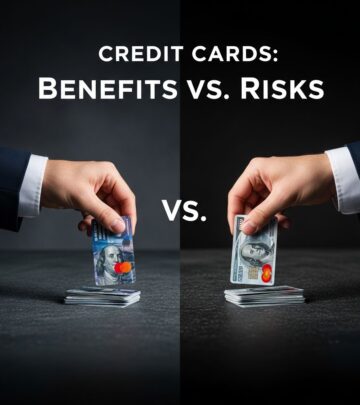
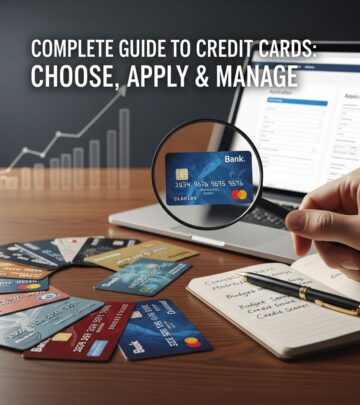
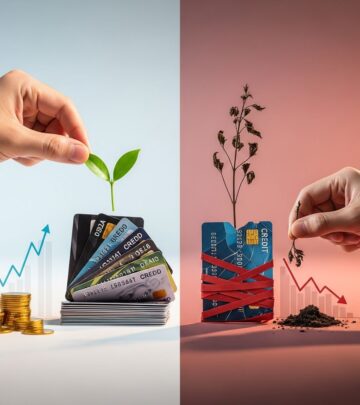
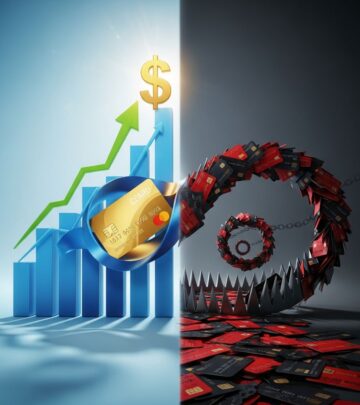
Credit cards serve as powerful financial instruments that can enhance everyday transactions while fostering long-term credit health when managed wisely. However, they also introduce substantial risks that demand discipline and awareness. This comprehensive guide delves into the multifaceted nature of credit cards, helping you assess their suitability for your circumstances.
Unlocking the Primary Advantages of Credit Cards
Credit cards provide a range of benefits that extend beyond simple payment methods, offering practical value in daily life and financial growth.
- Seamless Convenience: Unlike cash or checks, credit cards enable swift purchases at millions of locations worldwide, streamlining shopping both online and in stores. In 2024, they accounted for 35% of all consumer transactions due to their ubiquity and speed.Enhanced Security Features: Federal laws like the Fair Credit Billing Act cap liability for unauthorized charges at $50, and most issuers offer zero-liability policies, safeguarding users from fraud losses.Opportunities for Rewards: Many cards deliver cash back, travel miles, or points redeemable for gifts, with rates often reaching 1-5% on select categories, turning routine spending into tangible gains.Special Financing Deals: Introductory 0% APR periods on purchases or balance transfers allow interest-free borrowing for 12-21 months, ideal for planned large expenses if paid off promptly.Building and Improving Credit: Responsible usage—timely payments and low balances—positively impacts credit scores by demonstrating reliability to lenders.
Navigating the Notable Disadvantages
Despite their appeal, credit cards harbor pitfalls that can erode financial stability if not addressed proactively.
- Temptation to Overspend: The psychological distance from handing over cash often leads to higher spending; studies show card users spend 12-18% more than cash payers.Elevated Interest Costs: Average APRs exceed 20%, with variable rates tied to the prime rate, causing balances to compound rapidly— a $1,000 debt at 20% could double in under four years.Assorted Fees: Annual fees ($95-$550), late payments ($30-$40), cash advances (3-5% + higher APR), and foreign transaction charges (1-3%) can accumulate unexpectedly.Credit Score Vulnerabilities: High utilization over 30% of limits, late payments, or too many inquiries harm scores; new accounts temporarily drop scores by 5-10 points.Deferred Interest Traps: Promotional 0% offers revert to high APRs post-period, retroactively applying interest if unpaid.
Assessing Your Readiness for Credit Card Ownership
Not everyone benefits equally from credit cards; personal financial habits dictate their impact.
| Factor | Green Light Signs | Red Flag Warnings |
|---|---|---|
| Income Stability | Steady job or reliable income covering expenses | Uncertain employment or living paycheck-to-paycheck |
| Spending Discipline | Track expenses; live within means | Impulse buyer or history of debt |
| Credit History | No delinquencies; basic understanding | Bankruptcies or collections |
| Financial Goals | Build credit or earn rewards | No need for credit; prefer debit |
Individuals with predictable cash flow and a commitment to full monthly payoffs reap maximum rewards, while those prone to overspending may find alternatives like debit cards safer.
Types of Credit Cards Tailored to Different Needs
Selecting the appropriate card aligns its features with your lifestyle and objectives.
- Secured Cards: Require a refundable deposit (often $200-$500) as your limit; perfect for credit novices, converting to unsecured after six months of good behavior.Student Cards: No credit history needed; modest limits and rewards suit college budgets.Cash Back Cards: Flat 1-2% or bonus categories (groceries 3-6%); no-frills value.Travel Rewards Cards: Miles/points for flights/hotels, lounge access, but higher fees.0% Intro APR Cards: Balance transfers or purchases; strategic debt payoff tool.
Proven Strategies for Responsible Credit Card Usage
Maximize upsides while sidestepping downsides through deliberate practices.
- Pay Balances Fully Each Month: Avoid interest by settling statements before due dates; set calendar alerts or autopay.
- Monitor Utilization: Keep balances under 30% of limits—pay mid-cycle if nearing thresholds.
- Scrutinize Statements: Review monthly for errors or fraud; dispute promptly.
- Steer Clear of Cash Advances: High fees and immediate interest accrual make them costly.
- Leverage Rewards Wisely: Choose cards matching spending patterns; redeem optimally.
Real-World Impact: Case Studies in Credit Management
Consider these scenarios to contextualize outcomes.
- Success Story: Recent graduate Alex uses a secured card for gas ($150/month), pays off fully, earning a 60-point FICO boost in one year and upgrading to rewards.Cautionary Tale: Jordan carries $3,000 balance on a 22% APR card, making minimums; after two years, debt hits $4,200 with $1,500 in interest.Balanced Approach: Family transfers $5,000 debt to 18-month 0% card, pays $278/month, saving $800 in interest.
Frequently Asked Questions
Can credit cards improve my credit score quickly?
Yes, with on-time payments and low utilization, scores can rise 30-100 points in 3-6 months, though building history takes longer.
Are secured cards worth it?
Absolutely for beginners; deposits are refundable, and many graduate to better cards without hard inquiries.
What if I can’t pay my balance?
Contact issuer for hardship plans; prioritize minimums to avoid scores damage, then snowball payments.
Do all cards have annual fees?
No; many no-fee options exist, especially starter cards, balancing rewards with costs.
How many cards should I have?
1-3 for most; more risks score dings from inquiries/utilization, but spreads debt.
Alternatives to Traditional Credit Cards
If cards seem risky, explore these options.
- Debit Cards: Spend only available funds; no debt risk but no credit building or protections.Prepaid Cards: Load funds upfront; control spending but fees can exceed 3% per load.Buy Now, Pay Later (BNPL): Interest-free short-term plans (4-6 weeks) for purchases; builds payment history if reported.Credit Builder Loans: Borrow against savings; fixed payments boost scores without spending temptation.
Each alternative suits specific profiles—debit for strict budgets, BNPL for e-commerce.
Long-Term Financial Planning with Credit
Integrate credit cards into broader goals like homebuying or retirement.
- Maintain scores above 700 for prime rates.
- Use cards to diversify credit mix (10% of FICO).
- Avoid closing old accounts to preserve history.
Regularly reassess card utility; cancel underused ones after payoff.
References
- Credit Card Pros And Cons — Bankrate. 2024. https://www.bankrate.com/credit-cards/advice/benefits-of-a-credit-card/
- Pros and Cons of Credit Cards — Experian. 2024. https://www.experian.com/blogs/ask-experian/pros-cons-credit-cards/
- 11 Things to Know Before Getting Your First Credit Card — NerdWallet. 2024. https://www.nerdwallet.com/credit-cards/learn/things-to-know-first-credit-card
- Pros and Cons of Using Credit Cards — Intuit Credit Karma. 2024. https://www.creditkarma.com/credit-cards/i/pros-cons-credit-cards
- The Pros and Cons of Credit Cards — Farm Bureau Financial Services. 2024. https://www.fbfs.com/learning-center/the-pros-and-cons-of-credit-cards
Similar Articles








Read full bio of medha deb