Is a Business Line of Credit Right for Your Company?
Learn how a business line of credit works, when to use it, and how it compares to other financing so you can borrow strategically.
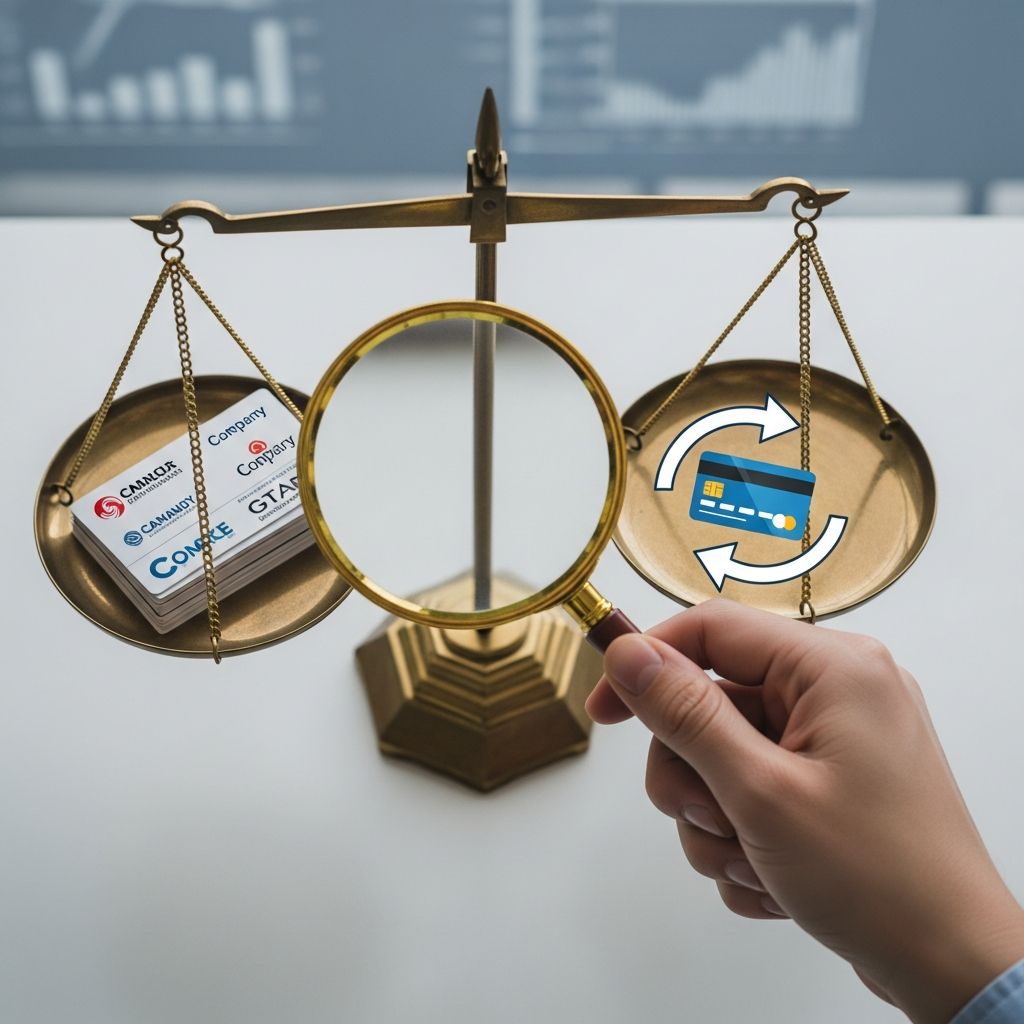
A business line of credit is one of the most flexible financing tools available to small and midsize companies. It lets you draw funds when you need them, repay what you use, and then access the money again, making it well suited for managing cash flow, seasonal swings, and short-term opportunities.
This guide explains how business lines of credit work, which businesses they fit best, the main benefits and drawbacks, and how they compare to other common funding options like term loans and business credit cards.
What Is a Business Line of Credit?
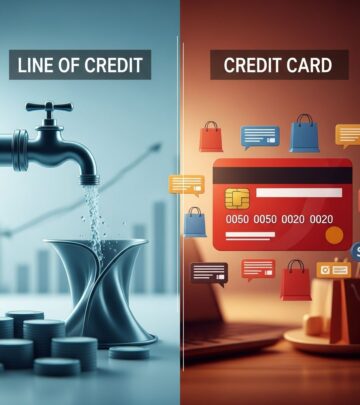
A business line of credit is a revolving credit facility that gives your company access to a pre-approved limit, similar to a credit card but typically with lower interest rates and higher limits.
Instead of receiving a single lump sum, you can draw funds up to your limit at any time, repay what you borrow, and then use the available credit again without reapplying.
Key Features
- Pre-approved limit: The lender sets a maximum amount you can borrow, such as $20,000, $100,000, or more.
- Revolving structure: As you repay outstanding balances, that credit becomes available for future use.
- Pay interest only on what you use: Interest is generally charged only on the funds you draw, not the entire limit.
- Flexible use of funds: Money can typically be used for any legitimate business purpose, from inventory to payroll.
- Ongoing access: Many lines of credit are open-ended or renewed annually, subject to review and good standing.
Secured vs. Unsecured Lines of Credit
Business lines of credit come in two main types: secured and unsecured.
| Type | Collateral Requirement | Typical Impact |
|---|---|---|
| Secured line of credit | Backed by collateral such as inventory, receivables, or equipment. | Can support higher limits and lower rates, but your assets are at risk if you default. |
| Unsecured line of credit | No specific collateral pledged; approval relies more on business and owner credit strength. | May have lower limits and higher rates; attractive for smaller firms without many assets. |
How a Business Line of Credit Works
Once approved, your lender will provide instructions for accessing funds, typically via online banking, checks, or transfers. You can withdraw any amount up to your available limit, repay it, and reuse the credit as needed.
Basic Mechanics
- You are approved for a credit limit (for example, $50,000).
- You draw $20,000 to cover expenses; you now have $30,000 remaining available.
- You pay interest only on the $20,000 you drew, not on the full $50,000 limit.
- As you repay principal, your available credit goes back up.
- Most lenders require at least a minimum monthly payment, which may include interest and a portion of principal.
Typical Costs and Fees
Costs vary by lender, credit profile, and whether your line is secured or unsecured, but you may encounter:
- Interest charges: Usually variable, tied to a benchmark rate plus a margin, and applied only to the outstanding balance.
- Annual or maintenance fees: Some lenders charge a fee to keep the line open, even if you do not use it.
- Draw fees: A small fee may apply each time you access funds.
- Late payment fees: Assessed if payments are missed or made after the due date.
Because you can borrow and repay repeatedly, it is important to track your usage closely to avoid accumulating expensive, long-term revolving debt.
Benefits of a Business Line of Credit
For many small businesses, a line of credit functions as a financial safety net, smoothing out cash flow and providing quick access to money when needed.
1. Flexible Access to Working Capital
- Draw only what you need, when you need it, instead of taking on a large lump-sum loan.
- Fund short-term needs like inventory purchases, small equipment, or marketing campaigns.
- Support everyday operations during slower revenue periods or seasonal dips.
2. Interest Only on Amounts Used
- You are not charged interest on unused portions of your credit limit.
- This can make lines of credit more cost-effective than taking out a full loan you may not entirely need.
3. Helps Manage Cash Flow
- Bridge gaps caused by late customer payments or long sales cycles.
- Cover payroll, rent, or supplier bills while waiting on incoming receivables.
- Handle emergency expenses like equipment repairs or replacement.
4. Builds Business Credit History
- Responsible use and on-time payments can help build your business credit profile over time.
- Stronger credit may lead to better terms and higher limits for future borrowing.
- Establishing a track record with a lender can improve your ability to qualify for larger loans later.
5. Faster and More Convenient Than Some Loans
- Applications for lines of credit can sometimes be processed more quickly than traditional term loans.
- Once in place, you can access funds immediately without reapplying for each new need.
Risks and Drawbacks to Consider
Despite their advantages, business lines of credit can also carry risks and may not be the cheapest option for every situation.
1. Potential for Over-Borrowing
- The revolving nature makes it easy to lean on the line too often, turning short-term borrowing into long-term debt.
- Poor planning can lead to a cycle of constantly carrying a balance and paying ongoing interest.
2. Variable Interest Rates
- Many lines of credit have variable rates that can rise when market rates increase, raising your cost of borrowing over time.
- This makes long-term forecasting harder compared to fixed-rate term loans.
3. Fees and Covenants
- Annual or maintenance fees can reduce the value of having a line you rarely use.
- Some lenders may impose financial covenants, such as minimum liquidity or debt service coverage ratios, that you must maintain.
- Missing payments or violating covenants can result in reduced limits, higher rates, or closure of the line.
4. Collateral and Personal Guarantees
- Secured lines of credit may put business assets at risk if you default.
- Owners may be asked to sign personal guarantees, increasing personal financial exposure.
When a Business Line of Credit Is a Good Fit
Lines of credit are designed mainly for short-term, recurring, or unpredictable financing needs, not for major one-time investments.
Ideal Use Cases
- Managing seasonal cash flow swings, such as retail businesses preparing for high-demand periods.
- Bridging the gap between paying suppliers and collecting from customers, especially in businesses with long sales cycles.
- Covering payroll, rent, or utilities during temporary revenue slowdowns.
- Financing small, quick-turnover inventory purchases.
- Addressing unexpected expenses, emergencies, or repairs that cannot wait.
When It May Not Be Ideal
- Funding large, one-time capital projects like property purchases or major equipment.
- Covering chronic, ongoing losses or structural cash flow problems.
- Situations where long-term, fixed-rate financing would be more stable and cost-effective.
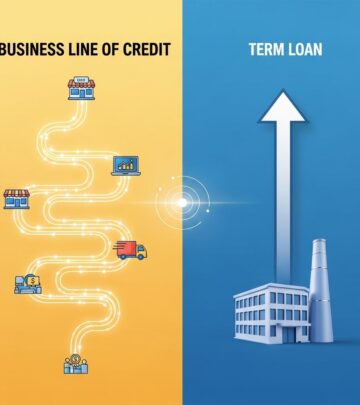
Business Line of Credit vs. Term Loan vs. Business Credit Card
Understanding how a line of credit compares with other tools can help you pick the right product for each need.
| Feature | Business Line of Credit | Term Loan | Business Credit Card |
|---|---|---|---|
| Structure | Revolving; draw, repay, draw again. | Lump sum with fixed repayment schedule. | Revolving, with monthly statement and minimum payment. |
| Best for | Short-term working capital and cash flow gaps. | Long-term investments (equipment, expansion). | Smaller, everyday purchases and online payments. |
| Interest | Usually variable; charged only on drawn amount. | Often fixed; charged on entire principal. | Typically higher APR; may have grace period for purchases. |
| Collateral | Can be secured or unsecured. | Often secured, especially for large amounts. | Usually unsecured; based on owner credit profile. |
| Typical limit | Higher than cards; lower than large term loans. | Can be significant, based on collateral and cash flow. | Lower limits; convenient for day-to-day spending. |
How to Qualify for a Business Line of Credit
Lenders evaluate several factors when deciding whether to approve a line of credit and what limit and rate to offer.
Common Eligibility Factors
- Time in business: Many lenders prefer at least 1–2 years of operating history, though some online providers may accept younger firms.
- Revenue and cash flow: Consistent income and positive cash flow help demonstrate ability to repay.
- Credit history: Both business and personal credit scores matter, especially for smaller or newer firms.
- Financial statements: Lenders may review balance sheets, income statements, and bank statements to assess financial health.
- Collateral (for secured lines): Quality and value of assets can influence your limit and terms.
Tips to Strengthen Your Application
- Maintain accurate, up-to-date financial records and tax returns.
- Work on improving personal and business credit scores by paying obligations on time.
- Prepare a simple business plan or forecast that shows how you will use and repay the credit.
- Start with a modest limit and build up as you demonstrate responsible usage.
Best Practices for Using a Business Line of Credit
When used strategically, a line of credit can strengthen your business. When mismanaged, it can become a persistent drain on cash.
Use It for Short-Term, Revenue-Linked Needs
- Match the financing term to the life of what you are funding; use lines of credit for expenses that will be repaid quickly through incoming revenue.
- Avoid using it as a permanent solution for long-term losses or capital projects.
Plan Repayment Before You Draw
- Have a clear plan for how and when you will repay each draw before you access funds.
- Track usage carefully to ensure debt stays manageable and aligned with cash inflows.
Monitor Covenants and Keep the Line in Good Standing
- Review your agreement for financial covenants and reporting requirements.
- Make payments on time to avoid fees, credit damage, or reductions in your limit.
- Communicate proactively with your lender if you foresee difficulties; many will work with borrowers who reach out early.
Frequently Asked Questions (FAQs)
Q: What is the main purpose of a business line of credit?
A: The primary purpose is to provide flexible, short-term working capital so your business can manage cash flow gaps, seasonal dips, and unexpected expenses without taking on a large lump-sum loan.
Q: Is a business line of credit better than a term loan?
A: It depends on your needs. A line of credit is usually better for recurring or unpredictable short-term needs, while a term loan is typically better for large, one-time investments you will repay over several years.
Q: Does a business line of credit affect my credit score?
A: Yes. Lenders may report your account to business credit bureaus, and responsible use with on-time payments can help build your business credit. Missed payments or defaults can damage your credit and reduce access to future financing.
Q: Do I have to use the full limit of my business line of credit?
A: No. You can draw any amount up to your available limit, and you pay interest only on what you actually use, not on the unused portion.
Q: How large of a line of credit can my business get?
A: The size of your line depends on factors such as revenue, profitability, collateral, and credit history. Stronger financials and collateral typically support higher limits, while newer or smaller businesses may start with more modest lines and grow them over time.
References
- What is a business line of credit, and how does it work? — British Business Bank. 2023-06-01. https://www.british-business-bank.co.uk/business-guidance/guidance-articles/finance/what-business-line-credit-and-how-does-it-work
- Pros and cons of using a business line of credit — Bankrate. 2024-03-12. https://www.bankrate.com/loans/small-business/business-line-of-credit-pros-cons/
- Understanding How Small Business Lines of Credit Work — PNC Bank. 2023-09-15. https://www.pnc.com/insights/small-business/manage-business-finances/understanding-small-business-line-of-credit.html
- What is a Business Line of Credit & How Does It Work? — Bank of America. 2023-10-05. https://business.bankofamerica.com/en/resources/understanding-business-lines-of-credit
- Benefits of a Business Line of Credit — Academy Bank. 2023-07-20. https://www.academybank.com/article/what-are-the-benefits-of-a-business-line-of-credit
- Pros & Cons of a Business Line of Credit — Armed Forces Bank. 2023-08-10. https://www.afbank.com/article/pros-and-cons-of-a-business-line-of-credit
- Understanding a Business Line of Credit and How it Can Help Your Business — Park National Bank. 2022-11-30. https://parknationalbank.com/understanding-a-business-line-of-credit/
Similar Articles








Read full bio of medha deb