Is a 401(k) Worth It?
Discover the real value of 401(k) plans: tax perks, employer matches, and pitfalls to watch for in your retirement strategy.

Employer-sponsored 401(k) plans serve as a primary vehicle for American workers building retirement wealth through tax-advantaged contributions and potential employer support. These defined contribution accounts allow pre-tax or Roth investments that grow over time, but their value depends on individual circumstances like income, job stability, and financial goals. While they offer substantial advantages, hidden costs and restrictions can diminish returns for some participants.
Understanding the Basics of 401(k) Plans
A 401(k) plan enables employees to defer a portion of their salary into investments, typically mutual funds or target-date portfolios, with earnings compounding tax-free until withdrawal. Introduced in the 1980s, these plans now cover tens of millions of workers, forming a cornerstone of U.S. retirement strategy. Employers often enhance appeal by matching contributions, effectively providing free money that boosts savings rates significantly.
Contributions fall into two main types: traditional pre-tax, which reduce current taxable income, and Roth after-tax, offering tax-free qualified withdrawals in retirement. Many plans now include both options, giving flexibility based on expected future tax brackets. Vesting schedules determine when employer matches become fully owned, usually over 3-6 years of service.
Key Advantages That Make 401(k)s Compelling
The strongest case for 401(k) participation lies in its multifaceted benefits, particularly for those with access to employer matches.
- Employer Matching Contributions: Many employers match 50% to 100% of employee contributions up to 6% of salary, doubling savings instantly. This ‘free money’ can accelerate nest egg growth dramatically over decades.
- High Annual Limits: In 2026, workers under 50 can contribute up to $24,500 pre-tax or Roth, with total employee-plus-employer caps at $72,000. Those 50+ gain $8,000 catch-up, and ages 60-63 qualify for $11,250 super catch-up.
- Tax Deferral and Growth: Pre-tax contributions lower current taxes, while investments grow without annual taxation, compounding efficiently. Roth versions provide tax-free income later, ideal if taxes rise.
- Creditor Protection: Under ERISA, 401(k) assets shield from lawsuits and bankruptcy, unlike taxable brokerage accounts.
- Convenience Features: Automatic payroll deductions enforce disciplined saving, with options for loans up to $50,000 from vested balances for short-term needs.
These perks position 401(k)s as superior to personal savings accounts for long-term horizons, especially with compound interest. For instance, consistent maxing of contributions with matches can yield millionaire-status portfolios by retirement age.
Potential Drawbacks and Hidden Costs
Despite attractions, 401(k)s carry limitations that may erode value, particularly for certain demographics.
- Elevated Fees: Plans often charge 0.5%-2% annually in management, administrative, and service fees, compounding to substantial drags on returns. Small plans face higher relative costs.
- Restricted Investment Choices: Employers curate limited menus, often 10-20 mutual funds lacking low-cost index options or alternatives like individual stocks or real estate.
- Early Access Penalties: Withdrawals before 59½ incur 10% penalties plus income taxes, locking funds during prime earning years. Loans risk default taxes if employment ends.
- Required Minimum Distributions (RMDs): Starting at age 73, forced withdrawals trigger taxes, potentially at higher rates, and disrupt legacy planning.
- Job Change Complications: Rollovers to IRAs or new plans add paperwork; cash-outs tempt taxable distributions.
For expats or high-mobility workers, cross-border tax treaties and foreign account reporting add complexity, sometimes making local alternatives preferable.
2026 Updates: What Savers Need to Know
Recent legislation via SECURE 2.0 Act brings timely enhancements and mandates affecting 401(k) strategies.
| Category | 2025 Limit | 2026 Limit | Key Notes |
|---|---|---|---|
| Under Age 50 | $23,500 | $24,500 | $1,000 inflation adjustment |
| Age 50+ Catch-Up | $7,500 | $8,000 | Standard boost |
| Ages 60-63 Super Catch-Up | $10,000 (est.) | $11,250 | Enhanced for late-career savers |
| Total Contribution (Emp+EE) | $70,000 | $72,000 | Includes matches |
A major shift: High earners (prior-year wages over ~$145,000-$150,000) must make catch-ups as Roth after-tax starting 2026, eliminating pre-tax deferral for this group. Plans without Roth options may bar catch-ups entirely, urging sponsors to update designs. Automatic enrollment expansions and part-time eligibility further broaden access.
Comparing 401(k)s to Other Retirement Options
To assess worth, weigh 401(k)s against alternatives like IRAs, HSAs, or taxable accounts.
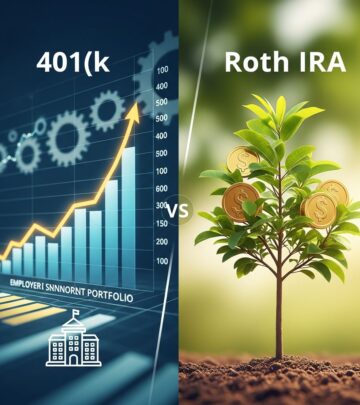
| Feature | 401(k) | Traditional IRA | Roth IRA | Taxable Brokerage |
|---|---|---|---|---|
| 2026 Contrib Limit | $24,500+match | $7,000 ($8,000 50+) | $7,000 ($8,000 50+) | Unlimited |
| Employer Match | Yes | No | No | No |
| Tax Treatment | Pre-tax/Roth | Pre-tax | After-tax | Taxed annually |
| Investment Flexibility | Limited | High | High | High |
| Withdrawal Penalties | Yes pre-59½ | Yes pre-59½ | Contributions anytime | None |
401(k)s excel with matches but lag in flexibility; max one first, then fund IRAs. HSAs offer triple tax benefits for medical expenses.
Strategies to Maximize 401(k) Value
Participation pays off with smart tactics:
- Contribute enough for full match—prioritize like a raise.
- Select low-fee index funds; review expense ratios annually.
- Diversify within options; use target-date funds for simplicity.
- Plan Roth vs. traditional based on tax projections.
- Roll over promptly on job changes to avoid fees/taxes.
- Use loans judiciously; repay quickly to minimize opportunity cost.
For 2026, budget for higher limits, confirm Roth catch-up availability if high-income, and adjust for SECURE changes.
Who Benefits Most from a 401(k)?
Ideal candidates include stable employees with matches, high earners in peak tax brackets, and long-term planners. Short-term workers or those needing liquidity may prefer Roth IRAs. Self-employed can use solo 401(k)s for higher limits. Expat considerations demand professional advice on portability.
Frequently Asked Questions (FAQs)
Should I contribute to my 401(k) if no employer match?
Yes, for tax advantages and compounding, but consider IRA flexibility first.
What happens to my 401(k) if I quit?
Leave it, rollover to IRA/new plan, or cash out (tax/penalty hit).
Can I have multiple 401(k)s?
Yes, but combined contributions cap at annual limit.
Are 401(k) loans safe?
They preserve investments but risk taxes if unpaid on job loss.
How do 2026 Roth catch-up rules affect me?
High earners pay taxes now for tax-free growth later; verify plan compliance.
Final Thoughts on 401(k) Viability
With employer matches and tax perks outweighing drawbacks for most, 401(k)s prove worth it as a core retirement pillar—especially leveraging 2026’s expanded limits. Weigh personal factors, minimize fees, and integrate with broader planning for optimal results. Consistent use builds enduring security.
References
- 401k Pros and Cons: An Overview — Titan Wealth International. 2024. https://titanwealthinternational.com/learn/401k-pros-and-cons/
- What the 2026 401(k) Changes Mean for Your Retirement Planning — Tower Trust. 2025. https://www.towerqc.com/financial-advice/what-the-2026-401k-changes-mean-for-your-retirement-planning/
- 401(k) Changes in 2026: What Every Saver and Sponsor Needs to Know — JD Supra. 2025. https://www.jdsupra.com/legalnews/401-k-changes-in-2026-what-every-saver-1319915/
- 9 Ways Your Retirement Planning Will Change in 2026 — AARP. 2025. https://www.aarp.org/money/retirement/biggest-changes-2026/
- Why Running a 401(k) Plan Feels Harder Than Ever in 2026 — 401k Plan Advisor. 2025. https://401kplanadvisor.com/401k-plan-administration-challenges-2026/
Similar Articles








Read full bio of Sneha Tete