IRS Identity Verification Methods and Procedures
Complete guide to IRS identity authentication requirements and verification processes
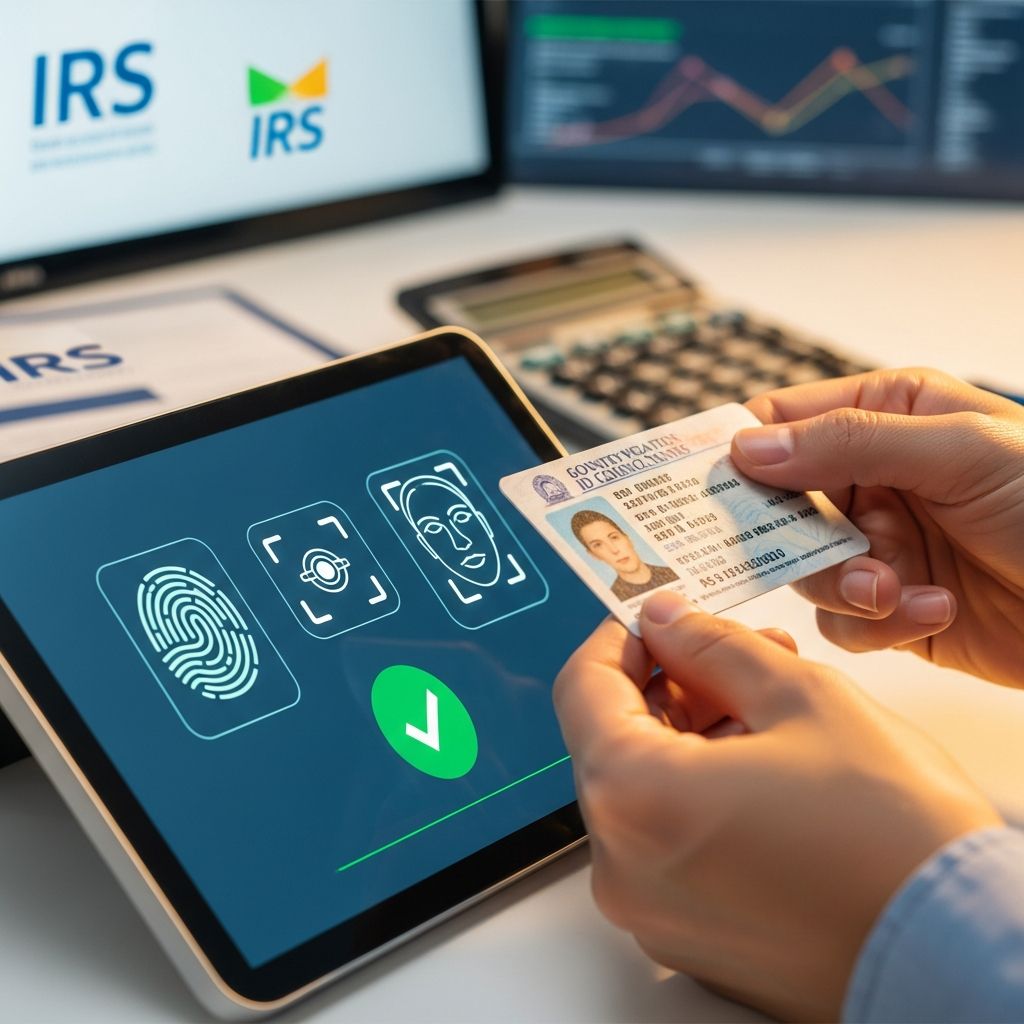
The Internal Revenue Service implements multiple authentication mechanisms to verify that tax returns are filed by legitimate taxpayers and to combat identity theft and fraudulent claims. Understanding these verification processes helps taxpayers respond appropriately if selected and protects their financial information during tax season.
Understanding Why the IRS Verifies Identity
The IRS verification process serves as a critical safeguard against tax fraud and identity theft. When a tax return is filed electronically or by mail, the agency cross-references the information provided against existing records and databases to ensure consistency. If discrepancies arise or suspicious patterns emerge, the IRS may initiate a verification request to confirm that the person filing the return is actually the legitimate taxpayer.
Identity theft has become increasingly common in the tax system, with criminals filing fraudulent returns to claim refunds under stolen Social Security numbers. The IRS’s verification procedures help prevent criminals from successfully obtaining refunds through fraudulent claims.
The CP5071 Series Notice System
When the IRS requires identity verification, taxpayers typically receive correspondence through the mail. The agency uses the CP5071 series notice to inform taxpayers that verification is necessary before their return can be processed or a refund can be issued.
These notices are always sent via traditional U.S. mail and never through email or unexpected phone calls. This distinction is crucial for security purposes, as the IRS does not initiate verification requests by telephone or electronic mail. Taxpayers should be cautious of any verification requests that arrive through unauthorized channels, as these are likely scams targeting personal information.
The notice informs taxpayers of the specific reason verification was requested, which typically falls into two categories:
- The taxpayer did file a return and must verify their identity so processing can continue
- A return was filed under the taxpayer’s information but they did not submit it, potentially indicating identity theft
Online Verification Through ID.me Platform
The IRS has modernized its identity verification system by partnering with ID.me, a trusted third-party identity verification provider. This online verification process allows taxpayers to authenticate their identity and access various IRS services through a mobile-friendly platform.
To verify identity through the online system, taxpayers must provide:
- A photograph of valid government identification such as a driver’s license, state ID, or passport
- A selfie taken with a smartphone or computer with a webcam
The ID.me verification process typically requires only five to ten minutes to complete when using the self-service method. Once identity verification is successful, taxpayers can access their IRS accounts and access related tax documents online.
IRS Online Services Accessed Through Identity Verification
After successfully verifying identity through the ID.me platform, taxpayers gain access to multiple IRS online tools and services:
- Online Account: Access personal account information including amounts owed, payment history, and Economic Impact Payments
- Get Transcript Online: Obtain various Form 1040-series transcript types
- Online Payment Agreement: Apply for payment plans to resolve tax balances
- Child Tax Credit Update Portal: Manage advance payment enrollment and update banking information
- Identity Protection PIN (IP PIN): Obtain or retrieve a six-digit PIN that prevents unauthorized use of Social Security numbers
Manual Verification Process Through Correspondence
For taxpayers who cannot complete online verification or prefer traditional methods, the IRS offers alternative verification procedures. When a 5071C letter is received, taxpayers can verify their identity by phone using the toll-free number provided in the letter.
Regardless of the verification method chosen, taxpayers must have specific documents readily available during the process:
- The original verification letter from the IRS
- Current year tax return (Form 1040 and all supporting schedules)
- Prior year tax return (Form 1040 and all supporting schedules)
- All supporting documentation and receipts related to tax deductions or credits claimed
Government-Issued Identification Requirements
Tax professionals and individuals undergoing identity verification must provide valid government-issued identification. The IRS recognizes the following documents as acceptable forms of identification:
- Driver’s license
- State identification card
- Military identification
- National identification document
- Voter identification
- Passport or visa
- Employer-issued identification
- School identification card
For in-person transactions, tax professionals must physically inspect these identification documents and verify that the name, Social Security number, address, and date of birth match the information on record.
Security Standards and Authentication Levels
The IRS verification procedures comply with stringent security standards established by the National Institute of Standards and Technology. The agency uses Authentication Guideline Level 2 assurance level or higher, which requires knowledge-based authentication or stronger security protocols.
These technical standards ensure that personal information is only accessible to individuals with legitimate authorization and that taxpayer data remains protected throughout the verification process. The standards also require that all electronic transactions be associated with a specific person to maintain accountability and prevent unauthorized access.
Timeline for Return Processing After Verification
Once a taxpayer successfully completes the identity verification process and confirms that they filed the return in question, the IRS typically requires approximately six weeks to complete processing of the return. During this time, the agency reviews the return information, cross-references it with supporting documentation, and processes any refunds or payment obligations.
The processing timeline allows the IRS sufficient time to conduct fraud checks and verify that all information is consistent with existing records. Taxpayers should not expect immediate processing upon completing verification, as the six-week estimate accounts for current processing volumes and complexity of returns requiring verification.
Consequences of Failed or Incomplete Verification
If a taxpayer cannot complete the verification process or the verification fails to confirm their identity or that they filed the return, the IRS takes protective action to prevent fraud. In these circumstances, the return is rejected and investigated as potential identity theft or tax fraud.
This protective measure helps prevent criminals from successfully claiming refunds through fraudulent returns. The investigation allows the IRS to determine whether identity theft has occurred and to notify the legitimate taxpayer if their Social Security number has been compromised.
Protecting Against Identity Theft and Fraud
The IRS recommends that taxpayers take proactive steps to protect themselves from identity theft and tax fraud. One of the most effective protective measures is obtaining an Identity Protection PIN (IP PIN), which is a six-digit number that prevents someone else from filing a tax return using another person’s Social Security number or Individual Taxpayer Identification Number.
Taxpayers who verify their return through the IRS verification service do not need to complete Form 14039 (Identity Theft Affidavit) unless the IRS specifically requests this documentation. This streamlined process reduces paperwork and allows the agency to focus on investigating actual fraud cases.
Distinguishing Legitimate IRS Communications
Criminals frequently impersonate the IRS in phishing scams and identity theft schemes. Understanding the characteristics of legitimate IRS communications helps taxpayers avoid falling victim to fraud:
- Mail delivery: Legitimate verification requests arrive through U.S. mail, never through email
- Telephone contact: The IRS does not initiate verification requests by telephone
- Official notices: Communications reference specific notice numbers such as CP5071 or letter 5447C
- Request specificity: Legitimate notices specify which documents and information are needed for verification
Taxpayers who receive unexpected verification requests should independently contact the IRS using the phone number on their official notice or visit the IRS website directly rather than clicking links in suspicious emails or responding to unsolicited phone calls.
Verification Process for Tax Professionals
Tax professionals who prepare returns for clients must also comply with identity verification requirements. IRS Publication 1345 sets forth specific procedures that practitioners must follow, including inspecting valid governmental identification and verifying that client information is consistent across all documentation.
For returns filed electronically by tax professionals, the electronic signing process must be associated with the specific preparer, and verification requirements must meet federal security standards. In-person transactions by tax professionals may have different verification requirements than remote verification methods, with optional record checks for certain situations.
Accessing Verification Services Online
Taxpayers who receive a CP5071 series notice or letter 5447C can begin the verification process online at irs.gov/verifyreturn. Before starting the online process, taxpayers should have their IRS notice available and should also gather their tax return information.
If a taxpayer did not file a return but a return was filed under their information, they should use the verification service to notify the IRS of this situation. This notification protects the taxpayer and alerts the agency to investigate potential identity theft.
Video Verification Alternative
In addition to the self-service online verification method, the IRS and ID.me platform offer a video call verification option for taxpayers who prefer additional assistance. During video verification, the taxpayer uploads their identification document and participates in a brief video call with a verification representative who confirms their identity.
This alternative method provides personalized assistance for taxpayers who encounter difficulties with the self-service process or who feel more comfortable with human interaction during the verification process.
Responding Promptly to Verification Requests
When the IRS questions whether a return is legitimate, it will not process the return or issue a refund until the taxpayer responds to the verification request and completes authentication. This hold on processing continues until verification is complete, making timely response essential for taxpayers awaiting refunds.
Taxpayers who delay responding to verification requests may experience significant delays in receiving refunds or processing their returns. Prompt action upon receiving a verification notice ensures that processing can continue and refunds can be issued without unnecessary delays.
Frequently Asked Questions
What should I do if I receive an IRS verification notice?
Follow the instructions on the notice, which will either direct you to verify online at irs.gov/verifyreturn or provide a phone number to call. Have your notice and tax return information available during the verification process.
Is it safe to verify my identity online?
Yes, the IRS online verification system uses ID.me, a trusted identity verification provider. The process uses security standards established by the National Institute of Standards and Technology and is designed to protect taxpayer information.
How long does verification typically take?
Self-service online verification usually takes five to ten minutes. After verification, return processing typically takes approximately six weeks.
What if I did not file the return that triggered the verification request?
Use the verification service to notify the IRS that you did not file the return. This alerts the agency to investigate potential identity theft and protects your account.
Can the IRS verify my identity by phone without my request?
No, the IRS does not initiate verification requests by phone. Legitimate verification requests arrive through U.S. mail or direct you to verify online. Unsolicited phone calls claiming to be from the IRS requesting verification are likely scams.
References
- Tips for Handling Identity Verification Requests From the IRS — TurboTax, Intuit. https://turbotax.intuit.com/tax-tips/security/tips-for-handling-identity-verification-requests-from-the-irs/
- New online identity verification process for accessing IRS self-help tools — Internal Revenue Service. December 7, 2021. https://www.irs.gov/newsroom/new-online-identity-verification-process-for-accessing-irs-self-help-tools
- New identity verification process to access certain IRS online tools and services — Internal Revenue Service. November 17, 2021. https://www.irs.gov/newsroom/new-identity-verification-process-to-access-certain-irs-online-tools-and-services
- New IRS Identity Verification Rules Have Generated Many Questions — Center for Agricultural and Life Sciences, Iowa State University. https://www.calt.iastate.edu/new-irs-identity-verification-rules-have-generated-many-questions
- Understanding your CP5071 series notice — Internal Revenue Service. https://www.irs.gov/individuals/understanding-your-cp5071-series-notice
- Verify your return — Internal Revenue Service. https://www.irs.gov/identity-theft-fraud-scams/verify-your-return
- IRS and ID.me — ID.me Help Center. https://help.id.me/hc/en-us/articles/8214940302999-IRS-and-ID-me
- Identity Verification and Your Tax Return — Taxpayer Advocate Service, Internal Revenue Service. March 2026. https://www.taxpayeradvocate.irs.gov/news/tax-tips/identity-verification-and-your-tax-return/2026/03/
Similar Articles








Read full bio of Sneha Tete