Invoice: Definition, Types, and Key Components
Complete guide to invoices: Understanding definitions, types, and essential elements.
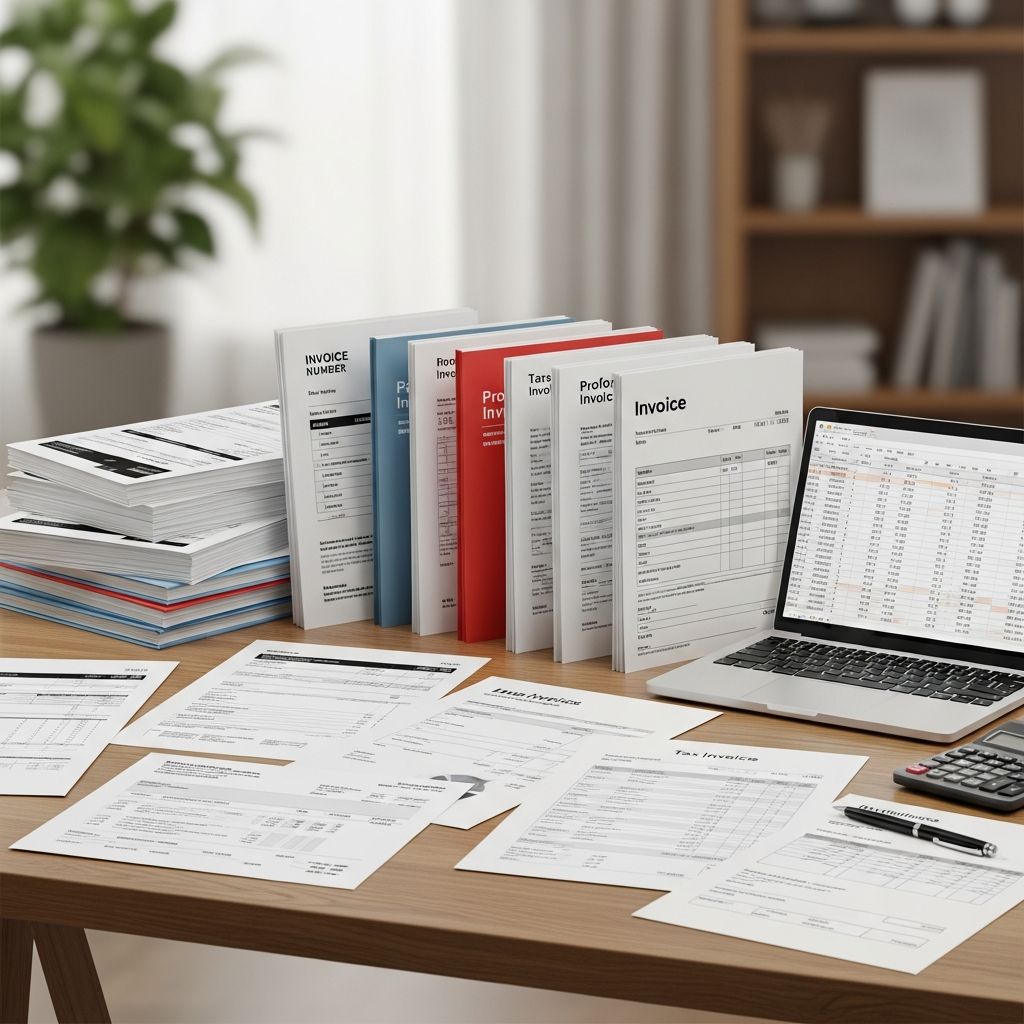
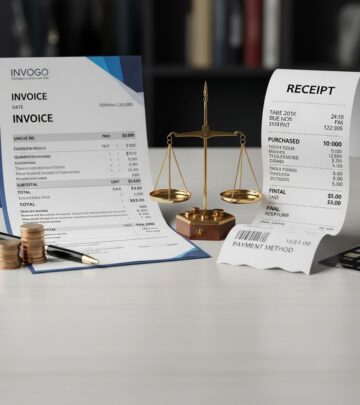
An invoice is a formal financial document issued by a seller to a buyer that details a transaction for goods or services provided. It serves as a request for payment and acts as a critical record-keeping tool for both parties involved in a business transaction. In essence, an invoice is a legally binding document that outlines what was sold, the price, and when payment is expected.
Invoices are fundamental to conducting business efficiently and maintaining accurate financial records. Whether you operate a small freelance business or manage a large corporation, understanding invoices and their proper use is essential for maintaining healthy cash flow and ensuring compliance with accounting standards.
What Is an Invoice?
An invoice is a commercial document that serves multiple purposes in business transactions. Primarily, it communicates to a customer the amount owed for products or services delivered. Beyond this basic function, invoices provide critical documentation for accounting, taxation, and legal purposes.
The invoice functions as proof of a transaction, detailing exactly what was exchanged between two parties and at what price. This documentation is essential for both the seller, who needs to track revenue and ensure payment collection, and the buyer, who needs to verify that charges match what was agreed upon and ordered.
An invoice typically includes the seller’s business information, the buyer’s details, a description of the goods or services provided, the amount due, and payment terms. The document may be issued in paper form or electronically, and modern businesses increasingly use digital invoicing systems for efficiency and environmental reasons.
Key Purposes and Functions of Invoices
Record-Keeping
Each invoice provides a detailed account of a transaction, outlining the goods or services exchanged, their costs, and any applicable taxes. This comprehensive record-keeping helps both parties maintain accurate financial records and creates an audit trail for regulatory compliance and financial analysis.
Payment Terms Establishment
Invoices specify payment terms such as due dates, which establish clear expectations for when payment should be made. These terms may include early payment discounts, late payment penalties, and accepted payment methods, all of which help manage cash flow and customer relationships.
Auditing and Reporting
Invoices simplify auditing and financial reporting processes by providing clear and organized records of transactions. They facilitate efficient organization and retrieval of financial data, enabling auditors to verify the accuracy of financial statements and ensure regulatory compliance.
Tax Documentation
For tax purposes, invoices serve as critical documentation that supports both income declarations for sellers and expense deductions for buyers. They provide evidence of transactions that may be required during tax audits or financial reviews.
Types of Invoices
Full Invoice
A full invoice is the most comprehensive type of invoice. It serves as a legal tax document, ensuring compliance in the seller’s home country and that of the customer. This invoice is necessary for transactions that exceed certain sales thresholds established by tax authorities.
| Characteristic | Full Invoice |
|---|---|
| Transaction Amount | Above sales threshold |
| Information Included | Seller info, buyer info, VAT details, item description, quantity, price, total amount, payment terms, due date |
| Legal Status | Serves as legal tax document |
| Usage | High-value transactions requiring full compliance |
Simplified Invoice
A simplified invoice, often referred to as a “Regular” Invoice, is used when transactions fall below certain thresholds. These invoices contain essential information but may have reduced VAT documentation requirements compared to full invoices. They are commonly used for lower-value transactions while still maintaining necessary record-keeping standards.
| Element | Details |
|---|---|
| Seller Info | Business name, address, contact |
| Buyer Info | Customer name, address |
| Delivery Date | When goods/services were delivered |
| Payment Terms | Terms under which payment is to be made |
| Items | Products/services provided |
| Rates | Price per item/service |
| Total Price | Sum of all items/services provided |
Sales Invoice
A sales invoice is sent from a seller to a buyer to request payment for a product or service. It typically contains fields such as seller information, buyer’s address, delivery date, payment terms, item details, rates, and the total price. This is the most common type of invoice used in everyday business transactions.
Debit Invoice
A debit invoice, also known as a debit note, is used to request the return of money and is typically utilized in B2B transactions for accounts receivable and payable. It can address changes in a previously issued invoice due to adjustments or additional charges that were not originally included.
| Aspect | Description |
|---|---|
| Purpose | Request return of money or document additional charges |
| Adjustment | Corrects undercharge or records additional charges |
| Documentation | Provides legal documentation for the change |
| Common Use | B2B transactions, accounts receivable/payable |
Credit Invoice
A credit invoice, or credit note, confirms the return of money to the customer. This type of invoice is issued when a customer has overpaid or received a refund. It includes specific information that acts as legal proof that taxes don’t need to be paid on the particular sale, making it essential for maintaining accurate tax records.
Key Elements of an Invoice
Understanding the primary components of an invoice is essential for efficient payment processing and record-keeping. A complete and professional invoice should include the following key elements:
Essential Information
A complete invoice must encompass the following essential details to be considered valid and legally binding:
| Element | Description |
|---|---|
| Seller Information | Business name, address, contact details, and tax identification number |
| Client Information | Client’s business name, address, contact details, and tax identification |
| Invoice Date | Date when the invoice was issued |
| Description of Goods/Services | Detailed breakdown of items sold or services rendered including quantity and unit price |
| Total Amount | Sum amount due including any taxes, shipping, and handling charges |
Accurate contact details for both the seller and client ensure clarity on who is issuing and receiving the invoice. This prevents payment routing errors and enables efficient communication regarding payment or inquiries about the invoice.
Invoice Number
Every invoice requires a unique identifier, known as the invoice number. This number is crucial for tracking the invoice internally and externally. It aids in efficient record-keeping and avoids confusion in case of multiple transactions with the same client. Various invoice numbering systems include:
Sequential Numbering: Incremental numbers assigned to each invoice in chronological order. This is the most common approach and makes tracking straightforward.
Customer-Specific Numbering: Unique identifiers based on client codes or projects. This approach helps organize invoices by customer and is useful for businesses with many regular clients.
Date-Based Numbering: Embeds the date within the invoice number, such as using the year, month, and day followed by a sequential number. This system helps identify when invoices were issued at a glance.
Payment Terms
Payment terms clarify when and how the client should make the payment. This section should specify the payment due date, late fees, and any discounts for early payment. Common payment terms include Net 30 (payment due within 30 days), Net 60, Due Upon Receipt, and terms offering early payment discounts such as 2/10 Net 30 (2% discount if paid within 10 days, otherwise due in 30 days).
Invoice Control and Compliance
Proper invoice management is critical for organizational integrity and fraud prevention. Key control practices include:
Approval by Proper Parties: All invoices should be approved by authorized personnel before processing to prevent unauthorized expenditures and ensure legitimacy.
Matching with Purchase Orders: Invoices should be matched against original purchase orders to verify that the correct goods or services were received at the agreed-upon prices.
Entry into Proper Accounting Period: Invoices must be recorded in the correct accounting period to ensure accurate financial records and facilitate proper audits.
By incorporating these practices, organizations can enhance internal controls, reduce errors, and prevent fraud.
Invoices for Accounting Purposes
Invoices are fundamental for accounting and financial tracking. They serve as a record of all sales and expenses, providing a clear overview of your business’s financial health. This data is invaluable for monitoring revenue, outstanding balances, and overall expenses.
Professional accounting systems rely heavily on invoice data to generate financial statements, track accounts receivable and accounts payable, and provide insights into business performance. Invoices also form the basis for reconciling bank statements and managing cash flow projections.
Frequently Asked Questions
What is the difference between an invoice and a receipt?
An invoice is issued before payment is made as a request for payment, while a receipt is issued after payment is completed as proof that payment was received. Invoices are used for accounting purposes to track outstanding amounts, while receipts serve as proof of transaction completion.
When should an invoice be issued?
An invoice should be issued immediately after goods or services are delivered or upon agreement, depending on the business arrangement. This ensures prompt payment processing and maintains accurate financial records.
What should I do if a customer disputes an invoice?
If a customer disputes an invoice, review the original agreement and purchase order to verify the accuracy of charges. Communicate with the customer to understand their concerns and, if necessary, issue a credit memo or corrected invoice.
Is it mandatory to include tax on an invoice?
Tax inclusion requirements vary by jurisdiction and business type. Generally, if your business is registered for sales tax or VAT, you must include applicable taxes on invoices. Consult local tax regulations or a tax professional for specific requirements.
How long should I keep invoices?
Most jurisdictions require businesses to retain invoices for a minimum of three to seven years for tax and audit purposes. Check local regulations for specific retention requirements applicable to your business.
Can invoices be issued electronically?
Yes, electronic invoicing is widely accepted and increasingly preferred by businesses. E-invoices must meet the same legal requirements as paper invoices and should be stored securely for record-keeping purposes.
References
- What is an Invoice? Guide to Invoicing — PXP. 2024. https://pxp.io/blog/what-is-an-invoice
- Invoice Factoring: What It Is and How It Works — NerdWallet. 2024. https://www.nerdwallet.com/business/loans/learn/invoice-factoring
Similar Articles








Read full bio of Sneha Tete