Investment Time Horizon: Choosing the Right Strategy
Align your investments with your financial goals and timeline for success.

Your investment journey begins with a fundamental question: when will you actually need the money you’re investing today? The answer to this question shapes virtually every decision you make about where to place your capital. This critical timeframe is known as your investment time horizon, and it serves as the foundation for building a portfolio that aligns with your financial aspirations and personal circumstances.
Defining Your Investment Time Horizon
An investment time horizon represents the duration you intend to hold an investment before accessing the funds for your planned purpose. Rather than being merely a theoretical concept, it is a practical timeline that bridges your current financial situation and your future financial goals. Whether you’re saving for a vacation next summer or planning for retirement decades away, your time horizon directly influences which investments make sense for you.
The concept extends beyond simply holding onto an investment passively. It encompasses your commitment to staying invested through various market conditions, your ability to weather short-term volatility, and your capacity to benefit from long-term growth trends. Understanding this timeframe allows you to make informed decisions about asset allocation, diversification, and risk management.
The Three Primary Investment Categories
Financial professionals typically organize investment strategies into three distinct categories based on duration. Each category carries different expectations, risk profiles, and recommended investment vehicles. Understanding which category applies to your specific financial goals helps you construct an appropriate investment strategy.
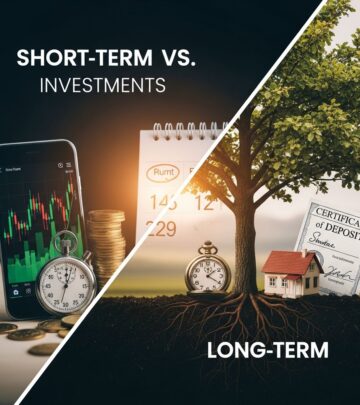
Short-Term Investment Strategies (Zero to Three Years)
Short-term investment horizons apply when you need your money within the next few years or less. These situations often arise when you’re working toward specific, near-term objectives that don’t allow for significant market risk exposure. The defining characteristic of short-term investing is the emphasis on capital preservation and liquidity over growth potential.
When your timeline is short, the markets have limited opportunity to recover from downturns. A significant market decline just before you need to withdraw your funds could jeopardize your financial goal. Consequently, short-term investors typically prioritize safety and accessibility.
Common short-term investment goals include:
- Emergency fund reserves
- Down payments on homes or vehicles
- Planned vacations or travel
- Holiday or gift purchases
- Upcoming home repairs or renovations
- Professional certification or education expenses
Suitable investment vehicles for short-term horizons typically include:
- High-yield savings accounts
- Money market accounts
- Certificates of deposit (CDs)
- Short-term corporate bonds
- Treasury bills
- Short-duration government bonds
These investment options prioritize stability and liquidity, ensuring your capital remains accessible when needed. While they typically offer lower returns compared to longer-term investments, they provide peace of mind that your funds will be available without loss when you require them.
Medium-Term Investment Approaches (Three to Ten Years)
Medium-term investment horizons offer more flexibility than short-term strategies because you have several years for markets to fluctuate and recover. This expanded timeframe permits a more balanced approach that incorporates both growth-oriented and conservative elements. The transition from short to medium-term horizons marks a meaningful shift in investment philosophy.
With three to ten years available, you can tolerate moderate volatility in exchange for better growth potential. A market downturn in year two might completely derail a short-term plan, but a medium-term investor can often weather such disruptions and benefit from eventual recovery and compound growth.
Typical medium-term financial goals include:
- College education funding
- Home improvements or renovations
- Starting a family or major life changes
- Vehicle replacement or upgrades
- Beginning to build retirement savings
- Business investments or entrepreneurial ventures
Appropriate investment vehicles for medium-term horizons typically feature a diversified mix:
- Individual stocks or stock mutual funds
- Exchange-traded funds (ETFs)
- Medium-term corporate bonds
- Government bonds
- Balanced mutual funds combining stocks and bonds
- Real estate investments
- Dividend-paying securities
A balanced portfolio approach for medium-term investing might allocate funds across multiple asset classes, allowing you to capture growth potential while maintaining some downside protection. Many financial advisors suggest gradually shifting toward more conservative investments as your target date approaches.
Long-Term Investment Philosophy (Ten Years or More)
Long-term investment horizons—typically spanning more than a decade—fundamentally change your relationship with investment risk. When you have extended periods before needing your money, short-term market fluctuations become background noise rather than reasons for concern. Historical market data demonstrates that longer holding periods substantially reduce the likelihood of significant losses.
This extended timeline is perhaps the most powerful tool available to individual investors. Compound growth accelerates dramatically over decades, and temporary market downturns become merely waypoints along a longer upward trajectory. Investors with long-term horizons can often afford to take calculated risks that would be inappropriate for shorter timeframes.
Common long-term financial objectives include:
- Retirement planning
- College savings for young children
- Building intergenerational wealth
- Creating investment endowments
- Achieving financial independence
- Funding significant life events far in the future
Strategic investment choices for long-term horizons typically emphasize growth:
- Individual stocks
- Stock-focused mutual funds and ETFs
- Growth-oriented investments
- Real estate development projects
- Emerging market investments
- Long-duration bonds and annuities
- Alternative investments
Many long-term investors maintain aggressive positioning, with substantial equity exposure designed to capture maximum growth potential. As the target date approaches, a gradual transition toward more conservative allocations becomes prudent.
Risk Tolerance and Time Horizon Alignment
One of the most significant relationships in investing is between your time horizon and your appropriate risk level. Generally, longer time horizons support higher risk tolerance because you have more opportunity to recover from temporary declines. This doesn’t mean you should automatically take maximum risk, but rather that extended timeframes create more favorable conditions for accepting volatility in pursuit of returns.
Your personal risk tolerance—determined by factors including your age, financial stability, emotional comfort with losses, and overall life circumstances—should always guide your investment decisions. A long-term horizon creates the opportunity for higher-risk investing, but your individual psychology, income stability, and financial safety net should ultimately determine your actual allocation.
Young investors with stable incomes and long time horizons often benefit from aggressive portfolios because they can weather market downturns and benefit from years of compound growth. Conversely, someone nearing retirement typically requires more conservative positioning regardless of having additional years until retirement, because they have limited opportunity to recover from significant losses through work income and earnings.
Calculating and Determining Your Personal Time Horizon
Identifying your investment time horizon requires honest assessment of your financial situation and objectives. The calculation itself is straightforward: determine your current date and the target date when you’ll need to access these funds. The duration between these points is your time horizon.
However, the practical application involves deeper consideration. If you’re saving for college education and your child is currently thirteen years old, your time horizon is approximately five years until they typically begin college. If you’re 35 years old and plan to retire at 65, your retirement investment time horizon is thirty years—though you might need some funds earlier for other purposes, creating multiple simultaneous time horizons.
Many individuals manage several different time horizons simultaneously. You might have a one-year horizon for emergency funds, a five-year horizon for a home down payment, and a thirty-year horizon for retirement savings. Each deserves separate consideration and appropriate investment strategy.
The Compounding Effect: Why Time Matters
Time is perhaps the most underappreciated advantage available to investors. Albert Einstein allegedly called compound interest “the eighth wonder of the world,” and this principle explains why extended investment horizons produce dramatically different results than short-term investing.
When you reinvest earnings, you earn returns not just on your original principal but also on accumulated interest and gains. This multiplier effect accelerates over time, with growth in later years vastly exceeding growth in early years. An investment that doubles every ten years produces modest results in the first decade but spectacular results when extended across multiple decades.
Additionally, longer time horizons allow you to capture multiple market cycles. While short-term investors might buy near market peaks or be forced to sell near market bottoms, long-term investors can remain calm through fluctuations, knowing that historical trends strongly favor eventual recovery and growth.
Adjusting Your Strategy as Your Time Horizon Changes
Your investment time horizon isn’t static. As you progress toward your goal, your time horizon naturally shortens. A thirty-year retirement investment horizon becomes a ten-year horizon, then a five-year horizon as you approach your target retirement date. Smart investors recognize this progression and gradually adjust their investment strategy accordingly.
Many investment professionals recommend gradually shifting from growth-oriented to income-oriented and conservative investments as you approach your target date. This “glide path” approach reduces the risk of a major market downturn coinciding with your withdrawal date. Rather than maintaining aggressive positioning throughout, you methodically reduce risk exposure as your time horizon contracts.
Similarly, if circumstances change—perhaps you inherit funds or experience unexpected life events—you may need to revise your time horizon and reallocate accordingly. Flexibility and periodic review ensure your investment strategy remains aligned with your current situation and objectives.
Common Misconceptions About Investment Time Horizons
Many investors hold misconceptions that impair their decision-making. Some believe that short-term investing is inherently better because it provides quicker access to funds—ignoring the reality that emergency reserves should be kept in liquid accounts, not invested aggressively. Others mistakenly believe that long-term investing guarantees profits—while historical trends strongly favor long-term investing, individual investments can still fail.
Another common error is treating a long time horizon as justification for reckless risk-taking or abandoning diversification. While extended timeframes support more aggressive positioning, a well-constructed portfolio still requires thoughtful diversification and risk management appropriate to your personal circumstances.
Frequently Asked Questions About Investment Time Horizons
What if I have conflicting time horizons for different financial goals?
Most people manage multiple time horizons simultaneously. Create separate investment strategies for each goal: conservative allocations for near-term objectives, moderate allocations for medium-term goals, and aggressive allocations for long-term objectives. This compartmentalized approach ensures that one goal doesn’t compromise another.
How does inflation affect my investment time horizon?
Inflation erodes purchasing power over time, meaning you’ll need more money in the future to purchase the same goods and services. Long-term investors must account for inflation by seeking investments with growth potential that outpaces inflation. Conservative, low-yield investments may fail to preserve real purchasing power over decades.
Can I change my investment strategy if my circumstances change?
Yes, absolutely. Life circumstances change, and your investment strategy should adapt accordingly. If you experience unexpected wealth, job changes, or life events, reassess your time horizons and adjust your allocations. However, avoid making emotional decisions based on temporary market conditions.
Should I invest in stocks if I have a five-year time horizon?
This depends on your specific situation and risk tolerance. While stocks carry more volatility over five years than longer periods, a balanced approach incorporating some equity exposure is often appropriate for five-year horizons, particularly if this isn’t your only investment or emergency reserve. Consider your overall financial picture before deciding.
Is there a minimum time horizon for investing?
Technically, you can invest for any duration, even very short periods. However, shorter time horizons come with practical constraints including higher costs relative to returns and reduced ability to recover from losses. For periods under one year, cash equivalents typically make more sense than investments.
Building Your Personalized Investment Strategy
Your investment time horizon is the cornerstone upon which you build a successful financial plan. By clearly identifying your objectives, calculating the timeframe available, and selecting investments appropriate to that duration, you create a roadmap for achieving your financial goals.
Remember that investing is deeply personal. No single strategy suits everyone, and your approach should reflect your unique circumstances, goals, risk tolerance, and time horizons. Consider consulting with a financial advisor who can help you develop a comprehensive strategy aligned with your specific objectives and life situation.
References
- What Is an Investment Time Horizon? — Experian. https://www.experian.com/blogs/ask-experian/what-is-investment-time-horizon/
- Investment Time Horizons: Definition, Importance, Types — SoFi. https://www.sofi.com/learn/content/time-horizons-for-investing/
- What is an Investment Time Horizon? — GetSmarterAboutMoney.ca. https://www.getsmarteraboutmoney.ca/learning-path/understanding-risk/what-is-an-investment-time-horizon/
- What Is an Investment Time Horizon? — Fabric by Gerber Life. https://meetfabric.com/blog/what-is-an-investment-time-horizon
- Understanding Your Time Horizon in Commercial Real Estate — Feldman Equities. https://www.feldmanequities.com/education/understanding-your-time-horizon-in-commercial-real-estate/
Similar Articles








Read full bio of Sneha Tete