Investing in Precious Metals: A Beginner’s Guide
Learn how precious metals can diversify your portfolio and provide long-term wealth protection.
Building a successful investment portfolio requires more than just stocks, bonds, and mutual funds. As an investor, understanding alternative assets and diversification strategies is crucial for long-term wealth accumulation. Precious metals represent one of the most compelling alternative investment vehicles available to both beginner and experienced investors. This comprehensive guide explores why investing in precious metals can be a valuable component of your diversified portfolio and how to get started.
Why Precious Metals Matter for Your Portfolio
Precious metals have maintained their relevance in global finance for centuries, and their importance in modern investment portfolios cannot be overstated. Understanding the fundamental reasons to consider precious metals helps investors make informed decisions about portfolio allocation.
Precious Metals Hold Their Value Well
One of the most compelling reasons to invest in precious metals is their inherent ability to preserve wealth. Precious metals are largely scarce and represent finite resources on Earth. This scarcity means that unlike fiat currencies, which can be printed endlessly by governments, the supply of precious metals is limited. Because of this fundamental constraint, the value of precious metals is unlikely to significantly decrease over extended periods, regardless of prevailing economic trends or monetary policies. Historically, these metals have proven to be among the best stores of value, maintaining purchasing power through various economic cycles and inflationary periods.
Diverse Industrial and Commercial Applications
Many investors underestimate the practical utility of precious metals beyond jewelry and decorative purposes. Gold, silver, platinum, and palladium have extensive industrial applications that support consistent demand. These metals are integral components in medical devices, automotive manufacturing, semiconductor production, solar panels, and numerous other high-tech applications. This diverse industrial demand creates a fundamental floor for precious metal values and ensures continued relevance in our increasingly technological world.
Tangible Asset Ownership
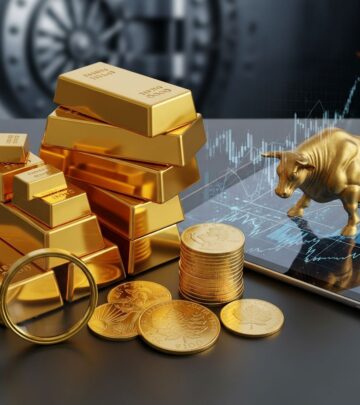
Unlike stocks, exchange-traded funds, cryptocurrencies, or mutual funds, precious metals offer investors the unique advantage of tangible asset ownership. You can hold physical gold bullion, silver coins, or platinum bars in your possession. This tangibility provides psychological reassurance and eliminates counterparty risk associated with digital or paper-based investments. For many investors, the ability to own something physical and intrinsically valuable appeals to fundamental investment principles.
Key Advantages of Precious Metal Investments
Precious metal investments offer several distinct advantages that make them attractive to portfolio builders seeking diversification and risk mitigation.
Low Barrier to Entry
Contrary to popular misconception, investing in precious metals does not require substantial capital. First-time and novice investors can enter the precious metals market with minimal investment. Whether you purchase a few shares of mining company stocks, open a small precious metals IRA, or buy a single ounce of gold bullion or platinum jewelry, opportunities exist for investors at every wealth level. This accessibility democratizes precious metal investing and allows more people to benefit from portfolio diversification.
Relative Stability and Long-Term Potential
While no investment guarantees positive returns, precious metals have demonstrated relative stability over extended periods. The growing applications of gold, silver, palladium, and platinum across various industries ensure continued demand. These physical, finite resources with expanding use cases provide investors with confidence in long-term value preservation. Although short-term price fluctuations occur, the underlying fundamentals supporting precious metal values remain strong.
Portfolio Diversification Benefits
Adding precious metals to your investment portfolio is one of the most effective diversification strategies available. Precious metals often move inversely to stocks and bonds, meaning they frequently gain value when equity markets decline. This negative correlation helps offset losses from other asset classes, thereby reducing overall portfolio risk and volatility. A well-balanced portfolio that includes precious metals can weather economic storms more effectively than concentrated holdings in traditional securities.
Accessibility and Ease of Purchase
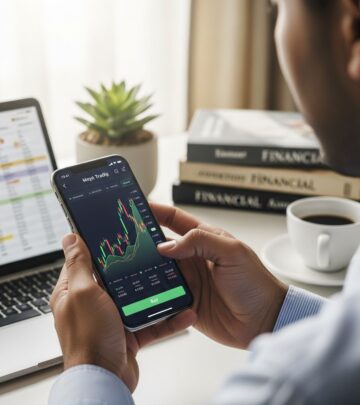
Numerous resources and platforms make purchasing precious metals straightforward for beginners. Whether you prefer physical investments like silver coins or gold bars, mining company stocks, or trading futures, extensive options exist. Modern investment apps and online platforms have simplified the process of acquiring precious metals, making entry into this asset class easier than ever before.
How to Invest in Precious Metals
Several distinct strategies allow investors to gain exposure to precious metals. Each method offers unique advantages and disadvantages depending on your investment style, risk tolerance, and financial goals.
Mining Company Stocks and Mutual Funds
Investing in stocks of precious metals mining companies provides direct exposure to industry performance. These stocks can be purchased and sold through any online brokerage platform, just like stocks in other sectors. Mining company mutual funds offer investors a diversified approach to gaining exposure to multiple companies within the sector.
This investment method suits investors experienced in buying and selling traditional equities who understand macroeconomic trends and factors influencing market activity. However, it’s important to recognize that mining company stock prices can be influenced by broader market pressures, general equity market conditions, and company-specific factors beyond the price of the underlying precious metal. Investment apps and online platforms provide access to numerous stocks of companies leveraged to gold and other precious metals, as well as specialized precious metals mutual funds.
Exchange-Traded Funds (ETFs)
Exchange-traded funds represent one of the most popular ways for modern investors to gain precious metals exposure. ETFs are investment securities where investors pool their capital into funds holding various financial assets, including stocks, bonds, currencies, futures contracts, and commodities like gold bullion.
For precious metals ETFs specifically, funds may include holdings of physical metals, shares of mining and production companies, or a combination of both. This flexibility allows investors to choose their preferred exposure level and strategy. ETFs offer several advantages including easy trading through standard brokerage accounts, lower fees than some mutual funds, and the ability to hold them within retirement accounts like IRAs.
Physical Precious Metals
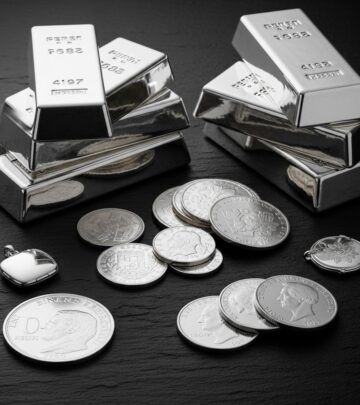
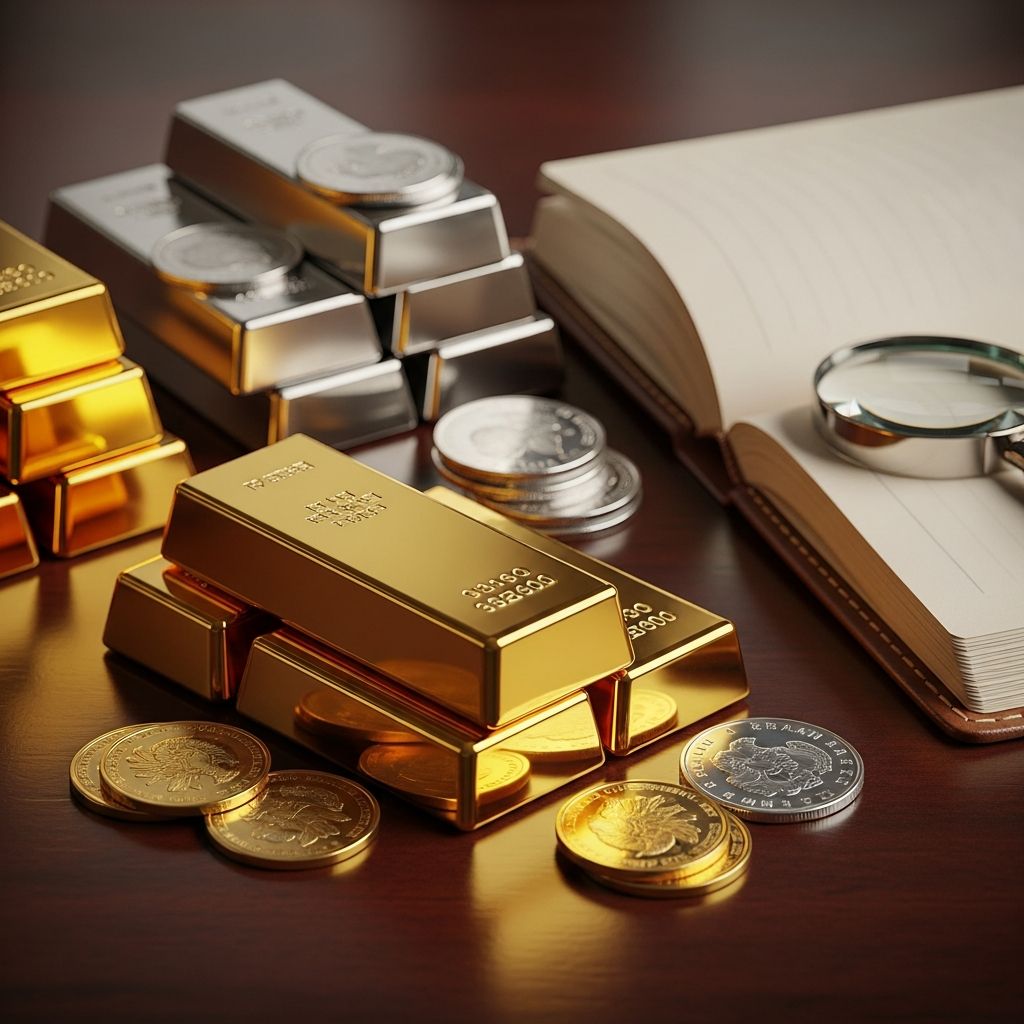
Purchasing physical precious metals directly—whether gold bars, silver coins, platinum ingots, or other forms—represents the most traditional investment approach. Physical metals can be purchased from dealers, jewelry stores, or online retailers specializing in bullion sales.
Investors choosing physical metals should factor in storage and insurance costs, which can impact investment returns. Some investors store metals themselves at home, while others utilize specialized storage facilities or safe deposit boxes. Understanding these costs is crucial for calculating true returns on physical metal investments.
Precious Metals IRAs
Specialized Individual Retirement Accounts designed specifically for precious metals offer tax advantages similar to traditional IRAs. A precious metals IRA allows investors to hold physical metals within a tax-advantaged retirement account. This strategy combines the benefits of precious metal ownership with tax-deferred growth potential, making it attractive for long-term retirement planning.
Futures and Options Contracts
Experienced investors may consider precious metals futures or options contracts, which provide leveraged exposure to price movements. These derivatives require sophisticated knowledge of commodity markets and carry higher risk than physical ownership or ETFs. Most beginner investors should avoid futures until developing substantial market expertise.
Understanding Precious Metals Price Movements
Several factors influence precious metals prices and investment returns. Recognizing these drivers helps investors make informed decisions about timing and allocation.
Interest Rates and Inflation
Interest rates and inflation represent primary drivers of precious metals prices. When interest rates decline, investors seek alternative stores of value, increasing precious metals demand. Similarly, higher inflation reduces the purchasing power of fiat currency, making precious metals more attractive. Because people use government-issued paper money to purchase precious metals, lower interest rates and higher inflation increase the number of dollars required to obtain the same quantity of gold or silver, supporting higher prices.
Economic and Geopolitical Uncertainty
Precious metals appreciate significantly during periods of economic instability and global uncertainty. They serve as safe-haven assets offering protection from the volatility of stocks and other risk assets. When investors fear market crashes, geopolitical conflicts, or economic downturns, precious metals become increasingly valuable as portfolio insurance.
Supply and Demand Dynamics
Like all investments, precious metals value fluctuates based on supply and demand. Growing industrial applications increase demand for materials like silver and platinum. Simultaneously, mining production, recycling rates, and inventory levels affect supply. Understanding these fundamental dynamics helps investors anticipate price movements and identify opportune entry points.
Comparing Investment Methods
| Investment Method | Liquidity | Storage Costs | Ease of Entry | Diversification |
|---|---|---|---|---|
| Physical Bullion | Lower | Yes | Easy | Limited |
| Mining Stocks | High | No | Easy | Company-dependent |
| Precious Metals ETFs | High | No | Very Easy | Excellent |
| Mutual Funds | High | No | Easy | Good |
| Futures Contracts | Very High | No | Difficult | Single Metal |
Risks and Considerations
While precious metals offer numerous advantages, investors must understand associated risks. Precious metals are not suitable for short-term trading strategies, as price volatility can result in losses over brief holding periods. The value of precious metals will eventually need to rise sufficiently to overcome dealer markups and storage fees before investors break even.
Additionally, precious metals generate no dividend income or interest like stocks or bonds. Investors rely entirely on price appreciation for returns. Tax treatment differs from equities, and regulations vary by jurisdiction and investment vehicle type. Careful consideration of personal financial goals, risk tolerance, and investment timeline is essential before committing capital.
Frequently Asked Questions
What is the minimum investment required to start investing in precious metals?
There is no fixed minimum investment for precious metals. You can start with as little as a few hundred dollars through mining company stocks or ETFs, or purchase fractional shares in precious metals funds. Physical metal purchases can range from small quantities of silver coins to full ounce purchases of gold.
Are precious metals good for diversification?
Yes, precious metals are excellent diversification tools. They frequently move inversely to stocks and bonds, providing portfolio balance and reducing overall volatility. This negative correlation helps protect against losses in traditional asset classes.
Should I buy physical precious metals or invest through ETFs?
The choice depends on your preferences and circumstances. Physical metals offer tangible ownership but require storage and insurance. ETFs provide easy trading, lower costs, and no storage requirements. Many investors use both approaches for complementary benefits.
How long should I hold precious metals investments?
Most experts recommend holding precious metals for the long term—typically five years or longer. Short-term trading often results in losses due to dealer markups and price volatility. Precious metals serve best as long-term portfolio components and wealth preservation vehicles.
Can I hold precious metals in a retirement account?
Yes, specialized precious metals IRAs allow you to hold eligible physical metals within tax-advantaged retirement accounts. This combines precious metal benefits with tax-deferred growth, making it attractive for retirement planning. Consult with IRA custodians about eligibility and requirements.
Building Your Precious Metals Strategy
Successful precious metals investing requires thoughtful strategy development. Begin by assessing your financial goals, risk tolerance, and investment timeline. Consider what percentage of your portfolio should include precious metals—typically five to ten percent represents a reasonable allocation for most investors.
Research available investment vehicles thoroughly and understand their fee structures, tax implications, and liquidity characteristics. Start with education through reputable sources rather than relying on guidance from companies profiting from precious metals sales. Develop a long-term perspective and avoid emotional decision-making based on short-term price fluctuations.
Conclusion
Precious metals represent a valuable component of well-diversified investment portfolios for investors at all experience levels and wealth amounts. Whether you’re just beginning your investment journey or expanding an established portfolio, precious metals offer tangible benefits including value preservation, diversification advantages, and protection against economic uncertainty. By understanding the various investment methods available, recognizing the factors influencing precious metals prices, and developing a thoughtful strategy aligned with your financial goals, you can effectively incorporate precious metals into your wealth-building plan. Remember that successful precious metal investing is a long-term commitment, and patience combined with disciplined decision-making typically yields the best results.
References
- Investing in Precious Metals: A Guide for Beginners — Money. 2025. https://money.com/investing-in-precious-metals/
- How to Invest in Silver — Money. 2025. https://money.com/how-to-invest-in-silver/
- Gold vs. Silver: Which Precious Metal Has More Upside Potential? — Money. 2025. https://money.com/gold-vs-silver-which-precious-metal-has-more-upside-potential/
- Pros and Cons of Having Gold in Your Portfolio — Money. 2025. https://money.com/pros-and-cons-of-having-gold-in-your-portfolio/
- Has Gold Been a Good Investment Over the Long Term? — Money. 2025. https://money.com/has-gold-been-a-good-investment-over-the-long-term/
- Why Invest in Gold — Money. 2025. https://money.com/why-invest-in-gold/
Similar Articles








Read full bio of medha deb