International Curriculum Vitae Example With Profile
Master international CV writing with comprehensive examples and expert guidance for global job applications.
Understanding the International Curriculum Vitae
A curriculum vitae, commonly known as a CV, is a comprehensive document that outlines your professional background, education, skills, and accomplishments. Unlike a traditional resume, which is typically one to two pages, a CV can be longer and more detailed, particularly in academic and international contexts. When applying for positions outside the United States, understanding how to structure and present an international CV is crucial to making a strong impression on employers and hiring committees worldwide.
The international CV serves as your professional identity card in the global job market. It communicates not only your qualifications but also your ability to adapt to different professional cultures and standards. International employers often expect more detailed information about your background than what a standard U.S. resume would include, making the CV an ideal format for demonstrating your comprehensive professional profile.
Key Differences Between International CVs and U.S. Resumes
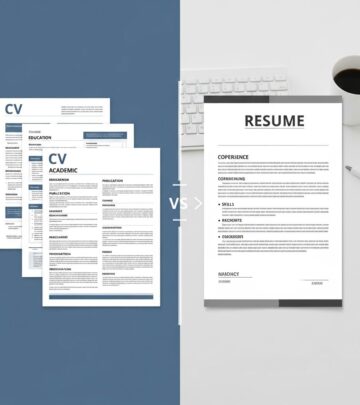
While resumes and CVs are sometimes used interchangeably, they have distinct differences that job seekers should understand. In the United States, employers typically prefer a one or two-page resume that highlights only the most relevant experience and skills. However, international CVs follow different conventions and expectations.
The primary differences include:
- Length: International CVs can be two to four pages or longer, depending on your experience level and the specific country’s expectations.
- Personal information: International CVs commonly include personal details such as date of birth, place of birth, citizenship, and visa status, which are rarely included in U.S. resumes.
- Format and structure: CVs tend to follow more standardized formats, particularly in Europe where the Europass CV format is widely recognized.
- Detail level: CVs provide more comprehensive descriptions of your responsibilities and achievements in previous roles.
- Academic focus: For academic positions, CVs emphasize publications, research, teaching experience, and scholarly contributions.
Essential Sections of an International CV
Understanding what sections to include in your international CV is fundamental to creating an effective document. While the exact sections may vary depending on your field and the country where you’re applying, certain elements are nearly universal.
Contact Information and Personal Details
Begin your CV with your full name at the top, followed by your contact information. For international CVs, include your phone number with the country code, email address, and city of residence. Depending on the country’s norms, you may also include your date of birth, place of birth, nationality, and current visa status. A professional photograph is often expected in European CVs, though this practice varies by country.
Professional Summary or Profile
Include a brief professional summary that highlights your key qualifications, years of experience, top skills, and what you’re seeking in your next role. This section should be two to three sentences or formatted as bullet points, providing employers with an immediate understanding of your professional value. The summary should be tailored to the specific position you’re applying for, emphasizing accomplishments and strengths most relevant to the role.
Education
List your educational credentials in reverse chronological order, starting with your most recent degree. For each qualification, include the degree type, major or field of study, the name and location of the institution, and the month and year you completed or will complete the degree. If your thesis title is relevant to the position, include it along with your advisor’s name. You may also list relevant coursework, continuing education programs, or professional certificates that strengthen your candidacy.
Professional Experience
This section forms the backbone of your CV. List your work experience in reverse chronological order, placing your most recent position first. For each role, include your job title, the organization’s name, location, and dates of employment. Use three to five bullet points per position to describe your responsibilities and highlight your achievements using strong action verbs such as “managed,” “developed,” “increased,” or “implemented.” Whenever possible, quantify your accomplishments with specific metrics or outcomes to demonstrate your impact.
Skills
Create a dedicated skills section that lists relevant competencies aligned with the position you’re pursuing. Skills can be organized by category, such as technical skills, language proficiencies, software expertise, or professional capabilities. This section helps recruiters quickly identify whether you possess the qualifications they’re seeking.
Certifications and Licenses
Include any professional certifications, licenses, or credentials relevant to your field. Specify the certifying organization and the year you earned or renewed the certification. This section is particularly important in regulated industries such as healthcare, engineering, or finance.
Languages
For international positions, your language proficiencies are valuable assets. List languages you speak and indicate your proficiency level, such as native, fluent, intermediate, or basic. If you hold language proficiency certifications, mention them here.
Publications and Presentations
If applicable to your field, include a section dedicated to published work, research papers, articles, or presentations you’ve delivered at conferences or seminars. Use proper bibliographic formatting and list items in reverse chronological order. This section is particularly important for academic and research-oriented positions.
Interests and Hobbies
When applying for international positions, including a section on your interests and hobbies provides employers with a more comprehensive view of you as a person. This section can reveal transferable skills, demonstrate cultural awareness, or show alignment with the organization’s values. However, be selective and choose interests that genuinely represent you and could enhance your candidacy.
International CV Format and Presentation
The Europass CV format has become one of the most recognized CV formats in Europe and is gaining acceptance globally. This standardized format ensures that your CV is easy to read and familiar to employers and educational institutions across different countries. The Europass CV builder allows you to create, store, and share CVs in 31 different languages, making it particularly useful for international job seekers.
When formatting your international CV, prioritize clarity and readability. Use clear, simple language and consistent formatting throughout the document. Choose a professional font, maintain adequate white space, and use bullet points to organize information effectively. Avoid excessive colors or graphics unless they’re relevant to your field, such as design or creative positions.
Tips for Writing an Effective International CV
Creating a compelling international CV requires attention to detail and strategic presentation of your qualifications. Here are essential tips to enhance your CV’s effectiveness:
- Tailor your CV: Customize your CV for each position, emphasizing the skills and experiences most relevant to the specific job and organization.
- Use action verbs: Start bullet points with strong verbs that demonstrate your active role and impact in previous positions.
- Quantify achievements: Include specific numbers, percentages, or metrics to illustrate the tangible results of your work.
- Maintain chronological order: Always list experiences, education, and achievements in reverse chronological order, with the most recent first.
- Address employment gaps: If there are significant gaps in your work or educational history, provide brief explanations to avoid raising questions.
- Proofread thoroughly: Check for spelling and grammar mistakes, as errors can negatively impact your professional image.
- Use a professional email: Ensure your email address sounds professional and includes your name if possible.
- Research country-specific expectations: Different countries have different CV conventions; research the expectations of the country where you’re applying.
Sample International CV Structure
Here is a typical structure you can follow when building your international CV:
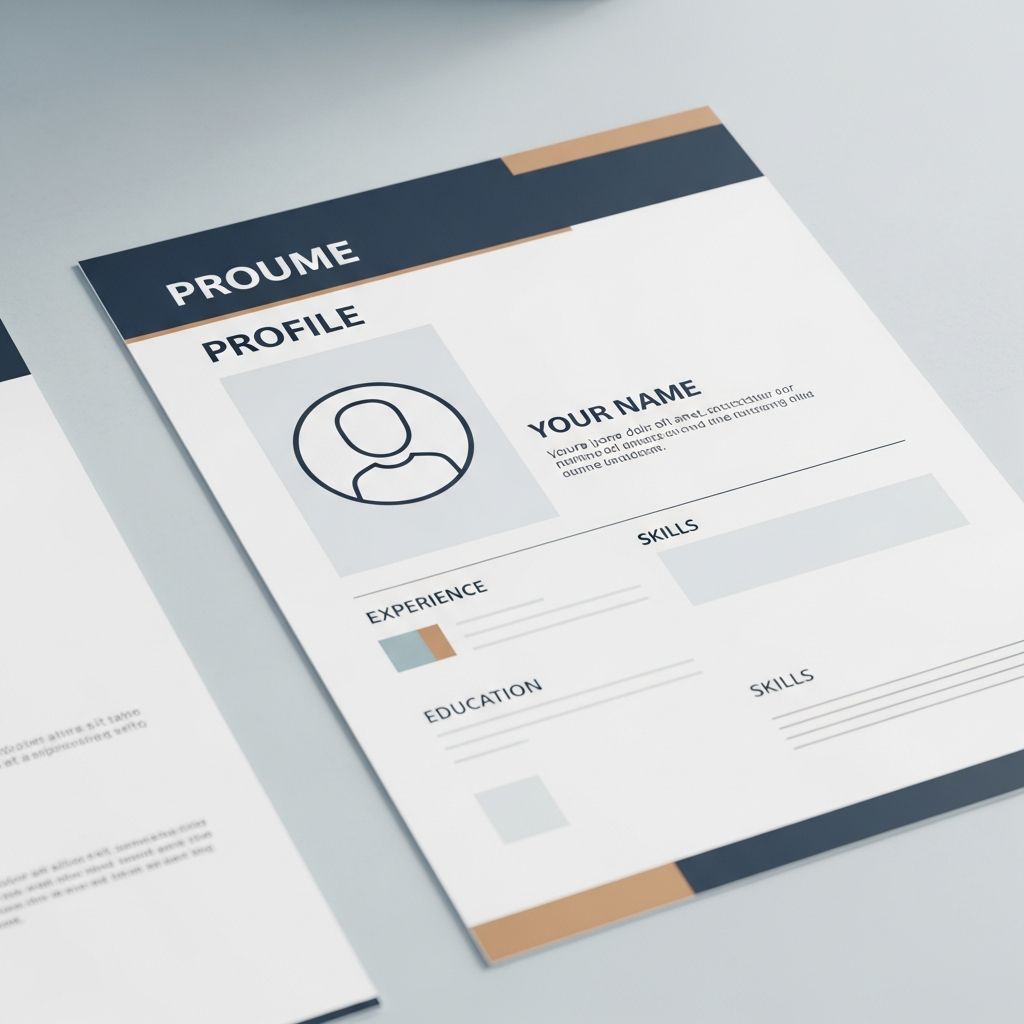
[Full Name][Date of Birth] | [Nationality][Phone Number with Country Code] | [Email Address][City, Country] | [Professional Website or LinkedIn Profile URL (Optional)]PROFESSIONAL SUMMARY[2-3 sentences highlighting your professional background, key accomplishments, and career objectives]PROFESSIONAL EXPERIENCE[Job Title] | [Employment Dates][Company Name] | [City, Country]- [Action verb] + accomplishment with quantifiable results- [Action verb] + responsibility and impact- [Action verb] + achievement demonstrating expertiseEDUCATION[Degree Type], [Major/Field] | [Month/Year Completed][Institution Name], [City, Country]- [Thesis title or relevant coursework, if applicable]SKILLS[Technical Skills] | [Language Proficiencies] | [Software Expertise] | [Professional Competencies]CERTIFICATIONS[Certification Name], [Certifying Organization] - [Year Earned]LANGUAGES[Language] - [Proficiency Level]PUBLICATIONS[Publication Title], [Publication Name], [Year]INTERESTS[Your relevant interests and hobbies]
Country-Specific CV Considerations
Different countries have different expectations for CVs. Research the specific requirements of the country where you’re applying:
- European CVs: European employers often expect the Europass format, which includes personal information such as date of birth and a professional photograph.
- United Kingdom: UK CVs are often called “CVs” and typically run two to three pages, including personal information.
- Canada: Canadian CVs are similar to those in the UK but may be slightly shorter, typically two pages.
- Australia: Australian CVs can be two to three pages and include personal information at the top.
- Middle East: CVs in this region often include a professional photograph and extensive personal information.
Frequently Asked Questions
Q: Should I include a photograph in my international CV?
A: This depends on the country and industry. In Europe, particularly in the Europass format, a professional photograph is often standard. However, in the United States and some other countries, including a photograph may invite age discrimination. Research the specific expectations of your target country and industry.
Q: How long should an international CV be?
A: International CVs can be two to four pages or longer, depending on your experience level and the country’s expectations. Academic CVs can be significantly longer. In general, aim for clarity and relevance rather than adhering to a strict page limit.
Q: What personal information should I include in an international CV?
A: This varies by country. International CVs often include date of birth, place of birth, nationality, and visa status. Research the norms for your specific target country before including this information.
Q: Should I include employment gaps in my CV?
A: Yes, if there are significant gaps, provide brief explanations. This transparency helps employers understand your career timeline and demonstrates honesty.
Q: How should I list my language skills on an international CV?
A: List languages with proficiency levels such as native, fluent, intermediate, or basic. If you have language proficiency certifications, include them. This is especially important for international positions.
Q: Can I use the same CV for all international job applications?
A: While you can use a base CV, it’s advisable to tailor each application to the specific position and organization. Customize the professional summary and emphasize the most relevant experiences for each role.
Q: What file format should I use when submitting my international CV?
A: PDF format is generally recommended as it preserves formatting across different devices and operating systems. However, check the job posting for specific file format requirements.
References
- Free Curriculum Vitae (CV) Template (Plus CV Example) — Indeed.com. 2024. https://www.indeed.com/career-advice/resumes-cover-letters/cv-template
- Create your Europass CV — European Union. 2024. https://europass.europa.eu/en/create-europass-cv
- Curricula vitae (CVs) — Career Advising & Professional Development, MIT. 2024. https://capd.mit.edu/resources/cvs/
- Curriculum Vitae Tips and Samples — Graduate College, University of Illinois. 2024. https://grad.illinois.edu/document/student-success/curriculum-vitae-tips-and-samples
Similar Articles








Read full bio of medha deb