How Interest Rates Affect Property Values
Understanding the critical relationship between interest rates and real estate market dynamics.
Interest rates play a fundamental role in shaping the real estate market. Whether you’re a prospective homebuyer, a seasoned real estate investor, or simply interested in understanding market dynamics, comprehending the relationship between interest rates and property values is essential. When central banks adjust interest rates, the ripple effects extend far beyond the banking sector, directly impacting housing affordability, buyer demand, and ultimately, property values themselves.
The Relationship Between Interest Rates and Property Values
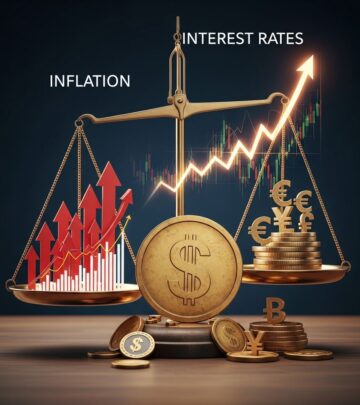
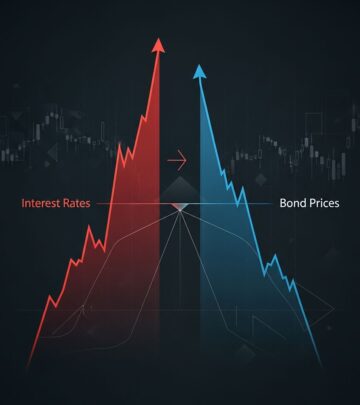
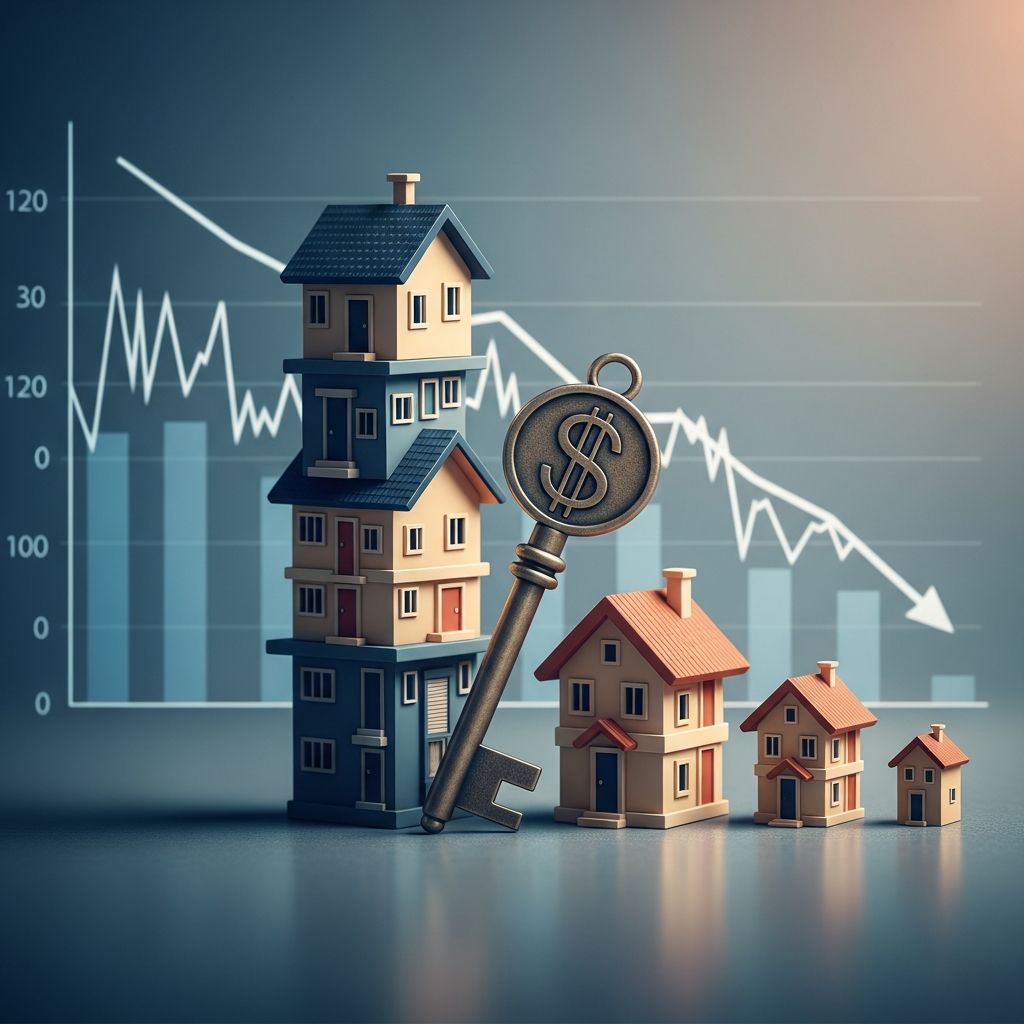
Interest rates and property values share an inverse relationship. When interest rates rise, property values typically decline, and conversely, when rates fall, property values tend to increase. This fundamental economic principle governs much of the real estate market’s behavior. Understanding this connection requires examining how interest rates influence the cost of borrowing money for property purchases.
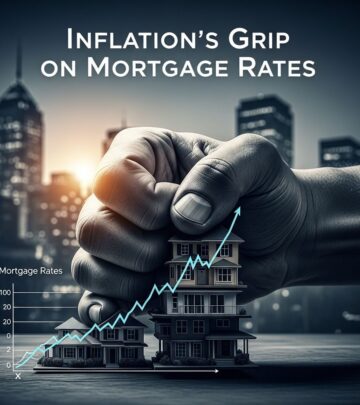
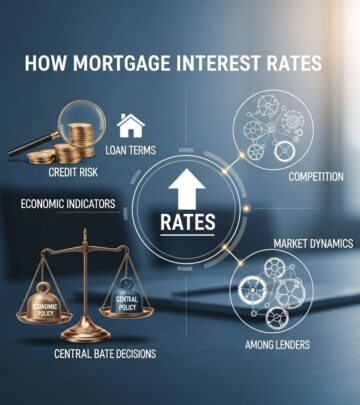
The Federal Reserve, which controls monetary policy in the United States, adjusts interest rates to manage inflation and employment levels. These adjustments directly influence the prime rate, which banks use to determine lending rates for mortgages and other consumer loans. When the Federal Reserve raises rates, mortgage lenders increase their rates, making borrowing more expensive for potential homebuyers.
How Higher Interest Rates Reduce Property Values
When interest rates increase, the monthly mortgage payment required to purchase a property also increases. For example, a buyer who could afford a $400,000 home with a 3% interest rate might only be able to afford a $300,000 home when rates rise to 6%. This reduced purchasing power creates lower demand in the real estate market.
Key factors showing how higher rates affect property values:
- Reduced Affordability: Higher mortgage rates increase monthly payments significantly, reducing the number of buyers who can qualify for loans.
- Decreased Demand: Fewer qualified buyers enter the market, reducing competition and downward pressure on prices.
- Extended Time on Market: Properties take longer to sell as the buyer pool shrinks.
- Inventory Buildup: Sellers may hold properties longer, increasing market inventory and creating a buyer’s market.
- Price Corrections: To attract buyers, sellers often reduce asking prices to reflect the new economic reality.
How Lower Interest Rates Increase Property Values
Conversely, when the Federal Reserve lowers interest rates, mortgage rates decrease, making borrowing more affordable. This increased affordability attracts more buyers to the market, creating higher demand for properties. The basic economic principle of supply and demand then drives property values upward.
Lower interest rates create several positive market conditions:
- Enhanced Affordability: Buyers can qualify for larger mortgage amounts with the same monthly payment capacity.
- Increased Buyer Competition: More qualified buyers compete for available properties, driving prices higher.
- Faster Market Velocity: Properties sell more quickly in a low-rate environment.
- Investor Interest: Real estate investors are more motivated to purchase properties when financing costs are lower.
- Appreciation Momentum: Rising prices attract additional buyers, creating a positive feedback loop.
The Mortgage Payment Impact
To illustrate the tangible impact of interest rate changes on property values, consider the mortgage payment calculation. The monthly mortgage payment depends on three factors: the loan amount, the interest rate, and the loan term. When interest rates increase while the loan amount and term remain constant, the monthly payment increases substantially.
A practical example demonstrates this principle clearly. A buyer with $50,000 for a down payment and $250,000 in qualifying income over 30 years can purchase a significantly different priced home at different interest rates. At a 3% interest rate, this buyer might qualify for a $500,000 home, but at 7% interest rates, they might only qualify for a $350,000 home. This difference in purchasing power directly affects demand and, consequently, property values across the market.
Supply and Demand Dynamics
The real estate market operates on fundamental economic principles of supply and demand. Interest rates serve as a crucial factor in determining the demand side of this equation. When rates are low, demand increases; when rates are high, demand decreases. Meanwhile, the supply of properties doesn’t change as quickly or dramatically as demand, making interest rate changes particularly powerful in influencing price levels.
In a low-interest-rate environment, the increased demand combined with relatively stable supply creates upward pressure on prices. Sellers recognize this buyer enthusiasm and may hold firm on pricing or even increase their asking prices. In a high-interest-rate environment, the decreased demand puts downward pressure on prices, and sellers must be more competitive to attract the diminished pool of qualified buyers.
Real Estate Investor Considerations
Real estate investors must carefully consider interest rate environments when making investment decisions. Higher interest rates directly impact investment returns by increasing financing costs. An investment property that provides adequate returns at 4% interest might not be profitable at 8% interest, as the increased mortgage payment reduces the cash flow available to the investor.
Investors should evaluate:
- The relationship between purchase price and rental income in different rate environments
- How rate changes might affect refinancing opportunities
- The potential for property value appreciation versus current yield requirements
- The opportunity cost of capital compared to alternative investments
- Long-term rate trends and market cycles
Time Lag Effects and Market Adjustments
It’s important to note that property values don’t instantly adjust to interest rate changes. The market typically experiences a lag period before values fully reflect new rate environments. Initially, buyers may continue purchasing at previous price levels, but as the impact of higher rates becomes apparent, demand gradually decreases, leading to price adjustments. This lag period can last several months to over a year, depending on local market conditions and economic factors.
During this adjustment period, real estate professionals, investors, and homebuyers must remain flexible and adaptive. Market participants who anticipate rate changes and adjust their strategies accordingly often find better opportunities than those who react passively to market shifts.
Regional Market Variations
While the relationship between interest rates and property values is consistent across markets, the magnitude of impact varies by region. Markets with high existing price-to-income ratios are more sensitive to interest rate changes because buyers are already stretching their budgets. In contrast, markets with lower price-to-income ratios may experience less dramatic value changes when interest rates shift.
Additionally, regional economic factors, employment growth, population trends, and local development significantly influence how interest rate changes affect individual property values. A region experiencing strong job growth may see property values rise even during a period of increasing interest rates due to offsetting positive economic factors.
Historical Context and Economic Cycles
Understanding historical interest rate trends provides valuable perspective on property value cycles. During the 2008 financial crisis, falling interest rates helped stabilize the real estate market after significant value declines. Conversely, the rapid rate increases of 2022-2023 contributed to a cooling of the previously overheated housing market. These historical patterns demonstrate the powerful and consistent relationship between interest rate policy and real estate market behavior.
Strategic Implications for Buyers and Sellers
For homebuyers, rising interest rates create urgency to purchase before rates increase further, though this urgency must be balanced against thorough financial planning. Buyers should focus on what they can afford rather than what property prices suggest they should be able to afford. For sellers, rising rates create pressure to reduce prices to maintain market competitiveness, while falling rates provide opportunities to maintain or increase asking prices.
Buyer strategies in different rate environments:
- Rising Rates: Lock in rates with rate locks, focus on affordability rather than price appreciation potential
- Falling Rates: Consider waiting for further decreases or refinancing opportunities after purchase
- Stable Rates: Focus on finding the right property and neighborhood fit
Long-Term Wealth Building Through Real Estate
Despite interest rate fluctuations, real estate remains an effective long-term wealth-building tool. While short-term property value movements are heavily influenced by interest rates, long-term appreciation is driven by fundamental factors including economic growth, population increases, and housing supply constraints. Buyers who purchase quality properties in desirable locations and hold them long-term typically see positive returns regardless of short-term rate-driven market cycles.
Frequently Asked Questions
Q: How quickly do property values respond to interest rate changes?
A: Property values typically respond to interest rate changes over several months to a year. The lag occurs because it takes time for the market to fully absorb rate changes, adjust buying behavior, and reach new price equilibriums. Market professionals and active buyers respond quickly, but the broader market adjustment takes longer.
Q: Can property values increase when interest rates are rising?
A: Yes, property values can increase even when interest rates are rising if other economic factors are sufficiently strong. For example, robust employment growth, population migration to a region, or limited housing supply can overcome the downward pressure from rising interest rates. However, the overall market trend typically favors prices declining when rates increase.
Q: What’s the impact of interest rates on commercial real estate?
A: Commercial real estate values are even more sensitive to interest rate changes than residential properties because commercial properties are valued based on income generation. Higher interest rates reduce both the demand for commercial space and the valuation multiples that investors are willing to pay for income-producing properties.
Q: Should I wait for interest rates to fall before buying a home?
A: This depends on your personal circumstances and market conditions. While waiting for lower rates might reduce your monthly payment, property prices may rise during the waiting period. Additionally, rates are unpredictable, and waiting could result in missing favorable market conditions. Focus on what you can afford and whether homeownership aligns with your financial goals rather than attempting to time the market.
Q: How do interest rates affect real estate investment returns?
A: Interest rates directly impact investment property returns by affecting the cost of financing. Higher interest rates reduce cash flow on rental properties and require higher rental income to achieve target returns. This influences which properties are economically viable for investors and affects overall investment returns in the real estate sector.
Q: Is there a specific interest rate that’s optimal for real estate markets?
A: There’s no universally optimal interest rate for real estate markets. However, rates that are consistent and predictable allow markets to adjust and function smoothly. Extremely low rates can overheat markets and create bubbles, while extremely high rates can freeze markets and create affordability crises. Moderate, stable rates typically support healthy market functioning.
References
- Monetary Policy and the Fed’s Role — Federal Reserve Board of Governors. 2025. https://www.federalreserve.gov/monetarypolicy/default.htm
- How Mortgage Rates Affect Home Prices and Affordability — National Association of Realtors. 2024. https://www.nar.realtor/
- Housing Market and Interest Rate Dynamics — U.S. Department of Housing and Urban Development. 2024. https://www.hud.gov/
- Real Estate Investment Analysis in Changing Rate Environments — Investopedia Editorial Team. 2024. https://www.investopedia.com/mortgages/
- Understanding Supply and Demand in Real Estate Markets — Bureau of Labor Statistics. 2025. https://www.bls.gov/
Similar Articles








Read full bio of Sneha Tete