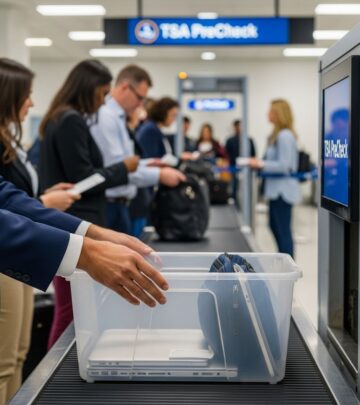
Integrating TSA PreCheck Into Your Travel Plans
Learn how to seamlessly add TSA PreCheck to your booking process

Planning a trip involves multiple decisions—choosing your destination, booking flights, arranging accommodations—but many travelers overlook a valuable step that can dramatically improve their airport experience. TSA PreCheck enrollment represents a strategic addition to any frequent traveler’s routine, yet many people delay this enrollment until after they’ve already booked their flights. Understanding how to incorporate TSA PreCheck into your travel preparation, particularly after your booking is complete, can help you maximize convenience and potentially eliminate enrollment costs through credit card benefits.
Understanding the Value of TSA PreCheck for Modern Travelers
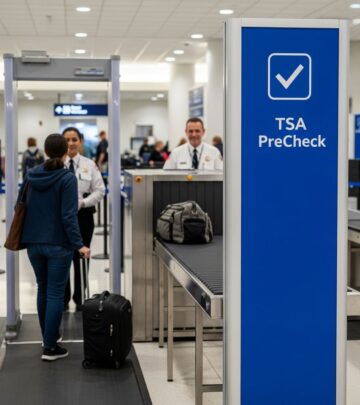
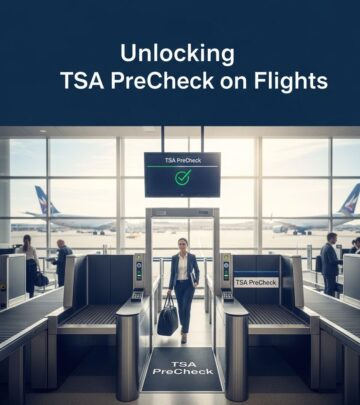
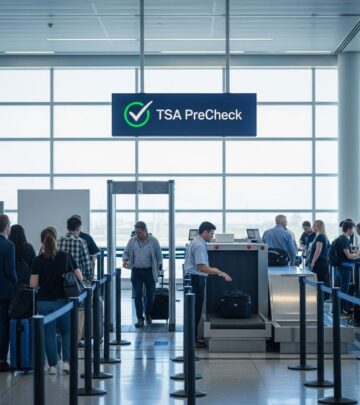
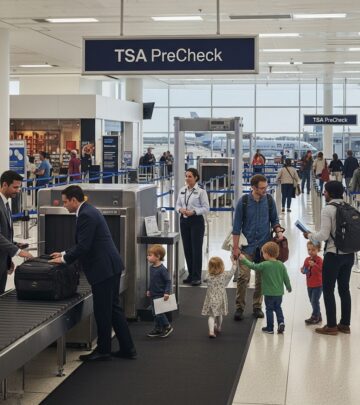
TSA PreCheck is a trusted traveler program administered by the U.S. Department of Homeland Security that fundamentally transforms how you experience airport security. Rather than standing in standard security lines with other passengers, TSA PreCheck members access dedicated screening lanes designed specifically for program participants. This separation streamlines the entire security process, allowing you to move through checkpoints faster and with fewer restrictions on your carry-on items.
The program’s tangible benefits include the ability to keep your laptop in your bag during screening, retain your shoes on, and maintain your belt fastened throughout the process. Additionally, travel-sized liquids can remain in your carry-on bag rather than requiring removal for inspection. These seemingly minor conveniences accumulate into significant time savings—research indicates that 99 percent of TSA PreCheck members experience security screening in under 10 minutes. For business travelers who traverse airports weekly or families managing multiple passengers, this efficiency translates into reduced stress and greater flexibility in arrival timing.
The Financial Structure of TSA PreCheck Membership
The enrollment process for TSA PreCheck carries a $77 membership fee that provides five years of continuous benefits. This pricing structure breaks down to approximately $15.40 annually, making it one of travel’s most cost-effective investments. The five-year validity period means you’ll maintain your benefits across numerous trips before requiring renewal.
However, the actual cost to enrollees often differs significantly from this standard fee due to credit card benefits. Nearly 40 travel credit cards now include statement credits for TSA PreCheck application fees, with reimbursement amounts ranging from $85 to $120. This expansion of card benefits means that strategic credit card selection can eliminate your out-of-pocket enrollment costs entirely, effectively providing free membership.
Timing Considerations: Adding PreCheck After Your Booking
A common scenario occurs when travelers complete flight bookings before enrolling in TSA PreCheck. This sequence doesn’t diminish the value of enrollment; rather, it simply means you’ll need to coordinate your TSA PreCheck process differently than if you’d enrolled beforehand. Here’s what you should understand about this timeline:
- Approval timing varies: The TSA PreCheck application process typically requires submission of your application followed by scheduling an in-person appointment. While some applicants receive approval within days, others may experience longer processing periods. Planning your enrollment immediately after booking provides adequate time for approval before your travel dates.
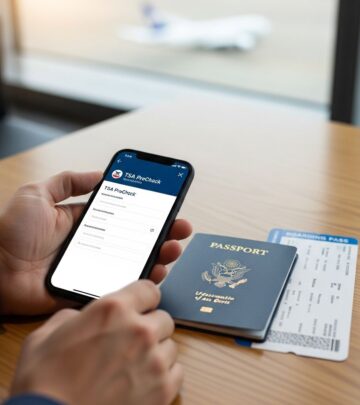
- Updating your reservation: Your TSA PreCheck membership becomes active following your in-person appointment and final approval. Once approved, you’ll receive a Known Traveler Number (KTN) that you can add to future flight reservations. For flights booked before approval, you can add this number to your existing reservation through your airline’s website or by contacting customer service.
- Activation before travel: The critical factor is ensuring your TSA PreCheck membership becomes active before your scheduled flight. Since the TSA PreCheck application involves both an online submission and an in-person interview with fingerprinting and photography, initiating this process immediately upon booking provides the safest timeline for activation before departure.
The Credit Card Advantage: Maximizing Financial Benefits
The intersection of travel credit cards and TSA PreCheck enrollment creates substantial financial opportunities for strategic cardholders. Understanding how these benefits function helps you select the optimal card for your situation.
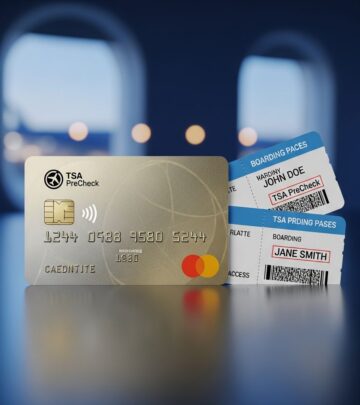
How credit card reimbursements work: Most travel credit cards offering TSA PreCheck credits function through statement credits rather than automatic reimbursements. You pay the $77 TSA PreCheck application fee using your eligible credit card, then the card issuer applies a statement credit to your account, effectively returning the funds. These credits typically range from $85 to $120, meaning the card actually covers your complete enrollment cost and potentially provides a small surplus.
Frequency limitations: Most card issuers limit TSA PreCheck credits to once every four or five years, aligning with the membership’s validity period. This structure makes logical sense—you only need reimbursement when you renew your membership, which occurs once per five-year cycle. Some premium cards offer credits without explicit frequency limitations, though practical application suggests they’re intended for single-enrollment-per-membership-period scenarios.
Comparing Card Options Across Different Traveler Profiles
The credit card market offers options suited to different travel patterns and financial situations. Consider these categories:
No-annual-fee cards with TSA PreCheck benefits: Several cards provide TSA PreCheck credits without charging annual fees, though these often come with more limited benefits overall. The Fidelity Rewards Visa Signature Card stands out by offering a $0 annual fee while providing up to $100 in reward points when you apply for TSA PreCheck using that card. This option suits cost-conscious travelers who don’t need extensive travel perks beyond the TSA PreCheck reimbursement.
Mid-tier travel cards: Cards ranging from $95 to $395 in annual fees typically include TSA PreCheck credits alongside additional travel benefits like airline fee credits, lounge access, or travel insurance protections. For frequent business travelers or those taking multiple leisure trips annually, the combination of TSA PreCheck reimbursement plus additional benefits often justifies the annual expense through value delivered across the card’s other features.
Premium travel cards: Elite travel credit cards with annual fees between $650 and $895 include TSA PreCheck credits as standard benefits alongside comprehensive travel protections, premium lounge access, concierge services, and substantial welcome bonuses. These cards target frequent international travelers and business executives who benefit from the full spectrum of premium travel services.
Alternative: Global Entry as an Enhanced Option
While evaluating TSA PreCheck, many travelers discover Global Entry represents a worthy alternative or upgrade path. Global Entry encompasses all TSA PreCheck benefits plus expedited customs and immigration processing when returning to the United States from international travel. The program costs $120 for five years—a $43 premium over TSA PreCheck—yet delivers substantially expanded value for international travelers.
Credit cards offering Global Entry reimbursement typically provide up to $120 statement credits, making this upgrade cost-effective for cardholders. If your travel includes regular international trips, Global Entry’s customs expediting feature often justifies the higher enrollment cost. However, for domestic-only travelers, TSA PreCheck’s lower cost and card-reimbursed option delivers superior value.
Practical Steps for Post-Booking TSA PreCheck Enrollment
Once you’ve booked your flights and selected a credit card with TSA PreCheck benefits, follow this structured approach:
- Verify card eligibility: Confirm your credit card explicitly includes TSA PreCheck reimbursement by reviewing your card’s benefits guide or contacting the issuer. Some cards limit credits to specific cardholders or require minimum spending thresholds.
- Initiate the TSA PreCheck application: Visit the official TSA PreCheck enrollment website or select an authorized enrollment provider. Complete the online application with accurate personal and travel information.
- Schedule your appointment: Following online submission, schedule an in-person appointment at a TSA PreCheck enrollment center. These centers operate at select airports, application support centers, and authorized partners. Book your appointment with adequate time before your scheduled flight.
- Complete the in-person interview: Attend your appointment with required identification documents. The TSA will conduct a background check, collect fingerprints, take your photograph, and verify your information.
- Pay the application fee with your selected card: Use your chosen credit card—the one offering TSA PreCheck reimbursement—to pay the $77 enrollment fee. Keep documentation of this transaction for your records.
- Receive your Known Traveler Number: Upon approval, you’ll receive a Known Traveler Number (KTN), typically via email or through your enrollment account.
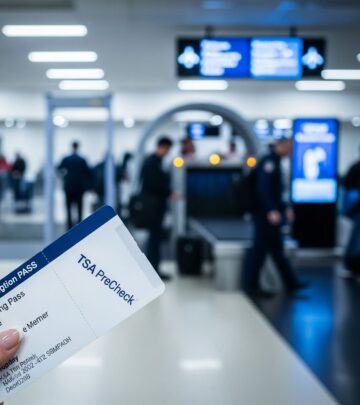
- Update your flight reservation: Add your KTN to your existing flight reservations through the airline’s website or reservation system. This ensures your TSA PreCheck status appears on your boarding pass.
- Track your statement credit: Monitor your credit card statement for the TSA PreCheck reimbursement, typically appearing within one to two billing cycles after your application payment.
Addressing Common Questions About Post-Booking Enrollment
- Can I use TSA PreCheck on flights I’ve already booked?
- Yes, provided your TSA PreCheck membership becomes active before your travel date. Once approved, add your KTN to existing reservations, and you’ll automatically gain access to TSA PreCheck lanes for those flights.
- How long does TSA PreCheck approval typically take?
- Processing times vary significantly, ranging from several days to several weeks. The TSA website provides current processing time estimates. For flights within two weeks of booking, consider whether adequate time exists for enrollment completion.
- What documents do I need for my in-person appointment?
- Required documentation includes a valid U.S. passport, Real ID-compliant driver’s license, or other approved government-issued identification. The TSA website specifies acceptable forms of identification.
- If I don’t receive approval before my flight, can I still travel?
- Yes. TSA PreCheck enrollment doesn’t affect your ability to fly; it simply determines which security line you use. If approval hasn’t occurred before your flight, you’ll simply proceed through standard security screening.
- Can multiple household members use one credit card’s TSA PreCheck benefit?
- Most cards limit the benefit to one cardholder per enrollment period, though some premium cards may offer multiple credits. Verify your specific card’s policy with the issuer.
Strategic Considerations for Frequent Travelers
For travelers anticipating multiple trips annually or spanning several years, the TSA PreCheck investment delivers compounding returns. Each flight utilizing your membership provides the 10-minute security advantage, stress reduction, and convenience benefits. When multiplied across dozens of trips throughout your five-year membership period, the initial $77 investment (often eliminated through card reimbursement) represents exceptional value.
Furthermore, credit card selection becomes part of a broader travel rewards strategy. Many TSA PreCheck-offering cards simultaneously provide airline mile earning, lounge access, and travel insurance protections. Coordinating your card selection with TSA PreCheck enrollment ensures you’re maximizing multiple benefits simultaneously rather than treating them as separate financial decisions.
Final Considerations for Your Travel Planning
Adding TSA PreCheck after booking your flights represents a practical strategy for enhancing your travel experience. By understanding the enrollment process, leveraging credit card benefits to eliminate costs, and coordinating your application timeline with your travel dates, you can ensure this trusted traveler program’s benefits enhance your upcoming trips. The combination of direct program benefits—faster security screening, reduced hassle, and streamlined boarding processes—alongside credit card reimbursement opportunities creates a financially and operationally advantageous scenario for the modern traveler.
References
- How To Get TSA PreCheck Using Your Credit Card — Bankrate. 2025. https://www.bankrate.com/credit-cards/travel/how-to-get-tsa-precheck-using-credit-card/
- How to Get TSA PreCheck for Free — NerdWallet. 2025. https://www.nerdwallet.com/travel/learn/how-to-get-tsa-precheck-free
- Global Entry or TSA PreCheck Application Credit — American Express. 2025. https://www.americanexpress.com/en-us/benefits/travel/expedite-your-travel/
Similar Articles








Read full bio of medha deb