Integrated Circuit Card: Definition and How It Works
Understanding IC cards: Smart cards that revolutionize secure access and data storage.
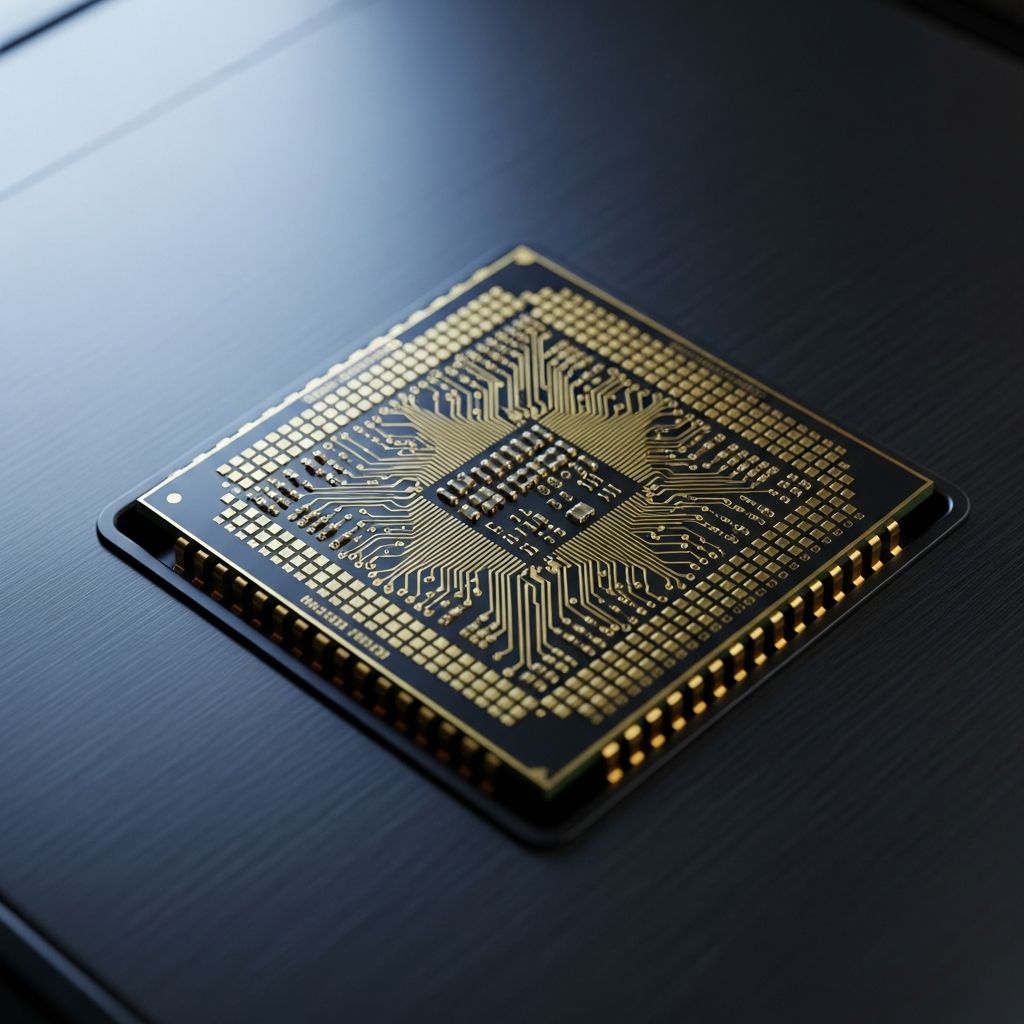
What Is an Integrated Circuit Card?
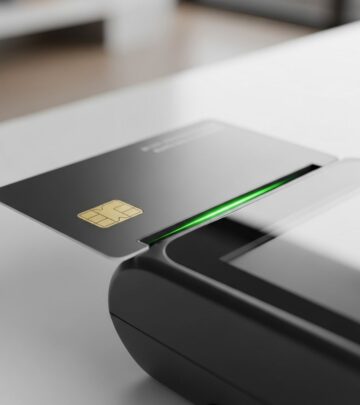
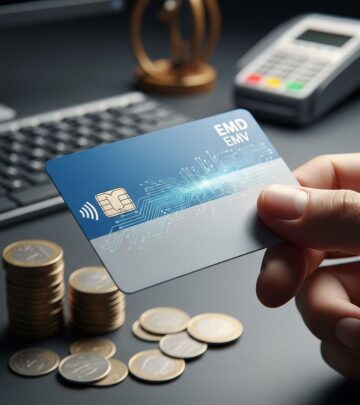
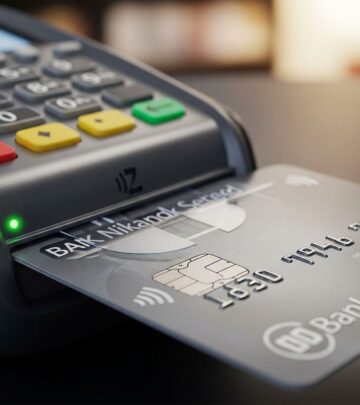
An integrated circuit card, commonly known as an IC card, chip card, or smart card, is a plastic card embedded with an integrated circuit chip that securely stores and processes data. These cards are designed to control access to resources and have become ubiquitous in modern financial systems, telecommunications, and security applications. The integrated circuit within the card enables it to perform complex computational tasks, store sensitive information, and communicate with external readers, making it far more sophisticated than traditional magnetic stripe cards.
The term “integrated circuit card” refers to the embedded microchip that contains thousands or millions of electronic components, including transistors, resistors, capacitors, and diodes, all fabricated onto a single piece of semiconductor material, typically silicon. This sophisticated technology allows the card to authenticate transactions, encrypt data, and maintain secure communications with card readers and terminals.
Understanding Integrated Circuits Within Cards
Before exploring IC cards specifically, it’s important to understand the integrated circuits that power them. An integrated circuit (IC), also called a microchip or chip, is a compact assembly of electronic circuits formed from various electronic components that work together on a thin piece of semiconductor material. These components are deliberately interconnected to perform specific functions.
Key Components of Integrated Circuits
Integrated circuits contain several critical components that work in harmony:
- Transistors: Act as the building blocks of ICs, controlling the flow of electrical signals and functioning as switches or amplifiers to enable logic operations and data processing.
- Resistors: Regulate current flow to protect other components from overloading and divide voltage as needed within the circuit.
- Capacitors: Store and release electrical energy, helping filter signals and stabilize power supply fluctuations.
- Diodes: Ensure electrical current flows in one direction only, protecting against voltage spikes and providing rectification in circuits.
Physical Structure and Design of IC Cards
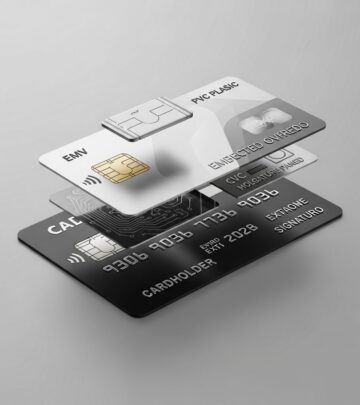
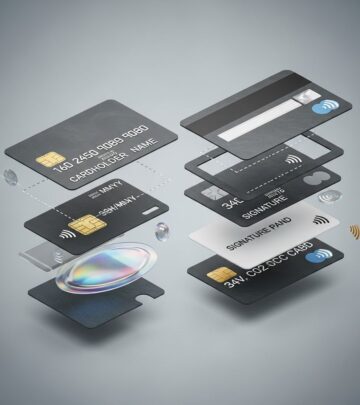
An integrated circuit card typically consists of a plastic substrate, usually the size of a standard credit card measuring 85.6 × 53.98 millimeters according to ISO/IEC 7810 standards. Embedded within this plastic body is the microchip, which communicates with external devices through a pattern of metal contacts positioned on the card’s surface. These metal contacts create an electrical connection between the card and card readers, allowing for secure data transmission and processing.
The physical design of IC cards has been standardized internationally to ensure compatibility across different systems and regions. This standardization includes specifications for the electrical connector positions, shapes, and electrical characteristics, as defined by the ISO/IEC 7816 series of standards.
How Integrated Circuit Cards Work
The functionality of an IC card depends on its internal architecture and the specific components it contains. Most IC cards operate through a coordinated system of memory storage, processing capabilities, and security features. When a card is inserted into a reader, the metal contacts establish an electrical connection that allows the reader to send commands to the card’s processor.
Logical Layouts of Smart Cards
IC cards employ different logical architectures depending on their intended application. Most smart cards follow one of three primary configurations:
- EEPROM Only: The simplest configuration, storing data on electrically erasable programmable read-only memory without a dedicated processor.
- EEPROM, ROM, RAM, and Microprocessor: A more sophisticated setup including permanent memory, temporary memory, and processing capabilities for enhanced functionality.
- EEPROM, ROM, RAM, Microprocessor, and Secure Element: The most advanced configuration, incorporating additional security features for high-security applications like payment processing.
Memory Components in IC Cards
IC cards contain specialized memory registers that facilitate their operation. A permanent register stores preprogrammed instructions for various operations, while a temporary register stores numbers to be operated on and results of operations. A counter contains the memory address of the next instruction, a stack pointer maintains the address of the last instruction in stack memory, and a memory address register holds the location of data to be worked on.
Applications of Integrated Circuit Cards
Integrated circuit cards have become essential infrastructure in multiple industries, enabling secure transactions and reliable identification systems worldwide.
Banking and Payment Systems
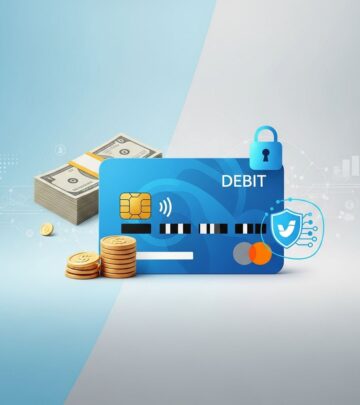
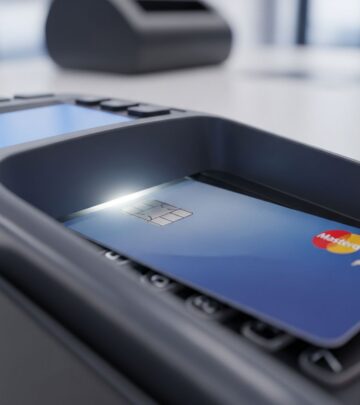
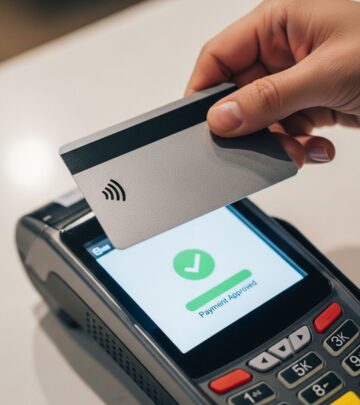
One of the most visible applications of IC cards is in banking and payment processing. Credit and debit cards now predominantly feature embedded chips that encrypt transaction data, reducing fraud compared to older magnetic stripe technology. These cards authenticate transactions, store encrypted credentials, and facilitate secure communications between the cardholder’s bank and merchant systems.
Telecommunications
SIM cards are a specialized form of IC card that store the international mobile subscriber identity (IMSI) and related cryptographic keys. These cards enable mobile phones to connect to cellular networks, authenticate users, and maintain encrypted communications between the device and the carrier.
Security and Access Control
IC cards are widely used in access control systems, from employee identification badges to secure facility entry systems. The embedded chip can store biometric data, encryption keys, and access permissions, ensuring that only authorized individuals can access restricted areas.
Government Identification
Many countries have implemented IC card-based identification systems, incorporating features like digital signatures, encryption capabilities, and multiple layers of security. These cards serve as both physical identification and digital authentication tools.
Advanced Features and Components
Modern IC cards incorporate sophisticated components beyond basic memory and processing units. Complex cards can integrate a variety of features to enhance functionality and security:
- Biometric sensors for fingerprint recognition
- Digital displays for showing dynamic security codes or balance information
- Digital keyboards for PIN entry
- Multiple buttons for card interaction
- Secure elements for cryptographic operations
The choice of components drives the card’s functionality, influences its cost, determines power supply requirements, and affects manufacturing complexity. This flexibility allows IC cards to be tailored for specific applications, from basic identification to high-security financial transactions.
Security Features of IC Cards
Integrated circuit cards incorporate multiple layers of security to protect sensitive data and prevent unauthorized access. In cards with microprocessors, the microprocessor sits inline between the reader and other components, with an operating system mediating the reader’s access to those components to prevent unauthorized access.
Encryption capabilities embedded within the chip allow cards to scramble sensitive information, making it unreadable without the proper decryption keys. Additionally, IC cards can implement secure communication protocols that verify the authenticity of both the card and the reader before exchanging sensitive data. These security measures collectively create a robust system resistant to fraud and unauthorized access.
Comparison: IC Cards vs. Traditional Cards
| Feature | IC (Chip) Cards | Magnetic Stripe Cards |
|---|---|---|
| Security Level | High with encryption and authentication | Low; data easily copied |
| Data Storage | Up to 64KB or more | Limited to basic information |
| Processing Capability | On-card processing available | No processing capability |
| Fraud Resistance | Highly resistant to counterfeiting | Susceptible to cloning |
| International Standards | ISO/IEC 7810, ISO/IEC 7816 | Basic magnetic encoding standards |
| Cost | Higher manufacturing cost | Lower manufacturing cost |
Manufacturing and Standards
The production of integrated circuit cards follows strict international standards to ensure compatibility, security, and reliability. The ISO/IEC 7810 standard defines the physical shape and characteristics of cards, while the ISO/IEC 7816 series specifies electrical connector positions and shapes, electrical characteristics, communication protocols, and basic functionality.
These standardized specifications ensure that cards produced by different manufacturers can communicate with readers from various vendors, creating a seamless ecosystem for global transactions and secure access control.
Future Developments in IC Card Technology
The technology underlying integrated circuit cards continues to evolve. Three-dimensional integrated circuits (3D-ICs) represent an advanced development where multiple layers of active electronic components are integrated both vertically and horizontally into a single circuit. This advancement allows on-die signaling for communication between layers, resulting in much lower power consumption than equivalent separate circuits, and substantially reduces overall wire length for faster operation.
As digital security threats become more sophisticated, IC card technology will continue to advance, incorporating stronger encryption algorithms, additional biometric authentication methods, and enhanced processing capabilities.
Frequently Asked Questions
Q: What is the difference between an IC card and a smart card?
A: The terms are largely interchangeable. A smart card is a type of IC card that contains an integrated circuit and has processing and storage capabilities. All smart cards are IC cards, but not all IC cards have the same level of intelligence or functionality.
Q: How is data stored on an integrated circuit card?
A: Data is stored on specialized memory components within the embedded chip, typically using EEPROM (electrically erasable programmable read-only memory) for permanent storage and RAM (random-access memory) for temporary data processing.
Q: Are IC cards safer than magnetic stripe cards?
A: Yes, IC cards are significantly safer. They use encryption, on-card processing, and authentication protocols that make them highly resistant to counterfeiting and fraud, whereas magnetic stripe cards can be easily cloned.
Q: Can IC cards be used for multiple purposes?
A: Yes, IC cards can be programmed for multiple applications. A single card can serve as identification, payment method, access control key, and more, depending on its memory capacity and processing power.
Q: How long do IC cards typically last?
A: With proper care, IC cards can last 10 to 15 years or longer. The lifespan depends on usage patterns, physical handling, and environmental factors like temperature and humidity.
Q: What happens if an IC card becomes damaged?
A: If the contacts become corroded or the chip is physically damaged, the card may become unreadable. Most institutions offer replacement cards, though data recovery may not be possible if the chip is severely damaged.
References
- Engineer Guide: Understanding and Using Integrated Circuit — Keysight Technologies. Accessed November 2025. https://www.keysight.com/used/us/en/knowledge/guides/integrated-circuits
- Integrated Circuit — Wikimedia Foundation. Accessed November 2025. https://en.wikipedia.org/wiki/Integrated_circuit
- What is an Integrated Circuit (IC)? — TechTarget. Accessed November 2025. https://www.techtarget.com/whatis/definition/integrated-circuit-IC
- What is an Integrated Circuit (IC)? — ANSYS. Accessed November 2025. https://www.ansys.com/blog/what-is-an-integrated-circuit
- Smart Card — Wikimedia Foundation. Accessed November 2025. https://en.wikipedia.org/wiki/Smart_card
- Universal Integrated Circuit Card — National Institute of Standards and Technology (NIST) Computer Security Resource Center. Accessed November 2025. https://csrc.nist.gov/glossary/term/universal_integrated_circuit_card
Similar Articles








Read full bio of medha deb