Insuring Teen Drivers Smartly
Discover cost-effective strategies and essential coverage options for protecting your teenage driver while managing premium increases effectively.

Adding a teenager to your car insurance policy significantly increases premiums due to their higher accident risk, but strategic choices can mitigate expenses while ensuring proper protection. Families can save by utilizing discounts, selecting safe vehicles, and understanding state mandates.
Why Teen Drivers Face Higher Insurance Costs
Teenage drivers, particularly those aged 16 to 19, experience elevated insurance rates because statistics show they are involved in more crashes per mile driven than older adults. Inexperience with road conditions, distracted driving from phones, and peer pressure contribute to this risk profile. For instance, insurers factor in data indicating that young males often pay more than females in this age group due to behavioral patterns.
Average annual premiums for a 17-year-old can reach $6,723, dropping slightly to $6,341 for 18-year-olds and $5,620 for 19-year-olds, reflecting gradual risk reduction with added experience. These figures underscore the financial impact on parents, who must balance protection with budget constraints.
Legal Requirements for Covering Young Drivers
Every state requires car insurance for licensed teen drivers, with minimum liability limits varying by location. In California, the standard is 15/30/5 coverage: $15,000 per person for bodily injury, $30,000 per accident for bodily injury, and $5,000 for property damage. Nationally, experts recommend at least $100,000 per person/$300,000 per accident for bodily injury and $100,000 for property damage to avoid personal liability in serious incidents.
Teens typically must be listed on a parent’s policy unless they own the vehicle outright or live independently. Failing to notify your insurer upon licensing can void coverage in accidents. While permit holders may be covered under parental or instructor policies, full licensure triggers mandatory addition.
Options for Policy Integration
Most families opt to add teens to an existing parental policy rather than purchasing standalone coverage, which is prohibitively expensive for novices. This approach leverages the parent’s driving history for better rates and extends all policy protections to the teen across household vehicles.
- Household Policy Addition: Simplest and cheapest; covers the teen on all listed cars with shared limits.
- Separate Policy: Rarely chosen; ideal only if the teen owns a titled vehicle or has relocated permanently.
- Non-Owner Coverage: Useful if no personal car, providing liability for borrowed vehicles.
Upon adding a teen, premiums might rise by about $2,735 annually for a 16-year-old, or roughly $230 monthly, but this remains far lower than independent policies.
Essential Coverage Types for Teens
Beyond minimum liability, comprehensive protection is vital given crash statistics. Liability covers others’ damages, but collision and comprehensive safeguard your vehicles. Skipping these on older cars might save money, but teens’ crash likelihood makes full coverage prudent.
| Coverage Type | Purpose | Recommended Limits |
|---|---|---|
| Liability | Pays for others’ injuries/property | $100K/$300K/$100K |
| Collision | Repairs your car after at-fault crash | Match vehicle value |
| Comprehensive | Covers theft, weather damage | Match vehicle value |
| Uninsured Motorist | Protects against uninsured drivers | Match liability |
Consider umbrella policies for high-net-worth families to extend liability beyond auto limits. All drivers on the policy share the same limits, so evaluate if increases are needed post-addition.
Strategies to Reduce Premiums
Several discounts can offset the hike. Insurers reward safe behaviors and academic performance, potentially cutting costs by 5-25%.
- Good Student Discount: B average or 3.0 GPA qualifies for ~5% off in most states.
- Defensive Driving Course: Completion often yields immediate savings.
- Driver’s Education: Certified courses through school or private providers reduce rates.
- Multi-Car Discount: Applies when adding the teen’s vehicle to the policy.
- Away-at-School Discount: For college students living over 100 miles away.
- Teen Driver Discount: Some carriers offer for continuous parental coverage over a year.
- Low-Mileage/Occasional Driver: If limited use, premiums drop.
Shopping multiple quotes annually ensures competitive rates, as teen risk decreases with age and clean records.
Vehicle Choices That Lower Costs
Insurers rate vehicles by safety features and repair costs. Opt for models with high safety ratings from IIHS or NHTSA to qualify for discounts.
- Equip with anti-theft devices, airbags, and stability control.
- Avoid sports cars or high-performance models, which carry surcharges.
- Older, low-value cars might skip collision/comprehensive to save.
Parental older vehicles are often cheaper to insure for teens than new purchases titled in their name.
Timing and Notification Best Practices
Notify your insurer immediately upon permit issuance to avoid gaps, though full coverage activates at licensure. Monitor for changes like moving out or vehicle ownership, which may require policy adjustments. Educate teens on safe driving to prevent violations that spike rates.
Long-Term Planning for Independence
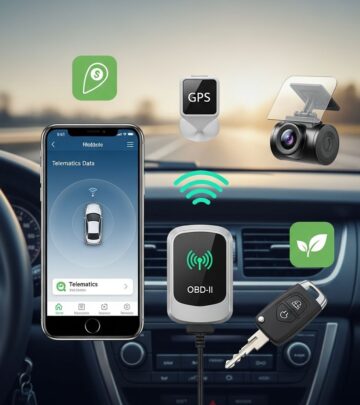
As teens age out of high-risk brackets (typically 25), rates normalize. Build good habits early: maintain records, avoid tickets, and consider usage-based telematics programs tracking safe driving for further discounts.
Frequently Asked Questions
Do I need to insure my teen before they get a license?
No, permit practice is usually covered under parental policy, but add them upon full licensing.
Can my teen get their own policy?
Yes, but it’s costlier; adding to yours saves money.
What if my teen goes to college out of state?
They may qualify for away-from-home discounts if not primary residents.
How much will premiums increase?
Expect $2,000-$6,000 annually depending on age, location, and vehicle.
Are there discounts for safe driving apps?
Yes, programs like Progressive’s Snapshot monitor habits for rebates.
Protecting Family Assets
Adequate liability prevents lawsuits draining savings. Review net worth annually and adjust limits. Combine auto with home policies for bundling savings. In high-risk areas, prioritize uninsured motorist coverage.
Proactive management—combining education, safe vehicles, and discounts—turns the high cost of teen insurance into a manageable expense. Regular policy reviews ensure ongoing optimization as driving records improve.
References
- Everything You Need to Know About Teen Car Insurance — Consumer Reports. 2023-10-01. https://www.consumerreports.org/money/car-insurance/everything-you-need-to-know-about-teen-car-insurance-a9669094340/
- What to Know About Insuring Your Teen Driver in California — Callahan Law. 2024-05-15. https://www.callahan-law.com/what-to-know-about-insuring-your-teen-driver-in-california/
- Car Insurance for Teens — Progressive. 2025-02-20. https://www.progressive.com/answers/car-insurance-for-teens/
- A Parent’s Guide to Car Insurance for Teens — State Farm. 2024-11-10. https://www.statefarm.com/simple-insights/auto-and-vehicles/parents-guide-to-car-insurance-for-teens
- Car Insurance Guide for California Teens — DriversEd.com. 2024-08-05. https://driversed.com/california/drivers-ed/car-insurance-for-teens/
- California Teen Driver Insurance Guide (2026) — GuideandChecklist. 2026-01-01. https://guideandchecklist.com/california-teen-driver-insurance-guide-2026-edition/
- 5 Things to know about insuring teen drivers — PropertyCasualty360. 2026-01-12. https://www.propertycasualty360.com/2026/01/12/5-things-to-know-about-insuring-teen-drivers/
Similar Articles








Read full bio of Sneha Tete