Insurance for Learner’s Permit Drivers
Essential guide to understanding car insurance requirements for new drivers with learner's permits across U.S. states.
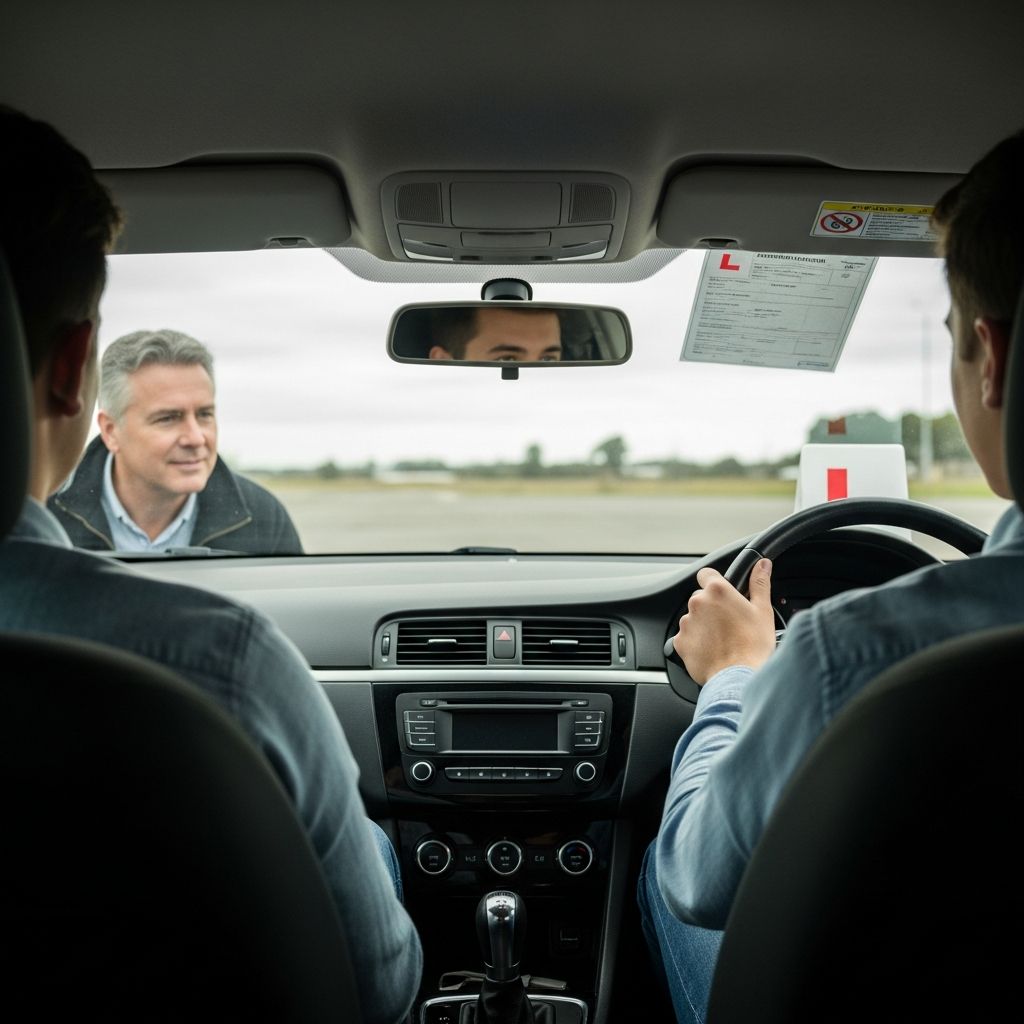
Drivers holding a learner’s permit must have auto insurance in most U.S. states to legally operate a vehicle, as these permits allow supervised road practice but still require financial responsibility for potential accidents.
State laws mandate minimum liability coverage for all vehicle operators, including permit holders, to protect against damages or injuries caused to others. Parents or guardians typically add teens to existing family policies for cost-effective coverage during the learning phase.
Understanding Learner’s Permits and Driving Basics
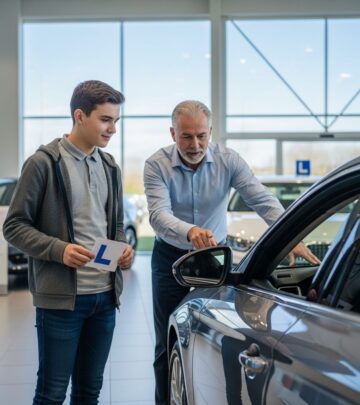
A learner’s permit, also known as an instruction permit, serves as the initial step toward obtaining a full driver’s license. It permits individuals, often teenagers, to practice driving under the supervision of a licensed adult. While restrictions vary by state, such as passenger limits or curfew hours, the core purpose remains building safe driving skills.
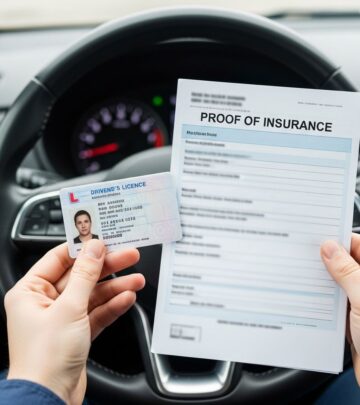
Financial responsibility is a key component. In California, for instance, proof of insurance must be carried in the vehicle at all times. This ensures that if an accident occurs, costs are covered without burdening public funds or victims. Nationally, the principle holds: operating any motor vehicle demands protection against liability.
State-Specific Insurance Mandates for Permit Holders
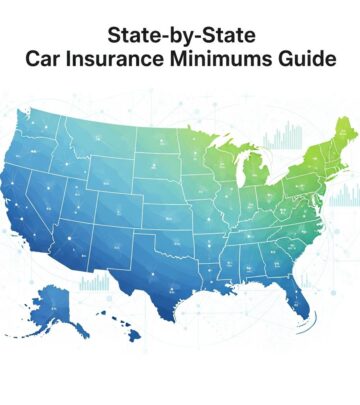
Every state enforces its own minimum auto insurance requirements, applicable to permit drivers. These typically include bodily injury and property damage liability. For example, California requires at least $30,000 per person for bodily injury, $60,000 per accident, and $15,000 for property damage.
- All 50 states demand liability insurance for anyone behind the wheel, permit or not.
- California explicitly ties permit use to verified insurance via DMV records.
- Other states like those with graduated licensing systems extend household policy coverage automatically in some cases.
Variations exist; some states allow self-insurance options like a $35,000 cash deposit or surety bond in California for those unable to afford standard policies. Always verify local DMV guidelines, as non-compliance can lead to license suspension.
Adding a Teen Permit Driver to Your Policy
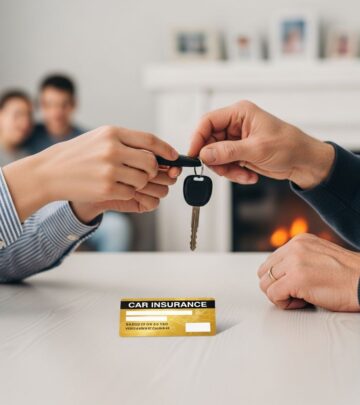
The simplest way to insure a permit holder is by adding them to a parent’s or guardian’s existing auto policy. Contact your insurer with the teen’s details—name, birthdate, permit number—and specify the vehicle they’ll use. This extends family coverages like liability, collision, and comprehensive to the learner.
Benefits include:
- Lower premiums compared to standalone teen policies.
- Building driving history for future independent coverage.
- Shared family discounts, such as good student or multi-car.
Insurers often require notification upon permit issuance, even if no premium hike occurs immediately. For teens 14-16, some companies mandate listing household members regardless of driving status.
Scenarios Requiring Separate Insurance Policies
Not all permit holders can rely on parental policies. Separate coverage becomes necessary when:
| Situation | Why Separate Policy? |
|---|---|
| Teen owns vehicle solely in their name | Policy must match title ownership; family policy insufficient. |
| Adult permit holder (18+) | Not eligible for parental extension unless residing together. |
| Lives outside parental home | Separate address triggers independent policy needs. |
| Parent lacks insurance | No existing policy to add to; must secure own coverage. |
In these cases, shop for teen-specific rates, which may be higher due to inexperience but can include discounts for driver’s education completion.
Recommended Coverage Levels Beyond Minimums
While state minimums suffice legally, experts advise higher limits for permit drivers given their elevated accident risk. Teens aged 16-19 face crash rates three times higher than drivers over 20, per CDC data.
Enhance protection with:
- Liability: 100/300/100 limits to safeguard assets.
- Collision/Comprehensive: Covers vehicle repairs from crashes or theft.
- Uninsured Motorist: Protects against underinsured parties.
Full coverage is prudent for financed vehicles or high-value cars used in training.
Risks and Penalties for Uninsured Permit Driving
Driving without required insurance invites severe repercussions. Suspensions can last up to four years in California, regardless of fault, requiring SR-22 proof for reinstatement. Fines, vehicle impoundment, and points accumulation follow, complicating full licensure.
Even minor incidents expose families to out-of-pocket costs: medical bills, repairs, legal fees. Proactive policy addition prevents these pitfalls.
Provisional Licenses and Ongoing Coverage Needs
Provisional or intermediate licenses, issued post-permit, maintain insurance mandates with added restrictions like night driving bans. Coverage transitions seamlessly if already listed on a policy; update to rated driver status upon full licensing.
Graduated systems in many states phase in privileges, but insurance remains constant.
Cost-Saving Strategies for Insuring New Drivers
Teen insurance averages high, but strategies mitigate expenses:
- Compare quotes from multiple providers.
- Bundle with home or other auto policies.
- Enroll in approved driver’s education for discounts up to 20%.
- Maintain good grades for student incentives.
- Choose higher deductibles if financially feasible.
Some states offer low-cost programs for qualifying low-income families.
Frequently Asked Questions (FAQs)
Do all states require insurance for learner’s permits?
Yes, all states require minimum liability insurance for any vehicle operation, including permits, though enforcement methods differ.
Does adding a permit driver raise premiums?
Often minimally at first; significant increases occur post-full license. Shop around for best rates.
Can I drive with just a permit without my own policy?
Yes, if added to a household policy covering the vehicle and listed with the insurer.
What if my teen gets a ticket on a permit?
It impacts rates and record; defensive driving courses may mitigate points.
Is temporary insurance available for permits?
Standard policies suffice; no special temporary needed if properly added.
Steps to Secure Coverage for Your Permit Driver
- Obtain permit from DMV.
- Contact current insurer to add driver.
- Provide permit details and vehicle info.
- Review and adjust coverage limits.
- Carry proof of insurance while practicing.
Completing these ensures compliance and peace of mind during training.
References
- Do you need auto insurance with a learner’s permit? — Progressive. 2023. https://www.progressive.com/answers/teen-drivers-learners-permit-insurance/
- Financial Responsibility, Insurance Requirements, and Collisions — California DMV. 2025-01-15. https://www.dmv.ca.gov/portal/handbook/california-driver-handbook/financial-responsibility-insurance-requirements-and-collisions/
- Do You Need Temporary Insurance on a Learner’s Permit? — Allstate. 2024. https://www.allstate.com/resources/car-insurance/learners-permit-insurance
- Instruction and Learner’s Permits — California DMV. 2025. https://www.dmv.ca.gov/portal/driver-licenses-identification-cards/instruction-permits/
- How Auto Insurance Works for Teen Drivers — AAA. 2024-06-10. https://www.ace.aaa.com/insurance/advocacy/how-auto-insurance-works-for-teen-drivers.html
Similar Articles








Read full bio of medha deb