Insurance Documentation: Types, Requirements & Usage
Complete guide to understanding insurance documents and their practical applications.
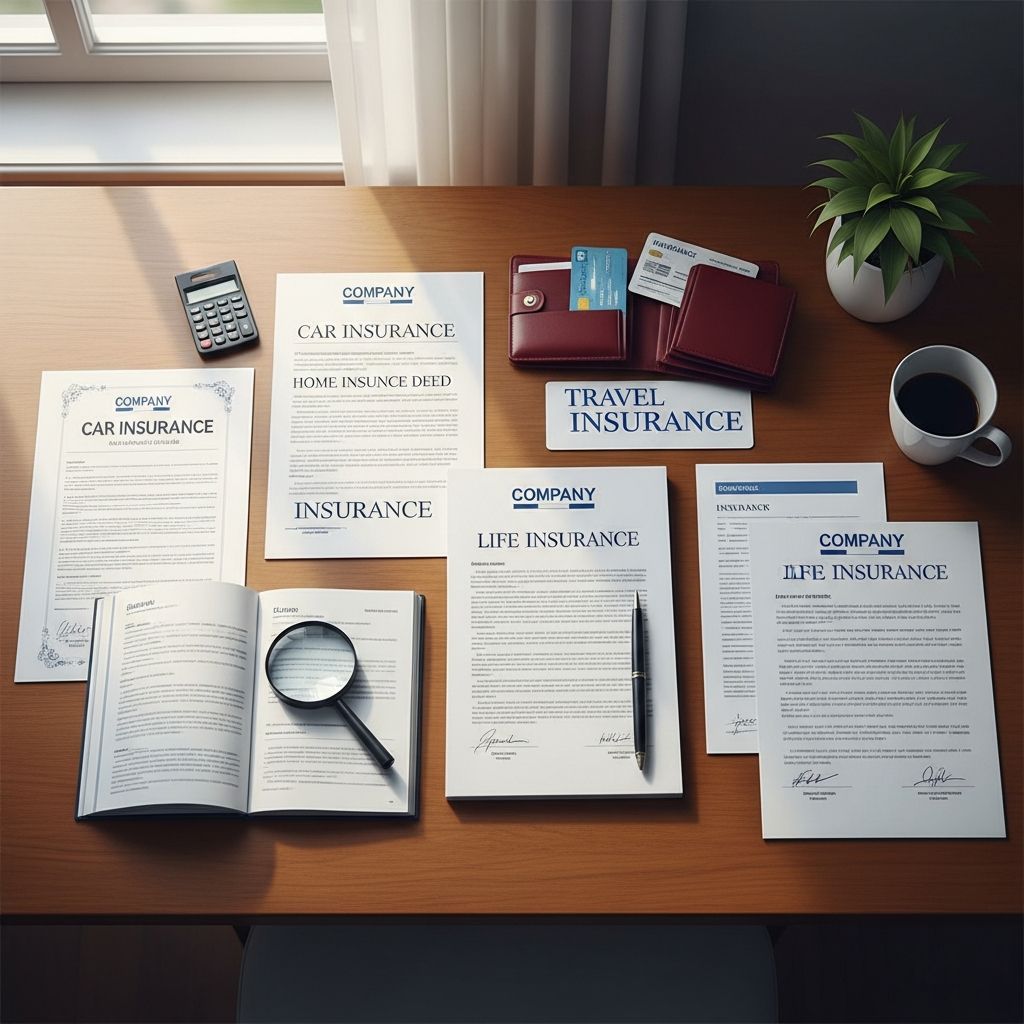
Insurance documentation serves as tangible evidence of your financial protection and coverage details. Whether you’re driving a vehicle, managing a business, or entering into contractual agreements, understanding the various forms of insurance documentation is essential for legal compliance and peace of mind. These documents verify that you maintain active insurance coverage and meet state or contractual requirements, protecting both you and third parties involved in transactions or relationships.
The Foundation: What Insurance Documentation Represents
Insurance documentation encompasses several types of records that demonstrate you have an active policy with an insurance provider. At its core, this documentation confirms that you’ve paid premiums and maintain coverage for specific risks or liabilities. These documents are not insurance contracts themselves but rather snapshots or summaries of your policy details, providing essential information to verify coverage without requiring extensive policy review.
The primary purpose of insurance documentation is to provide quick, accessible proof of coverage to interested parties. When a police officer requests documentation during a traffic stop, when a rental company verifies your ability to rent a vehicle, or when a business partner needs assurance you’re properly insured, these documents fulfill that verification need efficiently and professionally.
Proof of Insurance: The Everyday Documentation
Proof of insurance represents the broadest category of insurance documentation, encompassing any document or card confirming active policy coverage. This inclusive term covers multiple formats and serves everyday insurance verification needs across various contexts and industries.
Common Forms of Proof of Insurance
- Physical insurance identification cards issued by your insurance provider
- Digital insurance cards accessible through mobile applications or email
- Printed insurance policy documents
- Digital screenshots or electronic documents on smartphones
- Policy declarations pages summarizing coverage details
Standard Information Found on Proof of Insurance Documents
Proof of insurance typically includes several key pieces of information necessary for verification:
- Policyholder name and residential address
- Insured vehicle details including make, model, and Vehicle Identification Number (VIN)
- Insurance company name and customer service contact information
- Unique policy number for reference and claims
- Policy effective date and expiration date
- Coverage types and corresponding policy limits
- Emergency contact information for claims reporting
Certificates of Insurance: Specialized Business Documentation
Certificates of Insurance (COI) represent a more formal and specialized type of insurance documentation, primarily used in business contexts. These documents provide evidence of insurance coverage in a standardized format that third parties, clients, or contractual partners require before engaging in business relationships or projects.
What Certificates Include and Why They Matter
A certificate of insurance functions as an official snapshot of your insurance policy, presented in a recognized business format. Unlike a full insurance policy document, a COI includes focused information designed to address the concerns of the requesting party without overwhelming them with comprehensive policy details.
Standard certificate contents include:
- Policyholder or business name and contact details
- Insurance company name, address, and contact information
- Unique policy identification number
- Specific types of coverage provided under the policy
- Policy limits showing maximum coverage amounts for each coverage type
- Policy effective dates and expiration dates
- Certificate holder information (the party requesting the certificate)
- Authorized signature from the insurance company representative
The Standard COI Format
Certificates of insurance typically follow the ACORD 24 form standard, a recognized document format in the insurance industry. This standardized approach ensures that information is presented consistently across different insurance providers, making it easier for recipients to understand coverage details quickly and accurately. The ACORD format has become the industry-recognized standard for business-to-business insurance verification.
When You Need Insurance Documentation
Legal and Regulatory Scenarios
Insurance documentation is legally required in numerous situations across different states and jurisdictions. Understanding when you must provide proof is crucial for maintaining legal compliance and avoiding potential penalties.
Automotive Insurance Documentation Requirements:
- During traffic stops when law enforcement requests verification
- When involved in motor vehicle accidents
- During vehicle registration or renewal processes
- When operating a rental vehicle
- When financing or leasing a vehicle
- At vehicle inspection appointments in certain states
Business and Commercial Scenarios:
- Before contractors begin work on projects
- When entering lease agreements for commercial property
- During business partnership negotiations
- When bidding on commercial contracts
- For vendor or supplier relationships
- Event hosting or activity sponsorship
- Equipment rental transactions
Contractual and Agreement-Based Requirements
Beyond legal requirements, many contractual agreements specifically mandate insurance documentation. Business contracts often stipulate that parties must maintain specific types and amounts of insurance coverage. Certificates of insurance serve as proof of compliance with these contractual obligations. Landlords may require tenants to maintain renter’s insurance and provide certificates before lease signing. Construction contracts frequently require all parties involved to provide certificates of insurance covering liability and workers’ compensation.
Distinguishing Between Documentation Types
Proof of Insurance: Personal and Immediate Use
Proof of insurance serves individual and immediate verification needs. When a police officer asks for insurance documentation during a routine traffic stop, you provide your proof of insurance card. When registering a vehicle at the Department of Motor Vehicles, you present proof of insurance to comply with state mandates. This documentation focuses on first-party coverages—protections for the policyholder themselves—such as collision coverage, comprehensive coverage, and uninsured motorist protection.
Certificates of Insurance: Third-Party and Business Use
Certificates of insurance address third-party liability concerns. When a contractor provides a COI to a property owner, they’re demonstrating they have liability insurance protecting the property owner if the contractor causes damage. When a business service provider gives a COI to a client, they’re showing they’re insured for third-party claims related to their work. These documents typically focus on liability coverages—protections for claims made by other parties—such as general liability, professional liability, and umbrella insurance.
Why Insurance Documentation Matters
Risk Management and Protection
Insurance documentation serves critical risk management functions for all parties involved in transactions or relationships. When a business requests a certificate of insurance, they’re implementing a risk management strategy. By verifying that contractors or vendors maintain appropriate insurance coverage, businesses protect themselves from bearing financial responsibility for incidents that should be covered by the other party’s insurance. This verification process significantly reduces exposure to unexpected financial liability.
Building Trust and Credibility
Presenting valid insurance documentation demonstrates professionalism and responsibility. Clients and partners view insurance documentation as evidence that you take your obligations seriously and have prepared for potential risks. This documentation builds confidence in your business practices and creates a foundation of trust necessary for successful business relationships. A business that quickly provides requested certificates of insurance appears more professional and established than one that delays or refuses.
Legal Compliance and Regulatory Requirements
Many industries and jurisdictions mandate insurance coverage as a legal requirement. Insurance documentation serves as evidence of compliance with these mandates. Professional licensing boards, industry regulatory agencies, and government entities often require proof that individuals or businesses maintain required coverage. Failure to provide documentation when legally required can result in fines, license suspension, or other penalties.
Contract Enforcement and Dispute Resolution
Should disputes arise between parties, insurance documentation becomes crucial evidence. If a client claims a contractor was uninsured at the time of an incident, documented certificates of insurance from that period provide proof otherwise. These documents help prevent disputes and facilitate efficient resolution when conflicts do occur. Clear documentation of coverage details helps insurance companies process claims more quickly and fairly.
How to Obtain Insurance Documentation
Requesting From Your Insurance Provider
Obtaining insurance documentation is straightforward. Contact your insurance agent or insurance company directly and request proof of insurance or a certificate of insurance. Most insurance companies provide these documents automatically when you purchase a policy, but you can request additional copies at any time. Many insurers offer online portals where you can download or print proof of insurance instantly.
Digital Options and Modern Accessibility
Contemporary insurance providers offer multiple digital options for accessing insurance documentation. Mobile applications from major insurance companies allow you to view and share digital proof of insurance through your smartphone. Email delivery of certificates provides quick access to documents. Digital options offer convenience and reduce the need to carry physical documents, though some situations may still require physical documentation.
Timing Considerations
Request documentation well in advance of when you’ll need it. If you have a deadline for providing a certificate of insurance for a contract, request it several weeks early to ensure you have it available. When renewing policies, request updated documentation immediately to ensure you have current proof reflecting your new policy dates and any coverage changes.
Verification and Accuracy
Confirming Documentation Validity
When you receive insurance documentation, review it carefully for accuracy. Verify that policy numbers match your records, effective dates are current, and coverage types reflect what you purchased. Errors in documentation can cause problems when third parties attempt to verify your coverage. Contact your insurance provider immediately if you notice discrepancies.
Avoiding Fraudulent Documentation
When requesting documentation from others, verify its authenticity when stakes are high. Large commercial contracts may warrant direct verification by contacting the insurance company listed on the certificate. Many insurance companies offer verification hotlines where you can confirm that a certificate issued in their name is legitimate and current.
Frequently Asked Questions
- How quickly can I get proof of insurance?
- Most insurance companies provide proof of insurance immediately upon policy purchase. Digital copies are often available within minutes through online portals or email. Physical cards typically arrive within one to two weeks by mail. In urgent situations, requesting digital proof through your insurance company’s website or mobile app provides nearly instant access.
- Is an insurance card sufficient as proof of insurance?
- Yes, insurance identification cards provided by your insurance company serve as valid proof of insurance for most purposes. During traffic stops, vehicle registration, and standard verification scenarios, insurance cards satisfy proof requirements. However, some commercial situations specifically request certificates of insurance in standardized formats rather than basic proof of insurance cards.
- What happens if I cannot provide insurance documentation when requested?
- Legal consequences vary by jurisdiction but typically include traffic citations, registration suspension, and fines. In commercial contexts, inability to provide requested documentation may terminate contracts or prevent engagement in business opportunities. In accidents, lack of documentation complicates claims processing and may result in personal liability for damages.
- Can I use an old insurance card as proof?
- No, insurance documentation must reflect your current active policy. Old cards from expired policies do not satisfy legal or contractual requirements. Always maintain current documentation and request new proof when renewing or switching policies.
- How long is insurance documentation valid?
- Insurance documentation is valid only during the policy period shown on the document. Once the expiration date passes, the documentation no longer proves active coverage. After policy renewal, request updated documentation reflecting the new effective and expiration dates.
- What’s the difference between proof of insurance and a certificate of insurance?
- Proof of insurance is a general term for any document showing active coverage, while certificates of insurance are formal business documents in standardized formats. Proof of insurance includes ID cards and basic documents used for everyday verification. Certificates of insurance provide detailed third-party liability information in recognized business formats like ACORD 24.
Conclusion: Making Documentation Work for You
Insurance documentation forms an essential foundation of modern business practices and legal compliance. Understanding the different types of documentation available, when each is required, and how to obtain them ensures you remain prepared for any situation requiring verification of coverage. Whether you need everyday proof of insurance for driving or formal certificates for business relationships, maintaining accessible and current documentation protects your interests and demonstrates your commitment to responsible practices. By familiarizing yourself with insurance documentation requirements and processes, you position yourself for smoother transactions and stronger business relationships built on verified trust and clear communication.
References
- What Is a Certificate of Insurance (COI) vs. Proof of Insurance (POI)? — The General. 2024. https://www.thegeneral.com/going-places/blog/car-insurance/what-is-coi-vs-poi/
- What Is the Difference Between Evidence of Insurance and Certificates of Insurance? — Blue Lime Insurance. 2024. https://bluelimeins.com/blog/what-is-evidence-of-insurance/
- How To Get A Certificate Of Insurance — THREE Insurance. 2024. https://threeinsurance.com/resources/how-to-get-a-coi-as-proof-of-insurance
- Why Are Certificates of Insurance a Requirement? — Smart Compliance. 2024. https://smartcompliance.co/blog/companies-require-a-certificate-of-insurance
- What Is a Certificate of Insurance (COI)? Definition, When It’s Needed — GEICO. 2024. https://www.geico.com/information/aboutinsurance/business/what-is-a-certificate-of-insurance-coi/
- How To Get Proof of Insurance — Progressive Insurance. 2024. https://www.progressive.com/answers/proof-of-insurance/
Similar Articles








Read full bio of medha deb