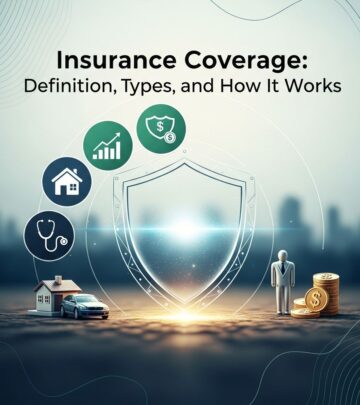
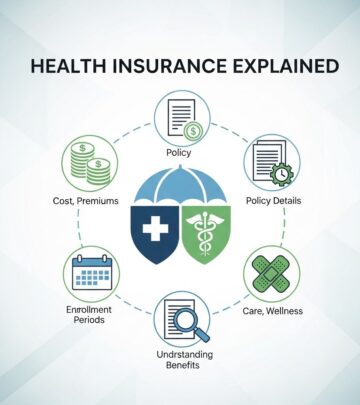
Insurance: Definition, Types, and How It Works
Complete guide to insurance: understanding coverage, types, and protection strategies.

What Is Insurance?
Insurance is a financial mechanism designed to protect individuals and businesses against the risk of financial loss due to unexpected events or circumstances. It operates on the fundamental principle of risk pooling, where multiple parties contribute premiums to a collective fund that is used to compensate those who experience covered losses. This arrangement allows individuals to transfer the financial burden of potential disasters to insurance companies, enabling them to manage their finances more predictably and securely.
The insurance industry plays a critical role in modern economies by facilitating economic activity and providing peace of mind to millions of people worldwide. By protecting against catastrophic financial events, insurance allows individuals to take calculated risks and pursue opportunities they might otherwise avoid.
How Insurance Works
Insurance operates through a straightforward but effective process that involves several key components working in concert:
- Premium Payment: The insured party pays regular premiums to the insurance company in exchange for coverage. These premiums are based on actuarial calculations that assess the probability and severity of potential claims.
- Risk Assessment: Insurance companies evaluate the risk profile of applicants through underwriting, determining the likelihood of a claim and the appropriate premium rate.
- Policy Coverage: The insurance policy outlines the specific risks covered, the limits of liability, deductibles, and any exclusions that apply to the contract.
- Claim Process: When a covered event occurs, the insured files a claim with the insurance company, providing evidence of the loss. The insurer investigates and, if the claim is valid, compensates the insured according to policy terms.
- Risk Pooling: Multiple policyholders’ premiums are pooled together, allowing insurance companies to pay claims for the few who experience losses while maintaining profitability.
Types of Insurance
Insurance comes in numerous varieties, each designed to protect against specific types of risks. Understanding the different types of insurance available is essential for comprehensive financial protection:
Health Insurance
Health insurance covers medical expenses arising from illness, injury, or preventive care. It can include hospital stays, surgical procedures, prescription medications, and doctor visits. Health insurance plans vary widely in coverage scope and cost-sharing arrangements, ranging from basic catastrophic coverage to comprehensive plans that cover most healthcare services.
Life Insurance
Life insurance provides financial protection to beneficiaries in the event of the insured’s death. There are two primary types: term life insurance, which covers a specific period and is typically more affordable, and permanent life insurance, which provides lifetime coverage and includes a cash value component. Life insurance helps ensure that dependents have financial security and can cover outstanding debts and funeral expenses.
Auto Insurance
Auto insurance protects vehicle owners against financial losses resulting from accidents, theft, or damage. Most jurisdictions require a minimum level of auto insurance, typically including liability coverage. Additional coverage options include collision insurance, comprehensive insurance, and uninsured motorist protection.
Homeowners Insurance
Homeowners insurance protects residential property against damage from fire, theft, natural disasters, and other covered perils. It typically includes coverage for the structure itself, personal property within the home, liability protection, and additional living expenses if the home becomes uninhabitable.
Disability Insurance
Disability insurance replaces a portion of income when an individual becomes unable to work due to illness or injury. Short-term disability provides coverage for temporary conditions, while long-term disability covers extended periods of inability to work, protecting financial stability during recovery periods.
Business Insurance
Business insurance protects companies against various operational risks. This includes general liability insurance, property insurance, workers’ compensation insurance, professional liability insurance, and cyber liability insurance. The specific types and amounts of coverage depend on the nature and size of the business.
Travel Insurance
Travel insurance covers unexpected events during travel, such as trip cancellations, medical emergencies abroad, baggage loss, and emergency evacuation. It provides peace of mind for travelers and protects against financial losses associated with travel disruptions.
Key Insurance Concepts
To better understand insurance and make informed decisions about coverage, it is important to understand several fundamental concepts:
Premiums
The premium is the amount paid by the insured to maintain coverage. Premiums can be paid monthly, quarterly, semi-annually, or annually, depending on the policy. Insurance companies determine premiums based on risk assessment, claims history, and other actuarial factors.
Deductibles
A deductible is the amount the insured must pay out of pocket before insurance coverage begins. Higher deductibles typically result in lower premiums, while lower deductibles mean higher premiums but less out-of-pocket expense when claims occur.
Coverage Limits
Coverage limits represent the maximum amount an insurance company will pay for a covered claim. It is crucial to ensure that coverage limits are sufficient to protect against potential losses without exposing oneself to uninsured risk.
Policy Exclusions
Exclusions are specific risks or situations not covered by the insurance policy. Understanding policy exclusions prevents disappointment when claims are denied. Common exclusions might include pre-existing conditions in health insurance or certain high-risk activities in life insurance.
Co-insurance and Coinsurance
Co-insurance refers to shared responsibility between the insured and insurer for claim payments. After meeting the deductible, the insured might pay a percentage of costs while the insurance company covers the remainder, promoting cost-consciousness among policyholders.
Factors Affecting Insurance Rates
Insurance premiums are not arbitrary; they are determined through careful analysis of multiple risk factors. Understanding these factors can help individuals manage their insurance costs effectively:
- Age: Younger individuals typically pay higher premiums for life and health insurance, while younger drivers often pay more for auto insurance due to inexperience.
- Health Status: Pre-existing medical conditions, smoking status, and overall health directly impact health and life insurance rates.
- Claims History: Past insurance claims increase future premiums, as they suggest higher risk for future claims.
- Credit Score: Many insurers consider credit scores when determining rates, as research suggests correlation between creditworthiness and claims likelihood.
- Location: Geographic location affects rates for auto, home, and other insurance types based on regional risk factors such as crime rates and weather patterns.
- Coverage Amount: Higher coverage limits and lower deductibles result in higher premiums.
- Lifestyle Factors: Occupation, hobbies, and lifestyle choices significantly impact insurance rates, especially for life and disability insurance.
Benefits of Insurance
Insurance provides numerous advantages that extend beyond simple financial protection:
- Financial Security: Insurance protects against catastrophic financial losses that could result in bankruptcy or severe hardship.
- Peace of Mind: Knowing that risks are covered provides psychological comfort and reduces stress and anxiety about potential disasters.
- Access to Services: Many insurers provide access to networks of providers, discounts, and additional services that enhance the value of coverage.
- Legal Compliance: Many types of insurance, such as auto and workers’ compensation, are legally required in various jurisdictions.
- Business Continuity: For businesses, insurance ensures that operations can continue even after unexpected losses.
- Wealth Building: Some permanent life insurance and annuity products include investment components that can build cash value over time.
Choosing the Right Insurance Coverage
Selecting appropriate insurance coverage requires careful consideration of individual circumstances and needs. Evaluate your personal situation, identify potential risks you face, assess your financial capacity to absorb losses, and research different insurance providers and policies. It is often beneficial to consult with an insurance agent or financial advisor who can provide personalized recommendations based on your specific situation.
When comparing insurance policies, examine not only the premium costs but also the coverage limits, deductibles, exclusions, and any additional benefits or features. Regularly review your insurance coverage to ensure it remains adequate as your circumstances change and your needs evolve.
Frequently Asked Questions
Q: What is the main purpose of insurance?
A: The primary purpose of insurance is to transfer financial risk from individuals or businesses to insurance companies, providing protection against catastrophic losses and unexpected events that could cause severe financial hardship.
Q: What is the difference between term and permanent life insurance?
A: Term life insurance provides coverage for a specified period (such as 20 or 30 years) at a lower cost, while permanent life insurance provides lifetime coverage and includes a cash value component that can be borrowed against or withdrawn.
Q: How do insurance companies determine premiums?
A: Insurance companies use actuarial science to analyze historical claims data and assess individual risk factors including age, health, claims history, location, and lifestyle to calculate appropriate premium rates.
Q: What is a deductible and how does it affect my insurance costs?
A: A deductible is the amount you must pay before insurance coverage begins. Higher deductibles lower your premiums but increase out-of-pocket costs when claims occur, while lower deductibles raise premiums but reduce your financial responsibility during claims.
Q: Is insurance mandatory?
A: Certain types of insurance are legally required in many jurisdictions, such as auto insurance for vehicle owners and workers’ compensation insurance for employers. However, other types of insurance are optional, though highly recommended for comprehensive financial protection.
Q: How often should I review my insurance coverage?
A: You should review your insurance coverage annually or whenever significant life changes occur, such as marriage, having children, purchasing a home, changing jobs, or major changes in health status to ensure coverage remains adequate.
References
- Insurance Information and Privacy Protection Model Law — National Association of Insurance Commissioners (NAIC). Accessed 2025. https://www.naic.org
- Health Insurance Coverage in the United States — U.S. Census Bureau. 2024. https://www.census.gov/topics/health/health-insurance.html
- Life Insurance Fact Book — American Council of Life Insurers (ACLI). 2024. https://www.acli.org
- Insurance Regulation and Consumer Protection — Federal Insurance Office, U.S. Department of the Treasury. 2024. https://www.treasury.gov/fio
- Risk Management and Insurance — Society of Risk Management Professionals. Accessed 2025. https://www.srmprofs.org
Similar Articles








Read full bio of medha deb