How Insurance Claims Impact Your Vehicle’s Market Worth
Understanding the true financial consequences of accident claims on your car's resale value

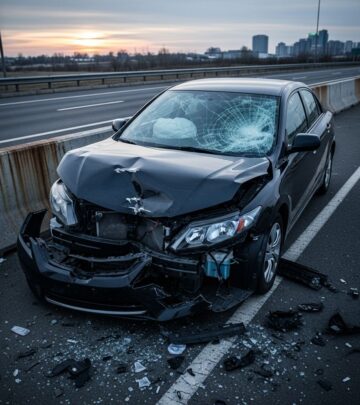
When you file an insurance claim following a vehicle accident or damage incident, you might assume the claim itself reduces your car’s value. However, the relationship between claims and vehicle valuation is more nuanced. The actual depreciation stems from the damage your vehicle sustained, not the administrative act of filing a claim with your insurance provider. Understanding this distinction is crucial for making informed decisions about your coverage and potential recovery options.
The Direct Claim Process and Vehicle Equity
Filing an insurance claim does not directly diminish your vehicle’s equity or market value. When you initiate a claim, your insurance company evaluates the damage and processes payment according to your policy terms. The equity you hold in your vehicle—the difference between what you owe and what it’s worth—remains technically unchanged during the claim process itself.
What does change is the actual condition and perceived reliability of your vehicle. Once your car has experienced damage severe enough to warrant an insurance claim, potential buyers and market valuations recognize this event as a significant factor affecting the vehicle’s desirability and long-term reliability.
Understanding Post-Accident Vehicle Depreciation
The real impact on your vehicle’s value comes from the damage it sustained and the subsequent repair process. Research indicates that vehicles involved in accidents typically experience value reductions ranging from 10% to 25%, which can represent substantial financial losses for owners of newer or more expensive vehicles.
Even vehicles that receive complete and professional repairs often retain a lower market value than comparable undamaged models. This phenomenon, known as inherent diminished value, reflects market reality: buyers consistently prefer vehicles with clean accident histories over those with documented collision damage, regardless of repair quality.
Factors Influencing the Severity of Value Loss
Multiple variables determine how significantly your vehicle’s market value declines following an accident:
- Damage Extent: Minor cosmetic damage typically results in smaller value reductions, while structural damage or frame involvement can cause losses exceeding 20 percent even after proper repair
- Vehicle Age and Category: Newer luxury vehicles and high-end models generally experience larger percentage value losses than older economy models
- Mileage at Time of Incident: Low-mileage vehicles typically suffer greater proportional value reduction following accidents
- Repair Quality Standards: Professional repairs performed by certified technicians help minimize additional depreciation beyond inherent diminished value
- Vehicle History Documentation: Clean histories without prior accidents command premium prices; any accident appears permanently on vehicle history reports
The Two Categories of Post-Accident Value Loss
Inherent Diminished Value
Inherent diminished value represents the most common form of value reduction following an accident. This category describes the persistent decline in a vehicle’s market value that persists even after the vehicle receives complete and proper repairs. The market recognizes that a previously damaged vehicle carries greater uncertainty regarding its long-term performance and structural integrity.
Experienced automotive inspectors can identify telltale signs of past accidents by examining the vehicle’s frame, paint consistency, and overall condition. These visible markers signal to knowledgeable buyers and dealers that the vehicle has experienced significant collision trauma. Consequently, the vehicle commands a lower resale price than an identical model without any accident history.
Repair-Quality Diminished Value
Beyond inherent diminished value, poor repair work compounds financial losses. When repairs fail to fully restore a vehicle to its pre-accident condition, additional value depreciation occurs. Examples include misaligned body panels, color-matched paint variations, or mechanical components that don’t function properly after repair.
Improperly executed repairs can reduce vehicle value by up to 50 percent in severe cases. Even properly repaired vehicles may experience 20 percent or greater value reductions when repair work falls short of factory standards.
Recovery Options Through Diminished Value Claims
If your vehicle has experienced an accident and value reduction, several recovery strategies may be available depending on your location and circumstances.
Filing a Diminished Value Claim
A diminished value claim allows vehicle owners to recover financial compensation representing the difference between their vehicle’s pre-accident and post-accident market values. These claims are typically filed against the at-fault driver’s insurance policy rather than your own coverage.
Eligibility requirements vary significantly by state. Generally, you cannot file a diminished value claim if you bear fault for the accident. Your location’s specific laws determine whether diminished value claims are permitted and what evidence standards apply.
Documentation Requirements for Successful Claims
Successfully pursuing a diminished value claim requires comprehensive documentation proving your vehicle’s reduced market value:
- Professional vehicle appraisals establishing pre-accident and post-accident valuations
- Complete repair records detailing all damage and restoration work performed
- Vehicle history reports showing clean history before the incident
- Comparable vehicle pricing data supporting market value estimates
- Documentation of accident severity and repair costs
The burden of proof rests with the vehicle owner. Insurance companies often contest diminished value claims, particularly when damage appears minor or the vehicle was older at the time of the incident. Professional appraisals from independent sources carry substantial weight in these disputes.
Valuation Challenges and Insurance Company Practices
Insurance companies employ standardized valuation systems to determine vehicle values, yet these systems don’t always accurately reflect real-world market conditions. Valuation models typically incorporate comparable vehicle listings, depreciation calculations, and internal adjustment factors.
Problems arise when comparable vehicles in the calculation don’t match your vehicle’s specific condition, mileage, location, or market factors. Inaccurate baseline valuations directly impact diminished value claim calculations, potentially resulting in significantly underestimated compensation.
When insurance valuations underestimate a vehicle’s pre-accident value, the calculated loss amount following an accident becomes proportionally smaller. This undervaluation particularly affects owners pursuing diminished value claims, as the compensation differential shrinks based on the inaccurate baseline assessment.
Managing Your Vehicle Value After an Accident
Immediate Post-Incident Steps
Several actions can help preserve your vehicle’s value and protect your interests following an accident:
- Document Everything: Photograph damage from multiple angles, gather witness information, and obtain police reports when applicable
- Meet with Insurance Adjusters: Cooperate fully with your insurance company’s damage assessment process and ask detailed questions about valuation methodology
- Obtain Multiple Repair Estimates: Get independent estimates from certified repair facilities to establish accurate damage costs and compare repair quality standards
- Request Detailed Repair Plans: Ensure repair facilities explain their processes and material choices for restoring your vehicle
- Preserve Records: Maintain copies of all repair receipts, invoices, and communications with insurance representatives
Making Informed Repair Decisions
If repair costs approach or exceed your vehicle’s actual cash value, your insurer will likely declare the vehicle a total loss. In these scenarios, the insurance company issues a payout based on the vehicle’s value at the incident time, depending on your specific coverage terms.
For vehicles with repairable damage, selecting qualified repair facilities becomes critically important. Repairs performed to manufacturer specifications by certified technicians better preserve residual value than budget-oriented repair approaches.
Understanding Regional and State-Specific Factors
Diminished value claim availability and evaluation standards vary substantially across different states and regions. Some jurisdictions recognize diminished value as a legitimate, insurable loss, while others do not. Court decisions in various states have produced conflicting precedents regarding whether standard auto insurance policies should cover inherent diminished value.
Certain areas have established clearer frameworks for diminished value calculations. Regional market factors, typical repair quality standards, and local buyer preferences all influence how significantly accidents reduce vehicle values in specific geographic markets.
Before pursuing a diminished value claim, research your state’s specific laws and consult with local legal professionals familiar with insurance practices in your area.
Actual Cash Value Versus Replacement Considerations
Standard auto insurance policies typically pay the “actual cash value” of your vehicle at the moment before an accident occurred. This approach differs from replacement cost coverage, which would provide funds to purchase a comparable new vehicle.
Understanding your policy’s valuation method helps establish realistic expectations for claim settlements. If your vehicle depreciates significantly following an accident, the actual cash value payout may prove insufficient to replace it with an equivalent model in your local market.
Long-Term Financial Implications
Vehicle value reduction extends beyond immediate resale concerns. Lower valuations affect insurance premiums, trade-in offers, and financing terms if you plan to sell or refinance your vehicle. Lenders and insurers factor accident history into their risk assessments, sometimes resulting in less favorable terms for damaged vehicles.
If you decide to retain your repaired vehicle rather than pursuing replacement, understanding its reduced market value helps inform decisions about coverage levels. You may want to adjust your comprehensive and collision coverage based on the vehicle’s current worth rather than its pre-accident value.
Frequently Asked Questions
Does Filing a Claim Directly Lower My Vehicle’s Value?
No, the administrative act of filing a claim doesn’t directly reduce your vehicle’s value. However, the damage incident prompting the claim does reduce market value, and the claim filing creates a documented record affecting buyer perception and vehicle history reports.
What Percentage Value Loss Should I Expect After an Accident?
Most vehicles experience 10% to 25% value reductions following accidents. The specific percentage depends on damage severity, vehicle age and category, mileage, repair quality, and market factors in your region.
Can I Recover Diminished Value Losses in My State?
Diminished value claim availability varies by state. Research your specific state’s insurance laws or consult with a local attorney to determine whether you can pursue this recovery option and what documentation requirements apply.
How Much Do Typical Diminished Value Claims Pay Out?
Most diminished value claims result in compensation under $3,000. Claims for minor to moderate damage typically yield even smaller amounts. Severe damage to newer or luxury vehicles may support higher claims.
Should I Repair My Vehicle or Accept a Total Loss Settlement?
This decision depends on your vehicle’s actual cash value, repair costs, your financial situation, and whether you plan to keep the vehicle long-term. Vehicles with significant damage histories carry permanently reduced resale values regardless of repair quality.
References
- Do Car Insurance Claims Affect the Value of Your Vehicle? — Experian. 2024. https://www.experian.com/blogs/ask-experian/do-car-insurance-claims-affect-the-value-of-your-vehicle/
- Inherent Diminished Value Claims for Personal Autos — International Risk Management Institute (IRMI). 2024. https://www.irmi.com/articles/expert-commentary/inherent-diminished-value-claims-for-personal-autos
- How Does an Accident Affect Car Value? Understanding the Impact — BAM Injury Law. 2024. https://baminjurylaw.com/idaho-car-accident-lawyer/how-does-an-accident-affect-car-value/
- Diminished Value of a Car: Estimations After an Accident — Kelley Blue Book. 2024. https://www.kbb.com/car-advice/diminished-value-car-estimations-after-accident/
- How to File a Diminished Value Claim — Bankrate. 2024. https://www.bankrate.com/insurance/car/diminished-value-claim/
- Why Insurance Valuations Undervalue Your Car After an Accident — Appraisal Engine. 2024. https://appraisalengine.com/company/insurance-valuation-undervalue-vehicle-accident/
Similar Articles








Read full bio of Sneha Tete