Installment Loans: 5 Types, Benefits, And Risks
Discover how installment loans work, their types, benefits, and smart strategies for borrowing responsibly in today's economy.
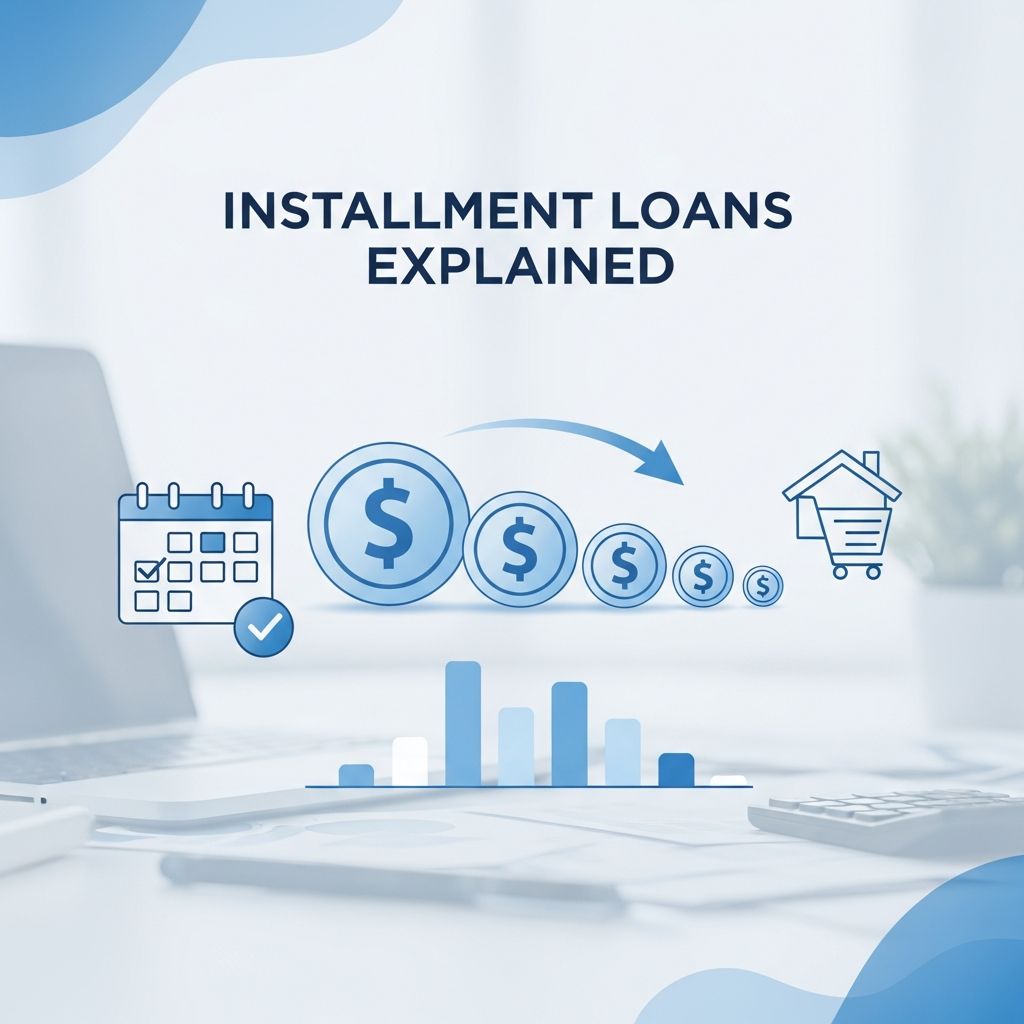
Installment loans provide borrowers with a lump sum upfront, repaid through predictable fixed payments over a set period, distinguishing them from flexible revolving credit options.
Defining Installment Loans and Their Core Mechanics
At their essence, installment loans deliver a one-time funding amount that individuals repay in scheduled portions, typically monthly, covering both principal and interest until the balance reaches zero. This closed-end structure offers clarity, as each payment reduces the debt progressively without the option to re-borrow once settled.
Key elements include a predetermined loan amount, repayment timeline ranging from months to decades, and interest applied either at a fixed rate for stability or variable rate tied to market shifts. Borrowers receive funds immediately after approval, making these loans suitable for targeted needs like major acquisitions or expense consolidation.
Secured vs. Unsecured: The Fundamental Divide
Installment loans split into secured varieties, backed by collateral such as a vehicle or property, and unsecured ones relying solely on the borrower’s creditworthiness. Secured options often feature lower rates due to reduced lender risk, but defaulting risks asset loss through repossession or foreclosure.
Unsecured loans, conversely, demand stronger credit profiles and carry higher rates, yet preserve borrower assets. This choice influences not just costs but also application processes, with secured loans requiring asset appraisals.
| Aspect | Secured Installment Loans | Unsecured Installment Loans |
|---|---|---|
| Collateral | Required (e.g., car, home) | None |
| Interest Rates | Typically lower | Higher to offset risk |
| Risk to Borrower | Asset forfeiture possible | Credit damage on default |
| Approval Ease | Easier for lower credit | Stricter credit checks |
Primary Categories of Installment Loans
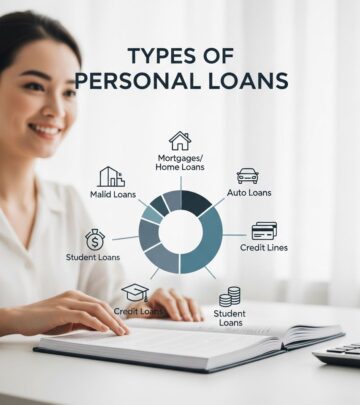
Several installment loan types dominate lending markets, each tailored to distinct purposes.
Vehicle Financing Loans
Auto loans fund car purchases, securing the debt against the vehicle itself for terms of 36 to 72 months. Monthly payments blend principal and interest, with shorter durations hiking payments but curbing total costs via reduced interest accrual. Lenders monitor vehicle depreciation, adjusting risk models accordingly.
- Collateral: The purchased automobile
- Terms: 3-7 years average
- Rates: Fixed or adjustable, often competitive
- Pros: Accessible for asset-backed borrowing
Home Purchase Mortgages
Mortgages enable real estate acquisition through long-term secured loans spanning 15 to 30 years, using the property as pledge. This extended horizon yields manageable payments, though cumulative interest mounts substantially. Fixed rates lock in predictability, while variables respond to economic indicators.
- Collateral: Residential or commercial property
- Terms: 15-30 years predominantly
- Rates: Lower due to security
- Considerations: Closing costs, equity buildup
Personal Unsecured Borrowing
Personal loans address versatile needs like medical costs, renovations, or debt merging, sans collateral for 12 to 60-month spans. Elevated rates reflect risk, but fixed payments aid budgeting. Ideal for creditworthy individuals seeking quick funds without liens.
- No collateral needed
- Flexible usage
- Shorter terms, quicker payoff
- Higher APRs common
Education Funding Options
Student loans support tuition and related expenses, often deferring payments until post-graduation. Federal versions offer subsidized rates and forgiveness paths; private ones mirror personal loan traits but target academic pursuits.
Emerging Short-Term Variants
Buy-now-pay-later schemes function as micro-installments for retail, splitting costs over weeks or months with minimal or zero interest if timely. These bridge to traditional loans for smaller sums.
Contrasting with Revolving Credit Facilities
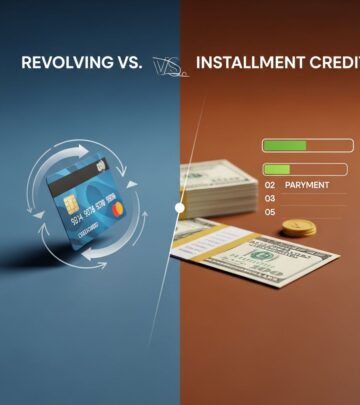
Unlike installment loans’ finite lifecycle, revolving credit like cards or lines permits repeated drawdowns up to a limit, with variable minimum payments. Installment commitments end upon payoff; revolving persists open.
- Payment Predictability: Fixed amounts vs. fluctuating minima
- Interest: Often fixed vs. variable, potentially lower for installments
- Usage: One-time vs. reusable
- Credit Impact: Installments shorten debt timelines, aiding scores post-payoff
Advantages and Potential Drawbacks
Benefits for Strategic Borrowers
Foreseeable payments simplify financial planning, especially for large outlays. Fixed rates shield against hikes, and timely management boosts credit profiles by diversifying accounts. Secured forms access better terms for moderate credit holders.
Risks and Pitfalls to Navigate
Overborrowing stretches budgets, risking defaults and credit dings. Variable rates expose to surges, while collateral ties assets. Prepayment penalties or fees add hidden costs; scrutinize terms rigorously.
Navigating the Application Process
Securing an installment loan starts with credit assessment, income verification, and debt-to-income ratios. Compare offers via prequalification to minimize inquiries. Gather documents: IDs, pay stubs, asset proofs for secured types.
- Evaluate needs and affordability
- Check credit report for errors
- Shop multiple lenders
- Review full terms: APR, fees, penalties
- Sign and receive funds
Optimizing Repayment and Credit Health
Automate payments to dodge late fees, allocating extra to principal for savings. Refinancing viable if rates drop or credit improves. Track via statements, adjusting budgets as needed.
Installment loans positively influence credit utilization and mix when handled well, contrasting revolving debt’s ongoing impact.
Frequently Asked Questions
What qualifies as an installment loan?
A loan repaid in fixed installments over a defined term, like mortgages or auto financing.
Do installment loans build credit?
Yes, consistent payments enhance payment history and account diversity.
Are rates fixed on all installment loans?
No, some offer variable options, but fixed prevails for predictability.
Can I pay off early?
Often yes, but check for prepayment fees.
How do they affect debt-to-income ratios?
New loans raise ratios temporarily; payoff lowers them.
Strategic Considerations for 2026 Borrowers
With economic fluxes, prioritize loans matching repayment capacity. Leverage online calculators for simulations. Consult non-profits for guidance if strained. Diversify credit wisely to fortify profiles amid rising rates.
Installment loans empower goal achievement when aligned with finances, offering structure absent in revolving products.
References
- What Are the 3 Most Common Types of Installment Loans? — Nortridge. 2023. https://nortridge.com/blog/what-are-the-3-most-common-types-of-installment-loans/
- What’s an Installment Loan & How Does It Work? — Capital One. 2024-01-15. https://www.capitalone.com/learn-grow/money-management/what-is-an-installment-loan/
- Types of Installment Loans: Specific Loan Examples — AF Bank. 2024. https://www.afbank.com/article/types-of-installment-loans-specific-loan-examples
- What Is an Installment Loan? — Experian. 2025-06-01. https://www.experian.com/blogs/ask-experian/what-is-installment-loan/
- What Is an Installment Loan? Definition, Types, & Borrowing Tips — Sun Loan. 2024. https://www.sunloan.com/resources/education-on-personal-loans/what-is-an-installment-loan/
- What Are Installment Loans & How Do They Work? — Bankrate. 2025-02-10. https://www.bankrate.com/loans/personal-loans/what-is-an-installment-loan/
- What are Installment Loans? — Equifax. 2024. https://www.equifax.com/personal/education/loans/articles/-/learn/installment-loans/
Similar Articles








Read full bio of Sneha Tete