Installment Loans: A Comprehensive Guide To Credit Impact
Discover how installment loans can boost or harm your credit score through payment history, mix diversity, and smart management strategies.

Installment loans represent a key financing option for major purchases, offering fixed repayment schedules that influence credit profiles in multiple ways. These loans, including auto financing, student debt, and personal advances, contribute to credit scores primarily through payment consistency and account diversity, though they carry risks if mishandled.
Defining Installment Loans in Financial Contexts
Installment loans provide a lump sum disbursed upfront, repaid in predetermined equal installments over a set period, distinguishing them from revolving credit like cards that allow ongoing borrowing up to a limit. Common examples encompass mortgages for homeownership, vehicle financing for transportation needs, and personal loans for debt consolidation or unexpected expenses. Unlike flexible revolving accounts, these loans feature rigid terms, typically monthly payments encompassing principal and interest until full repayment.
This structure suits borrowers seeking predictability, as payments remain constant regardless of balance fluctuations. Lenders report these accounts to major bureaus—Equifax, Experian, and TransUnion—integrating them into FICO and VantageScore models that dominate lending decisions.
Mechanisms Behind Credit Score Calculations
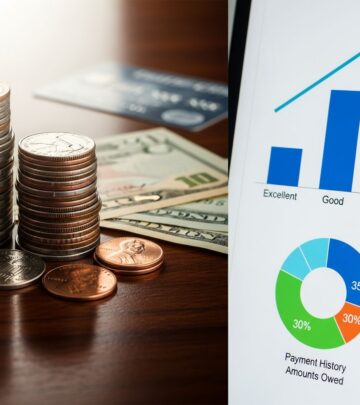
Credit scoring models evaluate five primary factors: payment history (35%), amounts owed (30%), length of credit history (15%), new credit (10%), and credit mix (10%) in FICO formulations. Installment loans interact uniquely with these, excluding themselves from credit utilization ratios that solely track revolving balances.
Payment history dominates, rewarding consistent on-time remittances while penalizing delinquencies severely. Amounts owed assess remaining balances relative to originals, favoring gradual paydowns over abrupt closures. Credit mix benefits from variety, as blending installment and revolving accounts signals versatility.
Positive Influences on Credit Profiles
Strategic use of installment loans enhances scores by fortifying foundational elements. Regular payments establish robust histories, the heaviest-weighted factor, demonstrating reliability to future creditors.
- Strengthened Payment Records: Monthly obligations create ongoing opportunities for positive reporting, outpacing short-term revolving activity.
- Diversified Mix: Introducing installment debt to card-heavy profiles boosts the 10% mix component without utilization risks.
- Debt Management Signals: Successful navigation of fixed terms showcases budgeting prowess, aiding rebuilding efforts.
For those with limited histories, these loans offer accessible entry points, especially when consolidated to replace high-interest revolving debt. Experian notes that on-time installment activity can steadily elevate scores over months.
Risks and Negative Effects to Anticipate
Despite benefits, installment loans pose threats if repayment falters. The inflexible schedule amplifies delinquency impacts, as grace periods prove brief.
| Risk Factor | Impact on Score | Duration |
|---|---|---|
| Missed Payments (30+ days) | Severe drop, heaviest factor affected | Up to 7 years on report |
| Hard Inquiries | Temporary 5-point dip | 12-24 months visible |
| New Account Opening | Reduces average age slightly | Recovers as account matures |
| High Debt Load | Increases amounts owed ratio | Persistent until paydown |
Hard pulls from applications trigger immediate minor declines, compounded by younger average account ages. Excessive debt elevates debt-to-income ratios, deterring new approvals. Paying off prematurely may paradoxically lower scores by eliminating mix diversity and optimal balance ratios.
Strategic Approaches for Maximum Benefit
To leverage installment loans constructively, prioritize necessity and affordability. Only pursue when aligned with genuine needs like vehicle replacement, avoiding speculative borrowing.
- Assess Affordability: Ensure payments fit within 36% debt-to-income thresholds.
- Automate Payments: Mitigate misses via direct debits.
- Monitor Progress: Track via free weekly bureau reports.
- Consolidate Wisely: Target high-APR revolving debt for net savings.
Gradual paydowns optimize ‘amounts owed’ by maintaining low balance-to-original ratios, deemed less risky than zero balances.
Installment vs. Revolving Credit: A Comparison
Revolving credit permits repeated draws within limits, utilization under 30% ideal, while installment fixes terms excluding it from that metric.
- Revolving: Flexible but utilization-sensitive; high balances harm quickly.
- Installment: Predictable; shines in history and mix but inflexible.
Balanced portfolios incorporating both yield superior mixes, per Equifax analyses.
Real-World Case Studies and Outcomes
Consider a borrower consolidating $10,000 card debt at 20% APR into a 12% installment loan: monthly payments build history sans utilization pressure, potentially raising scores 50+ points yearly with perfection. Conversely, a missed auto payment drops FICO by 100 points, lingering years.
Data from MyFICO indicates closed installment accounts sometimes reduce scores 20-50 points due to mix loss, underscoring retention value.
Frequently Asked Questions
Do installment loans affect credit utilization?
No, utilization ratios exclude installment balances, focusing solely on revolving accounts.
Can paying off an installment loan hurt my score?
Possibly, by altering mix and balance ratios favorably viewed when small remnants persist.
How quickly do installment loans improve credit?
Positive effects accrue over 6-12 months of on-time payments, not immediately.
Are installment loans good for bad credit?
Yes, if manageable, as they foster history; avoid if repayment risks high.
What’s better for building credit: installment or revolving?
Both aid when handled well; mix of each optimal.
Advanced Tips for Credit Optimization
Beyond basics, integrate tools like Experian Boost for non-traditional payments, amplifying installment positives. Time applications during low-activity periods to minimize inquiry clustering. Refinance opportunistically for better rates without new inquiries if seasoned.
Lenders weigh debt-to-income; cap new installment additions preserving under 36%. Profile reviews quarterly ensure alignment with goals like mortgage prequalification.
Long-Term Financial Planning Integration
Incorporate installment loans into holistic strategies: pair with emergency funds covering 3-6 months expenses, buffering shocks. As scores rise, transition to premium rewards cards leveraging improved profiles.
Anticipate life events—homebuying favors seasoned installment histories signaling stability.
References
- Do Installment Plans Hurt Your Credit Score? — OppLoans. 2023. https://www.opploans.com/oppu/installment-loans/do-installment-plans-hurt-your-credit-score/
- Can an Installment Loan Help Improve Your Credit Score? — Experian. 2021-07-27. https://www.experian.com/blogs/ask-experian/can-installment-loan-help-improve-credit-score/
- What’s an Installment Loan & How Does It Work? — Capital One. 2024. https://www.capitalone.com/learn-grow/money-management/what-is-an-installment-loan/
- Can Paying off Installment Loans Cause a FICO Score To Drop? — MyFICO. 2024. https://www.myfico.com/credit-education/faq/scores/paying-off-installment-loan
- Do Installment Loans Build Credit? Yes — Here’s How — Bankrate. 2024. https://www.bankrate.com/loans/personal-loans/do-installment-loans-build-credit/
- Installment vs. Revolving Credit & Key Differences — Equifax. 2024. https://www.equifax.com/personal/education/credit/score/articles/-/learn/revolving-credit-vs-installment-credit/
Similar Articles








Read full bio of medha deb