Always Know Who Should Pick Up the Check
Master the etiquette of splitting bills and picking up tabs in every social and business dining scenario with clear, simple guidelines.

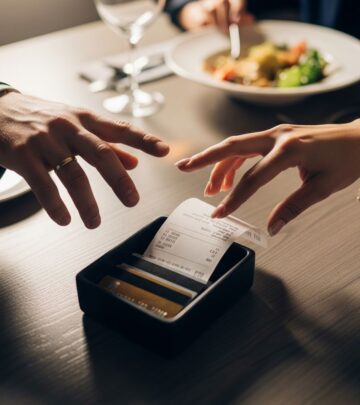
Dining out creates memorable experiences, but the moment the bill arrives can turn pleasant evenings into awkward standoffs. Who pays? Is it the inviter, the highest earner, or should everyone split evenly? These questions arise in business meetings, romantic dates, family gatherings, and friend hangouts. Understanding proper etiquette not only prevents discomfort but also signals respect, generosity, and social savvy. This guide breaks down the rules across common scenarios, drawing from longstanding traditions and modern adaptations. Whether you’re hosting clients or celebrating a birthday, these principles ensure smooth resolutions every time.
Business Dinners: Impressing Without Overcommitting
Business meals are strategic opportunities to build relationships, negotiate deals, or seal partnerships. Paying etiquette here reflects professionalism and power dynamics. The golden rule: whoever initiates the meeting typically covers the tab. This gesture demonstrates investment in the relationship.
- Client Entertaining: If you’re wooing a potential client, pay the full bill. It positions you as the gracious host and leaves a positive impression. Excusing yourself briefly to settle with the server discreetly reinforces this.
- With Superiors: When dining with your boss or executives, let them pay unless they explicitly say otherwise. Deferring shows hierarchy awareness. Offer to cover if they decline, but don’t insist.
- Team or Equal Colleagues: Suggest splitting evenly or Dutch treat (each pays own share). For group business lunches, use the per-person split to keep things fair and focused on work discussion.
- Expense It Wisely: Always note the business purpose for reimbursement, but never make guests feel like a line item.
In one survey by the Emily Post Institute, 68% of professionals reported that the meeting initiator pays in business settings, underscoring this norm’s prevalence.
First Dates: Romance Meets Reality
The first date bill dance is legendary—fumbling wallets, averted eyes, and polite protests. Traditional etiquette favors the asker paying, rooted in chivalrous norms, but equality is increasingly common. Communicate expectations early to sidestep tension.
- Classic Approach: Whoever asked the other out foots the bill. This holds for both genders; it’s about the invitation, not stereotypes.
- Modern Twist: Offer to split or cover your share. Phrases like “Shall we split it?” open dialogue without offense. On apps like Tinder, pre-discuss to align views.
- Follow-Up Dates: Alternate paying to show reciprocity. Track turns mentally: you paid first, they cover second.
- Uneven Finances: If one earns significantly more, they might cover graciously, but never assume—ask.
| Situation | Who Pays | Why |
|---|---|---|
| You asked them out | You (full) | Honors the invitation |
| Group first date | Split evenly | Keeps it casual |
| Second date | Alternate | Builds mutual respect |
Adapting to preferences fosters connection; rigidity kills sparks.
Family Gatherings: Traditions and Fairness
Family dinners blend love, obligation, and occasional score-keeping. Dynamics shift with generations, incomes, and occasions. Elders often expect deference, but equity matters in blended or large families.
- Parents with Adult Kids: Parents typically pay, viewing it as ongoing support. Kids offer but accept gracefully if declined.
- Siblings Out: Rotate or split. The one with highest income might cover more, especially for celebrations.
- Holidays/ Special Occasions: Host pays, or family pitches in proportionally. Use apps like Splitwise for transparency.
- Extended Family: Wealthier relatives often treat; communicate via group chat pre-meal.
Resentment brews from unspoken assumptions—discuss norms openly.
Friends and Group Outings: Keeping It Fair
Friendships thrive on equity. Uneven paying breeds imbalance, so default to splits unless someone insists on treating.
- Casual Hangouts: Split the bill evenly. Apps calculate precisely, including tips.
- Birthdays: Honoree gets treated by the group; they reciprocate next time.
- One Earns More: They might cover, but rotate to avoid entitlement.
- Alcohol Differences: Itemize drinks if one abstains; otherwise, even split common.
For larger groups, request separate checks upfront or use Venmo post-meal.
Romantic Relationships: Long-Term Balance
In committed partnerships, paying evolves from dates to shared life. Aim for overall equity, not per-meal precision.
- Couples Dining Out: Alternate or split, based on finances. Joint accounts simplify.
- Anniversaries: Whoever plans pays, or go Dutch for romance focus.
- Income Gaps: Higher earner covers more naturally; track contributions elsewhere like rent.
Regular check-ins prevent grudges: “How do you feel about our bill routine?”
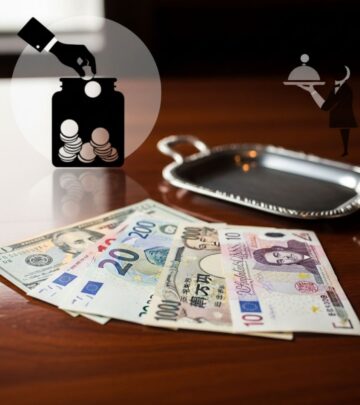
International Dining Etiquette Variations
Global travel demands cultural awareness. Norms differ sharply:
- USA/Canada: Split common among peers; host pays otherwise.
- France/Italy: Inviter pays full; splitting seen as cheap.
- Japan: Host pays; never split in groups.
- Scandinavia: Always split (“go Dutch”) for equality.
- Middle East: Senior/male host insists on paying.
Research destination customs; when unsure, follow host’s lead.
Practical Tips for Graceful Execution
Mastery lies in subtlety:
- Pre-arrange payment: Ask for bill early, pay at counter.
- Tip generously (15-20%) regardless of who pays.
- Use phrases: “It’s on me tonight,” or “Let’s split?”
- Track via apps: Splitwise, Tab, Settle Up.
- Avoid public haggling—step away.
Generosity builds goodwill; stinginess erodes it.
Frequently Asked Questions (FAQs)
Q: What if the bill arrives unexpectedly?
A: Pause conversation, review silently, then suggest: “I’ll get this one” or “Even split sound good?” Stay calm.
Q: How to handle cheap friends who never pay?
A: Address privately or limit invites. Propose splits upfront next time.
Q: Who pays on a double date?
A: Each couple covers their own, or all split if casual.
Q: Is it rude to use a coupon in groups?
A: Yes, unless alone. Opt for deals pre-group.
Q: What about takeout or delivery?
A: Same rules apply; inviter pays or split app fees.
Conclusion: Etiquette as Relationship Currency
Knowing who picks up the check transcends money—it’s about respect, clarity, and harmony. Apply these rules flexibly, communicate openly, and watch social bonds strengthen. Next dinner, lead with confidence.
References
- Emily Post’s Etiquette — The Emily Post Institute. 2023-05-15. https://emilypost.com
- Business Dining Etiquette Guidelines — Harvard Business Review. 2024-02-10. https://hbr.org/2024/02/business-dining-etiquette
- Modern Dating and Money Norms — Pew Research Center. 2023-11-20. https://www.pewresearch.org/social-trends/2023/11/20/dating-finances
- International Dining Customs — U.S. Department of State. 2024-01-05. https://www.state.gov/dining-etiquette
- Consumer Expenditure Survey on Dining Out — U.S. Bureau of Labor Statistics. 2025-09-12. https://www.bls.gov/cex
Similar Articles








Read full bio of medha deb