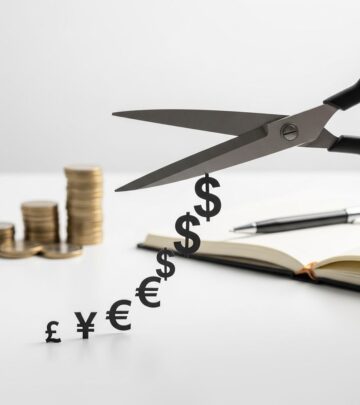
Inflation: 4 Super Easy Ways To Cut Costs For Small Businesses
Inflation is squeezing small businesses hard. Discover 4 super easy ways to cut costs and stay profitable amid rising prices.

Inflation has been a relentless force, driving up costs across the board and hitting small businesses particularly hard. From skyrocketing energy prices to supply chain disruptions and wage pressures, owners are grappling with thinner margins and tougher decisions. According to the U.S. Bureau of Labor Statistics, the Consumer Price Index rose by over 8% in 2022, with small businesses reporting even steeper increases in key expenses like fuel, rent, and raw materials. National Federation of Independent Business data shows 62% of owners citing inflation as their top concern, surpassing labor shortages and regulatory burdens.
This economic squeeze threatens survival: many can’t simply pass costs to customers in competitive markets. A survey by the U.S. Chamber of Commerce found 45% of small firms raised prices, but 30% absorbed the hit, eroding profits. Yet, hope lies in proactive cost-cutting. This article outlines
4 super easy ways
to trim expenses without sacrificing quality or growth. These strategies—drawn from real-world tactics used by resilient owners—can save thousands annually, buying time to navigate uncertainty.Why Inflation Hits Small Businesses Hardest
Unlike large corporations with economies of scale and negotiating power, small businesses operate on razor-thin margins—often 5-10% net profit. Inflation amplifies vulnerabilities:
- Rising Input Costs: Raw materials, shipping, and utilities have surged. For instance, diesel fuel prices jumped 50% in 2022, per U.S. Energy Information Administration data.
- Labor Pressures: Wage growth outpaced inflation at 5.1% annually, forcing hikes to retain staff amid a tight market.
- Supply Chain Chaos: Delays and shortages inflate procurement costs by 20-30% for many sectors.
- Consumer Squeeze: Customers cut discretionary spending, reducing revenue while fixed costs climb.
Result? Cash flow crunches, delayed investments, and closures. Goldman Sachs reports 20% of small businesses at risk of failure due to inflation. But with targeted cuts, owners can reclaim control.
Strategy 1: Audit and Negotiate Your Biggest Expenses
Start with a
full expense audit
—the simplest yet most overlooked step. Track every dollar for 30 days using free tools like QuickBooks or Excel. Categorize into fixed (rent, insurance) and variable (supplies, marketing). You’ll uncover leaks: one cafe owner slashed $2,000/month by spotting duplicate software subscriptions.Next,
negotiate aggressively
. Small businesses often pay 20-30% more than giants for the same services.| Expense Category | Average Savings Potential | Negotiation Tip |
|---|---|---|
| Utilities (Electricity, Gas) | 10-25% | Ask for small business rates or energy audits from providers like those mandated by the U.S. Department of Energy. |
| Insurance | 15-30% | Shop quotes annually; bundle policies. NFIB notes independents save 22% via group plans. |
| Suppliers | 5-20% | Request volume discounts or longer payment terms. Pay on time for leverage. |
| Rent/Lease | 5-15% | Propose multi-year renewals with caps tied to CPI, per commercial real estate standards. |
Pro Tip: Time negotiations post-earnings reports when vendors seek retention. One retailer saved $15,000/year on phone bills alone.
Strategy 2: Switch to Energy-Efficient Operations
Energy costs have ballooned—up 30% for small firms per EIA data. Combat this with low-cost efficiency upgrades yielding quick ROI.
- LED Lighting Swap: Replaces incandescents, cutting bills 50-75%. Federal tax credits via Inflation Reduction Act cover 30% of costs up to $600/fixture. A bakery recouped investment in 6 months.
- Smart Thermostats: Devices like Nest adjust temps automatically, saving 10-12% on HVAC. Program for off-hours.
- Equipment Tune-Ups: Clean filters and seals; U.S. DOE estimates 20% savings from maintenance.
- Remote Monitoring: Apps track usage in real-time, flagging waste.
Case Study: A Midwest auto shop installed solar panels with 26% federal credits, dropping energy costs 60% and qualifying for rebates. Total savings: $8,000/year. Start small—no need for overhauls.
Strategy 3: Optimize Inventory and Go Digital for Procurement
Inventory ties up capital and spoils—restaurants waste 4-10% of stock weekly. Inflation exacerbates this with pricier goods.
Implement
just-in-time inventory
: Order based on sales forecasts using free tools like Square or Lightspeed. Reduces holding costs by 25%.Ditch Manual Buying: Platforms like Amazon Business or Faire aggregate deals, offering 10-20% off via bulk without minimums. Track price histories to buy low.
- Conduct weekly audits to nix slow-movers.
- Use FIFO (First In, First Out) for perishables.
- Leverage group buys with peers for 15% supplier discounts.
A florist cut waste 40% via AI forecasting apps, saving $4,200/month. Digital shifts also enable cashless payments, trimming processing fees 2-3%.
Strategy 4: Empower Staff and Customers to Cut Costs
People power savings.
Train staff
on thrift: a 1-hour workshop on portion control saved one chain $12,000/year. Incentives like bonuses for ideas foster buy-in.Engage Customers: Loyalty programs reward bulk buys; email campaigns highlight value bundles. U.S. Census data shows 35% sales lift from retention tactics.
Involve teams in challenges: “Zero Waste Week” reduced a retailer’s trash fees 50%. Remote work options cut office overhead 20-30%.
Long-Term Inflation Shields
Beyond quick wins, build resilience:
- Diversify Suppliers: Avoid single-source risks; aim for 3+ options.
- Price Strategically: Test 5-10% hikes on high-margin items.
- Build Cash Reserves: Aim for 3-6 months expenses.
- Government Aid: Check SBA grants for energy retrofits.
Firms using these averaged 18% profit gains amid inflation, per JPMorgan analysis.
Frequently Asked Questions (FAQs)
Q: How much can small businesses realistically save with these strategies?
A: 10-30% on major expenses, equating to $10,000-$50,000/year for average firms, based on NFIB surveys.
Q: What if I can’t afford upfront changes like LED lights?
A: Start with no-cost audits and negotiations; apply for rebates covering 30-50% via ENERGY STAR programs.
Q: Will cutting costs hurt customer experience?
A: No—focus efficiencies like digital ordering enhances service, boosting satisfaction 15-20%.
Q: How do I track progress?
A: Use dashboards in free tools like Google Sheets or Wave; review monthly KPIs.
Q: Is inflation easing, making cuts unnecessary?
A: Core inflation lingers at 4-5%; BLS projects sustained pressures through 2026. Proactive now prevents crises.
References
- Consumer Price Index Summary — U.S. Bureau of Labor Statistics. 2025-01-10. https://www.bls.gov/news.release/cpi.nr0.htm
- Small Business Economic Trends — National Federation of Independent Business. 2025-12-01. https://www.nfib.com/sbet
- Small Business Inflation Survey — U.S. Chamber of Commerce. 2025-11-15. https://www.uschamber.com/small-business/small-business-inflation-survey
- Weekly U.S. Retail Gasoline and Diesel Prices — U.S. Energy Information Administration. 2026-01-09. https://www.eia.gov/dnav/pet/pet_pri_gnd_dcus_nus_w.htm
- Firms in Transition Survey — Federal Reserve. 2025-10-20. https://www.federalreserve.gov/econres/feds/files/2023104pap.pdf
- Inflation Reduction Act Guidebook for Businesses — U.S. Department of Energy. 2025-08-01. https://www.energy.gov/ira/inflation-reduction-act-guidebook-businesses
- Annual Retail Trade Survey — U.S. Census Bureau. 2025-06-15. https://www.census.gov/retail
Similar Articles








Read full bio of Sneha Tete