Inflation Rate by Year: Historical Data and Trends
Comprehensive guide to inflation rates by year with historical data and economic trends.
Understanding Inflation Rate by Year
Inflation represents the rate at which the general level of prices for goods and services rises, eroding the purchasing power of money over time. When inflation increases, each dollar you have buys less than it did previously. Understanding inflation rates across different years provides valuable insight into economic health, investment strategies, and personal financial planning. The U.S. inflation rate fluctuates annually based on various economic factors, including supply chain disruptions, monetary policy decisions, and demand fluctuations.
What Is Inflation?
Inflation is the sustained increase in the general price level of goods and services in an economy. It is measured as a percentage change in the Consumer Price Index (CPI) or the Personal Consumption Expenditures Price Index (PCE). The Federal Reserve, the central banking system of the United States, actively monitors inflation to maintain price stability and promote economic growth. When inflation runs too high, purchasing power decreases, and when it runs too low, economic growth can stagnate.
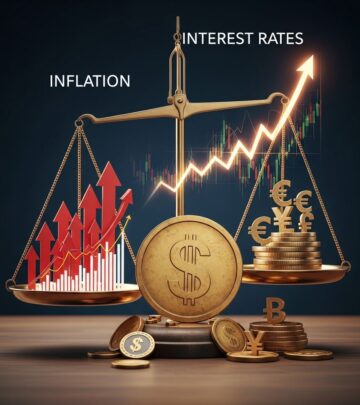
The relationship between inflation and interest rates is crucial. Generally, when inflation rises, central banks increase interest rates to cool down the economy and reduce spending. Conversely, when inflation is low, central banks may lower rates to encourage borrowing and spending.
Historical Inflation Rates: Year-by-Year Overview
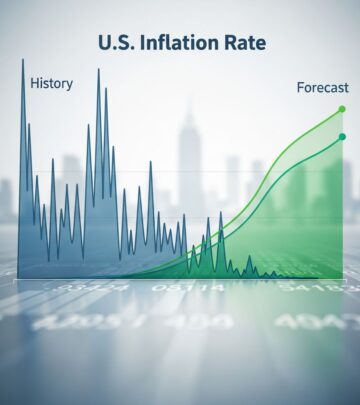
Examining inflation rates across decades reveals important economic cycles and trends. The following breakdown provides context for understanding how inflation has evolved:
2020s Inflation Trends
- 2024: Inflation moderated to approximately 3.4% as the Federal Reserve’s aggressive rate hikes began showing effectiveness in cooling price pressures
- 2023: Inflation declined to around 4.1% from the previous year’s highs, but remained above the Federal Reserve’s 2% target
- 2022: The year witnessed peak inflation at 8.0%, driven by supply chain bottlenecks, increased energy prices, and expansionary fiscal policies
- 2021: Inflation accelerated to 4.7% due to pandemic-related supply constraints and increased consumer demand
- 2020: Inflation remained relatively modest at 1.2% despite significant economic disruption from the COVID-19 pandemic
2010s Inflation Trends
- 2019: Inflation settled at 2.3%, moderating from the previous year
- 2018: Inflation reached 2.4%, approaching the Federal Reserve’s target range
- 2015-2016: Inflation remained subdued, particularly 2015 at 0.1%, as oil prices collapsed and economic growth remained tepid
- 2011-2014: Inflation gradually recovered from the financial crisis, ranging between 1.5% to 2.0%
The Impact of Recent Inflation on the Economy
The elevated inflation rates experienced in 2021 and 2022 represented the highest levels seen in over four decades. Multiple factors contributed to this inflation surge:
Key Contributors to Recent Inflation
- Supply Chain Disruptions: Pandemic-related shutdowns created bottlenecks in manufacturing and transportation, reducing the supply of goods while demand surged
- Energy Price Volatility: Geopolitical tensions and production constraints drove oil and natural gas prices significantly higher
- Labor Market Tightness: Strong wage growth and labor shortages pushed up production costs for businesses
- Monetary Policy: Extended periods of low interest rates and quantitative easing injected substantial liquidity into the economy
- Fiscal Stimulus: Government spending programs increased consumer purchasing power, further driving demand
How Inflation Is Measured
The Consumer Price Index (CPI) serves as the primary measure of inflation in the United States. The Bureau of Labor Statistics calculates CPI by tracking price changes for a basket of consumer goods and services across various categories including food, energy, housing, transportation, and medical care.
Two primary CPI measures exist: headline inflation, which includes all items including volatile food and energy prices, and core inflation, which excludes these categories to provide a clearer view of underlying price pressures. Core inflation is often preferred by policymakers as it reduces noise from temporary price fluctuations.
The Federal Reserve’s Role in Managing Inflation
The Federal Reserve employs several tools to manage inflation and maintain price stability. The primary tool is the federal funds rate, which influences borrowing costs throughout the economy. When inflation rises above the Federal Reserve’s 2% target, the central bank typically raises rates to make borrowing more expensive, thereby reducing spending and cooling price pressures.
In response to the 2021-2022 inflation surge, the Federal Reserve initiated one of the most aggressive rate-hiking cycles in decades. Starting from near-zero levels in 2021, the federal funds rate increased to over 5% by 2023. These rate increases aimed to reduce inflation while minimizing employment losses—a delicate balance known as achieving a “soft landing.”
Effects of Inflation on Different Economic Segments
Inflation affects various segments of the economy differently. Some groups experience greater hardship from rising prices:
- Fixed-Income Earners: Retirees and those on fixed salaries experience reduced purchasing power as their income remains constant while prices rise
- Savers: Inflation erodes the real value of cash savings when inflation rates exceed interest rates on savings accounts
- Borrowers: Those with fixed-rate debt benefit from inflation as they repay loans with less valuable dollars
- Businesses: Rising input costs can compress profit margins unless companies can pass costs to consumers
- Low-Income Households: These households spend a larger percentage of income on essentials like food and energy, making them more vulnerable to inflation
Inflation and Investment Strategy
Inflation significantly influences investment returns and portfolio strategy. When inflation rises, investors must consider whether their investment returns exceed inflation rates to achieve real returns. Common inflation hedges include:
- Treasury Inflation-Protected Securities (TIPS): These bonds adjust principal values based on CPI changes, protecting against inflation
- Real Estate: Property values and rental income often rise with inflation, providing a hedge
- Commodities: Raw materials like oil, metals, and agricultural products typically appreciate during inflationary periods
- Dividend-Paying Stocks: Companies with pricing power can maintain profit margins and increase dividends during inflation
Global Inflation Comparisons
Inflation rates vary significantly across countries based on local economic conditions, monetary policy, and external factors. During 2021-2022, most developed economies experienced elevated inflation simultaneously, driven by shared global supply chain issues and energy price shocks. However, the magnitude varied, with some countries experiencing double-digit inflation while others remained more moderate.
Looking Forward: Inflation Projections
Economic forecasters continue to monitor inflation developments closely. As of 2024, inflation has moderated substantially from 2022 peaks, but remains slightly above the Federal Reserve’s long-term 2% target. Future inflation trends will depend on several factors:
- Federal Reserve interest rate decisions
- Global energy supply and demand dynamics
- Labor market conditions and wage growth
- Consumer spending patterns and confidence
- Supply chain normalization progress
Frequently Asked Questions
Q: What is considered a high inflation rate?
A: An inflation rate above 5% is generally considered elevated in developed economies. The Federal Reserve targets 2% annual inflation as optimal for economic stability. Rates above 10% are typically considered high inflation, while rates above 20% approach hyperinflation territory, which can destabilize economies.
Q: How does inflation affect my savings?
A: Inflation reduces the purchasing power of money saved in accounts earning below-inflation interest rates. If inflation is 4% and your savings account earns 1%, you lose 3% in real purchasing power annually. To protect savings, consider accounts or investments that earn rates exceeding inflation expectations.
Q: Why does the Federal Reserve target 2% inflation?
A: The Federal Reserve targets 2% inflation because it represents a balance between avoiding deflation’s risks and preventing high inflation’s negative effects. This modest inflation encourages spending and investment while remaining low enough to preserve purchasing power and avoid economic distortions.
Q: What is the difference between headline and core inflation?
A: Headline inflation includes all items in the Consumer Price Index, including volatile food and energy prices. Core inflation excludes these categories to show underlying price trends. Core inflation is often preferred by policymakers because it reduces noise from temporary price fluctuations.
Q: Can inflation ever be too low?
A: Yes, very low or negative inflation (deflation) can be harmful to the economy. Deflation encourages consumers to postpone purchases, reduces business revenue and profits, increases real debt burdens, and can trigger economic stagnation. This is why central banks actively work to maintain modest positive inflation.
Q: How can I protect my investments from inflation?
A: Several strategies can protect against inflation: invest in inflation-protected securities (TIPS), hold commodities or commodity-linked investments, invest in real estate, own dividend-paying stocks from companies with pricing power, and maintain a diversified portfolio that includes inflation-resistant assets.
Q: What caused the high inflation in 2022?
A: The 2022 inflation spike resulted from multiple factors: pandemic-related supply chain disruptions, increased energy prices following geopolitical tensions, strong consumer demand supported by government stimulus and excess savings, labor market tightness driving wage increases, and an extended period of low interest rates that encouraged borrowing and spending.
References
- Consumer Price Index – Monthly Data — U.S. Bureau of Labor Statistics. 2024. https://www.bls.gov/cpi/data.htm
- Monetary Policy Report to the Congress — Board of Governors of the Federal Reserve System. 2024. https://www.federalreserve.gov/monetarypolicy.htm
- Historical Inflation Rates, 1914-Present — U.S. Inflation Calculator. 2024. https://www.usinflationcalculator.com/inflation/historical-inflation-rates/
- What is Inflation? Definition and Causes — International Monetary Fund. 2024. https://www.imf.org/en/About/Factsheets/Sheets/2016/08/02/20/02/Inflation
- Treasury Inflation-Protected Securities (TIPS) — U.S. Department of the Treasury. 2024. https://www.treasurydirect.gov/indiv/products/prod_tips_glance.htm
Similar Articles








Read full bio of medha deb