Understanding the Inflation and Interest Rate Relationship
Explore how inflation and interest rates interact to shape economic policy and personal finances.
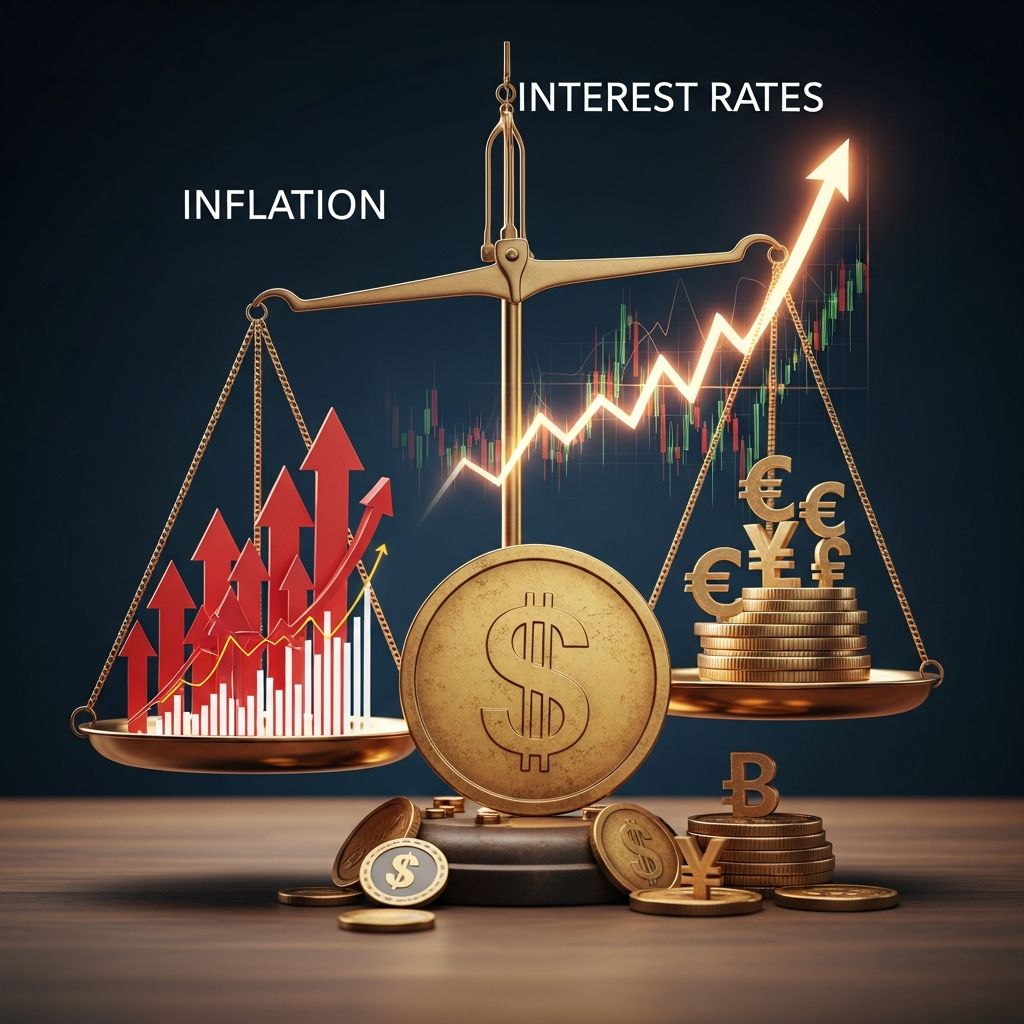
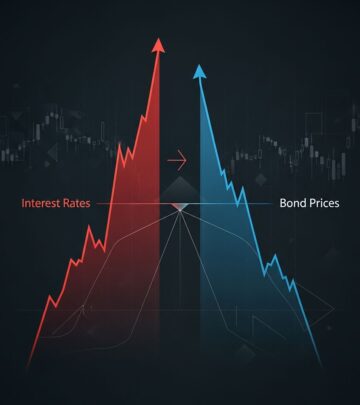
One of the most important concepts in economics and personal finance is the relationship between inflation and interest rates. These two forces work together to influence borrowing costs, savings returns, and overall economic health. Understanding how they interact is essential for anyone making financial decisions or seeking to comprehend monetary policy. The fundamental principle guiding this relationship is straightforward: inflation and interest rates typically move in an inverse direction, meaning when one rises, the other tends to fall, and vice versa.
What Is Inflation?
Inflation represents the sustained increase in prices of goods and services over time, which results in a decline in a currency’s purchasing power. In simpler terms, inflation means that the money in your pocket buys less than it did previously. When inflation occurs, the same amount of money can purchase fewer items, affecting both consumers and businesses.
To illustrate this concept, consider a historical example. In 1975, a loaf of bread in the United Kingdom cost 16 pence. By 2021, the same loaf of bread cost approximately 106 pence. This dramatic price increase demonstrates how inflation erodes purchasing power over decades. With the same amount of money that once bought six and a half loaves of bread in 1975, one could purchase significantly less by 2021.
Measuring Inflation: The Consumer Price Index
Economists measure inflation using a tool called the Consumer Price Index (CPI). The CPI tracks the average change in prices paid by consumers for a basket of goods and services over time. This index provides a standardized way to understand inflation rates and compare them across different time periods and countries. Central banks and governments rely heavily on CPI data when making economic decisions.
The Optimal Range for Inflation
Neither extremely high nor extremely low inflation is desirable for an economy. When inflation is too high, businesses struggle to set appropriate prices for their products, making it difficult to plan for the future. Consumers also find it challenging to budget and make purchasing decisions when prices are rising rapidly. On the other hand, when inflation is too low or when deflation (negative inflation) occurs, consumers tend to delay purchases in anticipation of further price decreases. This reduced spending can stall economic growth. Most central banks target a moderate inflation rate, typically around 2 percent annually, as the optimal balance.
What Are Interest Rates?
Interest rates represent the cost of borrowing money or the reward for saving money. They are expressed as a percentage of the principal amount and determine how much extra money borrowers must repay or how much savers will earn on their deposits.
Interest Rates on Borrowing
When you borrow money from a bank, the interest rate determines the total cost of your loan. For example, if you borrow 1,000 pounds from a bank at a 1 percent interest rate, you will need to repay 1,010 pounds—the original 1,000 pounds plus 10 pounds in interest. This additional cost compensates the bank for the risk of lending and the opportunity cost of having its capital tied up in your loan.
Interest Rates on Savings
Conversely, when you deposit money into a savings account, the bank pays you interest. If you deposit 1,000 pounds in a savings account offering a 1 percent interest rate, you will earn 10 pounds in interest, resulting in a total of 1,010 pounds. This incentive encourages people to save rather than spend their money immediately.
The Inverse Relationship Between Inflation and Interest Rates
The relationship between inflation and interest rates operates on a well-established economic principle: higher interest rates typically decrease inflation, while lower interest rates tend to increase inflation. Understanding the mechanisms behind this relationship requires examining how interest rates influence consumer behavior and aggregate demand.
How Low Interest Rates Drive Inflation
When interest rates are lower than usual, borrowing becomes inexpensive and saving becomes less rewarding. This creates powerful incentives for consumers and businesses to borrow and spend rather than save. People are more likely to take out loans for major purchases such as homes and automobiles, finance vacations, and dine out more frequently. Businesses, facing lower borrowing costs, are more inclined to invest in expansion and new equipment.
This increased spending creates stronger aggregate demand for goods and services throughout the economy. When demand exceeds supply, sellers can raise prices without losing customers. As prices rise across the economy, inflation accelerates. In essence, low interest rates stimulate economic activity, but this stimulus comes with the side effect of increased inflation.
How High Interest Rates Combat Inflation
The opposite dynamic occurs when interest rates are elevated. Higher borrowing costs discourage people from taking loans, while higher returns on savings make it attractive to defer consumption and build savings. Consequently, people reduce spending on discretionary items, take fewer vacations, and postpone major purchases. Businesses similarly become more cautious about borrowing for expansion when rates are high.
This reduction in spending creates weaker aggregate demand relative to supply. With excess supply and insufficient demand, sellers must lower prices to attract customers. This price reduction leads to decreased inflation, or in extreme cases, deflation. By raising interest rates, central banks can effectively cool an overheated economy and bring inflation under control.
Central Banks and Monetary Policy
Central banks, such as the Federal Reserve in the United States, the European Central Bank, and the Bank of England, actively manage interest rates to achieve their economic objectives. One of their primary goals is maintaining price stability by keeping inflation within a target range, typically around 2 percent annually.
Real-World Examples of Rate Adjustments
During periods of elevated inflation, central banks increase interest rates to reduce spending and cool demand. For instance, the Bank of England increased its base interest rate from 0.1 percent to 0.25 percent in response to inflationary pressures. Such adjustments, while seemingly small in percentage terms, have significant effects on borrowing costs for consumers and businesses throughout the economy.
Conversely, during economic downturns or periods of weak demand, central banks lower interest rates to encourage borrowing and spending, thereby stimulating economic growth.
Factors Influencing the Inflation-Interest Rate Dynamic
While the inverse relationship between inflation and interest rates is generally reliable, the actual inflation rate is influenced by numerous factors beyond just the current interest rate. Supply chain disruptions, changes in commodity prices, labor market conditions, fiscal policy decisions, and external shocks all play roles in determining inflation.
The COVID-19 pandemic provides a recent illustration of this complexity. Global lockdowns disrupted supply chains, reducing the availability of goods while government stimulus measures increased consumer demand. These factors created significant inflationary pressures even as central banks were initially keeping interest rates low to support economic recovery. The resulting inflation required central banks to raise rates more aggressively than historical patterns might have suggested.
Practical Implications for Consumers and Investors
Understanding the inflation-interest rate relationship has direct implications for personal financial decisions. When interest rates are low and inflation is rising, the real return on savings diminishes—your money loses purchasing power. This environment encourages borrowing for major purchases and making investments in assets that may appreciate with inflation. Conversely, when interest rates are high, savings become more attractive, and the cost of borrowing increases significantly.
Frequently Asked Questions
Q: Why do central banks raise interest rates when inflation is high?
A: Higher interest rates discourage borrowing and spending while encouraging saving. This reduces aggregate demand for goods and services, allowing prices to stabilize or decline, thereby controlling inflation.
Q: Can interest rates and inflation move in the same direction?
A: While the general relationship is inverse, short-term movements can deviate from this pattern. However, over longer periods, the inverse relationship typically holds true as central banks adjust rates in response to inflation trends.
Q: How do rising interest rates affect mortgage borrowers?
A: Rising interest rates increase monthly mortgage payments for new borrowers. However, borrowers with fixed-rate mortgages are not directly affected, as their rates remain locked in.
Q: What is the optimal inflation rate?
A: Most central banks target an inflation rate of approximately 2 percent annually, balancing the need for economic growth with price stability.
Q: How does inflation affect savers?
A: High inflation reduces the purchasing power of savings. If inflation exceeds the interest rate earned on savings, savers experience a decline in real wealth despite earning interest.
References
- Inflation Vs Interest Rates Explained — KINGCADEMY. 2022-01-05. https://www.youtube.com/watch?v=nKTwz9mdsFw
- Monetary Policy and Inflation: The Role of Central Banks — Board of Governors of the Federal Reserve System. 2024. https://www.federalreserve.gov/
- Understanding Inflation and Interest Rates — International Monetary Fund. 2024. https://www.imf.org/
Similar Articles








Read full bio of medha deb