Inflation’s Effect on Car Insurance Costs
Discover how rising inflation drives up car insurance premiums through higher repair costs, parts shortages, and more claims.

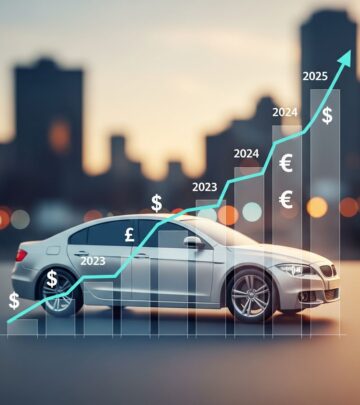
Inflation has profoundly influenced the auto insurance landscape, pushing premiums to record levels as repair costs, vehicle values, and claim expenses climb. From 2023 to 2025, full coverage car insurance saw a 31% increase, far outpacing general inflation rates. This article examines the mechanisms behind these hikes, recent data trends, and practical steps drivers can take to mitigate rising expenses.
Understanding the Core Drivers of Premium Increases
Car insurance premiums are not static; they adjust based on projected risks and costs. Insurers analyze historical claims data and forecast future expenses, often with a lag of 18-24 months before changes reflect in rates. When inflation accelerates, it amplifies costs across multiple areas, forcing companies to raise premiums to maintain solvency.
- Repair and Parts Inflation: Auto parts and labor have surged due to supply chain disruptions, with vehicle repair inflation hitting 15% in 2022.
- Vehicle Replacement Values: New and used car prices rose over 30% since 2020-2021, elevating total loss payouts.
- Medical and Liability Costs: Higher healthcare expenses mean bigger bodily injury claims.
These elements compound, creating a perfect storm for policyholders. For instance, the Bureau of Labor Statistics’ Consumer Price Index (CPI) for motor vehicle insurance rose 11.8% in the year to January 2025, despite overall inflation cooling to 3%.
Rising Repair Expenses: The Biggest Culprit
The cost to fix vehicles after accidents has skyrocketed, directly feeding into higher premiums. Inflation affects every component of repairs, from semiconductors to paint.
| Cost Factor | Inflation Impact | Example Increase |
|---|---|---|
| Auto Parts | Supply shortages (e.g., chips) | Up 30%+ since 2020 |
| Labor Rates | Technician shortages | Mechanic wages surged |
| Rental Reimbursements | Longer repair times | Higher daily costs |
Global supply chain issues, lingering from the pandemic, have made parts scarce and expensive. A fender bender that once cost $1,000 might now exceed $2,500 due to pricier components and labor. Insurers pass these on via rate adjustments, as claims deplete reserves faster than anticipated.
Vehicle Values and Total Loss Claims
As new car prices inflate, so do replacement costs for totaled vehicles. Insurers base payouts on actual cash value (ACV), which has ballooned with market demand and low inventory. This shift means higher premiums across the board, even for low-risk drivers.
Post-pandemic, demand surged as people returned to roads, exacerbating shortages. Used car prices, in particular, jumped dramatically, forcing insurers to recalibrate reserves for potential claims.
Behavioral Shifts and Claim Frequency
Beyond economics, driver behavior plays a role. Lockdowns led to riskier habits like speeding and impaired driving, increasing accidents once traffic normalized. More frequent claims strain insurer resources, prompting rate hikes to cover losses.
- Increased speeding incidents post-2020.
- Rise in drunk driving reports.
- Higher overall claim volumes.
Social Inflation and Legal Pressures
Social inflation refers to escalating claim settlements driven by litigation trends. More claimants hire attorneys, leading to larger payouts through lawsuits or negotiations. This ‘litigiousness’ amplifies costs beyond physical damages.
State regulations further complicate adjustments. Some areas delay rate changes, causing pent-up increases later. Combined with attorney involvement, this pushes premiums higher for all.
Investment Returns and Interest Rates
Insurers invest premiums in bonds and other assets. Low interest rates reduce yields, squeezing profits and necessitating premium boosts. Federal Reserve policies influence this, with recent hikes providing some relief but not immediately.
Recent Data and Projections
Personal auto insurance rose 19.5% from June 2023 to June 2024. By January 2025, full coverage averaged $2,638 annually, minimum $773. Forecasts predict a 7% rise in 2025.
The CPI highlights car insurance’s outsized role in core inflation, contributing 0.6% to overall CPI via a 20.6% jump. This underscores its economic ripple effects.
| Period | Full Coverage Increase | CPI Inflation |
|---|---|---|
| 2023-2024 | 19.5% | 3-9.1% |
| 2023-2025 | 31% | 3% (Jan 2025) |
| 2025 Forecast | 7% | N/A |
Strategies to Counter Rising Premiums
While inflation is unavoidable, drivers can take proactive steps:
- Shop Around: Compare quotes annually; rates vary by provider.
- Increase Deductibles: Higher out-of-pocket reduces premiums.
- Bundle Policies: Combine auto with home for discounts.
- Usage-Based Insurance: Telematics programs reward safe driving.
- Maintain Clean Record: Avoid claims and tickets.
- Defensive Driving Courses: Qualify for reductions.
Review coverage needs; dropping unneeded add-ons like comprehensive on older cars saves money. Tools from state insurance departments help benchmark rates.
Regional Variations and Regulations
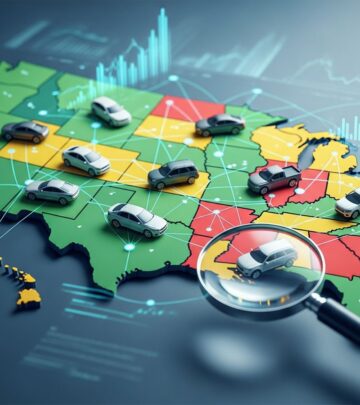
Impacts differ by location. States with no-fault laws or strict regs see delayed but sharper hikes. Urban areas face higher baselines due to theft and congestion risks.
Future Outlook: Will Rates Stabilize?
Supply chains are improving, and inflation cooling to 3% suggests moderation. However, technician shortages and social inflation persist. Expect gradual stabilization, but vigilance is key.
Frequently Asked Questions (FAQs)
Does car insurance always rise with inflation?
Typically yes, as repair and replacement costs track inflation with a lag.
How much have rates increased recently?
19.5% in 2023-2024; 31% full coverage 2023-2025.
Why are repairs so expensive now?
Parts shortages, labor scarcity, and supply issues.
Can I lower my premium during inflation?
Yes, via shopping, bundling, and safe driving discounts.
Is this temporary?
Projections show 7% rise in 2025, then potential easing.
References
- How Inflation is Driving Up Your Car Insurance Costs — Stanley Insurance Group. 2024. https://www.stanleyinsurancegroup.com/posts/car-insurance-inflation-rate
- How Inflation Affects Your Insurance Premiums — Crowley Insurance. N/A. https://www.crowleyinsurance.com/how-inflation-affects-your-insurance-premiums/
- How Does Inflation Impact the Cost of Car Insurance? — Bankrate. 2025-01. https://www.bankrate.com/insurance/car/inflation-and-rising-car-costs/
- Inflation-Car Insurance — Western Financial Group. 2022. https://westernfinancialgroup.ca/Inflation-Car-Insurance
- Inflation is impacting insurance rates: here’s why — Liberty Mutual. N/A. https://www.libertymutual.com/insurance-resources/property/how-does-inflation-affect-insurance-rates
- Car Insurance Rates Drove Inflation in U.S. Economy — Eno Center for Transportation. 2024-01. https://enotrans.org/article/car-insurance-rates-drove-inflation-in-u-s-economy/
- Measuring Price Change in the CPI: Motor vehicle insurance — Bureau of Labor Statistics (.gov). N/A. https://www.bls.gov/cpi/factsheets/motor-vehicle-insurance.htm
Similar Articles








Read full bio of medha deb