Inflation’s Biggest Hits in 2026
Discover which everyday items face the steepest price surges in 2026 due to tariffs, supply issues, and economic shifts—strategies to protect your budget inside.
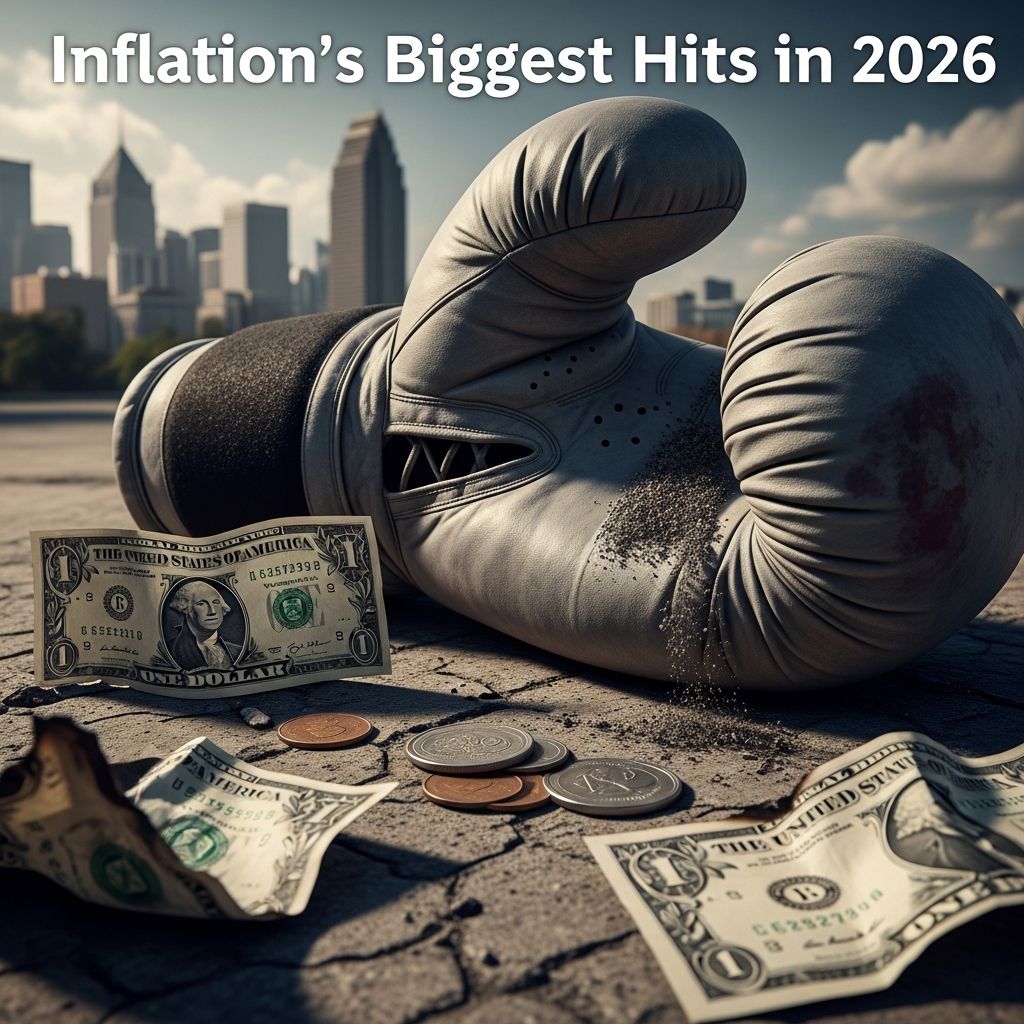
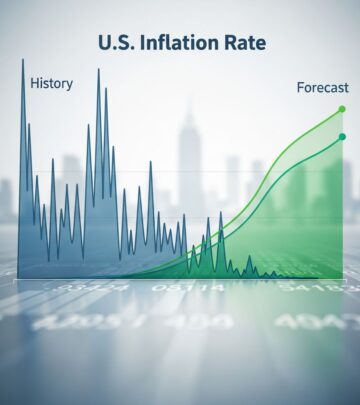
Inflation in the United States is poised for a resurgence in 2026, primarily driven by escalating tariff costs that businesses are increasingly passing on to consumers. Forecasts indicate consumer price index (CPI) inflation could climb to around 2.7% to 3.5%, reversing recent declines from peaks above 6% in 2022.
Understanding the Resurgence of Inflation
After cooling to 2.6% in 2024 and averaging similar levels into 2025, inflation faces upward pressure from multiple fronts. Tariffs on imports have accumulated, with import prices rising nearly 10% in 2025 while core goods prices increased only modestly. Businesses, having depleted pre-tariff inventories, now plan broader price hikes, targeting durables with a projected 4.5% cumulative rise and nondurables at 5.6% through 2027.
Producer Price Index (PPI) data from late 2025 signals this pipeline effect, particularly in wholesale trade for machinery, foreshadowing consumer-level increases in early 2026. Household inflation expectations, influenced more by frequent purchases than budget weight, amplify perceptions—items like eggs can skew views despite minimal CPI share.
Everyday Essentials Under Pressure
Food and beverages top the list of inflation-sensitive categories due to their high purchase frequency and vulnerability to supply disruptions. In January 2026, food-at-home prices rose 2.1% year-over-year, down slightly from 2.4% in December 2025, while food-away-from-home surged 4.0%. Consumer surveys reveal 78% felt inflation’s brunt over the past three years, with women reporting sharper impacts.
Tariffs exacerbate food costs indirectly through feed grains and packaging materials. Even at 5-10% hikes, demand holds resilient, but 20% jumps could deter 30% of buyers in non-essentials—food remains sticky.
Energy Fluctuations and Household Bills
Energy prices dipped -0.1% in January 2026, providing brief relief after 2.3% growth prior. However, low energy mitigates but doesn’t offset tariff-driven rises elsewhere. Fuel stays price-resilient, with minimal demand drop-off even at higher increases.
Goods Most Vulnerable to Tariff Pass-Through
Durable goods like electronics and appliances face pronounced hikes as businesses absorb fewer costs. Consumer electronics saw nearly 60% noticing tariff-linked rises by late 2025. Forecasts predict durables inflation at 4.5% cumulatively, less than 2021-23’s 12% but significant.
| Category | Projected Cumulative Rise (2025-27) | Key Driver |
|---|---|---|
| Durable Goods | 4.5% | Tariffs on imports |
| Nondurable Goods | 5.6% | Supply chain costs |
| Consumer Electronics | High visibility | Price hikes noticed by 60% |
| Apparel & Home Essentials | Elevated | Tariff-related |
Nondurables, including apparel and home goods, follow closely, with rising visibility in surveys. At 10% increases, discretionary demand softens; core items like food endure.
Services and Shelter: Sticky Inflation Sources
Services contribute to “sticky” inflation, with core CPI excluding food and energy at 2.5% in January 2026. Tight labor markets and lagged housing measures sustain pressure, potentially keeping inflation near 3%. Consumption deflator forecasts rise to 3.3% by Q4 2025 before easing to 2.4% in Q4 2026.
Consumer Behavior Shifts in Response
Amid pressures, 34% of adults anticipate financial improvement in 2026, versus 28% expecting decline. Budgeting rises to 53% adoption, up from 46% in 2025. Pessimists plan cuts: 66% reduce dining out; optimists eye holiday spending.
- 78% report inflation impact over three years.
- Women feel effects more acutely.
- High-frequency items drive perceptions.
- Savings rates lag pre-pandemic levels at 4.8%.
Protecting Your Wallet: Practical Strategies
To counter 2026’s inflation, prioritize budgeting and value-seeking. Track high-impact categories via apps monitoring food, energy, and goods prices.
- Build Emergency Savings: Aim for 7.3% savings rate matching 2019 averages, cushioning against wealth dips.
- Shop Smart: Compare for tariff-hit goods; buy in bulk for nondurables.
- Reduce Frequency Buys: Limit dining out, targeting 66% cutback potential.
- Energy Efficiency: Invest in appliances offsetting energy volatility.
- Monitor Expectations: Align with data, not perceptions skewed by eggs or fuel.
Long-Term Economic Outlook
Weak GDP growth post-2026 eases pressures, with consumption slowing to 1.9% then 1.8%. Fiscal deficits over 7% GDP, immigration shifts tightening labor, and drifting expectations risk 4%+ inflation. J.P. Morgan sees CPI at 3.5% Q4 2025, settling at 2.8%.
Household wealth from assets explains some low savings, but declines could spur cutbacks.
Frequently Asked Questions
What drives 2026 inflation?
Tariffs, labor tightness, fiscal stimulus, and supply chains primarily fuel rises, with goods hit hardest.
Which items see biggest hikes?
Durable/nondurable goods (4.5-5.6%), electronics (60% notice), food away (4.0%).
How do consumers respond?
53% budget; pessimists cut dining (66%), optimists holiday spend.
Will energy provide relief?
Recent -0.1% dip helps, but tariffs overshadow.
Sticky inflation risks?
Near 3% possible from services, housing lags.
Regional Variations and Demographics
Impacts vary: urban consumers face higher shelter costs, while rural prioritize fuel. Gender gaps show women noting steeper squeezes. Younger households, with lower savings, cut discretionary more aggressively.
Surveys indicate late 2025 expectation peaks for continued rises, product shortages.
References
- Inflation Set to Rise in 2026 as Tariff Costs Hit Consumers — Morningstar. 2026. https://www.morningstar.com/economy/inflation-set-rise-tariff-costs-hit-consumers-2026
- US consumer affordability in 2026: Insights from our tariffs and price increase pulse study — Simon-Kucher. 2026. https://www.simon-kucher.com/en/insights/us-consumer-affordability-2026-insights-our-tariffs-and-price-increase-pulse-study
- Deep dive: How to monitor US inflation in 2026 — RBC Economics. 2026. https://www.rbc.com/en/economics/us-analysis/us-featured-analysis/deep-dive-how-to-monitor-us-inflation-in-2026/
- The Inflation Outlook — J.P. Morgan Asset Management. 2026. https://am.jpmorgan.com/us/en/asset-management/adv/insights/market-insights/market-updates/notes-on-the-week-ahead/the-inflation-outlook/
- U.S. consumer spending and budgeting trends in 2026 — YouGov. 2026. https://yougov.com/en-us/articles/54197-us-consumer-spending-and-budgeting-trends-in-2026
- Consumer prices up 2.4 percent over the year ended January 2026 — U.S. Bureau of Labor Statistics. 2026-02-18. https://www.bls.gov/opub/ted/2026/consumer-prices-up-2-4-percent-over-the-year-ended-january-2026.htm
- The risk of higher US inflation in 2026 — Peterson Institute for International Economics. 2026. https://www.piie.com/blogs/realtime-economics/2026/risk-higher-us-inflation-2026
Similar Articles








Read full bio of Sneha Tete