Inferior Good: Definition, Examples, and Economics
Understanding inferior goods: How consumer demand shifts with income changes.
What Is an Inferior Good?
An inferior good is a fundamental concept in economics that describes a product or service for which demand decreases when consumer income increases. This inverse relationship between income and demand distinguishes inferior goods from normal goods, where demand rises as income rises. The term “inferior” does not reflect the quality of the product; rather, it describes the economic relationship between purchasing power and consumption patterns.
In economic terms, inferior goods have a negative income elasticity of demand, meaning that as disposable income grows, consumers tend to reduce their consumption of these goods in favor of higher-quality or more expensive alternatives. This behavior is particularly common among lower-income consumers who purchase inferior goods primarily due to affordability constraints.
Defining the Characteristics of Inferior Goods
Inferior goods possess several distinct characteristics that set them apart in the marketplace:
Affordability and Accessibility
These goods are inherently affordable and designed to meet basic consumer needs. They serve functional purposes at budget-friendly price points, making them accessible to price-sensitive consumers. As consumers’ financial situations improve, they typically seek out superior substitutes that offer better quality, durability, or prestige.
Income Elasticity Factor
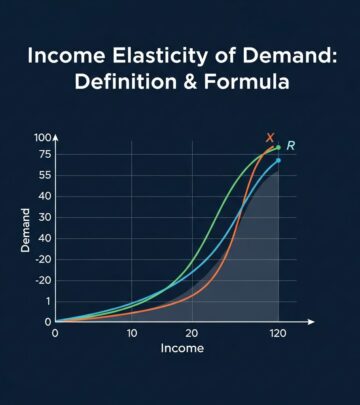
The income elasticity of demand for inferior goods is negative, typically ranging below zero. This means a 1% increase in consumer income correlates with a decrease in the quantity demanded of the inferior good. This metric is crucial for economists analyzing consumer behavior and market trends.
Socioeconomic Indicators
Purchasing patterns for inferior goods often serve as indicators of socioeconomic status. Consumers with constrained incomes disproportionately rely on these goods, while higher-income individuals actively avoid them in favor of premium alternatives. This creates a clear connection between product selection and economic circumstances.
Real-World Examples of Inferior Goods
Transportation and Vehicles
Subcompact economy cars exemplify inferior goods in the automotive sector. Budget-conscious consumers purchase these vehicles when income is limited due to their lower purchase price and reduced operating costs. However, as income increases, consumers typically upgrade to mid-sized vehicles or luxury automobiles that offer enhanced features, comfort, and performance. The shift demonstrates the classic demand pattern for inferior goods.
Financial Services
Payday lending represents a significant category of inferior financial services. These high-interest loans are marketed predominantly to individuals with low incomes who lack access to traditional banking products. As consumers’ financial positions improve, they graduate to credit cards with favorable terms or bank loans offering substantially lower interest rates. This transition illustrates how consumers abandon inferior goods when better alternatives become financially accessible.
Food and Beverages
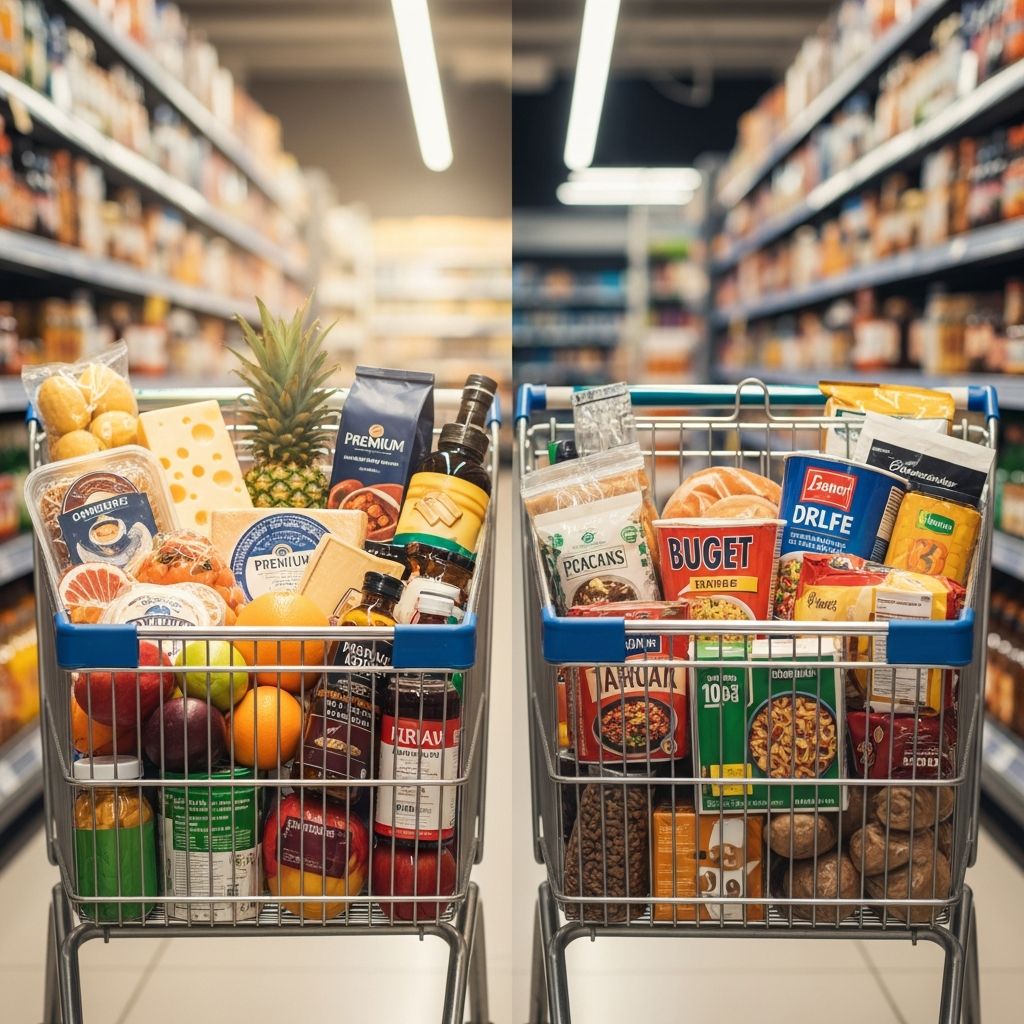
Inexpensive food items constitute a major segment of inferior goods, including instant noodles, canned goods, frozen dinners, bologna, mass-market beer, and hamburger products. As household income rises, consumers shift toward fresh produce, organic options, premium proteins, and higher-quality prepared foods. This dietary transition reflects both improved purchasing power and changing preferences for nutritional value and taste.
Clothing and Retail
Second-hand clothes and discount retail purchases exemplify inferior goods in the fashion sector. Low-income consumers frequent discount chains and thrift stores out of necessity. As incomes increase, consumers migrate toward department stores, boutiques, and brand-name retailers offering new, trendy clothing items. The availability of quality alternatives drives this shift in purchasing behavior.
Retail and Discount Stores
Large discount chains such as Walmart and rent-to-own establishments represent significant sources of inferior goods. These retailers cater to price-sensitive consumers seeking value-oriented products. Many goods sold at discount retailers are classified as inferior because higher-income consumers typically shop at premium retailers for superior quality and brand prestige.
Understanding the Income and Substitution Effects
The Substitution Effect
The substitution effect describes how consumers respond to changes in relative prices between substitute goods. When an inferior good’s price decreases relative to alternatives, consumers may purchase more of it because it becomes relatively cheaper. However, this effect operates differently for inferior goods compared to normal goods. For inferior goods, a price increase typically leads to decreased consumption, while a price decrease leads to increased consumption—a counterintuitive pattern driven by the strength of the negative income effect.
The Income Effect
The income effect represents the change in consumption resulting from shifts in real purchasing power. For inferior goods, the income effect works in the opposite direction from normal goods. When consumer income increases, the income effect reduces demand for inferior goods as consumers shift toward preferred substitutes. This negative income effect is strong enough to overcome the substitution effect in most inferior good markets.
Net Effect on Demand
For inferior goods, the income effect and substitution effect operate in opposite directions. When an inferior good’s price decreases, the substitution effect increases the quantity consumed while the income effect decreases it. In practice, economists observe that the substitution effect typically outweighs the income effect because consumers allocate only a small percentage of gross income to any single product. Consequently, price changes for inferior goods usually produce relatively insignificant demand shifts compared to the substitution effect alone.
Inferior Goods Versus Normal Goods
| Factor | Inferior Goods | Normal Goods |
|---|---|---|
| Income Relationship | Demand decreases with income increase | Demand increases with income increase |
| Income Elasticity | Negative (less than zero) | Positive (but less than one) |
| Consumer Behavior | Higher-income consumers avoid purchase | Higher-income consumers increase purchase |
| Price Impact | Lower price may reduce quantity demanded | Lower price increases quantity demanded |
| Income Effect | Works against demand | Works with demand |
Special Cases: Giffen Goods and Veblen Goods
Understanding Giffen Goods
Giffen goods represent a rare and theoretical subset of inferior goods that exhibit unusual demand patterns. These goods violate the traditional law of demand: when the price of a Giffen good increases, demand also increases. This counterintuitive behavior occurs when the negative income effect is so powerful that it overwhelms the substitution effect.
For a good to be classified as Giffen, it must consume such a large proportion of a consumer’s budget that a price increase effectively reduces their real income significantly. This might occur with a staple food item in an extremely poor household. If rice prices rise and rice comprises 50% of a household’s food budget, the household may actually purchase more rice (consuming less of other foods) simply because it cannot afford alternative options. While theoretically possible, Giffen goods are rarely observed in modern economies with diverse product availability.
Veblen Goods and Prestige Consumption
Veblen goods operate differently from both normal and inferior goods. These are high-quality, prestige products such as luxury automobiles, designer watches, and premium wines. For Veblen goods, increased prices actually lead to increased demand because consumers perceive higher prices as indicators of superior quality and status. The wealth effect drives consumers to purchase more when prices rise, establishing an upward-sloping demand curve. Unlike Giffen goods, Veblen goods are consistently observed in affluent markets and represent aspirational consumption patterns.
Context Dependency: The Same Good, Different Classifications
A crucial insight in inferior goods analysis is that the classification depends entirely on the consumer segment. The same good can be classified as both a normal good and an inferior good depending on the income level of the purchaser. For example, a BMW 3 Series automobile might be a normal good for moderate-income professionals who view it as a premium purchase relative to economy vehicles. However, for ultra-wealthy consumers with significantly higher incomes, the BMW 3 Series might be considered an inferior good compared to luxury offerings like Rolls-Royce or Ferrari vehicles.
This context-dependent classification demonstrates that inferiority is not an inherent product characteristic but rather a relationship between the product and specific consumer groups. Economic analysis must account for the target market’s income distribution and consumption patterns when determining good classification.
Market Implications and Economic Significance
Understanding inferior goods has important implications for businesses, policymakers, and economic forecasters. During economic downturns, demand for inferior goods typically increases as consumers trade down from normal goods. Conversely, during economic expansions, demand for inferior goods declines as consumers upgrade their consumption choices. This pattern makes inferior goods valuable indicators of economic health and consumer confidence levels.
Retailers specializing in discount goods and budget products experience counter-cyclical demand patterns. During recessions, their revenues often increase as consumers shift purchasing behavior toward more affordable options. This relationship influences retail investment strategies and inventory management during different economic phases.
Frequently Asked Questions
What exactly makes a good “inferior” in economic terms?
A good is classified as inferior when its demand decreases as consumer income increases. The term refers to the economic relationship rather than product quality. These goods typically serve as budget alternatives to higher-quality substitutes.
Can the same product be both normal and inferior?
Yes, absolutely. A product’s classification depends on the consumer segment analyzing it. Lower-income consumers might purchase a mid-range restaurant meal as a normal good, while higher-income consumers might classify the same restaurant as providing inferior dining compared to fine dining establishments.
Are inferior goods always low-quality?
No. Inferior goods are adequately functional and fulfill their intended purpose effectively. The “inferior” designation relates solely to affordability and consumer preferences, not inherent product quality or performance.
What is the difference between Giffen goods and Veblen goods?
Giffen goods are rare inferior goods where price increases lead to higher demand due to overwhelming negative income effects. Veblen goods are luxury items where higher prices increase demand because consumers perceive them as status symbols and quality indicators.
How do inferior goods help economists predict economic trends?
Shifts in demand for inferior goods serve as economic indicators. Rising demand often signals economic contraction as consumers reduce spending on premium goods. Declining demand for inferior goods typically indicates economic expansion and increased consumer confidence.
References
- Inferior Good — Wikipedia. Retrieved from https://en.wikipedia.org/wiki/Inferior_good
- Normal vs Inferior Goods Explained — AnalystPrep CFA Level 1 Economics. Retrieved from https://analystprep.com/cfa-level-1-exam/economics/normal-and-inferior-goods/
Similar Articles








Read full bio of Sneha Tete