Inelastic Demand: Definition, Examples, and Economics
Understand inelastic demand and how price changes minimally affect consumer purchase behavior.

Understanding Inelastic Demand
Inelastic demand occurs when the quantity demanded of a good or service remains relatively unchanged despite significant price fluctuations. In economics, this concept is crucial for businesses seeking to understand consumer behavior and optimize their pricing strategies. When demand is inelastic, consumers continue to purchase similar quantities regardless of whether prices rise or fall, making it a powerful indicator for revenue management and profit maximization.
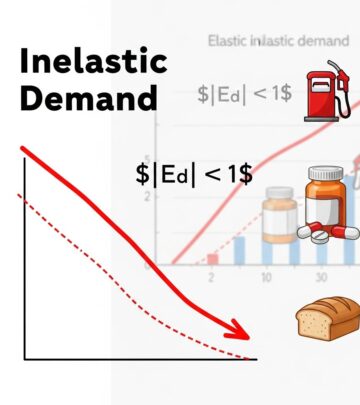
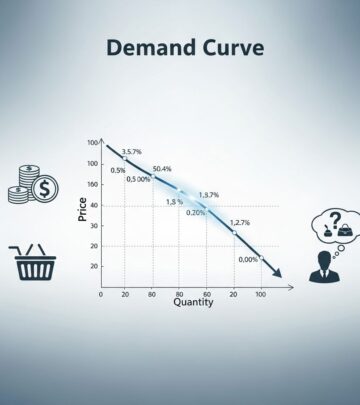
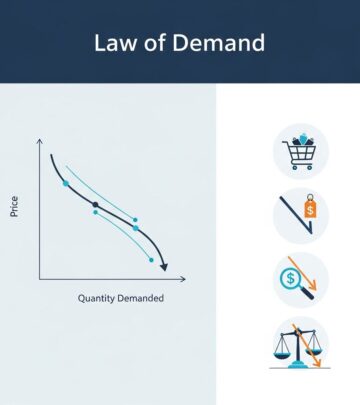
The term “inelastic” derives from price elasticity of demand, a fundamental economic measure that quantifies how responsive consumers are to price changes. Price elasticity is calculated by dividing the percentage change in quantity demanded by the percentage change in price. When this calculation yields a value between zero and one, the good is considered inelastic, meaning consumers are relatively unaffected by new pricing adjustments. Understanding this dynamic helps businesses determine optimal pricing without significantly reducing sales volume.
The Economics of Price Elasticity
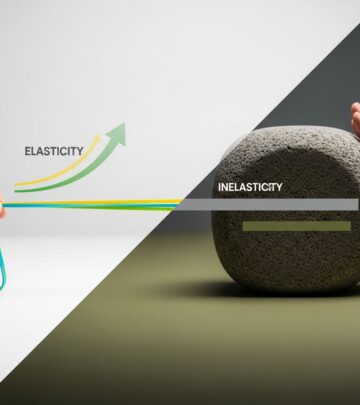
Price elasticity serves as a bridge between economic theory and practical business application. Elasticity measures the sensitivity of demand to price alterations, providing companies with data-driven insights into consumer purchasing patterns. Products with inelastic demand characteristics typically experience minimal fluctuations in quantity demanded when prices change, contrasting sharply with elastic goods where even modest price increases can substantially reduce consumer purchases.
The elasticity coefficient ranges from zero to infinity. A coefficient between zero and one indicates inelastic demand, where price changes produce proportionally smaller changes in quantity demanded. For instance, if the price of a product increases by 10 percent but quantity demanded decreases by only 2 percent, the elasticity would be 0.2, clearly demonstrating inelastic demand characteristics. This relationship allows businesses to forecast revenue impacts when adjusting prices and make informed decisions about pricing strategies.
Characteristics of Inelastic Goods
Several defining features distinguish inelastic goods from elastic alternatives. Understanding these characteristics enables consumers and businesses alike to recognize which products will maintain stable demand despite price modifications.
Essential Products and Necessities
Goods classified as necessities typically exhibit inelastic demand characteristics. These include basic food items, utilities, medications, and medical services. Consumers must purchase these items regardless of price fluctuations because they address fundamental human needs. A diabetic individual, for example, cannot reduce insulin consumption when prices rise, as this medication is essential for their survival and health maintenance.
Limited Substitute Availability
When consumers have few or no alternative products to choose from, demand becomes inelastic. This limited substitute availability traps consumers into purchasing the existing product despite unfavorable pricing. Public transportation exemplifies this principle. Many urban residents lack access to personal vehicles and cannot easily substitute buses or trains with alternative transportation methods. Consequently, moderate fare increases produce minimal impacts on ridership numbers, as commuters have few viable alternatives for reaching their workplaces.
Minor Budget Impact
Products representing small portions of a consumer’s total spending often display inelastic demand. Even when prices double or triple, the absolute cost increase remains negligible relative to overall household budgets. Salt, for instance, costs only dollars annually for most households. Price increases of 50 or even 100 percent go largely unnoticed because the product constitutes such a minimal expense.
Habitual Consumption Patterns
Goods for which consumers develop strong habitual or addictive consumption patterns frequently demonstrate inelastic demand. Cigarettes and coffee exemplify this phenomenon. Regular consumers continue purchasing despite significant price increases because their consumption patterns are deeply ingrained and psychologically reinforced. Breaking these consumption habits proves difficult for many consumers, even when motivated by rising prices.
Real-World Examples of Inelastic Demand
Healthcare and Pharmaceutical Products
The healthcare industry provides compelling examples of inelastic demand. Essential medications maintain consistent consumption regardless of price changes. Patents on prescription drugs often create monopolistic market conditions where consumers have no alternatives and must pay whatever prices manufacturers establish. Insulin, for example, has experienced dramatic price increases over recent decades, yet consumption remains relatively stable because diabetic patients cannot simply stop using the medication.
Utilities and Essential Services
Electricity, natural gas, and water services demonstrate inelastic demand characteristics. Consumers must maintain consistent utility consumption to heat homes, cook food, and maintain basic living standards. While severe price increases might prompt modest conservation efforts, the demand reduction remains proportionally smaller than the price increase, maintaining inelastic demand relationships.
Gasoline and Fuel
Despite common misconceptions, gasoline demand remains largely inelastic in the short term. While consumers cannot eliminate vehicle usage immediately when prices spike, they may reduce driving somewhat. However, the quantity reduction typically falls short of the price percentage increase, indicating inelastic demand. Over longer periods, consumers adapt by purchasing more fuel-efficient vehicles, but this adjustment occurs gradually.
Tobacco Products
Cigarettes represent a classic inelastic good due to their addictive nature. Research consistently demonstrates that smokers continue purchasing cigarettes despite substantial price increases, including those driven by taxation policies. Even price increases of 25 to 50 percent produce only modest reductions in consumption, confirming inelastic demand characteristics.
Factors Influencing Demand Elasticity
Availability of Substitute Goods
The presence or absence of substitute products fundamentally shapes demand elasticity. When readily available substitutes exist, demand becomes elastic because consumers can easily switch to alternatives when prices increase. Conversely, limited substitute availability creates inelastic demand conditions. For luxury cars, substitute vehicles exist, making demand elastic. For specialized medications treating rare diseases, few or no substitutes exist, making demand inelastic.
Product Necessity Versus Luxury Status
Necessities typically demonstrate inelastic demand, while luxury items tend toward elastic demand patterns. Consumers can postpone or forgo luxury purchases when prices rise significantly, but they cannot eliminate essential consumption. This distinction explains why bread prices affect consumer budgets minimally, while jewelry price increases dramatically reduce sales volumes.
Budget Share and Affordability
The proportion of a consumer’s budget allocated to a specific product significantly influences elasticity. Products consuming large budget percentages tend toward elastic demand because price changes create noticeable financial impacts. Conversely, products representing tiny budget fractions remain inelastic even with substantial price increases. Automobiles typically represent elastic demand goods because they consume significant portions of household budgets, making price-conscious shopping behavior critical to consumers.
Time Horizon Considerations
Elasticity changes across different time horizons. In the short term, many goods appear inelastic because consumers cannot immediately adjust consumption patterns or find alternatives. Over longer periods, demand typically becomes more elastic as consumers adapt by finding substitutes or modifying consumption habits. Gasoline exemplifies this principle. Short-term gasoline demand remains relatively inelastic, but over several years, consumers purchase more fuel-efficient vehicles, reducing long-term gasoline demand more substantially.
Business Implications of Inelastic Demand
Pricing Power and Revenue Maximization
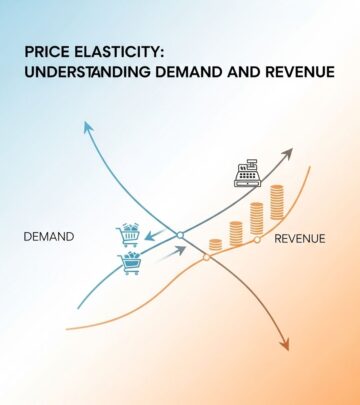
Companies selling inelastic goods possess significant pricing power. Because consumers continue purchasing despite price increases, raising prices often increases total revenue more effectively than pursuing volume-based strategies. However, businesses must balance profit maximization against regulatory scrutiny, particularly in essential product markets where pricing practices face public and governmental oversight.
Market Stability and Predictability
Inelastic demand creates stable, predictable market conditions that benefit businesses through reliable revenue projections. Companies supplying essential products experience less dramatic revenue fluctuations based on economic cycles, providing greater financial stability compared to businesses selling elastic luxury goods that suffer during economic downturns.
Competition and Competitive Advantage
In markets with inelastic demand, price competition matters less than in elastic markets. Companies competing in inelastic markets can differentiate through brand loyalty, product quality, and customer service rather than engaging in destructive price wars. This dynamic often creates more profitable market conditions and allows premium pricing for superior products.
Contrasting Elastic and Inelastic Demand
| Characteristic | Inelastic Demand | Elastic Demand |
|---|---|---|
| Price Sensitivity | Low – consumers relatively unresponsive to price changes | High – consumers highly responsive to price changes |
| Elasticity Coefficient | Between 0 and 1 | Greater than 1 |
| Product Type | Necessities, essentials, limited substitutes | Luxuries, discretionary, many substitutes |
| Revenue Impact | Price increases boost revenue | Price increases reduce revenue |
| Examples | Medication, utilities, gasoline, food staples | Automobiles, entertainment, dining |
| Consumer Behavior | Purchase quantity remains stable despite price changes | Purchase quantity changes significantly with price adjustments |
Frequently Asked Questions
Q: What exactly is inelastic demand?
A: Inelastic demand occurs when consumers purchase relatively similar quantities of a product regardless of price changes. It indicates low consumer price sensitivity, typically expressed as an elasticity coefficient between zero and one.
Q: How is inelastic demand calculated?
A: Elasticity is calculated by dividing the percentage change in quantity demanded by the percentage change in price. Results between zero and one indicate inelastic demand, where the quantity change is proportionally smaller than the price change.
Q: Why do some products have inelastic demand?
A: Products have inelastic demand when they are necessities with few substitutes, represent small budget portions, or create habitual consumption patterns. Essential goods like medications and utilities exemplify these inelastic demand characteristics.
Q: How can businesses benefit from inelastic demand?
A: Businesses selling inelastic goods can increase prices without dramatically reducing sales, thereby improving profit margins and revenue. This pricing power provides competitive advantages in essential product markets.
Q: What is the difference between elastic and inelastic demand?
A: Elastic demand (coefficient above 1) means quantity demanded changes significantly when prices change. Inelastic demand (coefficient between 0 and 1) means quantity demanded changes minimally despite price fluctuations.
Q: Can demand elasticity change over time?
A: Yes, elasticity varies across time horizons. Short-term demand often appears inelastic because consumers cannot immediately adjust consumption or find alternatives. Over longer periods, demand typically becomes more elastic as consumers adapt and discover substitutes.
Conclusion
Inelastic demand represents a fundamental economic concept with profound implications for businesses, consumers, and policymakers. When products display inelastic demand characteristics, consumers continue purchasing despite significant price changes, creating unique market dynamics. Essential goods with limited substitutes, products representing minor budget portions, and items creating habitual consumption patterns typically exhibit inelastic demand. Understanding these patterns enables businesses to optimize pricing strategies, maximize revenues, and maintain competitive advantages. For consumers, recognizing inelastic demand helps explain why certain product prices increase substantially without proportional sales reductions. Policymakers leverage elasticity concepts when designing taxation and regulation strategies, understanding that price-inelastic goods generate more reliable tax revenues. By comprehending the factors influencing demand elasticity and recognizing real-world examples, stakeholders across all sectors can make more informed decisions regarding pricing, consumption, and economic policy development.
References
- Price Elasticity Of Demand — Investopedia. 2014-03-12. https://www.investopedia.com/video/play/price-elasticity-demand/
- Principles of Microeconomics — OpenStax. 2023. https://openstax.org/details/books/principles-microeconomics-3e
- Price Elasticity of Demand: Definition and Examples — Khan Academy. 2024. https://www.khanacademy.org/economics-finance-domain/microeconomics/elasticity-and-consumer-surplus
- The Economics of Insulin Pricing — RAND Corporation. 2023. https://www.rand.org/research/topics/drug-pricing.html
- Tobacco Price Elasticity: A Review of the Literature — National Center for Biotechnology Information, U.S. National Library of Medicine. 2022. https://www.ncbi.nlm.nih.gov/pmc/articles/PMC3228987/
Similar Articles








Read full bio of medha deb