Create Your Own Indoor Garden With These Tips
Expert tips on houseplant watering, soil selection, and more to build a thriving indoor garden without breaking the bank.
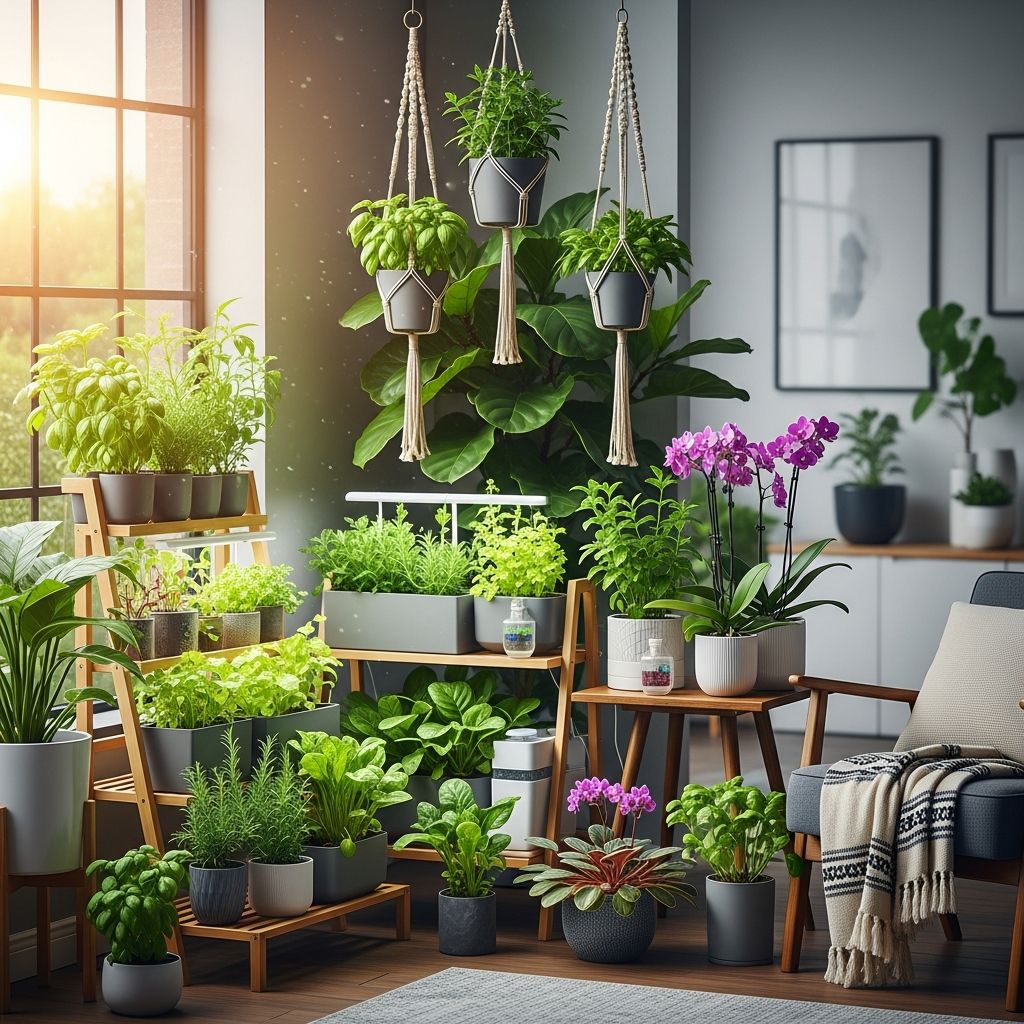
Bringing nature indoors through gardening offers a cost-effective way to beautify your home, improve air quality, and even grow edible plants. Indoor gardening saves money by reducing the need for expensive decor or fresh produce purchases, while providing therapeutic benefits. Whether you’re a complete novice or looking to expand your collection, these expert tips cover plant selection, watering, soil, lighting, propagation, and pet safety to ensure success.
How to Create an Indoor Garden, Even if You Don’t Have a Green Thumb
Starting an indoor garden doesn’t require advanced skills or a spacious setup. Many people believe gardening is reserved for those with outdoor space or natural talent, but indoor setups are forgiving and adaptable to small apartments or busy lifestyles. Begin with low-maintenance plants that thrive in typical home conditions, such as average room temperatures between 65-75°F and indirect light.
Assess your space first: consider available light from windows, humidity levels (bathrooms are ideal for tropicals), and airflow to prevent pests. Start small with 3-5 plants to build confidence. Containers should have drainage holes to avoid root rot, and group plants with similar needs together for a mini ecosystem that self-regulates humidity.
- Choose forgiving plants like pothos, snake plant, or ZZ plant that tolerate neglect.
- Invest in basic tools: a watering can with a narrow spout, gloves, and pruners.
- Track care with a journal or app to note watering dates and growth.
Success comes from consistency rather than perfection. Rotate plants weekly for even growth and dust leaves monthly to maximize photosynthesis.
Choosing the Right Plants for Your Indoor Garden
Selecting appropriate plants is crucial for a thriving indoor garden. Opt for varieties suited to low-light conditions if your space lacks direct sun.
Low-light champions
include peace lilies, which bloom beautifully and purify air; Chinese evergreens, with striking variegated leaves; and parlor palms, adding tropical flair.For brighter spots, consider fiddle leaf figs for dramatic height or calatheas for colorful patterns. Edibles like herbs (basil, mint, rosemary) offer dual purpose: beauty and kitchen use. Research USDA hardiness zones irrelevant indoors, but focus on plant tags for light and water needs.
| Plant Type | Light Needs | Water Frequency | Benefits |
|---|---|---|---|
| Pothos | Low to medium | Weekly | Air purifying, trailing growth |
| Snake Plant | Low | Bi-weekly | Releases oxygen at night |
| Spider Plant | Medium | Weekly | Easy propagation, pet-safe |
| Herbs (Basil) | Medium-high | Every 3-5 days | Edible, aromatic |
Buy from local nurseries for healthy specimens, or propagate from friends’ cuttings to save money. Avoid impulse buys at big-box stores where plants may be stressed.
Understanding Watering Needs for Houseplants
Overwatering is the number one killer of houseplants.
Proper watering
mimics natural rainfall: thorough but infrequent. Check soil dryness by inserting a finger two inches deep; water only if dry. Use room-temperature water to avoid shocking roots, and always empty saucers to prevent soggy soil.Different plants have unique needs: succulents like haworthia prefer bone-dry soil between waterings, while ferns crave consistent moisture. Bottom-watering—placing pots in a tray of water for 20 minutes—reduces leaf spots and encourages deep roots. In winter, reduce frequency as growth slows.
- Signs of thirst: droopy leaves, dry soil.
- Overwatering red flags: yellow leaves, mushy stems, fungus gnats.
- Pro tip: Weigh pots; established plants feel lighter when dry.
Invest in a moisture meter for precision, costing under $10 and reusable for years.
Selecting the Best Soil and Pots
Houseplant soil differs from garden dirt; it’s lighter and sterile to prevent diseases.
Aroid mix
(peat, perlite, bark) suits most tropicals for aeration, while cactus soil works for succulents. Amend with worm castings for nutrients without chemicals.Pots should be terracotta for wicking moisture or ceramic for style. Size up only 1-2 inches when repotting to avoid stress. Repot every 1-2 years in spring, teasing out roots and refreshing soil. Self-watering pots save time for forgetful gardeners.
DIY potting mix: 1/3 potting soil, 1/3 perlite, 1/3 coconut coir—cheaper and customizable.
Providing Adequate Lighting for Indoor Plants
Light is plant food via photosynthesis. South-facing windows offer brightest light; north-facing suit shade-lovers.
Grow lights
(LED full-spectrum) extend daylight in dim homes, positioned 6-12 inches above plants for 12-16 hours daily.Rotate plants to prevent leggy growth. Signs of insufficient light: stretching stems, pale leaves. Too much sun causes scorching—use sheer curtains as filters.
- Low light: 50-250 foot-candles (bathroom shelf).
- Medium: 250-1,000 (office desk).
- High: 1,000+ (near window).
Fertilizing and Maintaining Your Indoor Garden
Fertilize during growing season (spring-summer) with diluted liquid formulas every 4-6 weeks. Balanced 10-10-10 works for most; bloom-boosters for flowering plants. Flush soil monthly with plain water to prevent salt buildup.
Prune dead leaves to redirect energy. Pest control: neem oil spray weekly at first sign of aphids or spider mites. Humidity trays or pebble trays boost moisture for tropicals.
Cost-Saving Tips for Indoor Gardening
Indoor gardening saves money long-term. Propagate via cuttings in water—free plants from one pothos vine. Thrift stores offer cheap pots; paint them for style. Buy seeds for herbs instead of starters.
Plant stands can be DIY with crates or ladders. Join plant swaps on social media. Energy-efficient LEDs cost pennies to run versus buying bouquets weekly.
Pet-Safe Indoor Plants and Precautions
Not all plants are pet-friendly.
Safe choices
: spider plants, Boston ferns, parsley. Toxic ones like lilies, philodendrons—elevate or avoid. ASPCA lists confirm safety.- Safe: Cat grass, valerian.
- Toxic: Aloe vera (to cats), azaleas.
Train pets or use deterrents like citrus peels.
Frequently Asked Questions (FAQs)
What are the easiest indoor plants for beginners?
Snake plants, pothos, and ZZ plants tolerate low light, infrequent watering, and beginner mistakes.
How often should I water indoor plants?
Typically weekly, but check soil moisture; adjust for plant type, season, and humidity.
Can I grow vegetables indoors?
Yes, microgreens, lettuce, and herbs thrive on windowsills or under lights.
What’s the best soil for houseplants?
Well-draining potting mix with perlite; avoid garden soil.
How do I increase humidity for my plants?
Use pebble trays, group plants, or a humidifier.
References
- Indoor Gardening Tips from Extension Services — USDA National Institute of Food and Agriculture. 2024-06-15. https://www.usda.gov/topics/plants/indoor-gardening
- Houseplant Care Guide — Royal Horticultural Society. 2025-03-10. https://www.rhs.org.uk/plants/types/houseplants/growing-guide
- Toxic and Non-Toxic Plants — ASPCA. 2025-01-05. https://www.aspca.org/pet-care/animal-poison-control/toxic-and-non-toxic-plants
- Light Requirements for Indoor Plants — University of Minnesota Extension. 2023-11-20. https://extension.umn.edu/houseplants/light-requirements-indoor-plants
- Watering Houseplants — Cornell University Gardening. 2024-09-12. https://gardening.cals.cornell.edu/garden-guidance/houseplants/watering-houseplants
Similar Articles








Read full bio of Sneha Tete