Indemnity Insurance: Protection Against Financial Loss
Comprehensive guide to indemnity insurance and how it protects against liability claims.

Indemnity Insurance: Definition and Overview
Indemnity insurance is a fundamental type of coverage that protects individuals and businesses from financial losses resulting from liability claims, negligence, errors, or unforeseen circumstances. At its core, indemnity insurance compensates the policyholder for their actual economic losses up to the limiting amount specified in the insurance policy. This form of protection serves as a critical risk management tool, ensuring that policyholders are restored to their financial position before a loss-causing event occurred.
The term “indemnity” derives from the principle of compensation and restitution. In insurance contexts, indemnity represents the contractual obligation where an insurer agrees to compensate an insured party for covered losses, damages, or liabilities. Unlike other insurance types such as life insurance, where beneficiaries receive a predetermined payout regardless of actual loss, indemnity insurance requires policyholders to prove their actual economic losses before recovery. This principle ensures that compensation directly correlates with documented damages, creating fairness and preventing over-insurance.
How Indemnity Insurance Works
The mechanics of indemnity insurance involve several key components. When a covered loss occurs, the policyholder must notify their insurance provider within a specified timeframe, typically immediately upon awareness of a potential claim. The insured party then provides a “proof of loss” document, usually required within 30 to 60 days, detailing the extent of their losses. The insurance company reviews this documentation and, upon verification, compensates the insured up to the policy’s limiting amount.
Recovery under indemnity insurance is strictly limited to the amount of provable loss, even if the policy’s face amount is significantly higher. This principle prevents policyholders from profiting from insurance claims while ensuring they receive fair compensation for documented damages. The insured party bears the responsibility of maintaining accurate records and providing sufficient evidence to support their claim amount.
Key Features and Components of Indemnity Insurance
Understanding the essential features of indemnity insurance is crucial for selecting appropriate coverage:
Scope of Coverage
Indemnity insurance policies define specific events and losses that qualify for coverage. Most policies establish a broad scope of coverage that is then narrowed through explicit exclusions. The scope determines which types of claims, incidents, or damages the insurer will compensate, making it essential for policyholders to thoroughly review this section to understand their protection level.
Policy Exclusions
Exclusions specify risks, damages, or circumstances that the policy does not cover. Common exclusions may include intentional misconduct, criminal activities, contractual liabilities, or specific types of damages. Policyholders must carefully examine exclusions to identify potential gaps in their coverage and determine whether additional policies or endorsements are necessary.
Financial Limits and Deductibles
Indemnity policies establish maximum payout amounts, referred to as policy limits. These limits represent the maximum compensation the insurer will provide for a single claim or aggregate claims during a policy period. Deductibles specify the amount the insured must pay out-of-pocket before insurance coverage begins. Businesses often implement excess policies or umbrella insurance to increase their total coverage limits and protect against losses exceeding primary policy limits.
Notification and Claims Requirements
Most indemnity policies mandate that policyholders notify their insurer promptly when a claim arises or when circumstances suggest a potential claim may develop. Failure to meet notification requirements can result in claim denial. Additionally, policyholders must provide comprehensive proof of loss within the specified timeframe, including detailed documentation, receipts, repair estimates, and other supporting evidence.
Types of Indemnity Insurance
Various industries and professions require specialized indemnity insurance coverage tailored to their specific risk profiles:
Professional Liability Insurance
Professionals such as architects, accountants, consultants, lawyers, and engineers require professional liability insurance to protect against claims arising from errors, omissions, or negligence in their work. This coverage is often mandated by licensing boards and regulatory bodies, ensuring practitioners maintain adequate protection against the substantial liability risks inherent in professional practice.
Medical Malpractice Insurance
Healthcare professionals carry medical malpractice insurance to protect against claims resulting from alleged medical errors, improper treatment, or negligent care. This specialized indemnity insurance covers defense costs, settlements, and judgments associated with malpractice litigation, allowing medical professionals to practice with confidence.
Directors and Officers Insurance
Companies provide indemnification agreements to protect Board Directors and executives from personal liability resulting from corporate lawsuits or business losses. These indemnification agreements make board service more attractive to high-quality professionals by shielding them from personal financial consequences of corporate actions.
General Liability Insurance
Business general liability insurance covers bodily injury, property damage, and personal injury claims arising from business operations. This coverage protects businesses from third-party claims and the associated costs of defense and settlement.
Property Indemnity Insurance
Property owners purchase indemnity insurance to recover costs for losses or damage to commercial or residential properties. When insured property sustains damage from covered perils such as fire, theft, or natural disasters, the insurance company indemnifies the owner through reimbursement or reconstruction using authorized contractors.
Indemnity vs. Hold Harmless Clauses
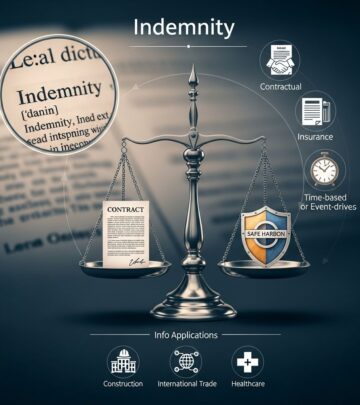
While indemnity and hold harmless provisions are frequently used together in contracts, they serve distinct purposes. Indemnity represents compensation for covered losses and damages, providing financial recovery after a loss occurs. Conversely, hold harmless clauses waive liability, preventing one party from holding another responsible for specific actions or outcomes.
Consider a construction scenario: a hold harmless clause might protect a general contractor from being sued by subcontractors for workplace injuries, effectively preventing the contractor from facing liability. However, indemnity specifically provides financial compensation to cover actual damages and losses sustained. Understanding this distinction is critical for proper contract drafting and insurance planning.
Real-World Applications Across Industries
Indemnity insurance proves essential across numerous sectors with inherent risk profiles:
Legal and Professional Services
Lawyers and legal professionals require errors and omissions insurance to protect against claims resulting from missed deadlines, inadequate legal advice, or procedural errors. This specialized indemnity coverage addresses the unique liability exposures inherent in legal practice.
Engineering and Construction
Engineers and construction professionals carry professional liability insurance to cover claims related to design defects, structural failures, or safety violations. Customized indemnity clauses address industry-specific risks including building code violations and design errors.
Healthcare
Healthcare providers utilize malpractice indemnity coverage to protect against claims related to patient injuries, misdiagnosis, or improper treatment. This coverage extends to hospitals, clinics, and individual practitioners, safeguarding their financial stability.
Financial Services
Financial professionals including investment advisors, insurance agents, and financial planners carry errors and omissions insurance. This indemnity coverage protects against claims related to investment losses, unsuitable recommendations, or failure to disclose material information.
Understanding Indemnity Clauses
Indemnity clauses form the contractual foundation of indemnity insurance policies, specifying the parameters and conditions of coverage. These clauses typically include:
– Definitions of covered losses and qualifying events- Specification of financial limits and maximum payouts- Identification of excluded risks or damages- Requirements for policyholder notification and proof of loss- Time periods for claims reporting and documentation submission- Circumstances under which the insurer may deny coverage- Procedures for claims investigation and settlement
Careful review of indemnity clauses ensures that businesses understand their coverage boundaries and identify potential gaps requiring additional protection through endorsements or umbrella policies.
Business Interruption and Extended Indemnity
Business interruption insurance policies often include Extended Period of Indemnity Endorsements that expand coverage beyond the time required to physically restore damaged property. These provisions cover additional business expenses and lost revenues, enabling companies to return to normal operations and restore pre-loss revenue levels. This extended protection proves particularly valuable for businesses unable to operate during restoration periods, preventing catastrophic financial losses from operational disruption.
Selecting Appropriate Indemnity Coverage
Choosing adequate indemnity insurance requires careful assessment of industry-specific risks, potential liability exposures, and financial vulnerability. Professionals should collaborate with experienced insurance brokers and legal counsel to develop comprehensive indemnity strategies tailored to their specific circumstances. This process involves:
– Identifying potential liability exposures within your industry or profession- Assessing the financial impact of potential claims or losses- Determining appropriate policy limits based on maximum exposure- Reviewing exclusions to identify coverage gaps- Evaluating deductible levels and their impact on overall protection- Considering excess or umbrella policies for enhanced coverage
The Importance of Adequate Indemnity Protection
Inadequate indemnity insurance exposes businesses and professionals to substantial financial risk. A single significant liability claim can result in catastrophic financial consequences, potentially bankrupting a business or destroying a professional’s financial security. Conversely, properly structured indemnity insurance enables focus on core business activities and professional responsibilities without undue concern regarding potential liabilities. This peace of mind contributes to operational stability and long-term business success.
Frequently Asked Questions About Indemnity Insurance
What is the primary purpose of indemnity insurance?
The primary purpose of indemnity insurance is to protect individuals and businesses from financial losses resulting from liability claims, negligence, errors, or other covered losses. It compensates policyholders for actual economic losses up to their policy limits, restoring their financial position to pre-loss status.
Who needs indemnity insurance?
Professionals in high-liability fields such as law, medicine, engineering, and accounting require indemnity insurance, often mandated by licensing requirements. Additionally, businesses carrying general liability risks, property owners, and directors of companies benefit from indemnity coverage. Any entity exposed to potential liability should consider appropriate indemnity protection.
What types of losses does indemnity insurance cover?
Indemnity insurance covers various losses depending on the specific policy type, including bodily injury claims, property damage, professional errors and omissions, malpractice allegations, and contractual liabilities. Coverage specifics are detailed in the policy’s scope of coverage section.
How much indemnity insurance coverage do I need?
Appropriate coverage amounts depend on your industry, profession, potential liability exposures, and financial assets. Consult with insurance professionals and legal advisors to determine coverage limits that adequately protect against maximum foreseeable losses.
What happens if I don’t notify my insurer of a claim promptly?
Failure to meet notification requirements can result in claim denial by your insurance company. Most policies require immediate notification upon awareness of a claim or circumstances suggesting a potential claim. Delays in notification may provide insurers grounds to deny coverage.
Does indemnity insurance cover intentional misconduct?
No, indemnity insurance typically excludes intentional misconduct, criminal activities, and fraudulent actions. Insurance covers negligence, errors, and accidents, but not deliberate wrongdoing. Review your policy’s exclusions to understand specific limitations.
Can I purchase additional indemnity coverage beyond my primary policy?
Yes, businesses often purchase excess policies or umbrella insurance to increase total coverage limits beyond their primary policy limits. These additional policies activate when primary coverage reaches its limits, providing enhanced protection against catastrophic losses.
References
- Indemnity Insurance Definition and Coverage Principles — Corporate Finance Institute. 2024. https://corporatefinanceinstitute.com/resources/accounting/indemnity-definition/
- The Role of Indemnity in Insurance Law — August Law. 2024. https://www.august-law.com/the-role-of-indemnity-in-insurance-law/
Similar Articles








Read full bio of Sneha Tete