Incorporation: Definition, Types, and Benefits
Complete guide to business incorporation: structure, benefits, and legal requirements explained.
What Is Incorporation?
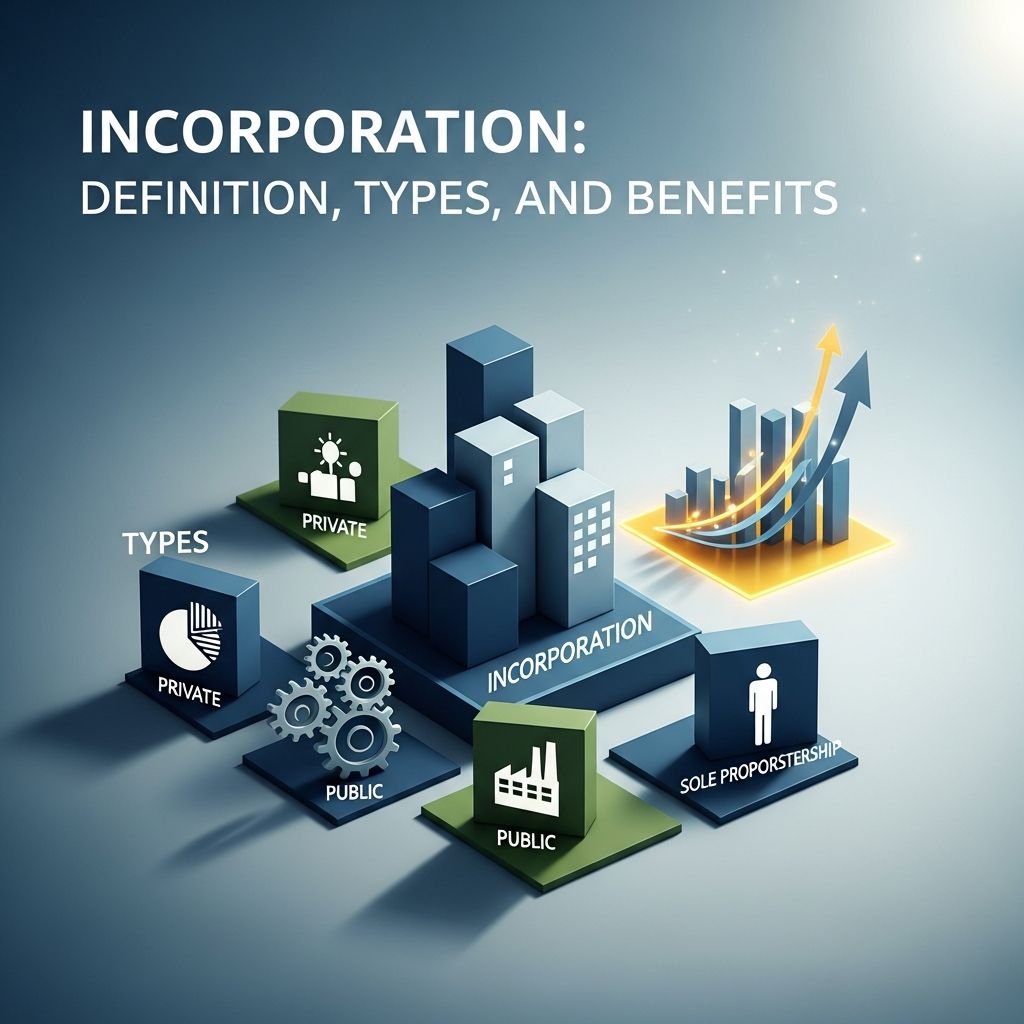
Incorporation is the legal process of establishing a business entity as a separate legal entity distinct from its owners. When a business is incorporated, it becomes a corporation, which is recognized by law as having rights and responsibilities independent of the individuals who own it. This fundamental distinction creates what is known as a separate legal entity, meaning the corporation can enter into contracts, own property, incur debt, and be held liable for its actions in its own name, rather than in the names of its individual owners.
Incorporation is a crucial step for entrepreneurs and business owners seeking to formalize their business operations while gaining significant legal and financial protections. The process varies depending on the jurisdiction and the type of business structure chosen, but generally involves filing specific documentation with the state or national government, paying applicable fees, and complying with ongoing regulatory requirements.
Understanding the Basics of Incorporation
When a business incorporates, the owners essentially create a legal shield between themselves and the business entity. This separation is perhaps the most valuable benefit of incorporation, as it protects personal assets from business liabilities. If an incorporated business faces legal action or accumulates significant debt, the owners’ personal savings, home, and other assets are generally protected from being seized to satisfy business obligations.
The process of incorporation requires businesses to establish bylaws, elect a board of directors, issue stock or membership interests, and maintain certain corporate formalities such as holding regular meetings and keeping detailed records. Different jurisdictions may have varying requirements, but these fundamental elements remain consistent across most incorporation processes.
Types of Business Structures and Incorporation
Several business structures offer incorporation or similar legal entity status. Understanding these options helps entrepreneurs choose the structure best suited to their specific needs and circumstances:
C Corporations
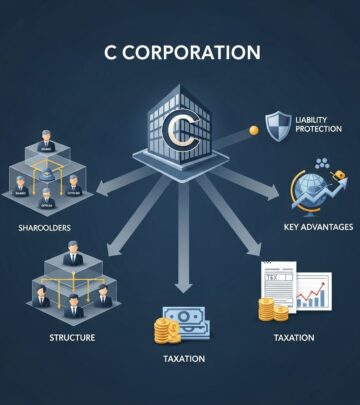
A C Corporation is the most traditional form of incorporation and is the default corporate structure recognized by the Internal Revenue Service (IRS). C Corporations are separate taxpaying entities that file their own tax returns, pay corporate income taxes, and distribute dividends to shareholders. This structure is ideal for larger businesses, those with multiple investors, or companies planning to reinvest profits into growth. However, C Corporations face the disadvantage of double taxation, where the corporation pays taxes on profits and shareholders pay taxes again on dividends received.
S Corporations
S Corporations are a special type of corporation that has elected to be taxed under Subchapter S of the Internal Revenue Code. Unlike C Corporations, S Corporations are pass-through entities, meaning business income passes through to shareholders’ personal tax returns, avoiding corporate-level taxation. This structure is beneficial for owners seeking to reduce overall tax liability. However, S Corporations have restrictions on ownership, including limits on the number and type of shareholders, and specific documentation requirements must be maintained.
Limited Liability Companies (LLCs)
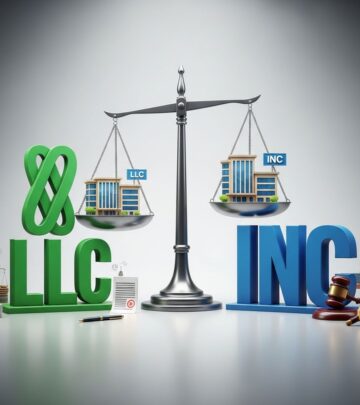
An LLC combines elements of corporation and partnership structures, offering liability protection similar to corporations while providing flexibility in taxation and management. LLCs are popular among small business owners because they require fewer formal procedures than traditional corporations, offer pass-through taxation options, and allow for flexible profit distribution. Members of an LLC have limited personal liability for business debts and obligations, similar to corporate shareholders.
Professional Corporations
Professional Corporations (PCs) or Professional Limited Liability Companies (PLLCs) are structures designed specifically for licensed professionals such as doctors, lawyers, accountants, and architects. These entities maintain liability protection while meeting professional licensing requirements. Professional corporations typically face more stringent regulatory requirements and often have restrictions on ownership and governance based on professional licensing regulations.
Key Benefits of Incorporation
Limited Liability Protection
The primary advantage of incorporation is limited liability protection. This legal shield protects owners’ personal assets from business liabilities, meaning creditors and plaintiffs generally cannot pursue an owner’s personal bank accounts, home, or vehicles to satisfy business debts or judgments. This protection is perhaps the most compelling reason entrepreneurs choose to incorporate.
Perpetual Existence
Unlike sole proprietorships or partnerships, which may dissolve upon the owner’s death or departure, corporations have perpetual existence. The corporation continues to exist even if ownership changes or an owner passes away. This continuity is valuable for business succession planning and provides stability to creditors, customers, and employees.
Ease of Raising Capital
Corporations can raise capital more easily than other business structures by issuing stock, attracting investors, and securing financing. The ability to issue multiple classes of stock and provide equity incentives to employees makes corporations attractive to investors and venture capital firms. This flexibility in capital structure facilitates business growth and expansion.
Tax Advantages and Flexibility
Depending on the type of corporation chosen, businesses may benefit from significant tax advantages. S Corporations offer pass-through taxation, avoiding double taxation. C Corporations may benefit from certain business deductions and the ability to retain earnings at lower tax rates. LLCs provide even greater flexibility in choosing between corporate or partnership taxation.
Professional Credibility
Incorporation lends credibility and legitimacy to a business. Many clients and partners perceive incorporated businesses as more established and professional than sole proprietorships. This perceived legitimacy can lead to increased business opportunities and customer confidence.
Ability to Build Business Credit
Incorporated businesses can establish separate credit histories and build business credit independent of the owner’s personal credit. This separation enables the corporation to secure financing, negotiate better terms with suppliers, and access business lines of credit without relying on the owner’s personal creditworthiness.
Drawbacks and Considerations of Incorporation
Increased Complexity and Costs
Incorporation involves more complexity than operating as a sole proprietorship or partnership. There are filing fees, legal expenses, and ongoing compliance costs associated with maintaining corporate status. Businesses must file annual reports, maintain proper documentation, and adhere to state regulations, which require time and resources.
Administrative Requirements and Formalities
Corporations must maintain corporate formalities, including holding regular board meetings, keeping detailed minutes, maintaining a corporate seal, and documenting all major business decisions. Failure to maintain these formalities can result in piercing the corporate veil, which removes liability protection. This administrative burden can be time-consuming for small business owners.
Double Taxation for C Corporations
C Corporations face double taxation, where the corporation pays federal income taxes on profits, and shareholders pay personal income taxes on distributed dividends. This tax structure can reduce the after-tax income available to shareholders compared to pass-through entities like S Corporations or LLCs.
Self-Employment Tax Considerations
While S Corporations can reduce self-employment taxes by allowing owners to pay themselves a salary plus distributions, C Corporation owners typically pay self-employment taxes on all business income. Proper planning is essential to optimize tax efficiency under any corporate structure.
The Incorporation Process
Step 1: Choose a Business Name and Structure
Begin by selecting a unique business name that complies with state requirements and isn’t already registered by another business. Simultaneously, determine which corporate structure best suits your business goals, such as C Corporation, S Corporation, LLC, or Professional Corporation. Research your state’s specific naming requirements and any restrictions based on your business type.
Step 2: Prepare and File Articles of Incorporation
The Articles of Incorporation (also called Certificate of Incorporation) is the primary document filed with the state to officially establish the corporation. This document typically includes the business name, registered agent and address, purpose of the corporation, number of authorized shares, and names of incorporators. Filing requirements vary by state but generally involve submitting the document to the Secretary of State’s office along with applicable fees.
Step 3: Obtain an Employer Identification Number (EIN)
Once incorporation is approved, apply for an Employer Identification Number (EIN) from the Internal Revenue Service. The EIN serves as the corporation’s federal tax identification number, similar to a personal Social Security Number. You can apply for an EIN online, by mail, or by phone through the IRS website.
Step 4: Create Corporate Bylaws
Bylaws are the internal rules governing how the corporation operates, including procedures for board meetings, shareholder meetings, officer duties, and decision-making processes. While bylaws aren’t typically filed with the state, they are crucial internal documents that guide corporate governance and help maintain corporate formalities.
Step 5: Issue Stock and Establish Ownership
Issue stock certificates to shareholders and document ownership percentages. For LLCs, issue membership interests instead of stock. Maintain detailed records of all ownership interests and ensure all transfers comply with corporate bylaws and applicable laws.
Step 6: Maintain Ongoing Compliance
After incorporation, the business must maintain compliance with state and federal requirements, including filing annual reports, paying annual fees, maintaining corporate records, and holding required shareholder and board meetings. Failure to maintain compliance can result in administrative dissolution or loss of liability protection.
Federal vs. State Incorporation
State Incorporation
Most businesses incorporate at the state level by filing with the Secretary of State’s office. State incorporation provides liability protection within that state and is the most common form of incorporation. Each state has different requirements, fees, and regulations governing incorporation, so it’s important to understand your specific state’s laws.
Federal Incorporation Considerations
While federal incorporation isn’t necessary for most businesses, corporations that operate across multiple states or engage in interstate commerce should understand federal tax and regulatory requirements. Federal considerations include SEC regulations for publicly traded corporations, interstate commerce laws, and federal tax classifications.
Common FAQs About Incorporation
What is the difference between incorporation and registration?
Incorporation is the legal process of creating a corporation, while registration refers to officially registering the business name or obtaining necessary licenses and permits. Incorporation creates a new legal entity, whereas registration simply records the business with state or local authorities.
How much does it cost to incorporate?
Incorporation costs vary by state but typically range from $100 to $800 for filing fees alone. Additional costs may include legal fees for drafting documents, registered agent fees, and accounting services. Some states offer expedited filing for an additional fee.
Can a sole proprietor convert to a corporation?
Yes, a sole proprietor can convert to a corporation through a process called incorporation or corporate conversion. This typically involves filing Articles of Incorporation, transferring assets to the new corporation, and updating business licenses and permits. A tax professional can help minimize tax consequences during the conversion.
What is piercing the corporate veil?
Piercing the corporate veil is a legal concept where courts hold shareholders personally liable for corporate debts or actions, removing the liability protection that incorporation provides. This typically occurs when shareholders fail to maintain corporate formalities, commingle personal and business funds, or use the corporation for fraudulent purposes.
Do I need a lawyer to incorporate?
While not absolutely necessary, consulting with a lawyer or business formation service is highly recommended. A legal professional can ensure all documents are properly prepared, compliance requirements are met, and your specific business needs are addressed. Many online services offer affordable incorporation assistance with varying levels of support.
How long does incorporation take?
The timeframe for incorporation varies by state. Standard processing typically takes 5-10 business days, though many states offer expedited filing for an additional fee, sometimes completing the process within 24 hours. Online incorporation services can often handle the filing process within similar timeframes.
References
- Articles of Incorporation and Corporate Formation — U.S. Small Business Administration (SBA). Accessed November 2025. https://www.sba.gov/business-guide/launch-your-business/choose-business-structure
- Form SS-4: Application for Employer Identification Number (EIN) — Internal Revenue Service (IRS). Updated 2024. https://www.irs.gov/forms-pubs/about-form-ss-4
- LLC vs. Corporation: Key Differences — National Association of Secretaries of State. Accessed November 2025. https://www.nass.org/
- Tax Implications of Business Structure Selection — Internal Revenue Service (IRS). Updated June 2024. https://www.irs.gov/businesses/small-businesses-self-employed/business-structures
- Corporate Compliance and Annual Filing Requirements — Secretary of State Association. Accessed November 2025. https://www.nass.org/initiatives-programs/corporate-filing-information
- Piercing the Corporate Veil: Legal Standards and Requirements — American Bar Association (ABA). Accessed November 2025. https://www.americanbar.org/
Similar Articles








Read full bio of medha deb