Income Effect in Economics: Definition and Examples
Understand how changes in consumer income drive purchasing decisions and market demand.

The income effect is a fundamental concept in microeconomics that describes how changes in a consumer’s income influence their purchasing decisions and demand for goods and services. Whether you’re a student of economics, a business professional, or simply curious about consumer behavior, understanding the income effect provides valuable insight into how markets operate and why consumer spending patterns fluctuate.
At its core, the income effect captures how an individual’s needs and desires change in accordance with variations in their income. It can also refer to the change in demand for a service or product due to a change in a consumer’s disposable income—the income available for spending on savings or non-essentials. This change in income can be either positive or negative, creating distinctly different outcomes for consumers and businesses alike.
What Is the Income Effect?
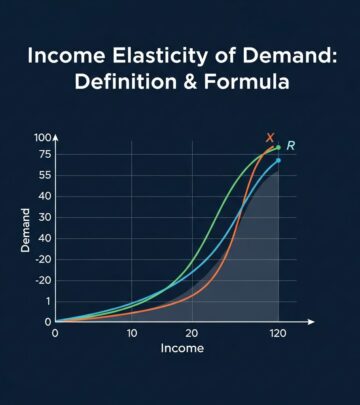
The income effect refers to the change in the quantity demanded of a good or service that results from a change in a consumer’s real income or purchasing power. When disposable income increases, consumers typically have more money to allocate toward both essential and discretionary purchases. For example, when an individual receives a salary increase, their disposable income increases, attracting them to spend more on their needs and desires. Conversely, if their salary falls, they spend less.
The income effect is primarily rooted in consumer psychology. When an individual receives a pay raise, they naturally have more disposable income. This additional purchasing power prompts individuals to adjust their spending habits, resulting in changes to both their needs and desires. Understanding this psychological component is crucial for businesses seeking to predict consumer behavior during various economic conditions.
How the Income Effect Works
The income effect works by evaluating and analyzing how consumers spend their money following a change in income. Consumers tend to invest in higher quality, costlier products following an increase in their income and in cheaper goods of lower quality when their income decreases. This behavioral pattern reflects a fundamental principle: as people become wealthier, they upgrade their purchasing preferences.
When a consumer’s real income increases—whether through a raise, bonus, or price reduction of goods—they feel richer and can afford to purchase more goods and services. Conversely, when prices increase, consumers feel poorer because their purchasing power diminishes, potentially leading to a decrease in the quantity demanded.
It is important to note that the income effect cannot predict which specific goods consumers will choose to buy. The choice of which goods to purchase depends solely on personal preferences, individual circumstances, and market availability. However, it can reliably predict that consumption patterns will shift when income changes.
Direct Income Effect vs. Indirect Income Effect
The income effect can manifest in two primary ways: direct and indirect. Understanding these distinctions helps clarify how income changes translate into actual consumer behavior.
Direct Income Effect
When the effect is direct, an individual’s increase or decrease in income directly changes their consumption behavior. For example, suppose an individual receives a salary increase at work and their disposable income increases. As a result, they can decide to spend more money than they usually would on certain products, such as groceries. If they were accustomed to buying generic brands, they might now purchase name-brand or organic items. Because their disposable income has increased, they can spend more on goods and still have the same amount left over for savings or other purposes.
Indirect Income Effect
The indirect effect occurs when a change in a consumer’s income isn’t the direct deciding factor for their purchasing behavior. Instead, external factors like price changes may trigger a shift in buying habits. For example, suppose a consumer purchases bread at the shop every day. If bread prices increase and consumers receive no corresponding increase in income, they might have less money to spend on bread. This can cause a decline in the demand for bread, even though the consumer’s actual income hasn’t changed—the income effect is triggered by the price change affecting purchasing power.
Positive Income Effect
Positive income effect occurs with certain goods known as normal goods. Demand for these goods rises as individuals’ real income increases. In the positive income effect, the income effect and the substitution effect (the drop in demand for a good when there are other alternatives) work in favor of the product in question.
This means that as the price of a product decreases, demand will increase as the product becomes more affordable, and consumers’ spending power for that product increases. Normal goods form the majority of consumer purchases and include items such as clothing, electronics, entertainment services, and dining experiences. The positive income effect demonstrates why businesses often see increased sales during economic booms when consumers have more disposable income.
Negative Income Effect
Conversely, a negative income effect occurs with inferior goods—products that consumers purchase less of as their income increases. When income rises, consumers typically switch away from cheaper, lower-quality alternatives toward higher-quality options. A classic example of an inferior good is generic or budget-brand food items. As a consumer’s income increases, they’re likely to purchase fewer of these budget options and instead opt for premium brands.
A negative income effect can lead to reduced spending, fewer sales for a business, potential layoffs, and a decline in economic growth during economic downturns. Businesses that rely heavily on inferior goods must adapt their strategies during periods of rising consumer wealth.
Income Effect vs. Substitution Effect
While often discussed together, the income effect and substitution effect represent distinct economic concepts that both influence consumer behavior. Understanding their differences is essential for comprehensive microeconomic analysis.
The income effect evaluates spending habits based on consumer income changes, while the substitution effect shows how changes in the prices of goods can encourage consumers to buy alternative products. In other words, the substitution effect occurs when consumers sacrifice a certain product for an alternative due to the price and quality of the alternative.
Consider this example: if the price of bread increases and you decide to buy less than you would normally buy, that’s the income effect in action—your purchasing power has effectively decreased. However, if the price increase causes you to switch to a different grain product entirely, that’s the substitution effect—you’re choosing an alternative because the original product has become relatively more expensive.
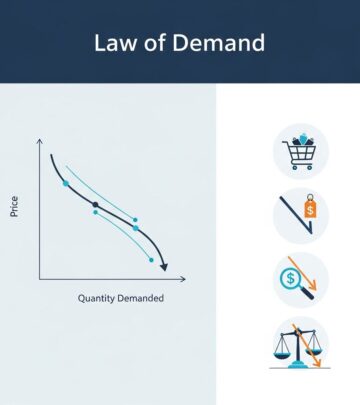
The substitution effect can only occur if alternative goods or services exist in the market. Additionally, price plays a key role in both effects and illustrates why the demand curve is downward sloping—as price increases, demand decreases.
Impact on Businesses and the Economy
The income effect can significantly impact both individual businesses and the broader economy. Understanding these impacts helps economists and business leaders make informed predictions about market trends and consumer behavior.
Positive Economic Impact
A positive income effect can lead to higher consumption and increased spending for individuals, which can result in increased sales profits and a boost in business operations. When consumer incomes rise—whether through wage increases, investment returns, or economic growth—businesses across all sectors typically experience increased demand. Restaurants, retailers, entertainment venues, and luxury goods manufacturers particularly benefit from rising consumer incomes.
Negative Economic Impact
Conversely, a negative income effect can trigger cascading economic challenges. Reduced consumer spending leads to fewer sales for businesses, potential layoffs, and a decline in overall economic growth. During economic recessions when incomes fall, consumer spending contracts significantly, which can perpetuate further economic decline.
Factors Influencing the Income Effect
Several factors determine the strength and nature of the income effect in any given situation:
Employment Wages and Levels: Consumers with a steady income or high wages are more likely to spend more. They may frequently buy more products than consumers without a regular income, meaning employment levels and wages are directly related to demand.
The Number of Consumers: The more consumers purchase products or services, the higher the demand. The number of consumers can increase due to population change or the number of consumers interested in the product.
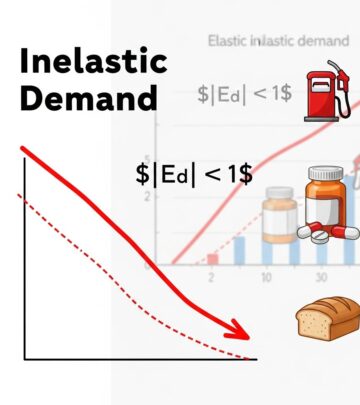
Product Essentiality: How essential a product is operates independently from the income effect to some degree. When the price of bread goes up by 25 percent, the income effect might not be as effective because bread falls under a list of essentials that most people need.
Price Changes: Price is another significant component of the income effect. Changes in price have similar results on income. As the price of a product rises, consumers’ demand for that product decreases, and conversely, as prices drop, their demand will rise.
Real-World Examples
Example 1: The Grocery Store Shopper
Consider Maria, who earns $40,000 annually. She typically purchases generic brand groceries and budget-friendly meal options. When she receives a promotion that increases her salary to $55,000, her disposable income increases substantially. With this additional income, Maria begins shopping at specialty grocery stores, purchasing organic produce, grass-fed beef, and premium coffee brands. Her purchasing behavior changed directly due to her income increase—a clear example of the direct income effect with normal goods.
Example 2: The Housing Market
When interest rates drop, the effective price of mortgages decreases. Families that were previously priced out of home ownership now find homes more affordable. Their purchasing power for real estate increases, and demand for housing rises. This demonstrates how price changes create income effects that reshape entire market sectors.
Retail and Consumer Behavior Implications
Retailers leverage understanding of the income effect to their advantage. One of the key applications is how suppliers use the income effect in retail sales promotions. If the price of a new television is cut by 50 percent, many more consumers will likely purchase a new television. This is the basic principle behind how retail sales promotions work—they artificially increase consumers’ purchasing power by reducing prices.
Businesses track income effect trends to predict seasonal demand, adjust inventory levels, and optimize pricing strategies. During economic growth periods, retailers can expect increased demand for premium products and should stock accordingly.
Frequently Asked Questions
What is the relationship between income effect and the demand curve?
The income effect is one of the primary explanations for why the demand curve is downward sloping. As prices increase, consumers experience a reduction in purchasing power, leading to decreased demand. As prices decrease, consumers feel wealthier and demand increases, creating the characteristic downward slope of demand curves.
How do normal goods differ from inferior goods in terms of income effect?
Normal goods show a positive income effect—demand increases as income increases. Inferior goods show a negative income effect—demand decreases as income increases because consumers switch to higher-quality alternatives.
Can the income effect predict which specific products consumers will buy?
No, the income effect cannot predict which specific goods consumers will choose to buy. The choice depends solely on personal preferences and individual circumstances. It can only predict that consumption patterns will shift when income changes.
How does inflation affect the income effect?
Inflation effectively reduces real income because consumers’ purchasing power decreases. This creates a negative income effect similar to an actual income reduction, leading consumers to purchase less or switch to cheaper alternatives.
Why is understanding the income effect important for businesses?
Understanding the income effect helps businesses predict consumer behavior during various economic conditions, adjust pricing strategies, manage inventory, and forecast demand trends. This knowledge is crucial for maintaining profitability and competitiveness.
Conclusion
The income effect represents a critical lens through which economists and business professionals can understand consumer behavior and market dynamics. By recognizing how changes in income—whether through wage adjustments, price variations, or broader economic shifts—influence purchasing decisions, we gain powerful insights into why markets behave as they do. Whether you’re managing a business, investing in the stock market, or simply trying to understand your own spending habits, the income effect provides a framework for making more informed decisions. As economies continue to evolve and consumer preferences shift, the principles underlying the income effect remain fundamental to understanding the relationship between income and consumption.
References
- Income Effect Definition in Economics (with Examples) — Indeed.com UK. Accessed 2025-11-29. https://uk.indeed.com/career-advice/career-development/income-effect-definition-economics
- Income Effect in Economics: Definition & Examples — Study.com. Accessed 2025-11-29. https://study.com/academy/lesson/the-income-effect-in-economics-definition-example.html
- Income Effect — AP Microeconomics Vocabulary, Fiveable. Accessed 2025-11-29. https://fiveable.me/key-terms/ap-micro/income-effect
- Income Substitution Effect — Economics Help. Accessed 2025-11-29. https://www.economicshelp.org/blog/glossary/income-substitution-effect/
- Income Effect: Definition, Example, Analysis — Corporate Finance Institute. Accessed 2025-11-29. https://corporatefinanceinstitute.com/resources/economics/income-effect/
Similar Articles








Read full bio of Sneha Tete